|
An occasional blog about populist politics and popular music, not necessarily at the same time. LinksLocal Links Social Media My Other Websites Music Politics Others Networking Music DatabaseArtist Search: Website SearchGoogle: Recent Reading
Music DatabaseArtist Search: Website SearchGoogle: |
Music Week [250 - 259]Monday, August 30, 2021 Music Week
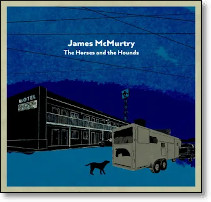
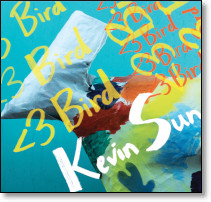
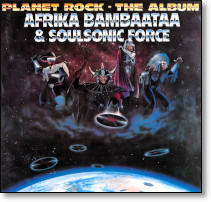
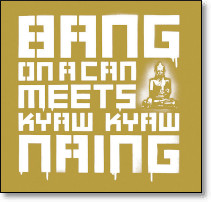
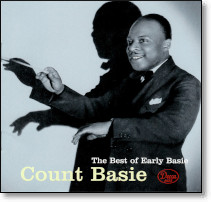
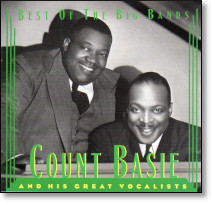
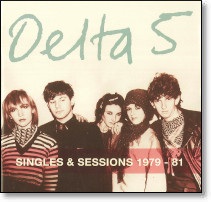
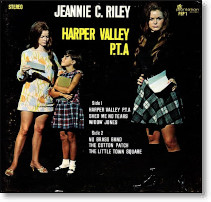
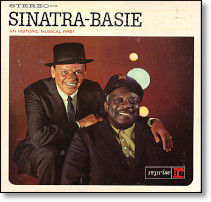
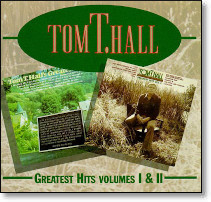
Music: Current count 36142 [36093] rated (+49), 226 [221] unrated (+5). A couple weeks ago I wrote a critical comment on an egregiously bad piece by Matt Taibbi (on what he called The Vanishing Legacy of Barack Obama). Next week, Taibbi wrote a pretty good piece on the fall of Kabul, Afghanistan: We Never Learn. He always cultivated this idea that he could prove his independence by attacking "both sides" -- e.g., in The Great Derangement, he added a chapter attacking "9/11 truthers" as a left-wing analog to the right-wing crazies who gave him so much to write about -- but lately his ravings about mainstream media and centrist Democrats have become increasingly arbitrary and gratuitous, especially given how far off the deep end right-wing media and politicians have plunged. But the fact that many Democrats are wed to the dysfunctional fantasies of the military-security-mercenary complex gives him a chance to put his contrarianism to good use. And now, he's managed to merge his best insights with his worst instincts, in To Stop War, America Needs a Third Party. Look, I voted for Ralph Nader in 2000. We had just moved to Kansas, and it was clear the Democrats didn't have the slightest interest in campaigning in Kansas. When I voted, the thought occurred to me that Nader might even outpoll Gore here. Well, I was wrong. Without trying, Gore got 11 times as many votes as Nader (399,276 to 36,086; although in Douglas County, the Gore/Nader ratio was down to 4). Even so, Gore lost to Bush by 20.8 points, had Gore received all of Nader's votes, the margin would only have dropped to 17.4. I've never blamed Nader for Gore losing, and I get irritated when other people do. Gore ran the campaign he chose to, figuring he would make up more center votes (and cash) than he could possibly lose to a left that New Democrats had nothing but contempt for. Even as the true horror of the Bush administration became evident after 9/11, I've never doubted that Gore would have gone to war as readily as Bush did. (Well, maybe not Iraq, which Bush had a peculiar hard on for, but Afghanistan was the original mistake.) While Nader wasn't especially concerned with foreign affairs, I'm pretty sure that he would have held back, preventing the 20-year debacle that's only now becoming obvious to many people. So, at least in that respect, the divide between Nader and Gore was more important than the difference between Gore and Bush. Taibbi is right that both parties have deeply invested in the imperial military mindset. In some ways, the failure of Democrats to find any sort of alternative foreign policy is more galling. Republicans' core belief in using military power to cow poorer nations is consistent with their faith in using police and courts to trample poor and dissident people at home. Both intend to fortify and protect privilege classes, and are not tempered by concerns for democracy, freedom, or individual rights. You'd think that Democrats would understand that by now. (They've been slow on the uptake, but Republican efforts to rig elections finally seem to have caught their attention.) You'd also expect that they'd reflect back on the principles and promise of international institutions, which they worked hard to establish under and after FDR. Yet even now we see Biden acting rashly and unilaterally to order the wanton death of drone strikes while still committed to exiting Afghanistan. But Taibbi is dead wrong about third parties. What I realized in 2000 was that the people we needed to convince to support a progressive agenda had already committed to one party (the Democratic), in large part because the other (the Republicans) were clearly committed to causing them harm. That fundamental truth has only become more obvious since 2000. The other change is that the neoliberal clique that took over the Democratic Party with Clinton can and has been challenged, both in primaries and through public organization. We've made progress, but still need to make the case to rank-and-file voters, the media, and even the elites -- especially on war, which is hard to do as long as Americans are being deployed in conflicts, with inevitable casualties and hardships, and a tendency to get wrapped up in their putative heroism. It's hard to heal while you're still getting beat up. It's painful to listen to bystanders and opportunists decry Biden's airlift from Kabul. Many of the loudest complainers shared responsibility for the slow-moving train wreck, so much so that it's rather astounding that they can still feign surprise. Before the 13 soldiers killed in a freak suicide bombing, the US had enjoyed a respite from conflict for over a year -- a result that was only possible thanks to negotiating with the Taliban. The hawks who wish to renege now (the same ones who complain about the present chaos) have no idea how bad the situation could deteriorate if the Taliban decided they'd have to once again fight Americans for their freedom. One can always nitpick, but I'm actually impressed that Biden is handling this as well as he has -- and I'm disgusted with those who think otherwise. I have very little to add about the recent deaths of Charlie Watts and Lee Perry. I've read much less about the death of Larry Harlow, a major figure in the development of salsa in New York. But I haven't listened to him much myself. My grade list for Perry is here. A lot of old music this week, as I fell back on the unheard Christgau A-list, going back to the top after I lost my place. Some records there I skipped over during my first pass. Finished Rana Foroohar's Don't Be Evil: The Case Against Big Tech, with mixed feelings I should probably try to articulate at some point. I'm especially bothered by her evident belief that stronger patent laws would increase competition, at least by making it easier for some other company to challenge the FAANG giants. I think that's exactly wrong. I also doubt her assertion that information is the new oil -- the comparison to railroads isn't quite as far off. Oil converted to energy which turned into a huge increase in the amount of work people could do, so it mostly added to the world's wealth. Information may help companies exploit people more efficiently, but it's ultimately more redistributive than not. That's why I expect we'll see diminishing returns from information technology. On the other hand, I think the case that Foroohar makes about how the big FAANG companies depress innovation is valid. I'd like to see them partially broken up, but I don't think competition is a solution in and of itself. A lot of things that these networking companies do shouldn't be done at all. That can be addressed through a combination of regulating harmful activities, replacing useful ones with open source software, and subsidizing common infrastructure. Afterwards, I picked up Ed Ward's The History of Rock & Roll: Volume One 1920-1965. As with similar books, a lot of emphasis early on is put on labels and entrepeneurs, which makes an interesting contrast after reading about the FAANG monopolies. But rock & roll is a pretty good example of what capitalism is actually good for. August had five Mondays and nothing better to do, so this month's Streamnotes compilation is one of the largest ever. New records reviewed this week: Iggy Azalea: The End of an Era (2021, Bad Dreams/Empire): Australian rapper Amethyst Amelia Kelly, moved to US at 16 and picked up a local accent, had a big hit with her 2014 debut. Third and "final" album, supposedly a throwback to her "mixtape roots." Having survived my self-destructive impulses, I'm feeling kind of weird liking a song where the refrain is "I love drugs," or another explaining "You need a good girl/ I'm just a good time." I suppose I could blame the beats. A- Alan Broadbent/London Metropolitan Strings: Broadbent Plays Brubeck (2021, Eden River): Pianist from New Zealand, back story is that he transcriptions of Brubeck Plays Brubeck in 1961, when he was 14, and played through it "as written, without any knowledge of, or feeling for, jazz rhythm." No such excuse now. Harvie S (bass) and Hans Dekker (drums) should help, but the strings drain the rhythm right out. B+(*) Greg Burk/Ron Seguin/Michel Lambert: Sound Neighbors (2020, Tonos): Pianist, originally from Minnesota, studied at New England Conservatory, currently lives in Rome, albums since 2000. Trio with bass and drums/maikotron (probable source of synth sounds I originally thought might be prepared piano). The others are Canadian, although Seguin is also based in Rome, and has a connection to Lambert through François Carrier. B+(***) [cd] Greg Burk: Simple Joys (2019 [2021], Tonos): Pianist-led quintet, recorded in Rome (where Burk lives), Italian names, none I recognize -- alto/soprano sax, guitar, bass, drums. Sleek postbop. B+(*) [cd] Xhosa Cole Quartet: K(no)w Them, K(no)w Us (2021, Stoney Lane): British saxophonist, grew up in Birmingham, debut album, parens not evident on the cover (which has a spurious exclamation mark) but used in the doc. Quartet adds trumpet (Jay Phelps), bass, and drums, with guests Soweto Kinch (sax, 2 cuts) and Reuben James (piano, 3). B+(**) [bc] Lorraine Feather: My Own Particular Life (2019-21 [2021], Relarion): Jazz singer, as was her mother, her father the famous jazz writer Leonard Feather, her full name also including "Billie" for Holiday and "Lee" for Peggy. Recorded a couple albums in 1978, continued more regularly since 1996. Feather wrote lyrics here, to music by others (mostly Eddie Arkin). B+(*) [cd] Bob Gorry/Pete Brunelli/Peter Riccio: GoBruCcio (2021, NHIC): Guitar-bass-drums trio, based in New Haven (label acronym is for New Haven Improvisers Collective). Seems to be Gorry's first album, but he hosts a jazz program, curates a series with Joe Morris, and has some side-credits with Allen Lowe. B+(**) [cd] [09-01] Halsey: If I Can't Have Love, I Want Power (2021, Capitol): Pop singer-songwriter, Ashley Frangipane, fourth album, also "an hour-long film experience set to the music" of her album, co-written and produced by Trent Reznor and Atticus Ross for that soundtrack feel. The trailer, perhaps the whole concept, is way too grandiose. but the music is remarkably tight. B+(***) Inawhirl: Streugebilde (2020 [2021], Trost): Filed this under veteran pianist Georg Graewe, whose name appears first but not always. The others are Sara Kowal (harp) and dieb13 (turntables), so another reason for favoring Graewe might be that his is the only instrument that you really notice. Still, I've noticed him more elsewhere. B+(*) [bc] Jake Breaks: Breaksy (2021, Wide Hive): Artist name given as Jacob B., credited with "breaks and cuts" (so, turntables?), band includes members of Throttle Elevator Music, with Gregory Rustall Howe credited with "songs, rhythm guitar, synthesizer, drums, quika, cymbals, and percussion. Label lists genre as hip-hop, but I filed these funk groove pieces under pop jazz, not that that's right either. B+(*) [cd] Ka: A Martyr's Reward (2021, Iron Works): Rapper Kaseem Ryan, based in New York, sixth album since 2008. Dense and severe. B+(***) [yt] James McMurtry: The Horses and the Hounds (2021, New West): Singer-songwriter from Texas, father was noveist Larry McMurtry, 10th album since 1989. Counts as Americana, with a feel for language and an eye for detail, over guitar which carries you along gently. I wasn't as quickly taken by this one as by his previous few albums, but enough comes through in the end. A- Roscoe Mitchell: Dots: Pieces for Percussion and Woodwinds (2021, Wide Hive): AACM founder, Art Ensemble of Chicago saxophonist, 80 when this was recorded. The percussion works are too pointilist to generate any flow, but that was probably the idea. I don't see other credits, but this is sparse enough to be solo. Besides, everyone in AEC doubled on percussion (especially Mitchell). B+(**) [cd] Ali Shaheed Muhammad & Adrian Younge: Jazz Is Dead 8: Brian Jackson (2021, Jazz Is Dead): Always a struggle to figure out whether the album credits belong with the producers or the guest artist, or whether the latter is the title. The feature artists (so far at least) are still-live veterans from the 1970s, so presumably these are new tracks rather than remixes. Jackson, who plays various keyboards, is best known as Gil Scott-Heron's music collaborator. The albums are all short, but at 8 songs, 32:09, we won't ding this as an EP. B+(*) Nelly: Heartland (2021, Columbia, EP): St. Louis rapper Cornell Haynes Jr., debut album in 2000 was called Country Grammar, one of the year's best for me. He's always been on the pop side of hip-hop -- soft beats and chorus hooks, nothing gangsta or underground. Concept here is to feature country acts, kicking off with Florida Georgia Line on an irresistible ditty called "Lil Bit." Nothing else that catchy, and not just because the headliner fade pretty fast as you go down the list (George Birge? Chris Bandi?). Eight tracks, 23:47. B+(*) Kevin Sun: <3 Bird (2021, Endectomorph Music): Tenor saxophonist, plays clarinet on one piece, fifth album since 2018 (including one as Mute), all aces. "The implications of Charlie Parker's art are fathomless." (Is that somehow different from unfathomable?) The thing that most impressed me about Sun's debut was the depth of his understanding of saxophone history and lore, so I suppose it's not surprising that he would want to work his way through Parker's legacy. Mostly originals here, with two Parker pieces plus "Salt Peanuts" (Dizzy Gillespie/Kenny Clarke), so he seems to be signing Parker up for his own purposes. [By the way, title is sometimes transcribed as ♡ Bird, but with the heart on its side.] A- [cd] [08-29] Tinashe: 333 (2021, Tinashe Music): "Rhythmic pop" singer-songwriter, last name Kachingwe, born in Kentucky but grew up in Los Angeles, fifth album since 2014. B+(***) Jim Yanda: A Silent Way (2019 [2021], Corner Store Jazz, 2CD): Guitarist, originally from a farm in Iowa, has a couple albums (including one recorded in 1987 but released only in 2017). Studied with Paul Smoker. Recorded this in his living room before that became de rigeur. With Herb Robertson (trumpet) and Phil Haynes (drums). I admit I lost the thread midway through the second disc, but didn't mind trying to find it again. B+(***) [cd] Recent reissues, compilations, and vault discoveries: Peter Brötzmann: Love Comes Like Sour to Milk (1993 [2021], Trost, EP): One 21-minute track, originally released as a cassette by Galerie Erhard Klein, solo reeds (tenor sax, bass clarinet, tarogato) from a period when he released such abrasive albums as Die Like a Dog and The Dried Rat-Dog. This is easier to handle, perhaps because there is less to it. B [bc] Jan & Dean: Filet of Soul Redux: The Rejected Master Recordings (1966 [2017], Omnivore): Supposedly the original master of the live/comedy album that appeared on Liberty in 1967. The duo could be quite funny, but the album has is a pastiche, with a lot of crash-and-burn sound effects that don't wear well. The songs are hits, only rarely theirs -- "Cathy's Clown," a Beatles section, "Lightning Strikes" (the album's high point), and for a closer, "Hang On Sloopy." B Old music: ABC: Beauty Stab (1983, Mercury): English new wave band, from Sheffield, led by singer Martin Fry, with Mark White on guitar and Stephen Singleton on sax. Second album. Threatened to turn annoying, so I skipped this one, then trashed their Millennium Best Of, but I'm finding this a bit amusing. B+(*) The Allman Brothers Band: Live at Fillmore East (1971, Capricorn): Southern rock band, brothers Duane (guitar) and Gregg Allman (keyboards, vocals), established the concept with two studio albums, then released this live jam. Duane died in a motorcycle crash a year later, and Berry Oakley (bass) died a year later, but Dickey Betts partly filled the gap and the band kept going into the 1980s, with solo careers and occasional reunions following. B The Allman Brothers Band: The Best of the Allman Brothers Band -- Live [20th Century Masters: The Millennium Collection] (1971 [2007], Mercury/Chronicles): Six tracks, 49:59, all drawn from the 1971 Fillmore East sessions, which originally appeared as At Fillmore East in 1971, and has grown by leaps and bounds since, culminating in a 6-CD box, The 1971 Fillmore East Recordings. Three of these were on the original album, the rest on 1992's 2-CD The Fillmore Concerts, but the times most precisely match the 2003 remasters in At Fillmore East [Deluxe Edition]. Better than the original album, probably because they focus on blues they didn't write. Still doesn't help much when they go long. B+(***) The Allman Brothers Band: The Road Goes On Forever: A Collection of Their Greatest Recordings (1969-73 [1975], Capricorn): Best-of compiled from five albums plus some (4?) extra live recordings, totals 1:24:11. Pretty much lives up to its billing. [Reissued 2001 on 2CD with 67:38 extra material, including album tracks up to 1979.] B+(***) [yt] The Allman Brothers Band: The Best of the Allman Brothers Band [20th Century Masters: The Millennium Collection] (1969-79 [2000], Polydor): First attempt at a budget series best-of, with 11 songs, only one after 1973's Brothers & Sisters, only one live, a shorter and cheaper (and still in print) alternative -- not that shorter is what fans especially want. B+(***) Amadou & Mariam: Je Pense À Toi: The Best of Amadou & Mariam (1998-2002 [2005], Circular Moves/Universal Music Jazz): Known as "the blind couple from Mali," Mariam Doumbia sings, as does guitarist Amadou Bagayoko. They've recorded at least since 1985. This picks songs from three French albums, solid work that doesn't quite delight me. B+(***) Archers of Loaf: Archers of Loaf Vs. the Greatest of All Time (1994, Alias, EP): Punkish rock band from North Carolina, fairly major 1993-98, with Eric Bachmann heading off for a second group (Crooked Fingers) and a less distinguished solo career. Five songs, 17:29. B+(**) Archers of Loaf: The Speed of Cattle (1992-94 [1996], Alias): Eighteen scattered outtakes, singles, radio shots, leftovers, the fallout of a group with two albums done and two more to come. B+(*) Archers of Loaf: Vitus Tinnitus (1997, Alias, EP): Six-cut live album, plus two remixes from All he Nations Airports. Reminds me that I like their sound, even if nothing particularly stands out. B+(**) Ashford & Simpson: So So Satisfied (1977, Warner Brothers): Nick Ashford and Valerie Simpson, a songwriting team at Motown before recording together in 1973. Fourth (or fifth?) album, all barely grazed the charts before Send It gave them their first gold record. B+(***) Ashford & Simpson: Send It (1977, Warner Brothers): Christgau's review places this before So So Satisfied, but most other sources list it later, and the chart order makes more sense that way: So So Satisfied peaked at 180, Send It 52, Is It Stil Good to Ya (20). Also, two of Send It's singles didn't appear until 1978. High points are more funk or more disco, but I'm probably missing the point. B+(**) Ashford & Simpson: Stay Free (1979, Warner Brothers): Seventh album, further into the disco era, which is the part I prefer to the strings and romance, but that's still their default. B+(*) Ashford & Simpson: Solid (1984, Capitol): Title single hit lifted this to their fourth gold album. B+(*) Bad Religion: All Ages (1982-94 [1995], Epitaph): Punk rock band from Los Angeles, formed in 1980, 17 studio albums through 2019, only one I've bothered checking out after I shit-canned their early Christgau A-listed Into the Unknown. This is a compilation, baited with two recent live tracks, occasioned (perhaps) by the exit of Brett Gurewitz, leaving singer Greg Graffin in charge. They were consistent enough I can't detect much change over this decade, but then my ears glazed over. Only lyric I jotted down: "I got ideas too." No doubt, but do I care? B Afrika Bambaataa & Soulsonic Force: Planet Rock: The Album (1982-84 [1986], Tommy Boy): DJ/rapper Lance Taylor, first-generation compilation built around the same four singles that key the compilation I've recommended since 2001, Looking for the Perfect Beat: 1980-1985. The other three cuts here are less generous than seven on the other, but in its time, this gave you a pretty good sense of how hip-hop arrived. A- Bang on a Can: Bang on a Can Meets Kyaw Kyaw Naing (2005, Cantaloupe): Classical group, founded 1987 by three composers not in the credits here (although Wikipedia says they are still "artistic directors"), achieved a measure of fame with crossover covers of Brian Eno's In Airports and Terry Riley's In C. Kyaw Kyaw Naing is a Burmese percussionist, a master of the pat waing (also credited with pat ma, si wa, gong, and drums), the composer of four tracks, with five more from other Burmese sources. A- [bc] Count Basie: The Best of Early Basie (1937-39 [1996], MCA): As the owner of The Complete Decca Recordings, I didn't feel any particular need to buy this sampler, but recommended it to Christgau, who couldn't help but give it an A. Same here. Basie moved his band from Kansas City to New York and took the City by storm, becoming the very definition of swing. The band was loaded with stars, like Lester Young, Buck Clayton, Sweets Edison, and Dickey Wells, and Jimmy Rushing sings a few classics. The next period, on Columbia up to 1950 also has a definitive box (America's #1 Band: The Columbia Years) as well as a superb 1-CD compilation (One O'Clock Jump: The Very Best of Count Basie). A Count Basie: Count Basie and His Great Vocalists (1939-50 [1993], Columbia/Legacy): Part of the label's Best of the Big Bands series, which offered "Great Vocalists" volumes for Les Brown, Duke Ellington, Benny Goodman, and Harry James, as well as this Basie set. Like many big bands, Basie kept both a boy and a girl singer on tap, but they appear on less than a quarter of Basie's early sides, so I thought it might be interesting to concentrate them -- especially as he started off with two of the greatest singers, Jimmy Rushing and Helen Humes. This probably would have been better had they stopped there, but this also includes two tracks with Earl Warren (a classic crooner), three with Lynne Sherman (good but not great), and one with Ann Moore (a jumping "Jivin' Joe Jackson"). Still, hard to complain given the way Rushing opens ("I Can't Believe That You're in Love With Me") and closes ("Blue Skies"). A- Count Basie: Frankly Basie: Count Basie Plays the Hits of Frank Sinatra (1963 [1993], Verve): Original 1963 album title was More Hits of the '50's and '60's, with pretty much the same cover art, making me wonder if they weren't treading gently to avoid ruffling feathers. They were, after all, in the middle of a series of lucrative albums with Sinatra, so they would have been especially conscious of his songbook. Still, not the same without a singer, or a suitable soloist to focus on. B+(*) Count Basie: Basie Jam (1973 [1975], Pablo): In 1973 Norman Granz, having sold off his Verve Records catalog to MGM, decided to round up the old gang and get back in business, as Pablo Records. His first new album was by Oscar Peterson, but Basie wasn't far behind. As with his old Jazz at the Philharmonic shows, he organized a jam session, with Sweets Edison on trumpet, Zoot Sims and Lockjaw Davis on tenor sax, J.J. Johnson on trombone, Irving Ashby (guitar), Ray Brown (bass), and Louie Bellson (drums). Five tunes, only one under 8:50. B+(*) Count Basie/Joe Turner: The Bosses (1973 [1974], Pablo): Recorded a day after Basie Jam, with the same group credited, plus Turner shouting the blues. The horns are rarely deployed, but things pick up when they do appear. B+(***) Count Basie/Oscar Peterson: Count Basie Encounters Oscar Peterson: Satch and Josh (1974, Pablo): Two very different pianist, but if you've ever seen them together, you'll know that they loved each other. Basie was famous as the one who knew what to leave out, and Peterson threw more extraneous notes in than anyone short of Art Tatum. B+(**) Count Basie/Zoot Sims: Basie & Zoot (1975 [1976], Pablo): Hard-swinging tenor saxophonist, backed by Basie's piano trio with John Heard (bass) and Louis Bellson (drums). B+(***) Count Basie: Get Together (1979 [1986], Pablo): Jam session, cover split between pictures of Basie and Freddie Green (his long-time guitarist), with other names after Green's: Budd Johnson and Eddie 'Lockjaw' Harris (tenor saxes), Harry Edison and Clark Terry (trumpets), Gus Johnson (drums), and John Clayton (bass). Another nice swing session. B+(***) The Bats: Compiletely Bats (1984-86 [1987], Communion): Rock band from New Zealand, sounds a bit like jangle pop, released three EPs before their 1987 debut album, and those (minus one song) are collected here). B+(**) Delta 5: Singles & Sessions 1979-81 (1979-81 [2006], Kill Rock Stars): English post-punk band, formed in Leeds alongside the most explicitly political bands of the time, Mekons and Gang of Four, and shared an EP with the Slits and the Pop Group. I remember "Mind Your Own Business" from Wanna Buy a Bridge? (also covered by Chicks on Speed), but wasn't aware of their only album (See the Whirl, from 1981). This rounds up 16 scattered songs, front-loaded, tailing off a bit toward the end. A- Ella Fitzgerald/Count Basie/Joe Williams: One O'Clock Jump (1956-57 [1999], Verve): Wiliams was a regular singer with Basie from 1954-61, moving up to headliner on 1955's Count Basie Swings, Joe Williams Sings. Probably more Joe than Ella here. B+(*) Jeannie C. Riley: Harper Valley P.T.A. (1968, Plantation): Country singer from Texas, second album, title song a number one crossover hit skewering the "Harper Valley hypocrites." The then-unknown Tom T. Hall wrote that song, and three more worth hearing ("Widow Jones," "Mr. Harper," "Sippin' Shirley Thompson"), but the rest of the album is pretty remarkable, with "The Cotton Patch" and "Satan Place" reprising Hall's rhythm close enough he could sue, and "Run Jeannie Run" sounding like her own story. A- Jeannie C. Riley: Yearbooks and Yesterdays (1969, Plantation): She never duplicated her initial success, but had 5 more top-ten country hits through 1971, her album chart positions tailing off 9-14-25-34. Three more songs by Hall, four more by Margaret Lewis and Myra Smith (including "The Girl Most Likely"). B+(**) Frank Sinatra/Count Basie: Sinatra-Basie (An Historic Musical First) (1962, Reprise): Basie reinvented his band in the late 1950s: the soloists weren't as distinctive, but the "new testament" band's arrangers powered up the ensemble work -- the best sampler from the period was called The Complete Atomic Basie. In some ways, Basie's evolution tracked Sinatra's 1950s big bands, but richer and subtler. By 1962, both were famous and starting to decline, so this meeting helped both. Neal Hefti arranged ten songs Sinatra had long mastered. He sung them impeccably, and I doubt he's ever fronted a stronger horn section. Basie himself dropped out (except for the cover pic), with Bill Miller taking over the piano. A- Unpacking: Found in the mail last week:
Ask a question, or send a comment. Monday, August 23, 2021 Music Week
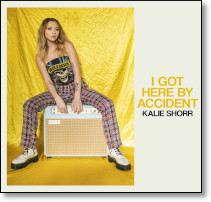
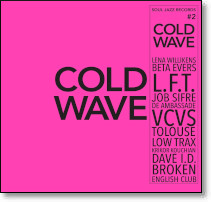
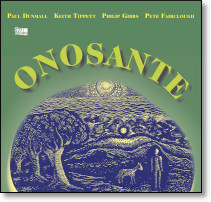
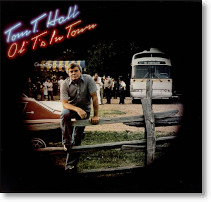
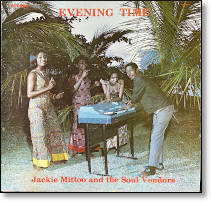
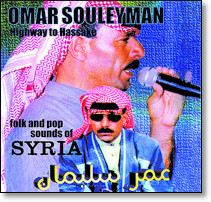
[PS: Posted an answer to a question about Obama and his legacy. Use this form to ask more questions.] Music: Current count 36093 [36036] rated (+57), 221 [218] unrated (+3). Tom T. Hall died last week. Obituaries tended to overlook his 35 albums, but invariably mentioned the number one single he wrote in 1968, "Harper Valley PTA," for Jeannie C. Riley. Growing up in Wichita, I knew a little bit about country music -- mostly from watching, with bemused detachment, Porter Wagoner -- but I wasn't a fan. My brother and I got turned away at the door of a Grand Ole Opry show downtown, the doorman correctly surmising that we wanted the car show next door. I managed to catch a set by Ronnie & the Daytonas there: the first time I saw live music, and probably the only time until I saw Sly & the Family Stone in St. Louis. That's was shortly after the first time I heard of Hall. I went to a party thrown by one of the Sociology professors. When I introduced myself to a guest, he responded: "I got all your records." I had a little speech problem, and never managed to say Hull clear enough not to be transcribed as the more common Hall. When I did finally hear Hall -- probably at the behest of George Lipsitz, who was taking time before going to graduate school, and was very much into country music at the time (although I also recall him introducing me to Rahsaan Roland Kirk and to Johnny Otis). I only slowly got into country music, picking up occasional albums over the 1970s -- from Hall: We All Got Together and Faster Horses, finding In Search of a Song later -- finally making a serious effort in the 1990s to catch up with (damn near) everything I had missed. The best Hall compilation ever came out in 1988: The Essential Tom T. Hall: The Story Songs, 20 of them, originally on 2-LP, later on 1-CD. In 1995, I finally felt confident enough to write something about a new (and disappointing) Hall box, combined with a more favorable review of the 3-CD Roger Miller box. (Of course, I remembered Miller vividly from his mid-1960s TV show and crossover hits.) I called this Kings of the Road, and submitted it to The Voice, but elicited no interest (other than, I suppose, that a year later Robert Christgau invited me to review Rhino's series of jazz compilations, which I called Jazz for Dummies). One thing I'd have to correct from the Hall piece is my claim Hall "hasn't recorded anything very interesting since [1976]." I finally got around to Hall's 1978-80 RCA releases below, and a couple of them are pretty good. I wanted to dive into his early Mercury records, but I only found In Search of a Song on Napster, plus Ballad of Forty Dollars on YouTube. There are some post-1978 Mercury albums on Napster, so I may return to them. Another son of Kentucky died last week: Don Everly. He seemed like an earlier generation, but he was a year younger than Hall, and his brother Phil (d. 2014) was younger still. They started off in their teens in the Everly Family group, then as a brother act had their first big hits in 1957 ("Bye Bye Love" and "Wake Up Little Susie"), when Phil was 18. Beyond radio singles, my first introduction was 1964's The Very Best of the Everly Brothers -- disparaged now because they re-recorded their pre-1960 Cadence hits to juice up their less famous Warners songs, from "Cathy's Clown" to the ultra-maudlin "Ebony Eyes." I replayed it, and also Rhino's Cadence Classics, but didn't have much luck digging further, and didn't look into their solo careers or their reunion -- they were famous for not getting along. Before Hall died, I mostly picked unheard records of Christgau's graded list, from Youssou N'Dour to Lobi Traoré. A couple reggae albums were suggested by a Sly & Robbie list of their favorites, but further down the list got hard to find. Tried to catch up with the demo queue, picking off the things with the earliest release dates, but wound up losing ground. Got a package from NoBusiness today. They'll be listed next week. Bought a package of "shaved pork" last week. Seemed like the perfect thing for bulgogi. It's cut so thin you can't grill it. I dumped it into a cast iron skillet and boiled the marinade off. Pretty intense. Picture here I saw a tweet recommending Josh Marshall: Notes from the Press Paroxysm as the Evacuation Flights Continue. I hadn't looked at TPM when I was writing up my Speaking of Afghanistan post last week because, well, most of what they publish is behind their firewall never struck me as worth the cost. (Also, I find it especially aggravating that much of what they hide consists of letters from readers, which presumably cost them nothing.) Still, it's a good article, both for pointing out that there is a substantial but rarely reported level of ongoing negotiation between the Taliban and virtually everyone, and for the term "press paroxysm." When I flipped through the Wichita Eagle this morning, I was appalled at the level of ignorance and cynical exploitation in everything they published on Afghanistan (and not just from columnists like Marc Thiessen, whose very existence is an affront to intelligence and human decency). I tracked down a couple of earlier Marshall articles. You Wouldn't Know It From the US News Coverage, But . . . points out that the top US-backed Afghan politicos are all actively engaged in negotiating with the Taliban: Hamid Karzai, Abdullah Abdullah, even (from Doha) Ashraf Ghani -- who precipitated this Taliban offensive by refusing to negotiate while US troops remained, and who affirmed the government collapse by fleeing Kabul. On the media, see: The Fall of Kabul, Washington and the Guys at the Fancy Magazines. The latter talks about the "feeding frenzy" reporters are prone to: seeing a politician flounder, they're more than happy to jump in and take a few shots. (Kind of like how my dog gives chase only after she sees the other animal turn away.) Anyone who expects sober analysis from such creatures is bound to be disappointed. For what it's worth, I'm delighted that Biden has taken a firm stand for withdrawal, showing both courage and a grounding in reality. He has far from an unblemished reputation on Afghanistan, but there's little value in bringing that up now that he's learned the lesson, except to underscore that the lessons are clear enough to convince even him. What I worry about is that in the current din we won't learn what we need to from this 20-year failure. Even if their complaints aren't accepted, the endless repetition of their shared delusions crowds out the clear thought we need. New records reviewed this week: Daniel Carter: Playfield Vol 1: Sonar (2020 [2021], Orbit577): Credited with "Horns and Reeds" here, first of three volumes, a single 28:58 piece, group includes Luisa Muhr (voice), Ayumi Ishito (sax), Nord piano, two guitars, bass, and drums. B+(*) Daniel Carter: Playfield Vol. 2: The Middle (2020 [2021], Orbit577): Same group, one 31:32 piece. B+(**) Daniel Carter: Playfield Vol. 3: After Life (2020 [2021], Orbit577): Another piece, this one 30:24. Starts with a bluesier voice, remaining more prominent here than on the other volumes. B+(*) Tom Cohen: My Take (2021, Versa Music): Drummer, leads a set of organ trios through "Without a Song" and four pieces by 1950s saxophonists (Gigi Gryce, Benny Golson, Sonny Stitt, Wayne Shorter). With Joey DeFrancesco or Dave Posmontier on Hammond B-3, spots for saxophonists Tim Warfield and Ralph Bowen, and guitarist Steve Giordano. B+(**) [cd] Paul Dunmall & Mark Sanders: Unity (2020 [2021], 577): British sax & drums duo, Dunmall playing alto, tenor, and C melody saxophones. B+(**) The Go! Team: Get Up Sequences Part One (2021, Memphis Industries): British alt/pop group, sixth album since 2004. Pretty upbeat, almost deliriously so (especially the finale). B+(***) Jared Hall: Seen on the Scene (2018 [2021], Origin): Trumpet player, from Seattle, second album, fairly classic-sounding hard bop quintet, with Vincent Herring (alto sax), piano, bass, and drums. Two Tadd Dameron pieces along with the originals. B+(**) [cd] L.A. Cowboy: The Big Pitch (2021, Reconcile): Vehicle for singer-songwriter J. Frederick Millea, alias L.A. Cowboy. Discogs credits him/them with six albums 1997-98, nothing since -- evidently, a spat with industry execs caused him to give up. Hype sheet calls this "post-modern rock/swing fusion." Sounds like a Sinatra wannabe to me, but maybe there's something deeper going on. B [cd] Lorde: Solar Power (2021, Universal): Pop star from New Zealand, Ella Yelich-O'Connor, third album. Laid back, somewhat dreamy, sinks in slowly, perhaps too much for my jaded pop reflexes. B+(**) Francisco Mela: MPT Trio: Volume 1 (2020 [2021], 577): Cuban drummer/percussionist, studied at Berklee, albums since 2006. Trio with Henry Paz (sax) and Juanma Trujillo (guitar). B+(**) Lady Millea: I Don't Mind Missing You (2021, Reconcile): Jazz singer, from Los Angeles, daughter of L.A. Cowboy J. Frederick Millea, who wrote and arranged these nine songs. Nice voice. Songs are a mixed bag. B+(*) [cd] Dave Miller Trio: The Mask-erade Is Over (2021, Summit): Piano player, "(49)" at Discogs, ninth trio album since 2010 (including 5 with his daughter, singer Rebecca DuMaine), 1 original, 13 standards, about half from jazz musicians. With Andrew Higgins (bass) and Bill Belasco (drums). B+(*) [cd] Steve Million: What I Meant to Say (2019 [2021], Origin): Pianist, based in Chicago, records at least since 1995 (title then was Million to One, followed up by Thanks a Million). Quartet reunites him with Steve Cardenas (guitar) and Ron Vincent (drums), who played together in Kansas City in the late 1970s, plus bassist John Sims. B+(*) [cd] Mankwe Ndosi and Body MemOri: Felt/Not Said (2021, Auspice NOW): Vocalist, ties to Chicago and Minnesota, self-released debut from 2012, part of Nicole Mitchell/Black Earth. Backed with cello (Tomeka Reid), bass, and drums. Rather abstract, finding it a bit hard to follow. B+(*) [cdr] Trineice Robinson: All or Nothing (2021, 4RM Music Productions): Teaches jazz voice at Princeton, seems to have a distinguished academic career, waited until 40 for her recording debut. Strong, skilled voice, resonant of gospel and r&b, co-produced by saxophonist Don Braden, with Cyrus Chestnut in the band. Wrote one song, lyrics for Wayne Shorter (used Jon Hendricks' for Monk), wide range of standards, including "What's Going On." B+(**) [cd] Kalie Shorr: I Got Here by Accident (2021, Tmwrk, EP): Nashville singer-songwriter, originally from Maine, self-released an impressive debut album in 2019, then re-released it in 2020 on this label. Big, punchy sound, produced by Butch Walker. Five songs, all substantial, 15:02. A- Alfie Templeman: Forever Isn't Long Enough (2021, Chess Club): British singer-songwriter, debut album at 18, EPs back to 2017. Plays lots of instruments. Has a rudimentary understanding of pop hooks. B+(**) Waterparks: Greatest Hits (2021, 300 Entertainment): Houston band, suggested genres include pop punk and electropop, but none of those seem quite right. Released EPs from 2012, first album in 2016. This is their fourth album, not a compilation, and not much chance that any of these songs will be hits, but that's not for lack of hooks. B+(*) Recent reissues, compilations, and vault discoveries: Cold Wave #1 (2017-20 [2021], Soul Jazz): British reissue label, picks relatively recent records that were supposedly inspired by the the late 1970s/early 1980s "cold wave" genre: synth-based dance tracks, rare vocals, everything compact and, well, cold. B+(**) Cold Wave #2 (2015-20 [2021], Soul Jazz): Opens with three pretty good cuts, but Job Sifre's "At Least We Try" raises the level, and everything else rises with it. First volume took the chill too seriously. This reminds you that lots of interesting electronica has been happening in obscure corners, but sometimes it helps to mix it up a bit. A- Paul Dunmall/Keith Tippett/Philip Gibbs/Pete Fairclough: Onosante (2000 [2021], 577): Saxophones (plus fife and bagpipes), piano, guitar, and drums, released with a run of 100 back in the day, and unpacked in memory of the late pianist -- who is indeed remarkable here, but also in fine company. A- Old music: Dave and Ansell Collins: Double Barrel (1971, Big Tree): Jamaican duo, singer Dave Barker and keyboardist Collins. Title song is one of the greatest rocksteady classics (lyric starts: "I am the magnificent"). Nothing else in its league, not much where Dave even gets a chance to sing, much less toast. The instrumentals are pretty seductive. B+(***) The Everly Brothers: Songs Our Daddy Taught Us (1958, Cadence): Brothers Don (1937-2021) and Phil (1939-2014), from Kentucky, sang in close harmony, scored two big hits in 1957 both on country and pop charts: "Bye Bye Love" and "Wake Up Little Susie." Their first album was hits and filler, but for this second album they got conceptual: all old country songs, done simply with just bass (Floyd Chance) and their guitars, no singles, nothing with hit potential (well, except for Gene Autry). B+(**) [yt] Tom T. Hall: Ballad of Forty Dollars and His Other Great Songs (1969, Mercury): First album, already trading on his reputation as a songwriter (soon to be storyteller), especially after Jeannie C. Riley sung his "Harper Valley PTA" to the top of the charts in 1968. Three songs made his first (1972) Greatest Hits, and "Cloudy Day" wouldn't have been amiss. Too many flowers among the rest. B+(**) [yt] Tom T. Hall: Greatest Hits, Vol. 2 (1971-75 [1975], Mercury): Nowadays, best to start with The Definitive Collection or, better still, The Essential Tom T. Hall: The Story Songs (but not the 2-CD Storyteller, Poet, Philosopher box, not that someone couldn't compile 2 or 3 CDs worth of prime material, but the compilers are often tempted to dilute the shrewd observations with his more mawkish sentimental fare). At one point, it was possible to get this and the 1972 Greatest Hits on one CD, a real bargain, since superseded. Hall released 7 albums from 1972-75 (vs. 5 1969-71). Even so, this plucks two more songs from 1971's best-ever In Search of a Song. And like every other compilation, this inexplicably omits "Pamela Brown" (here in favor of "I Love" and "I Care" and "I Like Beer," not that I mind the latter). B+(***) Tom T. Hall: Greatest Hits: Volume I & II (1967-75 [1993], Mercury): An artifact of the early CD era, when the things cost twice as much as an LP, but sometimes could hold two. Re-reading Christgau on the separate volumes (graded B and D+) convinced me to nick the latter a notch, but until better compilations came around, this offered at least a dozen genius songs, and if the filler gets sappy or soppy, I don't buy that as simple marketing shtick. It's just who he is, and a big part of what made him such a treasure. A- Tom T. Hall: New Train Same Rider (1978, RCA Victor): New label, not quite the same songwriter, but sometimes he sounds like he could be. B+(*) Tom T. Hall: Places I've Done Time (1978, RCA Victor): Found himself a batch of stories this time -- "Grocery Truck," "Three Sofa Story," "Man Who Shot Himself," "Son of Clayton Delaney," "Great East Broadway Onion Championship of 1978" -- which lifts the personal ("I Couldn't Live in Southern California") and even the generic ("Gimme Peace"). None rank among his classics, which may be why he covers "Mr. Bojangles." B+(***) Tom T. Hall: In Concert! Recorded Live at the Grand Ole Opry House (1979 [1983], RCA Victor): Date not noted, but in Morello's twofer series this is slotted before a 1979 album, and he thanks RCA in his initial remarks -- aside from this, his RCA albums ended 1980. Highlight is the "I Like Beer" audience participation -- OK, but not what one hopes for. B Tom T. Hall: Saturday Morning Songs (1979, RCA Victor): "For children of all ages," complete with "16 page coloring book." Second side has its own title: The "Is" Songs, as in "Easter Is," "Halloween Is," "Thanksgiving Is," "Christmas Is," "Your Birthday Is." Ten songs, all short, 22:07. Light and breezy, only occasionally shallow. Not something I expected to like at all. B+(**) Tom T. Hall: Ol' T's in Town (1979, RCA Victor): One of his classic story songs -- "Greed Kills More People Than Whiskey," which would be more convincing if he tracked down the effects of greed on other people, not just the overstressed rich -- but his love and loss songs have gained some depth, and his sense of nostalgia is tuned about right. He was conscious enough about age to write "I'm Forty Now," and to retire a decade later. In between, the title may indicate that he's feeling old, or like his old self. A- Tom T. Hall: Soldier of Fortune (1980, RCA Victor): Last album for RCA, aside from the live one released in 1983, when he returned to Mercury. Nothing especially memorable here, nothing terribly bad either (although "Me and Jimmie Rodgers" makes you wonder). B+(*) Jackie Mittoo and the Soul Vendors: Evening Time (1968, Coxsone): Keyboard player for the Skatalites, second album under his own name. Instrumental, some classic grooves. A- Youssou N'Dour: Djamil Inédits 84-85 (1984-85 [1985], Celluloid): Not sure what the history of this is, but the covers suggest a live recording, a bit rough and ill-fitting. The star looks very young, but no doubt he is the star. The horns are a bit much. [Reissued 2005 with an extra track as Badou.] B+(*) Youssou N'Dour: Eyes Open (1992, Columbia): Recorded in Dakar, but mixed in New York. Nonetheless, voice and rhythm uniquely his. B+(***) Youssou N'Dour Et Le Super Etoile: Lii! (1996, Jololi): Superstar from Senegal, has only sporadically had his work released in the US -- from 1986-94 on Virgin and Columbia, then 2000-10 on Nonesuch -- although there is evidently more released locally, like the series of late-1990s cassettes like this one. B+(***) [yt] Negativland: Helter Stupid (1989, SST): Bay area "plunderphonics" group, constructs sound collages simulating the most annoying aspects of trying to listen to radio while someone else is twiddling the dial. Or, as they put it, "Negativland considers their music thought-provoking, even humorous." That, from a piece that claims their song "Christianity Is Stupid" is responsible for mass murder. B- Yoko Ono: Season of Glass (1981, Geffen): Multimedia artist, including film and performance art, grew up in Tokyo, moved to New York in 1953, married John Lennon in 1969, shortly before the Beatles broke up, and they collaborated on several records -- two brilliant Plastic Ono Band albums of his, weird conceptual shit of hers, a separation and reunion, finally the collaborative Double Fantasy. This follows on his death, the songswiting and production straightforward, the singing a little wobbly. Nice sax solo on the opener, courtesy of Michael Brecker. B+(***) [yt] Yoko Ono Plastic Ono Band: Between My Head and the Sky (2009, Chimera): The two songs Christgau picked out are better than I ever imagind. The others, well, are kind of all over the place. B+(*) Yoko Ono Plastic Ono Band: Take Me to the Land of Hell (2013, Chimera Music): I suppose what turned me off from her was the single-CD Walking on Thin Ice, the select subset from the 6-CD Onobox that Christgau graded A and asserted "ought to convert anybody with better taste than Albert Goldman -- namely, you." I hated it enough to grade it C+, then didn't like her 1995 Rising much better (B-, vs. A- for Christgau). This supposedly "outstrips" both the latter and 1981's less bracing Season of Glass. I don't know what to make of this smorgasbord of anti-genre exercises, even a hint of Marlene Dietrich. B+(***) Earl Scruggs & Tom T. Hall: The Storyteller and the Banjo Man (1982, Columbia): Just two of Hall's story-songs ("The Enginers Don't Wave From the Trains Anymore" and "There Ain't No Country Music on the Jukebox"), one joint title ("A Lover's Farewell"). Hall is pictured on the cover with his guitar, but Randy Scruggs is the guitarist here, with Scruggs on two tracks (plus banjo, natch), Jerry Douglas on dobro, and Byron Berline on fiddle (and mandolin, though that's mostly Scruggs), so the bluegrass band is impeccable. Starts deep in Scruggs' songbook with "Song of the South," doesn't neglect "Roll in My Sweet Baby's Arms," winds up with a pretty nifty "No Expectations" (Richards & Jagger). B+(**) Sly and Robbie: Sly and Robbie Present Taxi (1981, Mango): Sly Dunbar (drums) and Robbie Shakespeare (bass), Jamaica's most legendary rhythm section, played on many albums from mid-1970s on. They introduced themselves as producers here, 12 songs by 10 artists (two each for Wailing Souls and Junior Delgado; one track credited by Dunbar, the others including stars Dennis Brown and Gregory Isaacs. B+(***) Chris Smither: I'm a Stranger Too! (1970, Poppy): Folk singer-songwriter, first album of what would turn into a long career -- although he didn't get to number four until 1991, after which he's released an album every 2-3 years. Eight originals, but the title comes from one of two Randy Newman songs (the third cover is from Neil Young). The originals pick up with "Love You Like a Man," which Bonnie Raitt retooled for her own purposes. B+(**) Chris Smither: Don't It Drag On (1972, Poppy): Second album, the four covers more diverse (Bob Dylan, Willie McTell, Rolling Stones, Grateful Dead), gives you something to recognize while the originals slowly sink in. B+(***) Chris Smither: It Ain't Easy (1984, Adelphi): Smither recorded a third album in 1973, but it was shelved when the label (United Artists) closed, and didn't appear until 2005 (Honeysuckle Dog). It took another decade before Smither recorded another album. Despite the title, he makes this one as easy as possible: just guitar and voice, only three originals, with eleven covers, tapping into Chuck Berry twice. B+(**) Chris Smither: Small Revelations (1996 [1997], Hightone): Seventh album, on a 2-year cycle since 1991. B+(***) Omar Souleyman: Highway to Hassake: Folk and Pop Sounds of Syria (1994-2006 [2007], Sublime Frequencies): Syrian (and now world) pop star, his style honed as a wedding singer, featuring an intense, high-speed attack which threatens to make his many albums redundant. First of several compilations of early work (most before 2001), this gives him the occasional break, which helps. A- [bc] Omar Souleyman: Dabke 2020: Folk and Pop Sounds of Syria (1999-2008 [2009], Sublime Frequencies): More from the same albums and sessions, the problem less that the quality declines than that it all sounds so much the same that one's interest starts to wane. B+(***) [bc] Omar Souleyman: Jazeera Nights: Folk and Pop Sounds of Syria (1996-2009 [2010], Sublime Frequencies): A third compilation, pretty upbeat. Not sure what the date breakdown is, as the later releases have later end-dates, but most songs appear to come from early albums. B+(***) [bc] Spoonie Gee: The Godfather of Rap (1987, Tuff City): Rapper Gabe Jackson, from Harlem, early rapper, first single was "Spoonin Rap" in 1979, cut more singles for Sugar Hill, eventually came out with this his only album. Old school before it became old. B+(**) Tinariwen: The Radio Tisdas Sessions (2000 [2002], World Village): Tuareg group, formed over the 1980s in exile in Libya and Algeria, returned to Mali (where they recorded this), eventually leaving to tour the world (especially as Mali fell apart). First album, B+(**) Tinariwen: Amassakoul (2004, World Village): Second album, into the studio. B+(***) Aaron Tippin: Ultimate Aaron Tippin (1990-97 [2004], RCA Nashville/BMG Heritage): Country singer-songwriter, established his working class bona fides with his debut single "You've Got to Stand for Something" ("or you'll fall for anything at all"). He cut five albums for RCA, turned into four best-ofs between 1997 and this 20-track CD in 2004, before he got more jingoistic after 9/11, fading after Stars & Stripes in 2002 (aside from a set of truck songs in 2009). Strong voice, solid songs, still I'm not sure they hold up as well now as I thought back then. B+(***) Lobi Traoré: Ségou (1996, Cobalt): Singer-guitarist from Mali (1961-2010), third album, has a blues groove, and keeps it tight. B+(***) [yt] Lobi Traoré: Rainy Season Blues (2009 [2010], Glitterbeat): Acoustic guitar and vocals, about as basic as blues gets, except I don't understand the words, or feel the anguish. But maybe anguish isn't the point. B+(**) Warren Vaché: Iridescence (1981, Concord): Retro-swing player, debut album 1976, cornet and flugelhorn here, quartet with Hank Jones (piano), George Duvivier (bass), and Alan Dawson (drums). B+(***) Unpacking: Found in the mail last week:
Ask a question, or send a comment. Monday, August 16, 2021 Music Week
Music: Current count 36036 [36001] rated (+35), 218 [220] unrated (-2). Looks like a decent week, but count is off from recent weeks, especially given how much of what follows is old music. Had a couple days last week where I essentially gave up and just listened to oldies. Got a bit of a lift mid-week when Robert Christgau published his August Consumer Guide -- I'm linking to the time-locked website version, where everyone can at least get a list of records reviewed (there's a link there to the And It Don't Stop newsletter, where the text is paywalled). Five records below from this month's batch. Others I had previously checked out [my grades in brackets]:
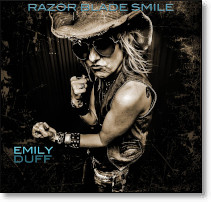
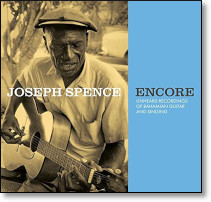
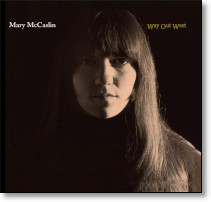
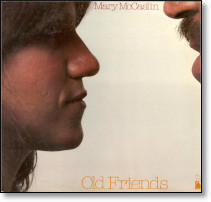
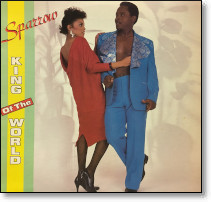
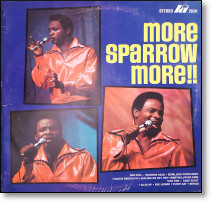
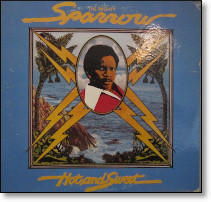
That leaves two albums unheard: Mach-Hommy's HBO (Haitian Body Odor), and Star Feminine Band. I replayed Mach-Hommy's Pray for Haiti, but left my grade unchanged. (Needless to say, all this was before Haiti was wracked by another earthquake, soon followed by a tropical storm.) I cheated a bit in building a playlist for the Ace Directions in Music compilation (substituted a Miles Davis take of a Wayne Shorter song for the latter's own Super Nova version). The swap almost certainly didn't hurt the album, but not having the booklet, I'm missing the compiler's explanation for his choices, not least why he talks about the emergence of "electric jazz" instead of "fusion." Either way, it wasn't much of a "new age of jazz" -- which isn't to say that no new and interesting things were happening then, just that they are poorly represented in this compilation. This week's "old music" continued my scan through the list of albums Christgau graded but I hadn't. My fault I went so deep into 1960s Manfred Mann -- just a personal itch I had to scratch. On the other hand, I barely touched Sparrow -- surprised to find so much on Napster. Next up: Youssou N'Dour, but most of what I missed is pretty hard to find. Seems like I've been neglecting my new promo queue, but only 5 records there have been released (3 just this week). August is always a lax month, which is part of the reason I've been slipping. I should probably write something on Afghanistan, but I don't see much urgency at the moment. (E.g., this relatively sane Aug. 13 article still thinks "a possible Taliban capture of Kabul itself could be a matter of months, perhaps even weeks.") I, too, didn't expect the Taliban to take over so quickly and completely. After all, the Soviet-backed regime held out three years after the withdrawal of Russian troops, and the 1990s Taliban never quite consolidated control before the US intervened. That suggests several things, of which the least well documented in the possibility that today's Taliban may be much more skillful politically than the old one was. The most striking thing about the current sweep is that most towns have been taken over without fighting, and we haven't seen anything like the massacres that occurred in the 1990s when the Taliban conquered cities like Herat. This suggests that the Taliban have much more popular support (or at least tolerance) than we have been led to believe. It also underscores how ready the mercenary army stood up by the US and NATO were to switch sides. That means that any effort by the US to re-impose order will have to start from scratch. Given that degree of failure after 20 years, that should be a sobering thought. Needless to say, a lot of neocon idiots are piling on Biden for "losing Afghanistan." That makes for seductive rhetoric, but there's no reality to it. The venture was doomed from the start, both because we didn't care about (let alone understand) the Afghans, and because we didn't understand (let alone care about) ourselves. New records reviewed this week: Emily Duff: Razor Blade Smile (2021, Mr. Mudshow Music): Singer-songwriter from New York, fourth album since 2017, surprised to find she doesn't have a Wikipedia page, also that producer Eric Ambel has both a personal one and a separate discography page (as well as the expected pages for his groups, the Yayhoos and the Del-Lords). A- Rodney Jordan & Christian Fabian: Conversations (2019 [2021], Spicerack): Bass duets, Jordan's first album as leader but he has side credits back to 1997, notably with René Marie. Fabian is from Sweden, grew up in Germany, studied at Berklee, wound up in New York, has several albums. B+(**) [cd] Nas: King's Disease II (2021, Mass Appeal): Thirteenth studio album, sequel to his 2020 album. Nothing especially striking, but steady as it goes. After all, "We been doing gangsta shit for a long time." B+(*) Pearring Sound: Socially Distanced Duos (2020 [2021], self-released): Alto saxophonist Jeff Pearring, has a previous album from 2016, recorded these duos with a notable list of musicians: "these shared musical moments tell the story of the complex state of being brought about by the numerous events of 2020." B+(***) [cd] Recent reissues, compilations, and vault discoveries: Gyedu-Blay Ambolley: Simigwa (1975 [2018], Mr. Bongo): Highlife musician from Ghana, reissue of what seems to be his first album, although the eclectic mix of styles -- not lest a substantial shot of funk and a nod toward hip-hop -- strikes me as postmodern. B+(***) Directions in Music: 1969 to 1973: Miles Davis, His Musicians and the Birth of a New Age of Jazz (1969-73 [2021], BGP): Surveys the turn to fusion, for which Miles Davis broke up his famous 1964-69 Quintet, then cycled through most of the roster here, breaking artistic ground while filling arenas. His followers did less on both counts -- aside from Keith Jarrett, who reverted to acoustic piano and achieved stardom on his own terms. While the others sold a fair number of records, their "new age" quickly lost interest. Two vocals make you wonder why they're here, not that either is without interest. B+(**) Amy Rigby: A One Way Ticket to My Life (1987-97 [2019], Southern Domestic): Nineteen demos, the best a trial run for her brilliant debut album, the rest engaging and enticing but not quite as sharp as her songwriting became over the following decades. B+(***) [bc] Joseph Spence: Encore: Unheard Recordings of Bahamian Guitar and Singing (1965 [2021], Smithsonian/Folkways): One of the few major artists from the Bahamas (1910-84), folk singer, guitarist, his 1958 Folkways recordings the standard this offers an encore to. Off-kilter, redeemed by gospel spirit. A- Old music: Emily Duff: Maybe in the Morning (2017, Mod Prom): New York singer-songwriter, preferred genre rockabilly, first album, appeals immediately. B+(***) [bc] Emily Duff: Hallelujah Hello (2019, Mr. Mudshow Music): A bit more drama, a lot more religion, which cuts back on the rockabilly spirit. "I'm going down, like my mother did, in a puff of smoke and alcohol." B+(**) [bc] Manfred Mann: The Five Faces of Manfred Mann (1964, HMV): Brit Invasion group, had a few big hits, starting with "Do Wah Diddy Diddy" and "Sha La La," neither present on the UK version of this debut album. (As with other BI groups, the UK and US albums were different, and the UK version is the one I'm finding.) Led by South African keyboardist Manfred Lubovitz, who took exile in 1961, and used Manne (for jazz drummer Shelly) as his stage name -- the label shortened it, leading to a long series of Mann puns. Five original songs by singer Paul Jones, three with Mann. The nine covers were mostly blues, starting with "Smokestack Lightning" and ending with "Bring It to Jerome." B+(*) Manfred Mann: Mann Made (1965, HMV): UK/US releases match, but Canadian slipped a single in. Nothing very appealing here. C+ Manfred Mann: Mann Made Hits (1964-66 [1966], HMV): "Doo Wah Diddy Diddy" still sounds great, "Sha La La" sounds like a silly sequel, "Pretty Flamingo" I'm not so sure about, three more top-ten UK singles (including the lesser of two Dylans) are long forgotten, the others just weirdly scattered, as the band started to fall apart. B Manfred Mann: The Best of Manfred Mann: The Definitive Collection (1963-66 [1992], EMI): With 25 cuts plus a bit of "Group Interview," more than anyone really needs from their early hit-making period. B Manfred Mann: As Is (1966, Fontana): New label, Paul Jones and Mike Vickers departed, Michael D'Abo and Klaus Voormann arrived, ten originals with drummer Mike Hugg's name on most of them, covers of Johnny Mercer ("Autumn Leaves") and Bob Dylan ("Just Like a Woman"). By the way, HMV answered with the 4-cut EP As Was, credited to Manfred Mann With Paul Jones. B Manfred Mann: Chapter Two: The Best of the Fontana Years (1966-69 [1994], Fontana/Chronicles): I haven't found a Chapter One, which presumably would be populated with for their EMI-controlled 1964-66 hits (and misses). With Mike D'Abo singing, their second period dropped their blues roots, smoothed out their rough edges, but rarely offered hit material -- the Dylan-penned "Mighty Quinn" appears here, but not much more of interest. B- Manfred Mann: Hit Mann! The Essential Singles 1963-1969 (1963-69 [2008], Raven): Finally, a generous compilation (28 songs) that bridges the group's two "chapters," the early one on EMI with Paul Jones and the later one on Fontana with Mike D'Abo. The split is about right (19-to-9), all the memorable singles are present, and they get "Do Wah Diddy Diddy" out of the way first. Beyond that, they even present with a recognizable sound, which is rarely clear from the albums. Not an especially important group, but this finally gets them right. B+(**) Manfred Mann's Earth Band: Glorified Magnified (1972, Polydor): The keyboardist's fourth venture featured guitarist-singer Mick Rogers as his significant other. Their eponymous 1972 debut, Manfred Mann's Earth Band, picked out catchy tunes and gave them a great deal of resonance. The tunes fall short on this second album, except for the Dylan cover. B+(*) Manfred Mann's Earth Band: Get Your Rocks Off (1973, Polydor): Third album, released in UK at Messin', re-ordered with John Prine's "Pretty Good" replacing "Black and Blue" (from the Australian group Chain, supposedly thinking that Americans might find a song about slavery "unsuitable"). The UK title song was written by former bandmate Mike Hugg, the American one by Dylan, and the closing cover by Dr. John. B+(**) Manfred Mann's Earth Band: Messin' (1973 [1998], Cohesion): Reissue of the originally ordered UK album, plus two bonus tracks: "Pretty Good" (from the US Get Your Rocks Off release), and a single edit of "Cloudy Eyes." B+(**) Thomas Mapfumo & the Blacks Unlimited: Mr. Music (1985, Earthworks): The chimurenga giant of Zimbabwe, his music (like his country) splitting the distance between Congo and South Africa. Five songs, 36:38. B+(***) Mary McCaslin: Way Out West (1973, Philo): Folk singer, second album, first of a series through 1978 on Philo -- I recommend her 1992 compilation, Things We Said Today: The Best of Mary McCaslin, which taps this album for five songs, and doesn't grab all the good ones. A- Mary McCaslin: Prairie in the Sky (1975, Philo): Continues to play up the western in "country and," including a memorable take on "Ghost Riders in the Sky." B+(***) Mary McCaslin: Old Friends (1977, Philo): Original title song plus nine covers, most cut against her grain, exceptional nonetheless, gently hooked by banjo and voice. A- Mary McCaslin: Broken Promises (1994, Philo): After a decade in the business, she seems to have given up, only to stage this minor comeback after her 1992 best-of re-introduced her. Fewer covers, so fewer hooks. B+(**) Mary McCaslin: Better Late Than Never (2006, Mary McCaslin Music): One more record, audibly older, couldn't be simpler, which works for me just fine. B+(***) The Mekons: F.U.N. '90 (1990, A&M, EP): Six tracks, 28:30, reportedly covers, more obviously loops in samples, with some kind of electronica background. B+(*) Harold Melvin & the Blue Notes: Collector's Item: All Their Greatest Hits (1972-75 [1976], Philadelphia International): Now remembered, much to the nominal leader's chagrin, as Teddy Pendergrass' original group. They recorded four albums before Pendergrass left, and this first-generation best-of picks their four R&B chart toppers, three more top-tens, and one extra album cut ("Be for Real"). This is great every time "Wake Up Everybody" comes around, but then I start to nitpick. I have two later, longer best-ofs at B+. Concentration helps, but still has limits. B+(***) Harold Melvin & the Blue Notes Featuring Teddy Pendergrass: Blue Notes & Ballads (1972-75 [1998], Epic/Legacy): In the intervening years, Harold Melvin became a footnote to Teddy Pendergrass, whose name is on the masthead for marketing reasons -- were it simply focus, why includes two Sharon Paige leads? And why include three songs already on Collector's Item? Aside from that the filler runs a little thin. B+(*) The Mighty Clouds of Joy: It's Time (1974, ABC/Dunhill): Gospel group, formed in Los Angeles in 1959, recorded for Peacock from 1963-72, made their commercial move here, produced by Dave Crawford and recorded in Philadelphia. Crawford wrote 8 (of 9) songs, with occasional allusion to but scant mention of God. B+(***) [yt] The Mighty Clouds of Joy: The Best of the Mighty Clouds of Joy Volume 2 [20th Century Masters: The Millennium Collection] (2005-10 [2016], Motown Gospel): Discogs has no entry for a Volume 1, which could have usefully covered their 1974-77 secular albums on ABC, or their earlier (1963-72 on Peacock) or later (1980-83 on Myrrh) gospel periods. Nor do they have source info for these 10 songs, but they are clearly live, and all appear on three 2005-10 EMI albums (In the House of the Lord: Live in Houston; Movin'; and At the Revival). By then, only Joe Ligon (d. 2016) remained from the original group. B [Mighty] Sparrow: King of the World (1984, B's): Slinger Francisco, born in Grenada but moved to Trinidad when he was one, started performing as Little Sparrow and before long became Mighty Sparrow. The four poorly annotated volumes on Ice mark him as the greatest of all calypsonians: I recommend them all, as well as the early First Flight (1957-59), and don't doubt that much of what they missed is still worthwhile. But before those compilations started appearing in 1993, this (the 53rd album in his Discogs list) was the first one Christgau reviewed (while recommending two others even higher, More Sparrow More!! and Hot and Sweet -- the cover is so familiar I must have once had a copy, but didn't get it into my database. "Soca Man" shows he can do the beat without letting it define him. The wordier cuts are where he shines. A- Mighty Sparrow: More Sparrow More!! (1969, Ra): I'm not prepared for a deep dive here, but couldn't resist the opportunity to play this one, namechecked in the Christgau review of King of the World. I'm also not inclined to cross check the titles here against the Ice compilations, but if I haven't heard "Sparrow Dead" and "60 Million Frenchmen" before I got cheated. On the other hand, I'm pretty sure I hadn't heard "Martin Luther King" before ("segregation must be destroyed"), so I got cheated anyway. Fine print: "Acc. by Conrad Little and his Big Band." A- Mighty Sparrow: Hot and Sweet (1974, Warner Bros.): Starts off with another version of "Dead Sparrow," so there may well be many, but this one is, if anything, even livelier. Keeps coming, too. A- Nas: God's Son (2002, Columbia): Rapper Nasir Jones, father a blues/jazz guitarist known as Olu Dara, made a big splash with his 1994 debut Illmatic. Sixth studio album. Don't think he's right about "I Can," but the album looks up from there. B+(**) Nas: Untitled (2008, Def Jam): Ninth studio album, looks like it could be eponymous but seems like the more descriptive non-title has stuck -- evidently the original idea was to go with the most overused word here, but cooler heads prevailed. "Black President" dates this precisely, but too much else hasn't aged at all. While I'd quibble, "Fried Chicken" is mouth-watering. A- Unpacking: Found in the mail last week:
Ask a question, or send a comment. Monday, August 9, 2021 Music Week
Music: Current count 356001 [35949] rated (+52), 220 [212] unrated (+8). I've had a miserable week. I suppose that's reflected in the high rated count, inasmuch as I didn't feel up to doing anything else. (Well, I did hack out a Speaking of Which, which as far as I can tell elicited zero interest, not even a "like" on Twitter, so did it really happen?) Woke up this morning with blurry eyes. I can barely see to type this. Note that the number of rated records inched over the 36,000 line. Actually came up one short Sunday night, but Monday morning I moved a couple albums up to get it over with. Midweek I was having a terrible time trying to figure out what to listen to next. Chris Monsen came to the rescue, with his 50 fave new music releases a bit past 2021s midway point. About a third were records I hadn't heard, so I scrambled to catch up. My unheard list is down to 2 now: William Parker's 10-CD Migration of Silence Into and Out of the Tone World, and Anthony Braxton's 13-CD Quintet (Standards) 2020. Both are probably brilliant. Parker's 8-CD Wood Flute Songs: Anthology/Live 2006-2012 is a full A, as is Braxton's 4-CD 20 Standards (Quartet) 2003, with his previous 4-CD 23 Standards (Quartet) 2003 rated just a shade lower. Still, way too much music to try to digest streaming. Two more albums from Monsen's list show up below in "limited sampling": a category for records that are only partially available online, not enough to grade but roughly sorted as prospects. Good chance the new Punkt. Vrt. Plastik album (a piano trio with Kaja Draksler) is as good as its predecessor. Intakt's Bandcamp only offers a cut or two, and only about half of their albums this year are on Napster -- three of those on my A-list (Aki Takase, Irène Schweizer, Silke Eberhard). I also gave three of Monsen's "music of the spheres" picks another spin. (The fourth, James Brandon Lewis' Jesup Wagon, is already high on my A-list.) But I didn't find much reason to change my grades. I also checked out some of Eva Mendoza's earlier records, since Monsen regards her as the selling point to Parker's Mayan Space Station. My top-four (see list above) are: East Axis, Sons of Kemet, Lewis, and Barry Altschul, unless you count Anthony Joseph. Before diving into Monsen's list, I returned to my checklist of records Robert Christgau has graded that I haven't heard. When I found Taj Mahal's Maestro available, I started digging deeper. There was some question whether I should bother with the early best-ofs, given that they've since been supplanted by more comprehensive ones. The first was a Christgau A-, and the second evinced some evolution in thinking about his canon, but in both I wound up referring to the 2000 The Best of Taj Mahal. In the end, I decided to substitute its cover scan for the other two. Manhattans came next, then (if/when I continue) Manfred Mann. Couple quasi-political notes (maybe including them here will spare us another Speaking of Which): My wife was pretty upset by Barack Obama's 60th birthday bash. As I noted in a comment to her Facebook rant, Obama now ranks 12th on Wikipedia's List of presidents of the United States by net worth, behind Bill Clinton (9th) and just ahead of GW Bush (13th). Those are certainly the top three in terms of cashing in on their "public service," more a sign of the times than of their personal greed. Bush started well ahead of the other two, but his business career was almost as inept as his presidency, with most of his wealth coming from his share as front man for the Texas Rangers, which was actually owned by much richer Texans. Clinton and Obama started out poor, but worked their way through elite colleges through a combination of obsequieousness and talent. As politicians they excelled at raising money, and in office they excelled at delivering wealth and power to their patrons. It's natural that they should aspire to belong to the class they had served so diligently. Still, Obama's extravagant party looks like one of those classic nouveau riche foibles, a case of excessive display to show the world he's arrived. Also to show that anyone who still thinks he's a community organizer (let alone a Mau-Mau) is dead wrong. But even if he is the living embodiment of "the American dream," he is a mere exception, not disproving the rule but reminding us how difficult it is for anyone less willing to prostrate themselves to the people who run the country, the ones a previous Democratic president dubbed "the malefactors of great wealth." (Note that FDR is down to number 10 on the Wikipedia list, just below Clinton.) I should probably write something about Michele L Norris: Germany faced its horrible past. Can we do the same? I suspect the answer is no, and I'm not sure it's worth the trouble. I haven't read anything on Germany's de-Nazification process comparable to John Dower's book on postwar Japan, Embracing Defeat, but my impression is that the Germans simply didn't want to speak of their Nazi past, until the 1960s when you started seeing a bit of introspection (e.g., in the plays of Rolf Hochhuth and Peter Weiss). And really, it doesn't matter if you simply forget the past, and move on, trying to live better in the present. Israel's obsession with never forgetting the Holocaust hasn't done it, or anyone else, much good. Indeed, the persistence of the past has kept Israelis (and their morror-image Palestinians) locked in perpetual struggle over past wrongs, continuously added to). What we do need to do is stop lying about the past, and stop looking for a romanticized version of the past that justifies present inequality. Approaching the end of Steve Benen's The Impostors: How Repubicans Quit Governing and Seized American Politics. Next chapter is called "It's Like These Guys Take Pride in Being Ignorant." Indeed. Good book. Of course, he can't resist using Trump for examples, but all of his "post-policy" complaints are shown to have deeper roots and broader support in the Republican party. I still don't think "post-policy" has the right tone to it. Closer to the mark would be "nihilist." New records reviewed this week: Joshua Abrams/Chad Taylor: Mind Maintenance (2021, Drag City): Most sources are already taking the album title as group name, but as the actual artist names on the covers, I think I'm parsing this right. Abrams (normally a bassist) plays guimbri, while Taylor (drummer) plays mbira, I doubt for the first time. Minimalist patterns with a slight tonal shift. B+(***) Altin Gün: Yol (2021, ATO): Dutch band, founded by bassist Jasper Verhulst, draws on Turkish folk music -- singers are Erdinc Ecevit Yildiz and Merve Dasdemir -- with funk rhythms and psychedelic overtones. Third album. Nice beat, despite foreign language, doesn't feel all that exotic. B+(**) Miguel Ângelo Quarteto: Dança Dos Desastrados (2021, self-released): Portuguese bassist, several albums, group includes João Guimarães (alto sax), Joaquim Rodrigues (piano), and Marcos Cavaleiro (drums). B+(**) [bc] Bleachers: Take the Sadness Out of Saturday Night (2021, RCA): Jack Antonoff's group, third album since 2014, albums have sold well but he's probably better known as a songwriter and/or producer for Taylor Swift, Lorde, and Lana Del Rey. Obviously has some skills, but for some reason they work better when employed by someone interesting. B+(*) Dr. Mike Bogle: Let There Be Light (2021, MBP/Groove): Plays keyboards and trombone, UNT graduate, managed the One O'Clock Lab Band for a few years, got a Grammy nomination in 1992 for arranging. Unclear on his discography, but seems to have two previous Trio albums, at least. Not exactly pop jazz, but I get the feeling he'd settle for that. B [cd] Wayne Coniglio & Scott Whitfield: Faster Friends (2021, Summit): Two trombonists, backed by piano-bass-drums, with some guest spots. Relationship goes back to Whitfield's Jazz Orchestra East (2004-05), and includes a 2014 album together. Three Coniglio tunes, bunch of standards. B [cd] Jack Cooper/Jeff Tobias: Tributaries (2021, Astral Spirits): No info available, unfortunate given that Discogs lists 10 Jack Coopers, but doesn't have this album. I have Jack Cooper (7) in my database, but this one appears to be the unnumbered Jack Cooper: based in England, has one previous album under his own name, plus several groups, like Modern Nature (5 albums, saxophonist Tobias in the group) and Ultimate Painting (5 more albums, a duo with James Hoare). Cooper's instrument seems to be guitar, picking out patterns with the sax trailing along. Might be more interesting if I wasn't also trying to figure out all this, but marginal in any case. B [dl] Dominican Jazz Project: Desde Lejos (2020-21 [2021], Summit): Started with pianist Stephen Anderson toured the Dominican Republic in 2014, hooking up with local musicians like Guillo Carias (clavietta) and Guy Frómeta (drums), and others. They released an album in 2016, and followed up here in a Covid paste-up project. Sandy Gabriel distinguishes himself on sax. I could do without the vocal. B+(*) [cd] Falkner Evans: Invisible Words (2021, CAP): Pianist, originally from Tulsa, moved to New York in 1985, debut 2001. Solo, dedicated to his late wife, a suicide last may. Measured, methodical, more than a little poignant. B+(**) [cd] [08-13] Orrin Evans: The Magic of Now (2021, Smoke Sessions): Pianist, debut 1995, quartet with Immanuel Wilkins (tenor sax), Vicente Archer (bass), and Bill Stewart (drums). Wilkins impresses again. B+(***) Fire!: Defeat (2019-20 [2021], Rune Grammofon): Norwegian group, since 2009, occasionally expanding to Orchestra weight, but most often a trio -- Mats Gustafsson (flute/baritone sax), Johan Berthling (electric bass), and Andreas Werlin (drums) -- here adding Goran Kajfes (trumpet) and Mats Ålekint (trombone/sousaphone). Starts with flute, which at least contains Gustafsson's tendencies to excess, although he later switches to bari and sticks mostly within the groove, letting the other horns provide the highlights. A- Michael Foster/Ben Bennett: Contractions (2019 [2021], Astral Spirits): Saxophone and drums duo. Discogs lists 16 albums by Foster since 2013, 6 of those with Bennett, all but one of the rest collaborations with multiple credits. A bit of squawk-and-bash, but interesting for such. [On the other hand, hit reject on last track.] B+(**) [dl] Frode Gjerstad Trio + 1: Forgotten City (2018 [2020], PNL): Norwegian alto saxophonist, first appeared in Detail c. 1983, 20+ trio albums, twice that is other configurations. The "+ 1" here is a second bassist, Øyvind Storesund, along with regulars Jon Rune Strøm and Paal Nilssen-Love (although Storesund has played in the trio before). Leader also plays clarinet and alto flute, further softening the edge. B+(*) [bc] Devin Gray: Melt All the Guns (2019 [2021], Rataplan): Drummer, composed five pieces (19:17), with Ralph Alessi (trumpet) and Angelica Sanchez (piano) listed on slug line after title. B+(**) [bc] Koma Saxo: Live (2019 [2021], We Jazz): Swedish bassist Petter Eldh, formed this three-saxophone (Otis Sandsjö, Jonas Kullhammar, Mikko Innanen) group for his Koma Saxo album, kept the group name. With Christian Lillinger (drums). Develops a circus-like atmosphere. B+(***) Marthe Lea Band: Asura (2020 [2021], Motvind): Norwegian tenor saxophonist, also credited with flute, piano, guitar, voice, udu, percussion. Group adds clarinet, violin, bass, and drums. Leans hard on violin-signified folk music, builds playfully, but I'm more interested when the sax breaks out. B+(*) Lean Left: Medemer (2018 [2020], PNL): Group formed in 2008 as The Ex Guitars Meet Nilssen-Love/Vandermark Duo, and they've met up regularly since then -- this is their sixth album. The former are Terrie Hessels and Andy Moor, guitarists in the Dutch post-punk group The Ex. The latter, Norwegian drummer Paal Nilssen-Love (from The Thing) and Chicago saxophonist Ken Vandermark, recorded their first duo album in 2002 (Dual Pleasure), with many more since. I haven't heard much by Vandermark over the last few years. (He's been as prolific as ever, but his Catalytic Sound Bandcamp only offers bits of albums.) But he sounds great here, pushed on by the guitar ferment, and a terrific drummer. A- [bc] Michael Mantler: Coda: Orchestra Suites (2019-20 [2021], ECM): Trumpet player, from Vienna, best known for his work with Carla Bley when he was her second husband. Has always had a hankering to go long and orchestral, which he indulges here -- not something I've enjoyed in the past, but this sails along enjoyably. B+(**) Sibusiso Mash Mashiloane: Ihubo Labomdabu (2021, Unlocked Keys): South African jazz pianist, has a handful of albums since 2016. Seems to be solo, straight and thoughtful, although the cover depicts a full band. B+(*) Calle Neumann/Ketil Gutvik/Ingebrigt Håker Flaten/Paal Nilssen-Love: New Dance (2020 [2021], PNL): Alto sax, guitar, bass, drums. Live concert set. Neumann has been around, with one record going back to 1972, side credits with Jan Garbarek, Terje Rypdal, Arild Andersen, and their mentor George Russell. This group was convened to celebrate the 5-CD box set release of The Quintet: Events 1998-1999, a group with Neumann, Gutvik, and Nilssen-Love. B+(***) [bc] Caroline Parke: Pause and Pine (2021, self-released): Canadian cowgirl, lives on a ranch in Alberta, second album, knows a thing or two about raising cattle, growing wheat, running a farm house, and Marty Robbins. B+(*) Part Chimp: Drool (2021, Wrong Speed): English noise rock/sludge metal group, formed in 2000, not a niche I'm interested in but the sheets of sound cloak a beat so lumbering that they're tolerable on structure alone. B [bc] Riders Against the Storm: Flowers for the Living (2021, Divide and Conjure): Husband-and-wife hip-hop duo, Chaka and Qi, releases back to 2010 (with a 2014-19 gap). Short album, 8 tracks, 29:31. Bits of global funk and old school bounce that has me thinking Sugarhill Gang. B+(***) [bc] Aksel Rønning Trio: ART (2019 [2021], Øra Fonogram): Norwegian saxophonist, backed by bass and drums, first album, not the guy who plays drums in Rønnings Jazzmaskin. Straight ahead, like his tone and balance. B+(***) Claire Rousay: A Softer Focus (2021, American Dream): From San Antonio, electronic music, "field recordings for a modern world." Discogs credits her with 18 albums in just a couple years (from 2019). Ambient, perhaps something, hard to tell. B Tine Surel Lange: Works for Listening 1-10 (2021, Sofa Music): Norwegian composer, debut album (CV lists various "works" going back to 2013), "a series of spatial electro-acoustic works . . . made in 5th order ambisonics." B+(**) [bc] Arne Torvik Trio: Northwestern Songs (2019 [2021], Losen): Norwegian pianist, has a previous album from 2016, drops down to trio here with bass and drums. B+(**) Young Pilgrims: We're Young Pilgrims (2021, Stoney Lane): From Birmingham (UK), "young brass band brimming with jazz-rock energy," unmoored from trad jazz formula, not that they've found much to replace it. B- [bc] Recent reissues, compilations, and vault discoveries: Roy Brooks: Understanding (1970 [2021], Reel-to-Real, 2CD): Drummer (1938-2005), from Detroit, not a lot as leader but quite a few side credits -- starting in 1960 with Blue Mitchell, Sonny Red, Horace Silver, and Buddy Tate. Previously unreleased live date from Baltimore with Woody Shaw (trumpet), Carlos Garnett (tenor sax), Harold Mabern (piano), and Cecil McBee (bass). Five cuts stretch out past 20 minutes each, one to 32:25, and most are blistering. Or, as McBee puts it, "the music was trying to express the excitement of arriving at social justice." B+(***) Carl Magnus Neumann/Christian Reim Quartet: Molde International Jazz Festival 1976 (1976 [2021], Jazzaggression): Norwegian group, leaders play alto sax and piano, backed with bass (Bjørn Kjellemyr) and drums (Ole Jacob Hansen). Back cover abbreviates the leader names for space, but they're obscure enough. Reim wrote five (of six) songs, the other "The Man I Love." B+(***) Christian Reim Sextet: Mona Lisa (1973 [2021], Jazzaggression): Norwegian pianist, b. 1945, not much discography, but this live recording of a "post-bop extravaganza in 6 parts" is expertly paced, with lots of punch: two saxophones (Carl Magnus Neumann and Knut Riisnaes), trumpet (Ditlef Eckhoff), bass, and drums. A- The Rough Guide to the Roots of Jazz (1918-30 [2021], World Music Network): Twenty-six songs, offers a fairly comprehensive survey of jazz in the 1920s, including most of the big names, and a number of classic songs. Old music: Billy Bang: Outline No. 12 (1982 [1983], Celluloid): Conduction by Butch Morris, three pieces by the leader, with three violinists (Bang, Jason Hwang, Joseph Hailes), four reed players (Frank Lowe, Charles Tyler, Henri Warner, David Murray), vibes, bass, two percussionists. [Reissued 2017 by Bill Laswell.] B+(**) [bc] Brown Sugar: I'm in Love With a Dreadlocks: Brown Sugar and the Birth of Lovers Rock 1977-80 (1977-80 [2018], Soul Jazz): British reggae vocal group, three women. Caron Wheeler had a brief fling at fame in the early 1990s (both solo and in Soul II Soul), as did Kofi (Carol Simms), although less memorably. B Taj Mahal: The Taj Mahal Anthology: Volume 1 (1968-71 [1977], Columbia): First generation best-of, selected so perfectly the same ten songs reappear in order to open 2000's canonical 17-track The Best of Taj Mahal (the one you should start with), with nine early on 2005's 2-CD The Essential Taj Mahal. Most of these were inspired covers, his theme lifted from Goffin & King and made his own: "Come with me . . . and take a giant step outside your mind." They didn't release the expected Volume 2. Not that they didn't have more songs to work with, but they never wanted to give up these ten. A Taj Mahal: Recycling the Blues & Other Related Stuff (1972, Columbia): First side is lives, which is cheap for the artist but doesn't offer the listener much. Second side offers four new songs, most marvelously "Cakewalk Into Town." B+(*) Taj Mahal: Ooh So Good 'N Blues (1973, Columbia): Blues revivalist Henry St. Claire Fredericks Jr., five years into a long career. A few obscurities, at least one of his own making, but he also takes songs you know ("Frankie and Albert," "Dust My Broom," "Built for Comfort") and throws them for weird curves. A- Taj Mahal: The Hidden Treasures of Taj Mahal 1969-1973 (1969-73 [2021], Columbia/Legacy, 2CD): Previously unreleased. One disc of trivial from his earliest and most fertile period, often living up to the billing. The big song where is "You Ain't No Street Walker Mama, Honey But I Do Love the Way You Strut Your Stuff." A second live disc from Royal Albert Hall in 1970. B+(***) Taj Mahal: The Best of Taj Mahal (1968-74 [1981], Columbia): Second-generation best-of, swaps out four "must have" songs for four others -- good ones, with "Cakewalk Into Town" and "Chevrolet" top tier. "Volume 1" appears on the label, but not on the cover. Later reissued in "Collector's Choice" packaging. Still, The Best of Taj Mahal you want is the 2000 CD. A- Taj Mahal: An Evening of Acoustic Music (1993 [1994], Tradition & Moderne): Live radio shot from Radio Bremen, mostly solo guitar and voice, with Howard Johnson (tuba/penny whistle) dropping in for the last five tracks. B+(***) Taj Mahal: Best of the Private Years (1993-97 [2000], Private Music): Mahal became one of Peter Baumann's "artist re-development" projects, recording five albums for the label, only the middle three represented here. Leans toward eclectic covers, which sound good less for his added value than for starting out great. B+(*) Taj Mahal & the Phantom Blues Band: Shoutin' in Key: Live (1998 [2000], Hannibal): Band took its name from the 1996 Phantom Blues album. Opens with 6:19 of instrumental "Honky Tonk," before the singer enters with his usual far-ranging blues repertoire. B+(*) Taj Mahal: Maestro (2008, Heads Up): He reccorded steadily from 1969-78, mostly for Columbia, briefly for Warners, starting in gentle country blues and picking up bits from the rest of the African diaspora, then struggled to find a label in the 1980s before picking up again in the 1990s, less consistently. He rebounds here, mostly because he's found his blues mojo again -- but he's picked up a lot of tricks and tics along the way. A- Manhattans: Greatest Hits (1973-80 [1980], Columbia): R&B vocal group from New Jersey, had some hits during their 1973-86 run at Columbia, but most before this mid-term best-of appeared (with two new songs projected as hits, one eventually charted). B+(**) Manhattans: Kiss and Say Goodbye: The Best of the Manhattans (1973-85 [1995], Columbia/Legacy): Long-running vocal group, founded in 1962, continued at least through 2008, lot of minor hits (45 charted) but only a couple big ones (the title song here, and "Shining Star"). This picks 19 songs from 11 albums, which is probably more than enough, but the mid-tempo or slower love songs (losing it as often as not) flow so effortlessly there's no need to quibble. B+(***) Ava Mendoza: Shadow Stories (2010, Resipiscent): Guitarist, from Brooklyn, first album, solo, four originals, six covers, drawing on blues, folk, and country, relatively straight, although elsewhere she gets fairly deep into the noise weeds. B+(*) [bc] Ava Mendoza/Dominique Leone/Nick Tamburro: Unnatural Ways (2015, New Atlantis): Guitarist, from Brooklyn, featured on William Parker's new Mayan Space Station, has an underground reputation that previously escaped me. With keyboards and drums. Vocals head back to rock, but her guitar isn't that tethered. B+(*) Ava Mendoza's Unnatural Ways: The Paranoia Party (2019, Sleeping Giant Glossolalia): Guitar trio, with Tim Dahl (bass) and Sam Ospovat (drums). With vocals, closer in spirit and tone to noise rock, although the timing wanders and the landscape is stocked with absurdities. I can imagine being impressed, but I just find it painful. B- [bc] Ava Mendoza/Vijay Anderson/Stephen Gauci: Studio Sessions Vol. 4 (2019, Gaucimusic, EP): Guitar, drums, tenor sax -- the common denominator in this series, yielding top billing to the other lead instrumentalist. 6 tracks, 19:26. B+(**) [bc] Pulnoc: Pulnoc (1990 [1991], Globus International): First official album, released after the collapse of the Communist regime in Czechoslovakia. The Velvets influence is strong, rhythm as much as anything else, with more adventurous guitar. Michaela Nemcova sings, less deadpan than Nico. Don't know about what, but seems perfectly at home. A [dl] Riders Against the Storm: Riders Against the Storm (2013, self-released, EP): Self-titled EP, seemed like the place to look back for background, but had I started at the bottom of the list I would have found Speak the Truth, a full-length album billed as "a culmination of the past four years of RAS' journey through life, love, struggle, and music." First revelation here was that they seemed to start less in hip-hop than in cosmic mantras. Then they busted some rhymes on "Ghetto People." Five songs, 18:16. B+(*) [bc] Riders Against the Storm: Speak the Truth (2010, self-released): Abbreviated RAS, first album, seems likely that more than just Chaka and Qi and the feat. guests are involved here. Twelve songs, three skits, most old school hip-hop, although the closing "Energy" is a dance anthem. B+(**) [bc] Virunga: Feet on Fire (1991, Stern's Africa): Samba Mapangala, born 1955 in Congo, one of the main musicians to introduce soukous to Kenya and Tanzania, named his band after a volcano. He sings and wrote 6 (of 7) songs here, but his name doesn't appear on the masthead. Not a masterpiece, but the scent is redolent of East Africa's Guitar Paradise. B+(***) Further Sampling: Records I played parts of, but not enough to grade: -- means no interest, - not bad but not a prospect, + some chance, ++ likely prospect. Mark Feldman: Sounding Point (2020 [2021], Intakt): Violin solo, some overdubs. [bc: 2/8] Fred Frith/Ikue Mori: A Mountain Doesn't Know It's Tall (2015 [2021], Intakt): Guitarist, credits "various toys and objects," and laptop electronics. [bc: 4/15] + Alexander Hawkins: Togetherness Music: For Sixteen Musicians (2020 [2021], Intakt): British pianist, feat. Evan Parker + Riot Ensemble. [bc: 2/6]: + Christopher Hoffman: Asp Nimbus (2020 [2021], Out of Your Head): Cello, with Bryan Carrott on vibes, plus bass and drums. [bc: 3/8]: + Punkt. Vrt. Plastik [Kaja Draksler/Petter Eldh/Christian Lillinger]: Somit (2020 [2021], Intakt): Second album by piano-bass-drums trio, assumes title of first as group name. [bc: 2/13] ++ Unpacking: Found in the mail last week:
Ask a question, or send a comment. Monday, August 2, 2021 Music Week
Music: Current count 35949 [35900] rated (+49), 212 [210] unrated (+2). Only one A-list album by closing time Thursday -- The Locals Play the Music of Anthony Braxton, which had me hooked less than a minute in -- but Phil Overeem came to the rescue. Three of this week's A-list albums came from his list (although I may have gotten to Dave before reading his list), as well as several high HMs. Dan Weiss opened an "open grade" thread on Friday's Billie Eilish album. I never bother with articles on "most anticipated albums," but it's fair to say Eilish's would have topped most critics' lists. I gave it two plays, looked at a Tom Breihan review in Stereogum, and played all the videos there. Unusual move for me, something I last did for Taylor Swift last year, and before that -- well, can't remember. Videos didn't help, and the album struck me as slack and uneven, although a few songs registered nonetheless. My initial grade was B+(***), as I noted there. I played it a couple more times since, and also replayed Eilish's first album -- a high A- that wound up my number one non-jazz album of 2019. Part of my thinking was that perhaps I should bump it up to A, which would make it easier to give the new one an A-. What happened was the old one didn't get any better -- indeed, my reservations about the new one would have been as valid there -- and the new one has, if anything, more compelling songs. Most of Weiss' commenters liked the album a lot, and Weiss seemed to like it more as the thread unwound. I ended my comment with "Moving on to Dave now." Which I did, and got there a bit faster (as I did for his 2019 album, Psychodrama). Los Lobos and Prince were also Friday releases. The old music section is background for recent albums, with John Hiatt continued from last week, plus Brad Mehldau, Freddie Redd, and Jaleel Shaw. Redd died earlier this year, and the only things I had by him were two brilliant releases from 1960. I've heard all of Mehldau's early Warners releases, but had missed his earlier FSNTs. And although it seems like I've run into Shaw a lot, I didn't have any of his own albums in my ratings database. The other piece of "old music" is the Pulnoc. Joe Yanosik, in his A Consumer Guide to the Plastic People of the Universe, reports that Pulnoc's Live at P.S. 122 will finally get an official release in 2022. I recall having a cassette of Robert Christgau's top-rated album of 1989, but didn't get it into my database, so I begged a CDR copy, and didn't feel like waiting until real product appeared. I figured I'd have to go without a cover scan, but found this YouTube artwork, and synthesized my own fake cover from it. Not as great as remembered, but it was quite an eye-opener at the time. Mike Hull's film, Betrayal at Attica, is streaming now at HBO Max. Here's a link (not sure if it's the best one). [PS: Here's the official movie website, and the archive. Mike talks about the making of the film with Jason Bailey on their Fun City Cinema podcast (seems to be locked up on Patreon, but you can find the audio here -- no idea why, but I had to restart it and scroll forward every 5 minutes or so, 42:02 in all). New records reviewed this week: BaianaSystem: OXEAXEEXU (2021, Maquina De Louco): Brazilian group, founded in Bahia in 2019, group name a nod to Bahian guitar and Jamaica sound systems. Elements of rock, rap, dub. B+(***) Dave: We're All Alone in This Together (2021, Neighbourhood): British rapper David Omoregie, born in Brixton, parents Nigerian, second album. His stardom leaves him alone but constantly connected to the binds of race and class, the common condition that informs his brilliant title. A- Billie Eilish: Happier Than Ever (2021, Interscope): Second album, still a teenager (though I'm not sure she ever was), produced by her brother Finneas O'Connell, reducing her budget to slack DIY beats. Nothing here grabs he like her debut, but lots of things hint at her appeal, not to say genius, even if her charms are decidedly cerebral. B+(***) Alvin Fielder/David Drove/Jason Jackson/Damon Smith: The Very Cup of Trembling (2016 [2021], Astral Spirits): Drummer (1935-2019), from Mississippi, moved to Chicago, played with Sun Ra, charter AACM member, returned to Mississippi but continued to play in groups with Joel Futterman and/or Kidd Jordan. Others play trombone, tenor/baritone sax, and bass. B+(***) [dl] [08-13] Graham Haynes vs Submerged: Echolocation (2020 [2021], Burning Ambulance): Cornet player, son of drummer Roy Haynes, scattered albums since 1989, here with electronics by Kurt Gluck -- a Brooklyn DJ, with albums going back to a Bill Laswell collaboration in 2004. The combination recalls Nils Petter Molvaer's jazztronica, but the beats have more industrial and hip-hop overtones. A- [bc] Alan Jackson: Where Have You Gone (2021, EMI Nashville): Country singer-songwriter, called his 1987 debut New Traditional, exemplified that genre through twenty more albums. Six years since his previous album is by far the longest gap in his discography. Long (82:52), mostly originals, covers from Lefty Frizzell and Merle Haggard. "I got my boots/ I got my hat/ I'm bringing country back." B+(***) Alexey Kruglov/Carolyn Hume/Paul May/Oleg Yudanov: Last Train From Narvskaya (2019 [2021], Leo): Russian alto saxophonist, several dozen albums since 2002, surprise I've heard virtually nothing by him before. Quartet with piano, drums, percussion. B+(*) Joachim Kühn: Touch the Light (2021, ACT): German pianist, many albums since 1969, takes it easy with a solo one, 13 widely scattered songs, each nice and simple. Most touching for me was "Redemption Song." B+(***) Jeff Lederer/Sunwatcher: Eightfold Path (2020 [2021], Little(i)Music): Tenor saxophonist, reunited the quartet from his 2011 album Sunwatcher: Jamie Saft (organ/piano), Steve Swallow (bass), Matt Wilson (drums). Impressive outside player, sometimes a little unsteady. B+(**) [09-03] Gianni Lenoci: A Few Steps Beyond (2019 [2021], Amirani): Italian pianist, died at 56 in 2019, this his "very last concert - live at Talos Festival 2019." Solo, two pieces each by Carla Bley and Ornette Coleman. B+(*) Les Filles De Illighadad: At Pioneer Works (2021, Sahel Sounds): Touareg group named for their home town in remote central Niger, third album. Saharan groove and chant, strong and clear but not all that exceptional. B+(**) [bc] Lord Huron: Long Lost (2021, Republic): Indie band from Los Angeles, principally Ben Schneider, fourth album since 2012. Slouching toward ambiance. B Los Lobos: Native Sons (2021, New West): Band introduced itself in 1978 as Del Este de Los Angeles, came up with one new song this time, contextualized with a dozen covers drawing on other Los Angeles bands, from Buffalo Springfield and the Beach Boys to War and the Blasters, including a couple of their Hispanic specialties. B+(*) L'Rain: Fatigue (2021, Mexican Summer): Taja Cheek, "experimentalist and multi-instrumentalist," from Brooklyn, second album. B+(*) [bc] Charlie Marie: Ramble On (2021, self-released): Singer-songwriter, moved from Rhode Island to Nashville to focus on "classic country." First album, after a couple of EPs. B+(**) Brad Mehldau/Orpheus Chamber Orchestra: Variations on a Melancholy Theme (2013 [2021], Nonesuch): Piece was commissioned in 2011, and performed in 2013, but not clear whether this is that or something else. Then, as now, Orpheus is a going concern at Carnegie Hall, a small classical orchestra -- I haven't found a credits list, but count 27 heads in a (probably recent) photo. B Hedvig Mollestad Trio: Ding Dong. You're Dead. (2021, Rune Grammofon): Norwegian guitar-bass-drums trio, with Ellen Brekken on bass (wrote 2 of 7 songs) and Ivar Loe Bjørnstad on drums; seventh group album since 2011. B+(***) Kassa Overall: Shades of Flu 2: In These Odd Times (2021, Flu Note): Remixes of 14 jazz pieces, ranging from Ahmad Jamal to Kris Davis, by the drummer-sometime-rapper, with various guests spliced in. Takes a while to start to kick in, not sure it ever really does. B [bc] Ivo Perelman/Gordon Grdina/Hamin Honari: The Purity of Desire (2020 [2021], Not Two): Tenor saxophonist, trio with oud and percussion (mostly tombak and daf). B+(***) Portico Quartet: Terrain (2021, Gondwana): English "modern instrumental music" group, dozen albums since 2006, originally distinguished by use of the Chinese hang, which now plays a minor role, behind the sax and keyboards that are Jack Wyllie's domain. B+(*) Freddie Redd: Reminiscing (2013 [2021], Bleebop): Pianist, died in March at 92, didn't record a lot, but shared a 1955 piano album with Hampton Hawes, peaked with two A-list albums on Blue Note in 1960 (Music From "The Connection" and Shades of Redd), and wound up with a pair of 2015-16 albums on Steeplechase I haven't heard. This is a bit earlier, with Brad Linde (tenor sax), Michael Formanek (bass), and Matt Wilson (drums). Feels engagingly retro, reminding me more of Teddy Wilson than of the beboppers of Redd's generation. Or maybe with nothing else to prove, they're just having fun. B+(***) [bc] Jaleel Shaw: Echoes (2021, self-released): Alto saxophonist, from Philadelphia, studied at Berklee, debut 2005. Lockdown exercises, most short pattern pieces, nice. B+(**) Matthew Shipp/Whit Dickey: Reels (2019 [2021], Burning Ambulance): Piano/drums duo, long-time collaborators. B+(***) [bc] Gary Smulyan/Ronnie Cuber: Tough Baritones (2021, SteepleChase): Two veteran baritone saxophonists, backed by piano (Gary Versace), bass (Jay Anderson), and drums (Jason Tiemann). Tough isn't the word that comes to mind. Steeped in bebop, they still swing. B+(***) The Spirit of the Beehive: Entertainment, Death (2021, Saddle Creek): Psych rock group from Philadelphia, band name from a 1973 Spanish film directed by Victor Erice (El Espiritu de la Colmena). Fourth album since 2021. I'm usually instantly turned off by this kind of pretentious pastiche, with bits of tune snipped apart and scattered like confetti. This one was amusing enough it took a while. B Trak Trak: Sur Sur (2020, Ciclismo): Argentinian singer-songwriter Romina Schenone and a band that looks suspiciously German, play intense dance music that draws on cumbia and reggaeton. A vigorous workout, very catchy. A- Recent reissues, compilations, and vault discoveries: Guillermo Gregorio/Damon Smith/Jerome Bryerton: Room of the Present (2007-08 [2021], Fundacja Sluchaj): Clarinet player from Argentina but long based in Chicago, started around 1963, still active. Backed with bass and drums. B+(*) [bc] The J Ann C Trio: At Tan-Tar-A (1966 [2021], Modern Harmonic/Sundazed): Covers band, recorded this album at a resort in the Ozarks. Ann Delrene sings and plays electric bass, with Jerry Dugan (drums) and Carl Russell (guitar). Two Hank Williams songs anchor the LP sides, each followed by an instrumental, then four scattered surprises, ranging from "Hey Bo Diddley" to "Moon River" and (less successfully) "Girl From Ipanema" to "If I Had a Hammer." B+(***) Prince: Welcome 2 America (2010 [2021], NPG/Legacy): Another posthumous album, recorded during the artist's "Welcome 2 America" tour. Album was recorded in Spring before 20Ten was released in July. The latter album picked up material as far back as 2006, and wasn't followed up until 2014. Not prime material, with the one non-Prince song (Dave Pirner's "Stand Up and B Strong") the one that grabbed my attention. B+(*) Pat Thomas: The Locals Play the Music of Anthony Braxton (2006 [2021], Discus Music): British avant-pianist, took six pieces and sharpened the angles, giving them a more playful beat than we had any right to expect. With clarinet (Alex Ward), electric guitar (Evan Thomas), electric bass (Dominic Lash), and drums (Darren Hasson-Davis). Album could be attributed to The Locals, but group doesn't seem to have anything beyond this album. A- [bc] Old music: John Hiatt: Y'All Caught?: The Ones That Got Away 1979-1985 (1979-85 [1989], Geffen): Best-of limited to five MCA and Geffen albums, two I have at A- (Slug Line and Riding With the King), three well below that, compiled after he finally started selling some on A&M. B+(***) John Hiatt: Perfectly Good Guitar (1993, A&M): Comes down hard on anyone who disrespects their guitar. Even if they do nothing special with it. B+(*) John Hiatt: The Best of John Hiatt [20th Century Masters: The Millennium Collection] (1983-93 [2003], A&M): Twelve songs, one predates his 1987-93 tenure with A&M, four from Bring the Family. Probably better than any of the constituent albums, but not by much. B+(*) John Hiatt: Crossing Muddy Waters (2000, Vanguard): More of a folk label, so he accommodates by hiring a couple of bluegrass musicians -- Davey Faragher (bass guitar/tambourine) and David Immerglück (slide & 12 string guitar/mandolin) -- and ditching the drummer. Got him a Grammy nomination for Best Contemporary Folk Album. B+(**) John Hiatt: The Tiki Bar Is Open (2001, Vanguard): Second album for label, back to his (somewhat weird) normal. Enjoy the long instrumental outro on "Farther Stars." B+(***) John Hiatt & the Goners: Beneath This Gruff Exterior (2003, New West): Long-time Nashville denizen lands on Nashville's premier alt-country label. Seems inevitable. First step was to give his Sonny Landreth-led band a name. And no problems with the occasional dip into rockabilly. As for the songwriting: "I do my best thinking/ sitting on my ass." B+(***) John Hiatt: Master of Disaster (2005, New West): Produced by Jim Dickinson with his band, North Mississippi Allstars, helping out, plotting a return to the blues. B+(**) John Hiatt: Mystic Pinball (2012, New West): Hits some kind of sweet spot: at 39, his highest charting album ever, but at this late date almost certainly not his best-selling. Pretty much his average album, flawless enough no one can complain, or get excited. B+(**) Brad Mehldau/Mario Rossy/Perico Sambeat/Jordi Rossy: New York-Barcelona Crossing (1993 [1997], Fresh Sound New Talent): Piano/bass/alto sax/drums, recorded in Barcelona a couple years before Introducing Brad Mehldau, but released later. Mostly standards, with one original each by Sambeat and Mario Rossy. B+(**) Brad Mehldau/Mario Rossy/Perico Sambeat/Jordi Rossy: New York-Barcelona Crossing: Volumen 2 (1993 [1998], Fresh Sound New Talent): Seven more pieces from the same date, all standards. B+(**) Mehldau & Rossy Trio: When I Fall in Love (1993 [1994], Fresh Sound New Talent): Piano trio, Brad Mehldau with brothers Mario and Jordi Rossy (bass and drums). Starts with a fairly dazzling "Anthropoogy." Looks like the first Mehldau album released. B+(**) Pulnoc: Live at P.S. 122 (1989, bootleg): Czech rock group, certifiable Velvet Underground fans, released a good album on Arista in 1991, a few more in Europe -- for full details, see Joe Yanosik's A Consumer Guide to the Plastic People of the Universe. A bit earlier, Robert Christgau flagged this bootleg tape as his top album of 1989. Someone gave me a cassette, but it never showed up in my database. Reports are this will finally be released on 2-CD next year, but life's short, so I figured I should go ahead and mention it now. A- [cdr] Freddie Redd/Hampton Hawes: Piano East/Piano West (1952-55 [1985], Prestige/OJC): Two pianists, packaged together: starts with a 1952 Hawes quartet session (8 tracks, 21:20), with Larry Bunker on vibes, then tacks on Redd's 1955 debut trio (4 tracks, 20:07). Not an inspired match, but it moves the fast, boppish pieces up front, then relaxes a bit. B+(*) Freddy Redd Trio: San Francisco Suite: For Jazz Trio (1957 (1990), Riverside/OJC): Starts with the 13:36 title suite, in five movements. Winds up a half-dozen pieces (three original, three standards). B+(**) Freddie Redd: Redd's Blues (1961 [2002], Blue Note): With Benny Bailey (trumpet), Jackie McLean (alto sax), and Tina Brooks (tenor sax). Session sat on the shelf until 1999, when it came out in Japan. B+(*) Freddie Redd: Music for You (2014 [2025], SteepleChase): First album since 1991, but still spry at 87, in a trio with Jay Anderson and Billy Drummond, playing one of his songs and a batch of standards. Nothing spectacular, but nice. B+(**) Freddie Redd: With Due Respect (2014-15 [2016], SteepleChase): This looks to be his last album, his trio from the previous album plus some horns: John Mosca (trombone), Chris Byars (alto sax/flute), and Stefano Doglioni (bass clarinet). Give Byars a lot of credit here. B+(***) Jaleel Shaw: Perspective (2005, Fresh Sound New Talent): Alto saxophonist, first album. Originals, one by guitarist Lage Lund, plus a nod to Coltrane. With Lund, Robert Glasper (piano), Vicente Archer (bass), and Johnathan Blake (drums), plus Mark Turner (tenor sax) on two tracks. B+(***) Jaleel Shaw: Optimism (2007 [2008], Changu): Second album; Glasper, Lund, and Blake return, Joe Martin on bass and more guest spots. B+(*) Unpacking: Found in the mail last week:
Ask a question, or send a comment. Monday, July 26, 2021 Music Week
Music: Current count 35900 [35855] rated (+45), 210 [212] unrated (-2). Did my cutoff Sunday evening, while I was in the middle of looking at older, missed John Hiatt albums, so while tempted to move the rest forward to keep them together, expect them next week. One thing I did notice after the review was that one of the more memorable songs on the new one appeared on an old album. Good chance of more recycled songs, which may contribute to the relative high quality here. When I've noticed, Hiatt's New West albums have been pretty good. I gave an A- to his Here to Stay: Best of 2000-2012, and to Terms of My Surrender (2014), as well as the new one. I mentioned below seeing Hiatt in his native habitat, but maybe I should expand on that story. Shortly after I started writing for the Village Voice, Robert Christgau send me Hiatt's first two albums. He wound up grading them B, but he must have suspected that I might get into them and write something interesting. Didn't happen, at least not in time, but eventually they clicked for me: a solid A- for Hangin' Around the Observatory, and an A for Overcoats (on my all-time list; for a review see my Terminal Zone spotlight reviews -- there's also a review there of Hirth From Earth, another B+ oddity Christgau sent me, which led to me reviewing Hirth Martinez's second album). I was back in Wichita at the time, having retreated from St. Louis after I got sick and lost my job. One of my closest St. Louis friends had moved to Washington, D.C., and wanted me to join his commune. I agreed. He flew to Wichita, and we drove back to D.C., with stops in St. Louis and Indianapolis, where another St. Louis friend -- one of my major music mentors -- had returned after graduating college. He knew I liked Hiatt, and found him performing in a suburban bar, so we checked him out. He was solo, playing guitar and some keyboard, songs from the two albums I by then knew inside and out. The albums had band arrangements, but the songs were even more striking in their stark immediacy. D.C. turned out to be a bust. I got sick again, returned to Wichita, floundered a while, eventually got a job, saved some money, and (after an exploratory trip) decided to move to New York. Don Malcolm and I published Terminal Zone in the interrim, but I was disappointed in the lack of interest we received in New York. It was a rude introduction to the vagaries of commerce, and I didn't handle it well -- may be one reason why I still regard making money as a piss poor excuse to do anything. (Malcolm went on to publish a second TZ, and maybe a third, without me.) I wrote a few reviews for the Voice, but never got around to Hiatt. John Piccarella, a freelancer I most admired, pitched a Hiatt piece, but he got stuck with Hiatt's first mediocre album, Warming Up to the Ice Age (kind of like I got stuck with a wobbly BTO album for my debut). After that, I lost interest, and didn't bother with his well-received A&M albums. But he's still around, and holding up better than most. One cluster of new records this week is a bunch of Astral Spirits downloads. I get a lot more download links and offers than I follow up on, but there were a couple there I felt I should try to listen to, and wound up downloading the whole stack. The East Axis promotion comes after receiving a CD. I had a pretty good idea that's where it would wind up after reviewing it off Napster (you can also hear it complete on Bandcamp). The Bill Evans and Roy Hargrove/Mulgrew Miller 2-CD sets were most likely helped by having physical packages, which allowed me to spread out my attention (as well as to see the booklets, although my eyes don't encourage close study). I don't consciously favor CDs over downloads or streams, but sometimes it works out that way. I'm likely to have a short "Speaking of Which" later this week. Got a couple things I want to get off my chest. I'm half way through the Michael Lewis Premonition book. I'm not the least bit inclined to rehabilitate the legacy of GW Bush, but at least he allowed at least some public servants to do their job. Meanwhile, Laura is playing the audible of Michael Wolff's Landslide. It's a "fish starts to rot at the head" story, with everyone close to Trump increasingly implicated. I've seen scattered speculation about how much worse shape we'd be in if we had a Trumpian leader who was actually competent, but I wonder if incompetence isn't something that endears Trump to his followers. New records reviewed this week: [Ahmed]: Nights on Saturn (Communication) (2019 [2021], Astral Spirits): Tribute to bassist Ahmed Abdul-Malik (1927-93), born Jonathan Tim Jr. in Brooklyn, recorded some of the first American jazz albums to look to Africa and the Middle East, starting with Jazz Sahara in 1958. British quartet: Pat Thomas (piano), Joel Grip (bass), Antonin Gerbal (drums), Seymour Wright (alto sax). One 41:47 piece, taken from a 1961 album, plus an 8:25 "sample" (the bit you can hear on Bandcamp). Much edgier than the original, which captures the spirit. A- [dl] Michaël Attias/Simon Nabatov: Brooklyn Mischiefs (2014 [2021], Leo): Alto sax and piano, recorded in Brooklyn, four joint pieces plus a Herbie Nichols medley. B+(**) Mandy Barnett: Every Star Above (2019 [2021], BMG): Standards singer, strong voice, slotted as country because she started out in a Patsy Cline revival, intends this as a tribute to Billie Holiday and her penultimate Lady in Satin album, selecting 10 (of 12) songs, set to similar maudlin strings. Picking on Holiday's worst album lowers the bar enough Barnett can clear it, but it's hard to see why. At least she doesn't try on Holiday's tone or phrasing -- impossible on a good day, or even on her death bed. B Olie Brice/Binker Golding/Henry Kaiser/N.O. Moore/Eddie Prévost: The Secret Handshake With Danger: Vol. One (2020 [2021], 577): Recorded in London, British bassist, saxophone star, two guitars, drums. B+(*) Eric Church: Heart (2021, EMI Nashville): The first of three short albums, released separately a few days apart, one "available exclusively to members of Church's official fan group, the Church Choir", although I've seen art work that combines them into a single product: Heart & Soul (24 songs, 85:47). This one is 9 songs, 31:24. Solid start toward a pretty good album. B+(**) Eric Church: Soul (2021, EMI Nashville): Third album, skipping the unavailable &, 9 more songs, 31:21. Well, maybe not so good? B+(*) Clairo: Sling (2021, Fader/Republic): Singer-songwriter Claire Cottrill, second album, rather reserved. B+(*) Harold Danko: Spring Garden (2019 [2021], SteepleChase): Pianist, 30+ albums since 1974, early side-credits include Chet Baker and Lee Konitz. Original compositions, with Rich Perry (tenor sax), bass, and drums. B+(**) Joel Frahm: The Bright Side (2021, Anzic): Tenor/soprano saxophonist, from Wisconsin, based in New York, albums since 1999, but mostly side-credits. Trio with bass (Dan Loomis) and drums (Ernesto Cervini). B+(**) Frisque Concordance: Distinct Machinery (2017-18 [2021], Random Acoustics, 2CD): Free jazz group, recorded one previous album in 1992. Common to both are Georg Graewe (piano) and John Butcher (tenor/soprano sax), joined here by Wilbert de Joode (bass) and Mark Sanders (drums). First disc is studio, second live, both recorded in Vienna. The pianist, in particular, is full of surprises. A- Rob Frye: Exoplanet (2021, Astral Spirits): Plays woodwinds and synthesizer, third album, also plays in various groups like the Bitchin Bajas. With Ben Lamar Gay on cornet, more synths and electronics, more drums, violin on three tracks, voice on two. Engaging groove with occasional spaciness. B+(***) [dl] Rhiannon Giddens With Francesco Turrisi: They're Calling Me Home (2021, Nonesuch): Former Carolina Chocolate Drops singer, plays violin and banjo, went on her own in 2015, moved to Ireland, formed a partnership there with Italian multi-instrumentalist Turrisi, second album together. The old songs are the most striking, especially "O Death." A couple in Italian are possibly older, but resonate less. B+(***) Mats Gustafsson/Joachim Nordwall: Shadows of Tomorrow/The Brain Produces Electric Waves (2019-20 [2021], Astral Spirits, EP): Actually, 7-inch single, with radio-friendly lengths of 3:50 and 3:46, not that you should expect to hear them broadcast. Both Swedish, Nordwall seems to be some kind of electro-acoustical sound producer. They did an album together in 2017 where the saxophonist was credited simply with "blowing stuff." He's toned that down to heavy breathing here. Not bad, but much to it. B [dl] John Hiatt With the Jerry Douglas Band: Leftover Feelings (2021, New West): Singer-songwriter from Indianapolis -- I remember seeing him play solo in a bar there -- settled in Nashville, with 24 albums since 1974. Douglas is a bluegrass guy, and his band swings gently, getting by without a drummer. The unrushed atmosphere suits Hiatt, whose voice has moderated without losing its distinctness. Also, the songs are full of memorable images and turns of phrase. [PS: Didn't check, but found at least one leftover song: "All the Lilacs in Ohio," from The Tiki Bar Is Open -- best song there, and one of the better ones here.] A- Dylan Hicks: Accidental Birds (2021, Soft Launch): Singer-songwriter from Minneapolis, literate enough he's turned out a couple novels. First few songs are captivating enough, but I found myself paying less attention as the record continued, pleasantly. B+(**) Rocco John Iacovone/Phil Sirois/Tom Cabrera: Synchronics (2021, Unseen Rain): Sax-bass-drums trio, the leader playing tenor, alto, soprano, and bass clarinet. Another slow-developing pandemic project. B+(**) Jaubi: Nafs at Peace (2021, Astigmatic): Pakistani instrumental quartet, exploring "eastern mysticism and the spiritual self [Nafs]." Starts calmly, not unlike Orüj Güvenç's Ocean of Remembrance, but doesn't stay in that groove as they move from Lahore to Oslo and pick up a couple of ringers, notably on towering saxophone. A- [bc] Khrysis: The Hour of Khrysis (2021, Jamla): Hip-hop producer Christopher Tyson, from North Carolina, half of the Away Team, raps some here. B+(**) Angélique Kidjo: Mother Nature (2021, Decca): Singer from Benin, based in France, 17th album since 1981, one of the most recognized African singers in the US, but I can't say as I've ever been much impressed. She's got beats, languages, beaucoup help -- 9 (of 13) songs here have featured guests. Did manage to jot one bit of lyric down: "feel the music/it's never dull." B Lost Girls: Menneskekollektivet (2021, Smalltown Supersound): Norwegian duo, Jenny Hval voice and lyrics spoken over guitar-tinged electronica by Hval and Håvard Holden. Five tracks, two run to 12:10 and 15:30, consciousness rising out of mesmerizing depths. A- Roscoe Mitchell/Mike Reed: The Ritual and the Dance (2015 [2021], Astral Spirits): Reeds and drums, the latter also credited with electronics. One 36:43 improv, plus a 16:08 "sample." Intense free jazz, but can be a bit shrill. B+(***) Liudas Mockunas/Arfvydad Kaziauskas: Purvs (2020 [2021], Jersika, 2LP): Saxophone duo, both playing a wide range, from sopranino to bass, and something called "keyless overtone." One disc is called "The Bog Sessions," the other "Live at the Peat Amphitheater." None of the LP sides runs less than 22:53, and I'm intimidated by the sheer weight of the vinyl. As for the music, the patterns and interaction are interesting when you can pay them close attention, but don't do much as background. B+(**) [lp] The Modern Jazz Trio With Jerry Bergonzi: Straight Gonz (2021, AMM): MJT is described as a "Nordic supergroup," but I can't find any other albums under that group name. The members are Carl Winther (piano), Johnny Åman (bass), and Anders Mogensen (bass), and they have played with tenor saxophonist Bergonzi before -- one source says this is their sixth album together, and I can account for three, going back to 2013. B+(**) Aaron Novik: Grounded (2020 [2021], Astral Spirits): Clarinet player (including bass and contrabass clarinets), "minimal effects," composed and recorded this during lockdown last year, much closer to minimalism than to jazz. B+(**) [dl] William Parker: Painter's Winter (2020 [2021], AUM Fidelity): Title a reference back to the bassist's 2000 album Painter's Spring, reconvening the same trio: Daniel Carter (trumpet, alto/tenor sax, clarinet, flute) and Hamid Drake (drums). Carter pokes around the edges, rarely taking charge, which is fine given how strong the bass lines are. A- William Parker: Mayan Space Station (2020 [2021], AUM Fidelity): Another trio, unlike anything in Parker's enormous catalog, as it features a guitarist (Ava Mendoza), with Gerald Cleaver on drums. Mendoza has a fair number of albums since 2013, including a similar trio led by William Hooker. Mendoza is impressive, someone I should look into further, but the fusion moves don't quite seem right here. [PS: Parker does have an earlier g-b-d trio with Raoul Björkenheim and Hamid Drake, DMG @ the Stone: Volume 2 (2008), but it's less of a fusion move.] B+(***) Powers/Rollin Duo: Strange Fortune (2021, Astral Spirits): Jen Powers (hammered dulcimer/autoharp) and Matthew J. Rolin (12-string guitar/chimes), half-dozen albums together since 2018. B+(*) [dl] Andrew Renfroe: Run in the Storm (2021, self-released): Guitarist, based in New York, officially his debut album after a 2020 EP (Dark Grey). Postbop, with alto sax (Braxton Cook), keyboards, bass, drums, "plus special guest Marquis Hill" (trumpet). B+(**) [cd] [08-27] Chris Schlarb/Chad Taylor: Time No Changes (2019 [2021], Astral Spirits/Big Ego): Guitarist, also plays keyboards, owns a studio and label in California, has a half-dozen albums I've usually filed as rock, in a duo here with the jazz drummer (and mbira player). B+(*) [dl] Alex Sipiagin: Upstream (2020 [2021], Posi-Tone): Russian trumpet player, moved to US in 1990, regular albums since 1998. Quartet with piano (Art Hirahara), bass (Boris Kozlov), and drums (Rudy Royston). Five pieces by the leader, two by Kozlov, one by Hirahara, one by Wayne Shorter. B+(*) Wadada Leo Smith/Douglas R. Ewart/Mike Reed: Sun Beans of Shimmering Light (2015 [2021], Astral Spirits): Trumpet, reeds (sopranino sax, bassoon, flute), and drums. Trumpet stands out early on. B+(***) [dl] Emma-Jean Thackray: Yellow (2021, Movementt/Warp): British trumpet player, "multi-instrumentalist" (no music credits here), after at least three EPs, this is billed as her debut album, "draws glowing lines between '70s jazz fusion, PFunk, the cosmic invocations of Sun Ra and Alice Coltrane." True enough, but less remarkable than you'd hope. B Chris Williams/Patrick Shiroishi: Sans Soleil (2021, Astral Spirits): Trumpet and sax duo, both playing a wide range of family instruments and other objects, bouncing scattered sounds off each other. The former has a couple records as Chris Ryan Williams, as opposed to the Australian Chris Williams who plays trupet and didgeridoo, and most likely others -- Discogs lists him as "Chris Williams (84). Shiroishi has a long list of marginal-looking albums going back to 2013. B+(*) Adrian Younge & Ali Shaheed Muhammad: Jazz Is Dead 7: João Donato (2021, Jazz Is Dead, EP): First three volumes listed Younge first, next three Muhammad, now back to Younge. They've been picking out a mix of jazz-funk oldsters and Brazilians to feature, and while these could be remixes they've all been made with living musicians: Donato is a pianist who started in the bossa nova era and is now 86, with a couple dozen albums under his name, and at least as many side-credits. Flirts with LP-length (9 tracks, 26:44). B+(**) Recent reissues, compilations, and vault discoveries: Roy Hargrove/Mulgrew Miller: In Harmony (2006-07 [2021], Resonance, 2CD): Trumpet and piano duo, two live shows a little more than a year apart. The artists seem a little young for this sort of archival dig -- Hargrove first appeared in 1988, and quickly became the trumpet star of the 1990s; Miller started in 1984 with Art Blakey, and while his own records were less popular, he spent the 1990s in Kenny Garrett's band, Hargrove's main rival for "next big thing" -- but both died young (49 for Hargrove, 57 for Miller), leaving their estates to pick through the remains. Aside from Blakey, Miller apprenticed with Woody Shaw and Betty Carter -- the latter an especially demanding leader. He always reminded me of McCoy Tyner (he even looked like Tyner), with flashes of Oscar Peterson to show off, making him an ideal accompanist, as well as someone who could spell the leader with a dazzling piano solo. Includes a big booklet, but it's mostly tributes from younger musicians who grew up in awe of these two. A- [cd] Rare.wavs Vol. 1 ([2021], Foreign Family Collective): American electronica label, founded by Harrison Mills and Clayton Knight of Odesza. Fifteen pieces by other artists, no dates -- I'm taking their word for obscurity, although Kasbo, Jai Wolf, Ford, Robotaki, possibly others have albums on the label (all that I've found since 2017). Nice variety, rare vocals don't hurt. B+(**) Shem Tupe/Justo Osala/Enos Okola: Guitar Music of Western Kenya: 45s From the Archive of Shem Tupe (1960s-70s [2021], Mississippi): Nine tracks, six with Tupe (aka Shem Tube, five list him first), eight with Osala (three first), six with Okola (none first), so at least one on each cut. The trio also recorded as Abana Ba Nasery. Falls short of Guitar Paradise of East Africa, but in its simpler way fills the same need. B+(***) [bc] Vernacular: The Little Bird (2003 [2021], Astral Spirits): Cleveland group, somewhere in the seam between jazz, blues, and agitprop, with Lawrence Daniel Caswell (bass and vocals), R.A. Washington (trumpet/percussion), and Chris Kulcsar (drums/guitar). Caswell's slightly better-known band was This Moment in Black History, which had one of the all-time great titles: It Takes a Nation of Assholes to Hold Us Back. Liner notes by Amiri Baraka. Ends with a 17:43 live jam with Black Ox Orkestar (not on the original release), which moves boldly into free jazz territory. B+(***) [dl] Old music: Ahmed Abdul-Malik: East Meets West (1959 [1960], RCA Victor): Second album (after Jazz Sahara), plays oud as well as bass, a mix of exotics and hard bop stars -- in Japan the album was credited to Lee Morgan and Benny Golson. Still, this date belongs to the oud, darabeka, kanoon, and violin. B+(*) Ahmed Abdul-Malik: The Music of Ahmed Abdul-Malik (1961, New Jazz): Bass and oud, less of an indulgence in middle easern music than the previous albums although the influence was still here, more tightly interwoven than before. With trumpet (Tommy Turrentine), tenor sax (Eric Dixon), clarinet, cello, and a young drummer named Andrew Cyrille. B+(***) John Hiatt: Bring the Family (1987, A&M): Eighth album, his first to chart, although my impression that this was his breakthrough hit is dashed by seeing it peaked at 107 -- four later albums (1993, 1995, 2012, 2014) edged into the top-50, peaking at 39 with Mystic Pinball. Band here had Ry Cooder (guitar), Nick Lowe (bass guitar), and Jim Keltner (drums) -- they also recorded an album as Little Village. B+(*) John Hiatt: The Eclipse Sessions (2017 [2018], New West): Recorded in Nashville "in August 2017 as the solar eclipse travelled across the U.S.," although I count more songs (6-5) recorded in October. B+(**) Biz Markie: I Need a Haircut (1991, Cold Chillin'): Rapper Marcel Hall, dead this year at 57, debut 1988, this was his third album, banned from the market by a federal judge for using an uncleared sample -- the judge was so prejudiced against him that he also referred Markie for criminal prosecution. What ticked plaintiff Gilbert O'Sullivan off was hearing that Markie's use of the sample is "humorous" -- more an affront to his self-conception than than a lost chance to cash in on Markie's added-value. (Of course, race had nothing to do with anything.) The immediate effect of the suit was explained in Markie's next title, All Samples Cleared. The long term effect was to reduce the use of samples, one way hip-hop expanded on popular culture. (Ample sample budgets is one advantage artists like Eminem and Kanye West have enjoyed.) B+(***) [yt] Biz Markie: Biz's Baddest Beats: The Best of Biz Markie (1987-94 [1994], Cold Chillin'): Leans heavily on his first album, filled out with singles, so "best" is subject to interpretation, but it doesn't skimp on the human beatbox, the old school boasts, not to mention the boogers and doo doo that were his trademark. B+(***) Grade (or other) changes: East Axis [Matthew Shipp/Allen Lowe/Gerald Cleaver/Kevin Ray]: Cool With That (2020 [2021], ESP-Disk): Piano, alto sax, drums, bass. Joint improv, artist order some approximation of fame, though Lowe is the commanding presence here. Cleaver defines "free jazz" as "many contexts and frames of reference held at once." You feel them in the space these artists maneuver through so deftly. [was: A-] A [cd] Unpacking: Found in the mail last week:
Ask a question, or send a comment. Monday, July 19, 2021 Music Week
Music: Current count 35855 [35803] rated (+52), 212 [212] unrated (+0). Lots of records below. Single biggest source of inspiration (by a large margin) was Phil Overeem's latest mid-year list. I think when the list came out there were 33 albums on it I hadn't heard. Down to 10 now, although at Phil's acquisition rate I may still be down 30. Played what I hadn't heard from Robert Christgau's July Consumer Guide, and revisited Sa-Roc (well, also Aesop Rock, but no change there). For what little it's worth, I still consider Sons of Kemet's Black to the Future to be a full-A album, and if that isn't all the Shabaka Hutchings you can handle, he plays his ass off on Anthony Joseph's The Rich Are Only Defeated When Running for Their Lives -- this year's other full-A album. (Well, there's also the Mingus at Carnegie Hall deluxe reissue, which is exactly what I was reminded of when the other saxophonists on Joseph's album weigh in.) The two Femenine recordings wound up with the same grade, but I think I slightly prefer the more ambient Sub Rosa version. I had them grouped together for a while, but alphabetical-by-artist order insisted. The Sub Rosa looks to be attributed directly to Eastman, but some time ago I decided to attribute classical music to the performer, not the (usually headline) composer (unless the composer is directly involved (as is often the case with recent works). I didn't manage to find Eastman's 1974 original, which would have been filed under his name. The extra image at the bottom is a down payment on next week's haul, and presented as a puzzle/teaser. I often find an A- record between when I cut off the old week and manage to get a post up, and it's tempting to move them up rather than hold them back. Last week I could have done the same with this week's Arlo Parks record. We finished streaming Line of Duty (Series 6) and Bosch (Season 7). I was a bit disappointed in the way both wrapped up, but they held our interest until then. Still have a fair number of Murdoch Mysteries and Midsomer Murders to go. Only thing I've cooked in the last week was a shrimp improv, designed mostly to use up aging ingredients. Started with a shallot, garlic, red bell pepper, preserved lemon peel, shrimp, green olives, capers, parsley, and gluten-free rotini, with various spices (paprika, cumin, thyme, salt & pepper) and butter and lemon juice. I was thinking of Shrimp Bittman, but not actually looking at the recipe. I need to go to the grocery store today or tomorrow, so I may get more ambitious. Hopes to entertain have been dashed the last several weeks, as various close friends have broken limbs, and we've had personal crises as well. I have made some progress on making the house safer for cripples: a new bathtub rail (anchored on tile), two new front porch rails, carpet strips on the stairs to the second floor, more grab bars and handles. Should be getting one last railing unit this week. As always, Max Stewart's help was invaluable. Locked out of the Wichita Eagle website today, and no way to get service on Sunday. It costs a fortune to read their crappy paper, and I'm about done with it. I'm nearly done with Tom Segev's big biography A State at Any Cost: The Life of David Ben-Gurion. After 816 pages, on top of 608 for Jack E Davis' The Gulf: The Making of an American Sea, I'm hoping for something a bit easier next. Michael Lewis' The Premonition: A Pandemic Story seems likely to fit that bill. Lewis' previous The Fifth Risk: Undoing Democracy remains one of the best exposés of the Trump years (even if it was written relatively early in Trump's term, and makes little direct reference to him). Patiently waiting on the shelf are more obviously political books I probably understand well enough already, like Adam Serwer's The Cruelty Is the Point: The Past, Present, and Future of Trump's America, and Steve Benen's The Impostors: How Republicans Quit Governing and Seized American Politics -- and shook it to death, or maybe we should invoke the line about drowning it in the bathtub? Make no mistake: when Grover Norquist talked about government, he meant democracy. Here's another link for the trailer to Mike Hull's documentary Betrayal at Attica, which will be streaming at HBO Max starting August 1. Very disappointed in the near total lack of feedback or even interest shown in last week's Speaking of Which. Probably the last one, at least for a while. Did make a bit of progress writing on memoir this weekend. Thanks to Joe Yanosik for sending me a copy of his book, A Consumer Guide to the Plastic People of the Universe. Thin but large format, lots of pictures, lots of records I had never heard of. Glad to see that Pulnoc's legendary Live at P.S. 122 is finally going to be available. I've long had a bootleg cassette of it, but without a cassette player I never got it into my database. (I also had a prejudice against bootlegs for not being genuine products, but the mixtape era messed that up.) New records reviewed this week: Snoh Aalegra: Temporary Highs in the Violet Skies (2021, ARTium/Roc Nation): R&B singer Shahrzad Fooladi, born in Sweden, parents Persian, third album. B+(*) Arooj Aftab: Vulture Prince (2021, New Amsterdam): Pakistani vocalist, studied at Berklee, based in New York since 2009, third album, rather atmospheric. B+(*) Alder Ego: III (2021, We Jazz): Title of Finnish drummer Joonas Leppänen's debut album (2017), adopted as quartet name for II and III. With trumpet (Tomi Nikku), tenor sax (Jamo Tikka), and bass (Nathan Francis). B+(**) [bc] The Armed: Ultrapop (2021, Sargent House): Detroit "anonymous hardcore punk collective," formed 2009, fourth album. Has all the murk of metal, but I've managed to keep the volume in check, which makes for tolerable anti-ambient chaos. Utility for that (if any) remains unclear. B Body Meπa: The Work Is Slow (2020 [2021], Hausu Mountain): Band name may finally force me to convert to UTF-8. After it happens, I may feel thankful, but right now the irritation factor is through the roof. How do you pronounce it? Or is part of the point that you shouldn't even try? I've seen it transliterated as "Mena" or "Metta" or "Meta" (which is what Bandcamp uses for their ASCII-limited domain name), but not (yet) the obvious "Mepa." No vocals, two guitars (Grey McMurray and Sasha Frere-Jones), bass (Melvin Gibbs), drums (Greg Fox) -- note famous rock critic in the mix (although SFJ has voted, very idiosyncratically, in the Jazz Critics Poll). Bandcamp tags suggest they think of this as rock-not-jazz, but after shopping around I filed it under jazz anyway (tagged "ambient fusion"): instrumental, some improv, suggests free even if not committed, I can think of a dozen-plus similar jazz guitar vibes -- mostly more adventurous and/or harsher/noisier, but that doesn't necessarily mean more coherent or listenable, even if the jazz-phobic don't make the connection. A- Cedric Burnside: I Be Trying (2021, Single Lock): Memphis blues singer/guitarist, son of R.L. Burnside, ninth album since 2006. B+(**) Matt Caflisch: Runaway (2020, Fat Oak): Minneapolis singer-songwriter, grew up in Eau Claire, first album after playing around 32 years. B+(*) Jonas Cambien Trio: Nature Hath Painted the Body (2021, Clean Feed): Belgian pianist (also organ on 2 tracks and soprano sax on 1), based in Oslo, with saxophonist André Roligheten (soprano, tenor, bass clarinet) and Andreas Wildhagen (drums). Title is from an Izaak Walton quote, the line ending with "of the fish with whitish, blackish, brownish spots." B+(**) Pedro Carneiro & Pedro Melo Alves: Bad Company (2021, Clean Feed): Portueguese duo, marimba ("with quarter tone extension") and drums ("prepared"). B+(*) [bc] Contour: Love Suite (2021, Good Question, EP): Vocalist, electronica producer, from South Carolina, sketches out a trip-hoppy alt-r&b, in eight brief tracks (19:01). B+(*) [bc] Simão Costa: Beat With Out Byte (2021, Cipsela): Portuguese pianist, has at least one previous album, solo here, subtitle "(Un)Learning Machine." Starts too soft for me to hear, ends loud and percussive, making a strong impression. B+(**) [cd] Desertion Trio: Numbers Maker (2019 [2021], Cuneiform): Guitarist Nick Millevoi, albums since 2011, recorded Desertion with a sextet in 2016, cuts the dead weight here, keeping Johnny DeBlase on electric bass and switching to Jason Nazary on drums. B+(***) [dl] Ensemble O/Aum Grand Ensemble: Julius Eastman: Femenine (2020 [2021], Sub Rosa): Most sources credit the composer (1940-90) for this version of his 1974 minimalism-and-more piece (71:13), with the group names relegated to the back cover. Together, they add up to 12 pieces plus voice, recorded in Brussels. B+(***) Danilo Gallo Dark Dry Tears: A View Through a Slot (2021, Clean Feed): Italian bassist, third group album, allegedly recorded in Nuuk, Grønland on February 30, 2077. Two saxophonists (Francesco Bigoni and Masimiliano Milesi), Jim Black on drums. B+(**) [bc] Garbage: No Gods No Masters (2021, Infectious Music, 2CD): Seventh album since 1995, one every 4-7 years since 2001. Home base for drummer/producer Butch Vig, fronted by Shirley Manson. Starts strong and true: "The men who rule the world/ have made a fucking mess." "Deluxe Edition" adds a second disc, starting with their impressive 2017 "No Horses" single, ending with the best song here ("Time Will Destroy Everything"), with some pleasing covers for filler. A- Justin Gerstin: Music for the Exploration of Elusive Phenomena (2020 [2021], Zabap Music): Percussionist, studied around the world, based in Vermont, fourth album, 12 songs, "recorded in a time of Covid by each musician at home," no one appearing on more than 6, but unified by the drums. Wanda Houston's initial array of sound bite quotes on "American History" is a highlight. B+(***) [cd] Rocio Giménez López/Luciana Bass/Fermin Suarez/Rosina Scampino: Reunion En La Granja (2019 [2021], Discos ICM): Argentinian quartet: piano, guitar, bass, drums. Mostly Ornette Coleman pieces, with one by Paul Motian, and a bit of Ayler paired with "Lonely Woman." B+(***) [bc] The Goon Sax: Mirror II (2021, Matador): Australian group, third album, nominally a trio (Louis Forster, James Harrison, Riley Jones), all sing and play multiple instruments, with Ross Walker producing and sometimes programming. The Go-Betweens are in their heritage (genetically for Forster), and I invariably like their most derivative/evocative work, but some of their fancier tics throw me. B+(**) Tee Grizzley: Built for Whatever (2021, 300 Entertainment/Atlantic): Detroit rapper Terry Wallace, third album. A bit gangsta for my taste, but beats and raps plenty sharp. B+(***) Grofo: Grofo (2020 [2021], Clean Feed): Portuguese quartet, led by Bernardo Tinoco (tenor sax), with João Almeida (trupet), João Fragoso (bass), and João Sousa (drums), 2-3 songs each. B+(**) Rocco John Iacovone/Tom Cabrera: Out of the Maelstrom (2020 [2021], Unseen Rain): Sax-and-drums duo, socially distanced, like many lockdown recordings, built up through the Internet. Rocco plays alto, tenor, soprano, and bass clarinet, and isn't in a hurry, what with the drums coming later. B+(**) Iceage: Seek Shelter (2021, Mexican Summer): Danish post-punk band, first EP 2009, fifth album. All original tracks, but feels like some kind of throwback, at least as long as it felt like anything at all. B Instant Composers Pool & Nieuw Amsterdams Peil: De Hondemepper (2018 [2020], ICP): Dutch groups: the former better known as ICP Orchestra, carrying on after the death (2017) of long-time leader Misha Mengelberg (Guus Janssen, a remarkable pianist in his own right, fills in); the latter a sextet with violin, cello, mandolin/panflute, bassoon, piano, and percussion. Mostly Mengelberg circus pieces, two conductions led by Tristan Honsinger, and old touchstones: pieces by Monk and Nichols. A- [bc] John Kruth: Love Letters From the Lazaretto (2020 [2021], self-released): Folk singer-songwriter, first album Banshee Mandolin in 1992, moved into world music (especially in TriBeCaStan), has written books on Rahsaan Roland Kirk, Roy Orbison, and Townes Van Zandt. Solo effort here, plays everything. B+(***) Low Cut Connie: Tough Cookies: The Best of the Quarantine Broadcasts (2020 [2021], Contender): Adam Weiner (piano/vocals) and Will Donnelly (guitar), from Philadelphia, streamed themselves playing covers twice weekly during the lockdown. They picked 23 from more than 500. I liked their first three albums a lot, then found my interest flagging. I'm sure glad I don't have to slog through the lot, but this sampler is short enough to be manageable, and weird enough to be interesting. B+(***) Lukah: Whe the Black Hand Touches You (2020 [2021], Raw Materials): Memphis rapper, second album, very little info on him, dispute over label and release date. B+(**) Róisín Murphy: Crooked Machine (2021, Skint): Irish electropop singer-songwriter, started in 1990s in trip hop duo Moloko, five studio albums since 2005, this counts as a remix of 2020's Róisin Machine. B+(*) Arlo Parks: Collapsed Into Sunbeams (2021, Transgressive): Semi-pop singer-songwriter from London, given name Anaïs Oluwatoyin Estelle Marinho, ancestors from Nigeria, Chad, and France, first album after two EPs. I, for one, find "Hope" remarkably reassuring, and less for the lyrics than for the music, something few others have been able to do (Stevie Wonder, I guess). I wouldn't have held it for the sixth single, but it probablly wouldn't have been my first pick either. A- Pom Pom Squad: Death of a Cheerleader (2021, City Slang): Brooklyn indie band, founded by singer-songwriter Mia Berrin, first album after a couple EPs. Curious covers: "Crimson & Clover," "This Couldn't Happen." B+(**) J. Peter Schwalm: Aufbruch (2021, RareNoise): Keyboards/electronics, duo with Markus Reuter (electronics/guitar), latter's name below the title. Dark, gloomy ambiance. Sophie Tassignon credited with vocals on two tracks. B+(*) [cdr] Skee Mask: Pool (2021, Ilian Tape): German DJ/producer Bryan Müller, singles since 2014, third album. Long, available digital and 3-LP but would fit comfortably on 2-CD (18 tracks, 103:14). Love the stutter rhyths with odd embellishments, the slower ones only a bit less. A- Luís Vicente Trio: Chanting in the Name Of (2021, Clean Feed): Portuguese trumpet player, heard a lot from him since 2013. Trio with bass (Gonçalo Almeida) and drums (Pedro Melo Alves), keeps him front and center. B+(**) [bc] Wau Wau Collectif: Yaral Sa Doom (2018 [2021], Sahel Sounds): I guess you could call these field recordings, made by Swedish "music archeologist and leftfield musician" Karl Jonas Winqvist, then doctored in Sweden, with bits from 20 musicians here and there. B [bc] Wild Up: Julius Eastman Vol. 1: Femenine (2021, New Amsterdam): Led by cellist Seth Parker Woods, handful of albums since 2014, I count 17 musicians plus voice, with less electronics and more horns than the Ensemble O/Aum Grand Ensemble version. More dramatic, not necessarily better. B+(***) Sarah Wilson: Kaleidoscope (2012 [2021], Brass Tonic): Trumpet player, also sings on less than half of these songs, based in Oakland, third album, sextet with Charles Burnham (violin), Myra Melford (piano), Matt Wilson (drums), guitar, and bass. B+(**) [cd] Recent reissues, compilations, and vault discoveries: Hasaan Ibn Ali: Metaphysics: The Lost Atlantic Album (1965 [2021], Omnivore): Pianist William Henry Langford Jr., from Philadelphia (1931-80), remembered (if at all) for an album released in 1965 under the drummer's name, The Max Roach Trio Featuring the Legendary Hasaan. Turns out that he recorded a second album for Atlantic, but it was shelved after Ibn Ali was imprisoned for drugs, and the master tapes were lost in a warehouse fire in 1978. A copy was discovered in 2017, so here it is: quartet with Odean Pope (his first session) on tenor sax, Art Davis (bass), and Kalil Madi (drums). Seven original pieces, plus three alternate takes. Pope is especially impressive, the bassist holds things together, and the pianist cuts against the grain, keeping it interesting. Feels like something that could have been released a decade later in Europe and taken as a sign that jazz still has the spark of life. A- Don Cherry: The Summer House Sessions (1968 [2021], Blank Forms Editions): Trumpet player, part of Ornette Coleman's legendary quartet, moved to Sweden, recorded this with two groups he had been working with, plus Turkish drummer Bulent Ates. Plays pocket trumpet here, with Tommy Koverhult and Bernt Rosengren on tenor sax, all three also playing flute. B+(*) Don Cherry's New Researches: Organic Music Theatre: Festival De Jazz De Chateauvallon 1972 (1972 [2021], Blank Forms Editions): Featuring Brazilian percussionist Naná Vasconcelos. Cherry plays piano, harmonium, tanpura, and sings, over exotic percussion with with Doudou Goulrand on soprano/alto sax. B+(*) Alice Coltrane: Live at the Berkeley Community Theater 1972 (1972 [2019], BCT): Detroit pianist Alice McLeod, played with Terry Pollard as a duo and in Terry Gibbs' quartet, met John Coltrane then and married him in 1965. Her spiritual focus sharpened after his death: "By 1972, she abandoned her secular life, and moved to California, where she established the Vedantic Center in 1975," and later the Shanti Anantam Ashram, and wound up only releasing cassettes to her followers. This is transitional, four long space jams. She plays harp, organ, and piano, wedged between the Charlie Haden-Ben Riley rhythm section and three South Asian musicians playing sarod, tabla, and tambura/percussion. The most recognizable pieces are "A Love Supreme" and "My Favorite Things." B+(**) [yt] Alice Coltrane: Kirtan: Turiya Sings (1981 [2021], Impulse!): "Functional music," meant as an aid to meditation, originally recorded to be distributed exclusively at her ashram during a period where she gave up commercial recording, but not music. The title change (the 1982 cassette was just Turiya Sings) reflects a reframing of the music, stripping it down to just voice and Wurlitzer organ. Not the sort of thing I'm inclined to like, but I take comfort in its becalming aura nonetheless. B+(***) Eyedea: Thirty Nine Lines (2001 [2021], Crushkill): Minneapolis rapper Micheal Larsen (1981-2020), with DJ Abilities (Eyedea & Abilities) released three 2001-09 albums on Rhymesayers. Thirteen freestyle raps, reminiscent of early Atmosphere. B+(**) [bc] Indaba Is ([2021], Brownswood): Eight tracks (64:39) by various South African musicians, none I recognize. Also don't quite recognize the township jazz this is supposedly an update on, although I'm familiar with most of the musicians name-checked in the notes. B+(*) Alan Lomax's American Patchwork (1978-83 [2021], Mississippi): Field recordings -- "miners, moonshiners, and Primitive Baptists in Kentucky; flat-footers, string bands, and Piedmont blues in North Carolina; Cajun cowboys, fiddlers, and zydeco stompers in French-speaking Louisiana; and fife-and-drum ensembles, gospel quartets, former railroad track-liners, levee-camp muleskinners, and players on the pre-war blues circuit in Mississippi -- from Lomax's last tour of the American South, selected from some 350 hours of tapes. B+(***) Nermin Niazi and Feisal Mosleh: Disco Se Aagay (1984 [2021], Discostan): Disco in Urdu, a "rediscovered synth-pop masterpiece," featuring the 14-year-old singer and her 19-year-old brother, recorded by a label in Birmingham [UK]. Pretty much what it's cracked up to be. B+(**) [bc] Scott Reeves Quintet: The Alchemist (2005 [2021], Origin): Trombonist, debut 1998, likes big bands, found this little gem on the shelf. Leader plays alto valve trombone, alto flugelhorn, and electronics, with guitar (Russ Spiegel), keyboards (Mike Holober), bass, and drums. B+(**) [cd] Screamers: Demo Hollywood 1977 (1977 [2021], Super Viaduct, EP): First-wave LA punk band, early demos, five songs (15:31). Never released an album, although there is a 2-CD compilation of demos and live shots (In a Better World, released in 2001), which includes a couple of these songs. Despite the name, much less rage, and more sonic range, than I associate with LA punk. B+(**) Wallahi Le Zein! ([2021], Mississippi): Compilation "drawing from the deep well of Mauritanian classical music," relased on 2-CD in 2010, and reissued in other formats here. No idea how old the original recordings are. The surface noise on Mohammed Guitar's opener suggests they go way back, but that goes away on later tracks. Long, and strong, on Saharan guitar riffs. B+(***) Old music: Alice Coltrane: A Monastic Trio (1967-68 [1998], Impulse!): First album, a year after her famous second husband's death. She plays piano and harp, with Jimmy Garrison on bass and Ben Riley or Rashied Ali on drums. CD opens with Pharoah Sanders on three tracks (only one on the original album), and they leave you wanting more. More impressed with her piano than her harp. B+(**) Alice Coltrane: Ptah the El Daoud (1970, Impulse!): Featuring Pharoah Sanders and Joe Henderson, on tenor sax and alto flute, with Ron Carter (bass) and Ben Riley (drums). Needless to say, the saxophonists are most impressive. B+(***) Alice Coltrane: Journey in Satchidananda (1970 [1971], Impulse!): Harp and piano, with Pharoah Sanders on soprano sax, Cecil McBee on bass (Charlie Haden on one track), Rashied Ali on drums, some tambura and oud. B+(**) Nirvana: Sliver: The Best From the Box (1985-94 [2005], DGC): I thought they were terribly overrated when Nevermind took off, then with only one more album released Kurt Cobain killed himself, achieving an exalted sainthood that Hank Williams, Charlie Parker, and Jimi Hendrix at least put more work into (as did the more directly comparable Jim Morrison). I don't deny that they had some talent: I enjoyed the rumage through the trash they released as Incesticide, and the least intense of one of the posthumous live albums (MTV Unplugged in New York). The "box" here is 2004's With the Lights Out, its three 70+-minute CDs reduced here to one clocking in at 74:34. Credit them with hooks I still recognize on demos so crude demos they have a certain charm, not that I want to ever hear them again. And often a level of intensity I never want to feel again. B+(*) Grade (or other) changes: Sa-Roc: The Sharecropper's Daughter (2020, Rhymesayers): Rapper Assata Perkins, originally from DC, studied at Howard, based in Atlanta, father sharecropped tobacco in Virginia. Races through 15 songs, sharp and urgent. Features include Saul Williams and Black Thought. [was: B+(**)] A- Unpacking: Found in the mail last week:
Ask a question, or send a comment. Monday, July 12, 2021 Music Week
Music: Current count 35803 [35760] rated (+43), 212 [212] unrated (-0). I listened to a lot of new non-jazz this past week. I checked off all the unheard records from last week's Dan Weiss list (12/24), and most of the unheard albums on Expert Witness lists by Christian Iszchak and Sidney Carpenter-Wilson. Also picked up a couple records from Phil Overeem's list, although I'm still about 30 down. All but two records in my (jazz) demo queue are future releases (4 coming out on 7/16, 3 in August, 3 in September). The one I've been remiss on is a 2-LP by Liudas Mockunas and Arfvydad Kaziauskas -- the only vinyl in the queue. I play so little vinyl these days it just seems like too much bother (but I'll try to get to it this week). One of the demos I did play last week was Mario Pavone's last session. I thought I should also include his new Clean Feed album, recorded about a month before, and that got me into belatedly looking at their 2021 releases. Also took a look at my Downloads directory, which is where I found C81. Quite a few B+(***) albums this week (14). There must be a couple in there that could rate higher, but most did get two plays. The ones I'm most tempted to revisit are by Erez Noga and Sylvie Courvoisier, although Rempis and Tyler are also possibles. (Marina and Navy Blue started out in that group, then got bumped with an extra play.) I wouldn't rule out the 10 B+(**) records either. A few more mid-year lists:
I haven't looked very hard this week. The Quietus list is not only exceptionally long, but includes a lot of electronica, and even a bit of jazz (thanks to Peter Margasak). One last music-crit note is that I set up a page for Joe Yanosik's book, A Consumer Guide to THE PLASTIC PEOPLE OF THE UNIVERSE. I'm not selling it, but the page has several links to get you there. I haven't seen the book yet, but understand they're on the way. I've had a guests section for some time, originally set up to host some of Michael Tatum's writings when he didn't have other outlets, so I was pleased to make space for Yanosik when he started writing his own deep-dive consumer guides. (Unfortunately, he didn't offer me any content this time.) My nephew Mike Hull's documentary on the 1971 Attica Prison revolt, Nelson Rockefeller's murderous response, and the decades-long legal battles to expose what happened and why, will be released on HBO Max in August. Here's the trailer (scraped from Mike's Facebook post): Expect more publicity in the coming weeks. Mike has been working on this film for eight years now, starting with his efforts to digitize Elizabeth Fink's archives on the various legal cases, a major part of her life for 30+ years. Mike has made the archive available here. (Much of this is also available in the Elizabeth Fink papers, 1971-2015 via Duke University.) An earlier film trailer is here. For personal background, I wrote a bit about Liz Fink after she died in 2015. I also want to link to the Buffalo News obituary on Frederic J. Fleron Jr., 83, UB professor emeritus, expert on Russia, especially the line "he took part in Vietnam War protests and the Attica Brothers legal defense." Our connection was not through the latter, but because he married my cousin, Lou Jean, who was every bit as involved -- and who is still active in political causes in Buffalo. Several of the pivotal decisions of my life turned on experiences with "Fritz" (and Lou Jean): I dropped out of high school right after they visited; they talked me into going to my draft physical, reassuring me that I could still refuse induction if I passed (I didn't); when I decided to try going to college, my reward was a trip to visit them in Buffalo -- my first college experience was sitting in on Fritz's poli-sci class, although my much deeper lesson from that week was greatly expanding my taste in food and music. Another line in the obit: "He enjoyed cooking, recipe planning and finding new restaurants." I don't recall him cooking, but he may well have taken it up (at least after divorcing Lou Jean, who was and is an outstanding cook, my greatest inspiration), but few people enjoyed fine food more than he did. Among my acquaintances Liz Fink was one of those few. And I might note that Mike Hull is pretty accomplished in that regard, as well. New records reviewed this week: Backxwash: I Lie Here Buried With My Rings and My Dresses (2021, Ugly Hag): Born and raised in Zambia, based in Montreal, Ashanti Mutinta, raps, sings some, third album, has some metal moves. B+(*) Bfb Da Packman: Fat Niggas Need Love Too (2021, The Lunch Crew): Heavyweight rapper, raised in Flint, based in Houston. Cracks some jokes, slings some raunch. B+(**) Brockhampton: Roadrunner: New Light, New Machine (2021, Question Everything/RCA): Wikipedia calls them a "hip hop boy band." Kevin Abstract also has a solo presence, and probably the rest will follow: Matt Champion, Merlyn Wood, Dom McLennon, Joba, Bearface, Jabari Manwa. Several mixtapes before their major label debut in 2018. Second album since. Rap and sing, expertly both, but I pay more attention to the rap lyrics. B+(**) Burial: Chemz/Dolphin (2021, Hyperdub, EP): British dubstep producer William Bevan, has a couple albums but mostly works on shorter releases, with these two tunes on the long side, at 21:33. First is upbeat, fun. Second is down, ambient, not so much fun. B+(*) [bc] Cloud Nothings: The Shadow I Remember (2021, Carpark): Indie rock band from Cleveland, Dylan Baldi the singer-songwriter, seventh album (skipping a couple self-released pandemic projects). Above-average for the genre, not that I feel like listening anymore. B+(**) Alex Collins/Ryan Berg/Karl Latham: Together (2020-21 [2021], Dropzonejazz): Piano-bass-drums trio, seems to be the pianist's first (with a couple side-credits back to 2015). Six standards, counting one by Wayne Shorter. Drummer produced. B+(**) [cd] Sylvie Courvoisier/Ned Rothenberg/Julian Sartorius: Lockdown (2020 [2021], Clean Feed): Swiss pianist, with reeds (alto sax, clarinet, bass clarinet, shakuhachi) and drums. Nice mix of sharp edges and gentle tones. B+(***) [bc] McKinley Dixon: For My Mama and Anyone Who Look Like Her (2021, Spacebomb): Rapper, based in Virginia, third album. B+(***) East Axis [Matthew Shipp/Allen Lowe/Gerald Cleaver/Kevin Ray]: Cool With That (2020 [2021], ESP-Disk): Piano, alto sax, drums, bass. Joint improv, artist order some approximation of fame, though Lowe is the commanding presence here. Cleaver defines "free jazz" as "many contexts and frames of reference held at once." You feel them in the space these artist so deftly maneuver through. A- Noga Erez: Kids (2021, City Slang): Israeli electropop singer-producer, second album, plays keyboards and percussion. Dry voice, subtle beats, grows on you. B+(***) The Flatlanders: Treasure of Love (2021, Rack 'Em): Lubbock, Texas band back in 1972, recorded an album that didn't get much notice until 1990, after their solo careers took off: Joe Ely, Jimmie Dale Gilmore, Butch Hancock. Regrouped in 2002 when those solo careers were flagging, and they've gone back to the well a couple times since (2004, 2009). Not a great sign that the covers connect first. Ely sounds especially great, Gilmore less so. B+(***) The Front Bottoms: In Sickness & in Flames (2020, Fueled by Ramen): New Jersey indie group/duo, Brian Sella (guitar/vocals) and Mat Uychich (drums), seventh album since 2008. Hooked for pop. B+(**) Danny L Harle: Harlecore (2021, Mad Decent): London-based electronica producer, first album after singles going back to 2013, most on PC Music. Lavishly, extravagantly upbeat, almost comically so -- the sort of thing I sometimes relish, yet I'm not quite convinced I should, here anyway. B+(**) Hearth: Melt (2020 [2021], Clean Feed): Quartet: Mette Rasmussen (alto sax), Ada Rave (tenor sax/clarinet), Susana Santos Silva (trumpet), Kaja Draksler (piano). The pianist isn't notable for keeping time of pushing things along, so this tends to scatter (and splat). B+(*) [bc] Hiatus Kaiyote: Mood Valiant (2021, Brainfeeder): Australian group, third album, edges into neo soul with singer Nai Palm (Naomi Saalfield). B+(*) Mikko Innanen/Stefan Pasborg/Cedric Piromalli: This Is It (2020 [2021], Clean Feed): Finnish saxophonist (sopranino, alto, baritone), backed by drums and Hammond organ. The organ isn't close to soul jazz models, but provides enough lift to let the saxophonist strut his stuff.. A- [bc] Anthony Joseph: The Rich Are Only Defeated When Running for Their Lives (2021, Heavenly Sweetness): Poet, novelist (The African Origins of UFOs, Kitch: A Fictional Biography of a Calypso Icon), singer-songwriter, born in Trinidad in 1966, moved to UK in 1989, eighth album since 2007. Six pieces stretch out, the pointed poems have much to say ("how long do you have to live in a place before you can call it home?"), and the band, which starts jazzy but swings and powers up like Mingus, needs room to breathe. Credits list four saxophonists. Together they're formidable, but the monster solos I'd guess to be the work of Shabaka Hutchings. A Jupiter & Okwess: Na Kozonga (2020 [2021], Everloving): Congolese band, led by Jupiter Bokondji (vocals/percussion), sextet with two guitars, bass, lots of percussion. B+(***) Kiwi Jr.: Cooler Returns (2021, Sub Pop): Indie rock group from Toronto, g-b-d plus Jeremy Gaudet vocals, second album, has a new wave pop humor appeal (reminds me of the Rezillos, or maybe the Adverts, but they'd probably prefer the Ramones). B+(***) Delvon Lamarr Organ Trio: I Told You So (2021, Colemine): Organ player, third album, with Jimmy James (guitar) and Grant Schroff (drums). Soul jazz, rather retro when it was invented 60 years ago, so neatly buttoned down you'd almost think that's their concept. B+(*) Luís Lopes/Lisbon Berlin Quartet: Sinister Hypnotization (2018 [2021], Clean Feed): Portuguese guitarist, electric, impressive discography since 2007, with Rodrigo Pinheiro (fender rhodes), Berlin represented by Robert Landfermann (bass) and Christian Lillinger (drums). Rough wired, ruggedly free. B+(***) [bc] Marina: Ancient Dreams in a Modern Land (2021, Atlantic): Singer-songwriter Marina Diamandis, from Wales (Welsh mother, Greek father), four previous albums as Marina and the Diamonds, first with her name shortened. Her consciousness is more deeply personal, and more militantly feminist. A- MIKE: Disco! (2021, 10k): Rapper Mike Bonema, born in New Jersey, lived in London from 10-15, back to Philadelphia then New York, ninth album/mixtape since 2015. B+(**) Bob Mintzer & WDR Big Band Cologne: Soundscapes (2019 [2021], MCG Jazz): Saxophonist-led big band, a long term interest, dating back to his 1975-77 stretch with Buddy Rich. B+(**) [cd] Navy Blue: Song of Sage: Post Panic! (2020, Freedom Sounds): Brooklyn rapper Sage Elsesser, professional skateboarder, fashion model, visual artist, second album. Speaks over nondescript synths, conscious, at one point explains, "this is therapeutic." A- Navy Blue: Ádà Irin (2020, Freedom Sounds): Earlier album, short (11 songs, 31:13). Music and lyrics more cryptic, but he's onto something. B+(*) Nervous Dater: Call in the Mess (2021, Counter Intuitive): Brooklyn "punk trio" (although I count six credits; first-listed Rachel Lightner: guitar, vocals, saxohphone), second album. B+(**) Billy Nomates: Emergency Telephone (2020, Invada, EP): Quickie follow-up to last year's eponymous album, record of the year in some quarters, came out in December to little notice. Four songs, 16:51. Good but not brilliant ones. B+(***) Mario Pavone/Dialect Trio + 1: Blue Vertical (2021, Out of Your Head): Bassist, died on May 15 this year, recorded this last album on March 25-26, with his Dialect Trio (pianist Matt Mitchell and drummer Tyshawn Sorey) plus trumpet player Dave Ballou. B+(***) [cd] Mario Pavone/The Tampa Quartet: Isabella (2021, Clean Feed): Recorded less than a month earlier, also dedicated to the bassist's late granddaughter Isabella Pavone, a quartet with his son Michael Pavone (guitar), Mike DiRubbo (alto sax), and Michael Sarin (drums). B+(***) [bc] Liz Phair: Soberish (2021, Chrysalis): Released her masterpiece in 1993, slacked off, last album Funstyle, 11 years ago, marginal but underappreciated. Little change here: "I don't live in a world that appreciates me." None of us do. B+(***) The Rempis Percussion Quartet: Sud Des Alpes (2019 [2021], Aerophonic): Eighth group album since 2007, Chicago saxophonist Dave Rempis (alto/tenor), with bass (Ingebrigt Håker Flaten) and two drummers (Tim Daisy and Frank Rosaly). B+(***) [dl] Dawn Richard: Second Line (2021, Merge): From Louisiana, left for Baltimore after Katrina, went through all sorts of gimmicks to get her career started, including a reality TV show that landed her a spot in Diddy's girl group Danity Kane. On her own for a decade now, aims for electrofunk here and hits the mark more often than not, as artificial satisfies as often as authentic. B+(***) Sleater-Kinney: Path of Wellness (2021, Mom + Pop): Riot grrrl band from the Olympia, Washington scene, based in Portland, tenth album since 1995, first since 1996 without drummer Janet Weiss. I've dutifully listened to all of their albums, bought some, never really liked them (mostly due to the shrieking voices), never quite dismissed them, always thought Weiss was a great drummer. None of that really applies here: the voices have mellowed, the drums too, and while most of this is anodyne, there's nothing to rail against. In fact, I rather like "Bring Mercy." B+(*) Slide Attack: Road Trip (2020 [2021], SACD): Two trombonists, Howard Levy and Alan Goidel, backed by piano-bass-drums. Inspired, of course, by J.J. Johnson and Kai Winding. B+(*) [cd] Space Quartet: Directions (2019 [2021], Clean Feed): Rafael Toral (electronics), Hugo Antunes (bass), Nuno Morão (drums), Nuno Torres (sax/electronics). First two were on a previous Space Quartet album, with Toral the leader (although everything here is jointly credited). B+(**) [bc] Tele Novella: Merlynn Belle (2021, Kill Rock Stars): Lockhart, Texas-based "indie-psych band," principally singer-guitarist Natalie Ribbons and bassist Jason Chronis, second album. B+(***) TØRSÖ: Home Wrecked (2021, self-released, EP): Bay Area hardcore group, three songs, 5:05. Short, intense. B [bc] Tyler, the Creator: Call Me if You Get Lost (2021, Columbia): Los Angeles rapper Tyler Okonma, started in the Odd Future collective, sixth studio album since 2011. I didn't care for his early work, but he keeps growing. B+(***) Recent reissues, compilations, and vault discoveries: Diane Delin: Chicago Standard Time (1991 [2021], BluJazz): Violinist, from Chicago, five albums 1997-2006, this short one (5 songs, 28:13) dates back earlier. Quartet, "featuring" Jodie Christian (piano), with bass and drums. One original, nice covers including "Gee Baby Ain't I Good to You" and "They Can't Take That Away From Me." B+(*) [cd] Bill Evans: Behind the Dikes: The 1969 Netherlands Recordings (1969 [2021], Elemental Music, 2CD): This adds to a substantial number of recent releases, mostly on Resonance, of the pianist from this period, mostly live but also some studio recordings made in Europe, like this one. The trio with Eddie Gomez and Marty Morell is one of his most striking, with the bass solos almost as interesting as the piano. This ends with a couple cuts with Metropole Orkest strings that I'd probably have cut, but they, too, are lovely. A- [cd] He's Bad! 11 Bands Decimate the Beats of Bo Diddley ([2021], Slovenly): "Ten years in the making," which suggested this project started around 2010. Eleven bands I've never heard of (ok, except for Rocket 808), True Sons of Thunder claiming two tracks with "Bad Trip pt. 1" and "Bad Trip pt. 2." Probably metal bands, didn't even recognize this as Diddley until I cranked the volume down and heard "Mona." B The Trojan Story (1961-71 [2021], Trojan, 3CD): British record label, founded in 1968, became a major player in reggae music although they were eclipsed by Island in the 1970s. The first of several releases of this title came out in 1971, and it's not clear that anything here was recorded later. Opens with Lord Tanamo calypso "Invitation to Jamaica," which sounds earlier than 1961, but that seems to be when he started. Sanctuary acquired the catalog in 2001, and I've listened to a lot of their reissues, so I know that it wouldn't be hard to assemble a 3-CD box that rivals Island's canon-defining Tougher Than Tough, but this only rises to that level on the shared songs. Nonethless, much of the rest is interesting. B+(**) Old music: C81 (1981, NME/Rough Trade): Sampler, promoted by NME and released on cassette tape, the original running 24 tracks (79:39), mostly post-punk/new wave bands. Some groups on the way up, some down, some just hanging around. B+(*) [dl] Unpacking: Found in the mail last week:
Ask a question, or send a comment. Monday, July 5, 2021 Music Week
Music: Current count 35760 [35715] rated (+45), 212 [205] unrated (+7). Back in my software engineering days, someone came up with the notion of "train-leaves-the-station" release scheduling, where you pick a date (as opposed to a set of needed functionality) and release whatever you have done by the date. That way you get regular releases, even if you rarely get done what needs to be done. On the other hand, content-driven releases invariably took too long. Releasing Music Week every Monday is a "train-leaves-the station" affair. Whatever's in by a cutoff date goes out, regardless of whether it fits together, or is obviously incomplete. Moreover, if I don't feel like writing an introduction, I don't have to. The fact is, I have nothing much to say this week. But I do have 45 records below, so that will have to do. I should note that the Helen Merrill dive was the result of a question about Clifford Brown, the Grace Jones another question, and the Rolling Stones revisit followed a Robert Christgau Big Lookback. I'm also a bit worried that I haven't listened to the Mingus enough for the whole thing to merit that A grade, but the the second set sure does, and the Don Pullen piece added to the second disc sets the jams up perfectly. By all means, please ask more questions. I did collect a few more links to mid-year lists:
As I've noted, the only thing I'm doing with these lists is a quick scan and check to make sure the albums are in the Music Tracking file. Let me also jot down the list Dan Weiss posted in Facebook, with my grades (where I have them) in brackets. His list wasn't numbered, but isn't in any typical unranked order):
He also has a much longer singles list, which I won't bother with. The only one I recognize there is Olivia Rodrigo's "Brutal," although I'm sure I've heard more. Singles don't stick to my brain like they used to. By the way, here's the best meme I've seen on Facebook in a fair while: Climate Change: A Timeline. Even better than the Crowson cartoon I posted on July 4. Had to fish the latter out of my Facebook photo file as it's no longer in my feed. Mostly food pics there, some pretty memorable. But the jambalaya I made last week was pretty awful. New records reviewed this week: Gary Allan: Ruthless (2021, EMI Nashville): Country singer, from California, last name Herzberg, tenth album since 1996, most gold, first since 2013, co-wrote one song. Has a nice, even flow. B+(*) Keshav Batish: Binaries in Cycle (2021, Woven Strands): Drummer, comes from a line of musicians in India, studying at UC Santa Cruz, first album, quartet with alto sax (Shey Sethov), piano (Lucas Hahn), and bass (Aron Caceres). Five originals, distinctive covers of Monk and Ornette Coleman. B+(**) [cd] [07-10] Lucy Dacus: Home Video (2021, Matador): Singer-songwriter from Virginia, third album (not counting supergroup Boygenius). Cranks up the guitar, and the voice is clear. B+(**) Doja Cat: Planet Her (2021, Kemosabe/RCA): Amala Diamini, from Los Angeles, third album, trap beats, sings more than raps, doesn't have the voice for it, but has vision and style, which makes her something more than a conceptualist. Raised my hopes, then dashed them. [Thumbs down: "Ain't Shit."] B+(*) Elkka: Euphoric Melodies (2021, Technicolour, EP): House producer Emma Kirby, second EP (5 songs, 28:04). B+(**) Chrissie Hynde: Standing in the Doorway: Chrissie Hynde Sings Bob Dylan (2021, BMG): Pretenders leader since 1980, third solo project since 2014. Nine Dylan songs, none what you'd call signature pieces, done up fairly simply, mostly her voice and guitar. B+(**) Loraine James: Reflection (2021, Hyperdub): London-based electronica producer, third album. Rough edges, broken glass, squibs of trip-hoppy vocals. B+(*) Amythyst Kiah: Wary + Strange (2021, Rounder): Singer-songwriter from Tennessee, second album, member of folk supergroup Our Native Daughters, leads off with the anthem "Black Myself." That's the best thing here. No problems with the change-up ballad that follows, but she never changed back. B+(*) LSDXOXO: Dedicated 2 Disrespect (2021, XL, EP): Raushan Glasgow, from Philadelphia, DJ/producer, has two albums. Four tracks, 16:19, hard beats, trivial lyrics (e.g., "I'm a sick bitch/ I like freak sex"). B+(**) The Mark Masters Ensemble: Masters & Baron Meet Blanton & Webster (2019 [2021], Capri): Originally a trumpet player, Masters is a big band arranger/leader with more than a dozen records going back to 1984. Art Baron is a trombonist who played in Ellington's final orchestra and later with Mercer Ellington. Jimmy Blanton and Ben Webster were stars in Ellington's 1940-42 orchestra, Blanton's arrival in 1939 and death in 1942 defining one of Ellington's most legendary periods. Seven Ellington songs, three by Billy Strayhorn, and Juan Tizol's "Perdido." Tim Hagans is featured on trumpet. B+(***) [cd] Bob Mintzer & WDR Big Band Cologne: Soundscapes (2019 [2021], MCG Jazz): Saxophonist-led big band, a long term interest, dating back to his 1975-77 stretch with Buddy Rich. B+(**) [cd] Modest Mouse: The Golden Casket (2021, Epic): Indie band based in Portland, had a run from 1996-2009 with 6 Christgau A- records (4 by me), only their second album since. Dense, complex, may deserve more attention than I feel like giving it. B+(**) The Mountain Goats: Dark in Here (2021, Merge): It's getting harder and harder for me to get a grip on mainstream rock records -- I'm not retaining the words, the melodies all sink into sameness, nothing stands out. I should probably give up on trying to review them. But this does seem special, even if I can't quite put my finger on why. Maybe the brightness of his voice against the dark of recent history? A- Laura Mvula: Pink Noise (2021, Atlantic): Birmingham, UK, singer-songwriter, third album, gets slotted as neo-soul but this is closer to crunchy (if not especially memorable) electropop. B+(*) Marius Neset: A New Dawn (2021, ACT Music): Norwegian alto saxophonist, based in Copenhagen, albums since 2008. Solo. B+(*) Marc Ribot's Ceramic Dog: Hope (2020 [2021], Northern Spy): Guitarist, sings here, fifth group album with Shahzad Ismaily (bass/keyboards) and Ches Smith (drums). Leads with anti-Trump politics. Ends with heroic guitar. B+(***) Sault: Nine (2021, Forever Living Originals): British mystery group ("pseudonymous"), black-identified, first album in 2019 titled 5, second later that year 7. Their next two albums, both Untitled, became the surprise soundtrack to last summer, when fear of pandemic was interrupted by Black Lives Matter protests. I preferred the first batch, probably because the debt to Chic was more obvious, but they continue to be intriguing as they evolve. I'm still unsure of this one. B+(***) Slayyyter: Troubled Paradise (2021, Fader Label): Hyperpop singer-songwriter Catherine Slater, from Kirkwood in the St. Louis suburbs, first album after a 2019 mixtape. What's hyper is mostly the drums, while the porn quotient is toned down (or maybe I just wasn't paying enough attention, which I'd count as the same thing). B+(*) Tune-Yards: Sketchy (2021, 4AD): Merrill Garbus, fifth album. Christgau A-listed the first four, but didn't rush to judgment here. I've never gotten her/them, so I figured no harm in waiting before I check this off my list. I don't mind the chaos, but can't tell what (if anything) it's covering up. And still don't care. B Faye Webster: I Know I'm Funny Haha (2021, Secretly Canadian): Singer-songwriter, based in Atlanta, fourth album. Not as funny as she thinks, but pleasant in its own low-key way. B+(*) Recent reissues, compilations, and vault discoveries: Can: Live in Stuttgart 1975 (1975 [2021], Mute, 2CD): German experimental rock group, first album 1969, used vocalists early but had no vocals at this point, becoming increasingly ambient, a quartet with Michael Karoli (guitar), Irmin Schmidt (keybs), Holger Czukay (bass), and Jaki Leibezeit (drums). Five numbered pieces here, three for 70:09 on the first disc, 2 for 19:56 on the second. Fairly impressive, in their own limited way. B+(***) [bc] Miles Davis: Mercy, Miles! Live at Vienne (1991 [2021], Rhino, 2CD): Recorded a couple months before the trumpet giant died in September, in France, where he was soon to become "a Knight of their Legion of Honour." With Kenny Garrett on sax, funk keyboards, bass, drums. Eight songs (77:28, two each by Prince and Marcus Miller, only one with Davis' name on it. B+(*) Arne Domnérus Quartet: Dompan at the Savoy (1990 [2021], Phontastic): Swedish saxophonist (1924-2008), Wikipedia credits him with 44 albums as leader, many more on the side. He plays alto and clarinet here. Cover credits "featuring Ulf Johansson" (piano/trombone), and lists Sture Åkerberg (bass) and Aage Tangaard (drums). Open with an original, then follow with eleven swing-era standards. B+(**) Charles Mingus: Mingus at Carnegie Hall [Deluxe Edition] (1974 [2021], Atlantic, 2CD): The bassist had floundered a bit in the late 1960s, but by 1974 he had rebounded with a superb quartet which would out-live him by a decade, led by George Adams (tenor sax) and Don Pullen (piano), with his long-time drummer Dannie Richmond. They went on to record his last great albums (Changes One and Changes Two) later in 1974, but for this concert he added Hamiet Bluiett (baritone sax) to make a quintet, and also Jon Faddis (trumpet). They played a set together, then returned with extra saxophonists (Rahsaan Roland Kirk, John Handy, Charles McPherson) to blast through two 22-24 minute Ellington jams ("Perdido" and "C-Jam Blues"). The latter were released as an LP (and later CD), one of my favorite examples of what a great bandleader Mingus could be. The Deluxe Edition restores the whole concert, starting with three long Mingus pieces plus one by Pullen. The restored parts are pretty good, with Pullen the essential star player. But the jams still blow the socks off everyone. A Old music: Can: Landed (1975, Virgin): German rock group, debut 1969, sixth album. Some vocals on first five songs, leading into the 13:21 "Unfinished" instrumental, not quite spacey because it never really takes off. B+(**) Grace Jones: Private Life: The Compass Point Sessions (1980-85 [1998], Island, 2CD): From Jamaica, came to New York and worked mostly as a model. Recorded three albums for Island in the 1970s, but got little notice until her fourth, Warm Leatherette, in 1980, with Sly & Robbie creating a dub/new wave dance synthesis. This offers 6/8 cuts from Warm Leatherette ("Bullshit" is a major loss), 8/9 from Nightclubbing, 5/7 from Living My Life, the title single from Slave to the Rhythm, and 5 non-album songs, many in long/dub versions ("She's Lost Control" has one of each, totaling 17:00). B+(***) Grace Jones: Slave to the Rhythm (1985, ZTT/Island): Trevor Horn takes over as producer. Structured as "a biography," with bits of narration and interview between songs, which themselves are stuffed to the gills without totally giving up the pretense that they are still danceable. But it isn't. B- Helen Merrill: Helen Merrill (1954 [1955], Emarcy): Jazz singer Jelena Ana Milcetic, born in New York of Croatian parents. This was her first album, arranged and conducted by Quincy Jones, sometimes reissued to highlight the contribution of trumpet player Clifford Brown, who gave her the same superb support he provided Sarah Vaughan and Diana Jams (all in 1955). Seven standards, seems unremarkable at first but they grow on you, fast. A- Helen Merrill: Helen Merrill With Strings (1955 [1956], Emarcy): Second album, cover proclaims "a new sound in jazz," "orchestra arranged and conducted by Richard Haymen," but she also has a legit jazz combo led by Hank Jones with Barry Galbraith on guitar, Milt Hinton (bass), and Sol Gubin (drums). Strings in the 1950s were usually the kiss of death, but these are fairly tasteful, as is the combo. Songs like "Anything Goes" are taken awful slow, but Merrill's vocal control is marvelous. B+(***) Helen Merrill: Dream of You (1956 [1958], Emarcy): Gil Evans produced, using a varying cast of 5-8 musicians over three sessions. He had started as an arranger for Claude Thornhill, and gained a measure of fame for the Miles Davis Birth of the Cool sessions, but became much more famous for his later work with Davis, and his 1957 debut as a leader (Gil Evans & Ten). I'm not sure these arrangements deserve their reputation, but they are smart and unobtrusive, and the singer shines. B+(**) Helen Merrill: Helen Merrill With Clifford Brown and Gil Evans (1954-56 [1990], Emarcy): CD reissue highlights her most famous early collaborators, combining her Quincy Jones-produced debut with Clifford Brown (all 7 songs, in order) and 8 (of 12) songs from her Gil Evans-produced fourth album, Dream of You. B+(***) Helen Merrill: Merrill at Midnight (1957, Emarcy): With Hal Mooney and His Orchestra for some fairly anodyne string arrangements. Also credits a small combo with Marian McPartland or Buddy Weed on piano, and Romeo Penque on oboe. B Helen Merrill: You've Got a Date With the Blues (1959 [1989], Verve): Five (of eleven) songs with "Blue[s]" in the title, two titles in French. Slow-to-mid-tempo, light touch, nicely done. B+(**) Helen Merrill: American Country Songs (1959, Atco): Twelve songs, four by the ever-reliable Hank Williams, a couple others that hold up as standards, others a bit of a reach. Strings on eight hamper the singer's jazz instincts. B Helen Merrill/Dick Katz: The Feeling Is Mutual (1965 [1989], Emarcy): Pianist Katz arranged, group includes Thad Jones (cornet), Jim Hall (guitar), Ron Carter (bass), and Pete LaRoca or Arnie Wise (drums). Standards. She's always good, but Jones and Hall add something special here. B+(***) [yt] Helen Merrill/Teddy Wilson: Helen Sings, Teddy Swings! (1970, Catalyst): Initially released in Japan, not sure when recorded but the pianist performed into the 1980s (he died at 73 in 1986). Not the best sound for the singer, but the piano sparkles on old standards. B+(**) [yt] The Rolling Stones: Rewind (1971-1984) (1971-84 [1984], Rolling Stones): Since I was relistening to Dirty Work, I thought I'd try to reconstruct this rare Christgau-approved compilation, with 13 songs from 9 albums -- 3 (or 4) worth owning whole, 3 (or 4) I'd advise skipping. I suspect one could find more good songs in the latter, which might make this more useful, but probably not better. Or they could have shifted the years to omit Exile and pick up Dirty Work, but licensing doesn't work like that. A- The Rolling Stones: Sucking in the Seventies (1973-79 [1981], Rolling Stones/Virgin): Compilation album, skips past the justly legendary 1971-72 albums to pick up in 1973, with three songs from their big 1978 comeback album, Some Girls -- except that one is an edit, another live, and they throw in a B-side not on the album. They also raid the Emotional Rescue sessions for an unreleased piece. The obscurities cut both ways: not the best the period could offer, but also not totally redundant. I was unable to construct a play list, but found most of the songs in the wrong order on YouTube, and filled in the holes so I can say I've heard it all, but not as presented. That's one caveat. No doubt there should be more. B+(**) [yt] The Rolling Stones: Some Girls [Deluxe Edition] (1978 [2011], Universal Republic, 2CD): Like Christgau, I skipped the original album, which I know intimately and rate among their 1970s works higher than Sticky Fingers if not quite Exile on Main Street. Most "Deluxe Edition" filler is redundant -- most often live versions and/or alternate takes -- but the 12 songs here are new (ok, a couple are covers), effectively an entire lost Rolling Stones album. Admittedly, it's a pretty minor one, falling way short of the conceits of an outfit billing itself as The World's Greatest Rock Band. But a little modesty does them good, and reminds you that it wasn't spectacle that put them on top: it was sound. A- The Roots: Organix (1993, Remedy): Philadelphia hip-hop group, first album, runs over an hour, principally rapper Tariq Trotter (Black Thought) and drummer Ahmir Thompson (Questlove), live band has some jazzy overtones, no samples or turntables. Old school, and proud of it. B+(***) [yt] The Roots: From the Ground Up (1994, Geffen, EP): Six songs, 32:50, four previewing their second album (Do You Want More?!!!??!). B+(**) The Roots: Do You Want More?!!!??! (1995, DGC): Second album, first on a major label. Like the sound, but didn't catch much. B+(**) The Roots: Dilla Joints (2010, self-released): Not a lot of info with this. Presumably at least a reference to Detroit producer James Yancey (better known as J Dilla), who died in 2006. One suggestion is that the band is playing Dilla's "greatest hits" without the electronics. Hard to say. B Charlie Shavers: Charlie Shavers and the Blues Singers 1938-1939 (1938-39 [1995], Timeless): Trumpet player (1917-71), started with Chu Berry, group list on Discogs is encyclopedic (Georgie Auld, Buster Bailey, Mildred Bailey, Charlie Barnet, Paul Baron, Count Basie, Sidney Bechet, several dozen more). He's not the headliner here, just the common denominator, and sometimes he gets overshadowed by the clarinet players (Buster Bailey and, especially, Bechet). Singers are Trixie Smith, Leola [Coot Grant] & Kid Wesley Wilson, Lether McGraw, Rosetta Howard, and Alberta Hunter. One cut where Shavers does get to strut his stuff is called "Toot It, Brother Armstrong." Shavers isn't much remembered these days, but he used to do a bit where he replicated the styles of a half-dozen great trumpet players, starting with Pops. He wasn't one of them, but he could sure fake it. B+(***) Charlie Shavers: The Last Sessions [The Definitive Black & Blue Sessions] (1970 [1999], Black & Blue): February 7-8, 18 months before the trumpet player died. Three previously unreleased tracks, almost double the length of the 1970 Live! album co-led by saxophonist Budd Johnson, with J.M. Monestier (piano), Roland Lobligeois (bass), and Oliver Jackson (drums). Shavers also sings three songs. B+(*) Grade (or other) changes: The Rolling Stones: Dirty Work (1986, Virgin): Played this while I was working on posting Robert Christgau's recycled review article. I never believed that the Stones were done after Exile -- well, certainly not after Some Girls -- but did pay less attention over the years. And yes, with its hard and rough angularity, this is a good one. Best song "Back to Zero," and I've always liked "Harlem Shuffle." [was: B+] A- Unpacking: Found in the mail last week:
Ask a question, or send a comment. Monday, June 28, 2021 Music Week
Music: Current count 35715 [35664] rated (+51), 205 [211] unrated (-6). June Streamnotes (link above) wraps up this week. I'll do the indexing later, but a quick fgrep shows 203 albums for the month. I started last week thinking about 1971, which explains old music by Curtis Mayfield, Ike & Tina Turner, and Archie Shepp. I came up shorter in A- records this week, but a couple of those Shepp albums could merit further listening. I haven't been able to follow Hat's Ezz-thetics series, but noticed that they have a new Blase and Yasmina Revisited reissue. I should also note that I decided to go with reissues of the individual BYG albums, not the twofers that later appeared on Affinity. The Joe Newman reissue got me to take a look at his back catalog, which in turn led me to two of my favorite 1950s tenor saxophonists: Illinois Jacquet and Budd Johnson. Nothing I found there blew me away, but I did enjoy every minute of the search. Johnson's Let's Swing remains one of the all-time great tenor sax albums. Newman's 1955-56 albums, The Count's Men and I Feel Like a New Man, are highly recommended, and there is a lot of primo Jacquet to choose from. Listened to more new music last week, but non-jazz forays were few and far between. Main find was an EP that didn't show up in any of my 2020 lists, but its videos have gotten a lot of notice. See this one to get the key song, "Rät," in real time, then look at this one for the annotation. I got the tip from Phil Overeem, who also recommended Ashnikko, another young woman who knows a lot about the world. I shouldn't be surprised, but following politics I'm constantly bombarded with staggering levels of stupidity. Many thanks to Dave Everall for posting Music Week notices on Facebook's Expert Witness thread -- something I've never gotten the hang of. Last week's post elicited a few comments, mostly about Elton John in the 1980s. I wrote about the documentary series 1971: The Year That Music Changed Everything and its Univeral-delimited soundtrack album last week. The series was based on David Hepworth's book, Never a Dull Moment: 1971: The Year That Rock Exploded, so Clifford Ocheltree posted a link to a 283-song Spotify playlist based on the book. I asked for opinions on the book, but only after doing a bit of due diligence. I quoted one line I found in the book: "I was born in 1950. For a music fan, that's the winning ticket in the lottery of life." Several readers took offense at that line. Of course, it resonated for me because I was born in 1950. But also because I've thought quite a bit about the effect of age at time. For instance, I was significantly different in 1957, 1964, 1971, and 1978, which were four pivotal years in the history of rock. My first memories of popular music date from around 1957, but they don't include emerging rock stars like Elvis Presley, Chuck Berry, and Buddy Holly. What I remember from the late 1950s are novelties, including my longstanding love for "16 Tons" (Tennessee Ernie Ford) and "Mack the Knife (Bobby Darin) -- versions that neither older nor younger critics would still prefer. I eventually filled in the gaps, but older critics like Robert Christgau (b. 1942) and Greil Marcus (b. 1945) experienced the birth of rock and roll in real time -- like I did the Beatles and the British Invasion as a teenager in 1964. By the time I became aware of Presley, he was a mediocre actor whose career was interrupted by the Army, so he meant little to me (whereas he meant the world to my elders, especially to Marcus). I know all the songs now, but have little sense of how the chronology played out. On the other hand, I lived through everything from 1964 on, fully conscious of who broke new ground and what followed up. I suppose it's possible that I imposed that 7-year cycle on the available music, as opposed to it fortunately synching up with my life. I don't see anything comparable looking back to 1950, 1943, 1936, 1929 (although the crash did end the "roaring '20s"). Going forward there's some evidence for 1985 (Michaelangelo Matos wrote a recent book on 1984 as a pivotal year in music) and 1992 (grunge and gangsta take over), but what's groundbreaking about 1999, 2006, 2013, 2020? Maybe the music, like me, is getting old? Maybe as old people we just don't notice the changes? What is certain is that we don't live them the same way. It's also possible that change is changing. Kurt Andersen, in his book Evil Geniuses, argues that the decadal changes in fashion and design which made it easy to date artifacts from the 20th century have largely vanished in the 21st. My 2006 car doesn't look far removed from 2021 models, unlike the differences between my father's series of cars (1932, 1949, 1961, 1973, 1979, 1987 -- that '73 Maverick was a real lemon). Progress was dramatic in the 20th century, but it's harder to discern in the 21st: technological changes are more esoteric and harder to grasp, and often turn out to be mixed blessings (e.g., climate). But also blame politics for increasing inequality, which makes affluence harder to come by and hope for. Aside from music, I've long been conscious of the peculiar blessings and handicaps of my age. Nearly all of my cousins are older than me, some a mere two years younger than my father, so they offer a sample group of birth dates from 1925-50, and the second-cousins start up in 1949. What I concluded was that the ones born in the late 1930s were most fortunate: they didn't remember the Depression, were too young for WWII and Korea, and too old for Vietnam; they came of age during the postwar boom, included the first in our family to go to college, many started businesses and prospered, and retired with a fair degree of comfort (several touring the country in RVs, which is sort of a generational calling card). They all lived much longer than their parents, and were generally better off. On the other hand, most are dead now, or getting pretty old, so younger generations do have that advantage. Long ago it occurred to me that there never before was a generation gap as large as the one between my cohort and our parents. The obvious point at the time is that we grew up in a time of sudden affluence and expanding horizons, whereas they grew up during the Great Depression and had to surive World War. But as I thought more about it, I realized that a lot of things started shifting between the end of the war in 1945 and the stalemate in Korea in 1952. The very week I was born, China entered Korea and drove American forces back from the border. Americans didn't realize that they had switched sides, ceasing to be liberators and turning into the backstop of western imperialism. The decline wasn't instantly obvious. We grew up thinking we were on top of the world, and became increasingly cross when the world had other ideas. I recently saw an Elizabeth Warren meme that dated the war on the middle class to "thirty years ago," but there were earlier stages: fifty years ago domestic oil production peaked, and the US started running trade deficits. A sensible choice then would have been to tax oil (like Europe was doing), but we pretended nothing was happening (after all, domestic and foreign oil were controlled by the same international corporations). In the 1970s, capitalists (increasingly financiers) plotted to take over the government and get rid of all the countervailing power/public interest "nonsense" -- with slower growth the only way they could maintain profits was to take more -- and in 1980, they managed to get Ronald Reagan elected. It's been all down hill from there, so of course people growing up now view the world much differently than we did. Rapper Timothy Parker died last week, at 49. He called himself Gift of Gab, started with the group Blackalicious. I wrote about them for Rolling Stone. I thought his 2018 EP Rejoice! Rappers Are Rapping Again! was terrific. Two more major musicians died last week: Jon Hassell (84), played trumpet over "fourth world" electronica; and Frederic Rzewski (83), pianist/composer. I will have answers to some questions later in the week. [PS: Link here.] Also the indexing on Streamnotes. Don't know about Speaking of Which, but it's hard not to find things to write about these days. New records reviewed this week: Rebecca Angel: Just the Two of Us (2021, Timeless Grooves): Standards singer, first album, wrote the last two songs here, producer/keyboardist Jason Miles wrote one. Covers include Jobim, Marley, Satie, "For What It's Worth." Single is "Just the Two of Us." B+(*) [cd] Ashnikko: Demidevil (2021, Parlophone, EP): Singer/rapper Ashton Nicole Casey, from North Carolina, "her parents exposed her to country music and Slipknot" but the music that turned her on was M.I.A., went to high school in Latvia, moved to London at 18. Mixtape (25:24) after three EPs. Cartoonish, until she explains her boredom. B+(**) Steven Bernstein: Community Music (2020 [2021], Royal Potato Family, EP): Trumpet player, played in the Lounge Lizards and Sex Mob, got the gig for musical director for Robert Altman's Kansas City, which led to his big band, Millennial Territory Orchestra. Haven't heard much from him since MTO Plays Sly in 2011, so I jumped on this 4-song, 18:57 EP. Turns out it's a teaser for four forthcoming albums, recorded over four days in 2020, with MTO and Bernstein's Hot 9. Catherine Russell's vocal is a highlight, but I like "Black Bottom Stomp" even more. B+(***) Dopolarians: The Bond (2021, Mahakala): Free jazz group, originally from Arkansas (Chad Fowler on alto sax and Christopher Parker on piano), picked up a singer in Memphis (Kelley Hurt) and wound up in New Orleans, adding Marc Franklin (trumpet) and ringers William Parker and Brian Blade for this record. Hurt enters in a relatively quiet spot around the 7-minute mark, intonating with the band rather than singing over it (which makes her a minor presence here). That first piece runs 21:15, and the second is longer (30:22), ending with a shorter one (9:42). B+(***) Robert Finley: Sharecropper's Son (2021, Easy Eye Sound): Bluesman from Louisiana, born in 1954, released his first album at 62, this is his third. Powerful voice. B+(***) Fire in Little Africa (2021, Motown): More than 60 Oklahoma hip-hop artists -- too many to be a collective, but they can still get together for a cover photo -- reflect on the Tulsa Race Massacre of 1921, which I believe is still the only instance where people used airplanes to fire-bomb an American neighborhood. Still, don't look here for a history lesson. But beware that history isn't even past yet. B+(***) Sean Michael Giddings: Red Willow (2021, Origin): Pianist, from Kansas City, studied at UNT, based in Austin, seems to be his first album. All originals, piano trio with Sam Pankey (bass) and Daniel Dufour (drums), with "orchestral programming on four cuts. B+(*) Pedro Giraudo Tango Quartet: Impulso Tanguero (2021, Tiger Turn): Bassist from Argentina, based in New York since 1996, has eight previous albums (back to 2000). Quartet with Nick Danielson (violin), Rodolfo Zanetti (bandoneon), and Ahmed Alom (piano). Tango, of course, lush, but a bit stilted, which I blame on the connection to classical music. B Ben Goldberg: Everything Happens to Me (2018 [2021], BAG Productions): Clarinetist, steady stream of records since 1991, recruited some superb musicians for this effort: Ellery Eskelin (tenor sax), Mary Halvorson (guitar), Michael formanek (bass), and Tomas Fujiwara (drums). B+(***) [cdr] John Hart: Checkmate (2019 [2021], SteepleChase): Guitarist, 70 this year, shares the spotlight here with Gary Smulyan (baritone sax), a nice mix of tones, also with bass (David Wong) and drums (Andy Weston). B+(**) Kevin Hays/Ben Street/Billy Hart: All Things Are (2021, Smoke Sessions): Piano trio, occasion was the drummer's 80th birthday, Hays and Street have albums going back to the 1990s. B+(*) David Helbock: The New Cool (2020 [2021], ACT): Austrian pianist, albums since 2006, this a trio with Sebastian Studnitzky (trumpet) ad Arne Jansen (guitar). Four Helbock originals, one by Studnitzky, seven covers ranging from Chopin to Cyndi Lauper. B+(*) Cassandra Jenkins: An Overview on Phenomenal Nature (2021, Ba Da Bing): Singer-songwriter from Brooklyn, second studio album, short (7 songs, 31:44) -- fairly minimal, both in music and words (more spoken than sung). Rather appealing. B+(**) Julian Lage: Squint (2021, Blue Note): Guitarist, albums since 2009. Trio with bass (Jorge Roeder) and drums (Dave King). Typically nice record, not have much more to say. B+(**) Lorraina Marro: Love Is for All Time (2021, self-released): Standards singer, from Los Angeles, third album since 2004, "was honored as a Los Angeles 'Jazz Living Legend.'" Risks comparison to Streisand on "People," and pulls it off. Does a couple songs in Spanish. Touts "a team of some of L.A.'s finest musicians. One I've heard of, but haven't heard much from lately, is tenor saxophonist Rickey Woodard. B+(**) [cd] [07-15] Jason Nazary: Spring Collection (2020 [2021], We Jazz): Drummer, alto electronics, first album under his own name but has appeared in various groups going back to Little Women in 2007. Solo, plus guest spots in 5 (of 9) songs. The electronics are disconcerting at first, but eventually this finds a bit of groove. B+(**) [cd] Pluto Juice: Pluto Juice (2019 [2021], Contagious Music): Fusion project, led by saxophonist Dayna Stephens (mostly EWI here) and Anthony Fung (drums), with Andrew Marzotto (guitar) and Rich Brown (electric bass). B+(*) [cd] [07-16] Samo Salamon/Hasse Poulsen: String Dancers (2020 [2021], Sazas): Acoustic guitar duets, former plays 12-string as well as 6-string. Former is well known here, a consistently inventive player. B+(**) [cd] [09-01] Penelope Scott: Public Void (2020, Tesla's Pigeon, EP): Twenty-year-old singer-songwriter, DIY electronics, song "Rät" has over a million YouTube views, a story of nerd love and disillusionment ("I bit the apple 'cause I trusted you, it tastes like Thomas Malthus, you proposal is immodest and insane . . . you promised you would be Tesla, but you're just another Edison"). Initially released as a 6-cut download, then reissued a month later with a 7th song (total 26:06). A- Senyawa: Alkisah (2021, Burning Ambulance): Indonesian doom metal duo, Wukir Suryadi (custom instruments) and Rully Shabara (vocals). Industrial klang, slightly exotic, not unbearable. [PS: Duo had a previous album, Sujud, on Sublime Frequencies, that I liked more.] B [bc] Chris Speed: Light Line (2018 [2021], Intakt): Solo clarinet, a departure from his usual tenor sax but the lighter horn maneuvers better, a big help here. B+(**) Natsuki Tamura: Koki Solo (2020 [2021], Libra): Trumpet player, turns 70 this year, wife Satoko Fujii celebrated 70 by releasing a new album every month, but he's less prolific, at least on his own. Biggest surprise here is how he mixes it up, with piano, wok, and voice credits. Piano forced me to check the credits: he's not as fast as she is, but works in a similar vein. B+(**) [cd] [07-09] Recent reissues, compilations, and vault discoveries: Hamiet Bluiett: Bearer of the Holy Flame (1983 [2021], Strut): Baritone saxophonist (1940-2018), also plays clarinet and alto flute, live set that originally appeared on Black Fire in 1994. With John Hicks (piano), Fred Hopkins (bass), Marvin Smith (drums), and Chief Bey (percussion). Terrific, both the big rhythmic romp that is Bluiett's calling card, and Hicks' marvelous piano. A- ICP Orchestra: Plays Herbie Nichols in Nijmegen 7 May 1984 (1984 [2020], ICP): Dutch group, 12 pieces here, led by Misha Mengelberg (piano) and Han Bennink (drums), with four reeds (including Steve Lacy on soprano sax) and four brass (including tuba), viola, and cello. Mengelberg and/or Lacy have explored Nichols' work on numerous occasions. B+(***) [bc] Joe Newman: Joe Newman at the Atlantic (1977 [2021], Phontastic): One of the lesser-known swing trumpet players, started with Lionel Hampton in 1941, spent 13 years with Count Basie, played with Illinois Jacquet and others. Two 1955-56 albums are favorites. This was recorded in Sweden, with clarinetist Ove Lind's quintet, featuring Lars Erstrand (vibes). B+(***) Cecil Taylor Ensemble: Göttingen (1990 [2021], Fundacja Sluchaj, 2CD): Lineup similar to the Workshop Ensemble that recorded Legba Crossing in 1988, as part of the pianist's massive Berlin showcase: 13 musicians here, 15 then, 10 in common. Two sets, totals 138:34. Noisy, chaotic, difficult to listen to, but long stretches are also quite marvelous. B+(***) [bc] Cecil Taylor Quintet: Lifting the Bandstand (1998 [2021], Fundacja Sluchaj): Recorded at Tampere Jazz Happening in Finland, with his regular drummer Paul Lovens, Tristan Honsinger on cello, and two local musicians: Harri Sjöström (soprano sax) and Teppo Hauta-Aho (bass). Slow start, but by mid-point the musicians are finding ways to make sense of the chaos, and even more. A- Barney Wilen Quartet: Barney and Tete Grenoble '88 (1988 [2020], Elemental Music): Tenor sax quartet, cover extends the credit to "feat. Tete Montoliu," the blind Spanish pianist, and Discogs also credits Riccardo Del Fra (bass) and Aaron Scott (drums), although I don't see their names on the cover. One Wilen-Montoliu credit, two Charlie Parkers, more standards (at least in France). [NB: Napster omits the two medleys, 13:40 + 12:57, so hedged on 7/9 tracks.] B+(**) Old music: Illinois Jacquet: Swing's the Thing (1957, Verve): Real first name: Jean-Baptiste. Born in Louisiana, grew up in Houston, so he's usually counted among the "Texas tenors" -- robust blues/swing saxophonists like Arnett Cobb and Buddy Tate. Started out with Lionel Hampton's big band, and is most famous for his "Flying Home" solo -- widely considered to be one of the first eruptions of rock and roll. All-star sextet -- Roy Eldridge, Herb Ellis, Jimmy Jones, Ray Brown, Jo Jones -- divided into a slow side and one that kicks up heels (for a while). Still, no complaints about Jacquet's ballad style. B+(**) Illinois Jacquet: Bottoms Up: Illinois Jacquet on Prestige! (1968, Prestige): Quartet with Barry Harris, Ben Tucker, and Alan Dawson. Title cut is a monster blues wail. Settles down after that, with a nice ballad to close. B+(***) Illinois Jacquet: The Comeback (1971 [1991], Black Lion): Originally released 1971 as Genius at Work!, but picked up the title song (the only Jacquet original) for the CD, and went with that. Recorded in London with Milt Buckner on organ and Tony Crombie on drums. Opens with Basie, a ballad ("Easy Living"), and "C Jam Blues." Closes with a blues called "I Wanna Blow Now," where he mostly sings. [5/6 tracks] B+(**) Illinois Jacquet: Bottoms Up [The Definitive Black & Blue Sessions] (1974 [1997], Black & Blue): Recorded in Paris, the CD fleshed out with alternate takes. Quartet with Milt Buckner (organ on 7 tracks, piano 5), Roland Lobligeois (bass), and Jo Jones (drums). Mostly easy-going blues. B+(**) Illinois Jacquet: God Bless My Solo [The Definitive Black & Blue Sessions] (1978 [2001], Black & Blue): Another Paris tour, with Hank Jones (piano), George Duvivier (bass), and J.C. Heard (drums). B+(***) Budd Johnson: The Chronological Budd Johnson 1944-1952 (1944-52 [2003], Classics): Tenor saxophonist, one of the all-time swing greats, though rarely recognized as he was most often buried in big bands or working for other leaders (e.g., Earl Hines). Indeed, his name only leads the artist credits in 6 (of 23) tracks here, the others belonging to Clyde Hart, Al Killian, J.C. Heard, Dickie Wells, Leslie Scott, and Johnny King. Varied material, from big band to r&b, including a number of vocals (King is most impressive), but often the saxophone reigns supreme. B+(***) Budd Johnson: French Cookin' (1963, Argo): Mostly French titles (exception is Johnson's own "I Can Live With the Blues"). His quartet (with Hank Jones, Milt Hinton, and Ossie Johnson) is beyond reproach, but the extra guitar/marimba/percussion can be disconcerting. B+(**) Budd Johnson With Joe Newman: Off the Wall (1964 [1965], Argo): Tenor sax and trumpet, with piano (Al Dailey Jr.), bass (George Duvivier or Richard Davis), and drums (Grady Tate). Title cut is irresistible. B+(***) Curtis Mayfield: Curtis/Live! (1971, Curtom): Live double, 12 songs and 4 "raps" (lame spoken intros) picks up pieces from his Impressions catalog, while adding some of his solo album. Light touch, perhaps a bit thin, lots of congas, but great songs. B+(***) Jason Moran: The Armory Concert (2016, Yes): Pianist, recorded for Blue Note 1999-2014, quickly establishing himself as one of the top jazz pianists of his generation. After leaving Blue Note, he started his own label, but he's gotten little publicity (at least none my way), and it's been hard to follow him. This is solo piano. B+(*) Joe Newman With Frank Foster: Good 'n' Groovy (1961, Prestige Swingville): Trumpet and tenor sax, both Basie veterans, backed by a Tommy Flanagan piano trio, playing four Newman pieces, plus "Lil' Darlin'" and "Just Squeeze Me." B+(**) Joe Newman: I Love My Woman [The Definitive Black & Blue Sessions] (1979 [2000], Black & Blue): The label usually waited until artists came to Paris, but they picked up this live set from London, with the trumpet player (and sometime singer) leading a quartet with Hank Jones (piano), George Duvivier (bass), and Alan Dawson (drums). B+(***) Gil Scott-Heron: Pieces of a Man (1971, Flying Dutchman): Spoken-word artist, mostly sings here, music by pianist Brian Jackson, second album, leads off with his most famous piece: "The Revolution Will Not Be Televised" -- perhaps the song of the year, heavily featured in a recent documentary claiming the 21st century was being invented in 1971. Nothing else matches it, or is even in the proto-rap mode. More striking now is the jazzy vibe, with Hubert Laws, Ron Carter, and Pretty Purdie in the band. B+(***) Archie Shepp: Life at the Donaueschingen Music Festival (1967, SABA): Tenor saxophonist, first appeared in the New York Contemporary Five (based in Denmark with John Tchicai and Don Cherry), followed closely in the footsteps of Albert Ayler and John Coltrane -- first album under his own name was Four for Trane. This live set -- with Grachan Moncur and Roswell Rudd on trombone, Jimmy Garrison on bass, and Beaver Harris on drums -- consists of a single 43:45 piece, "One for the Trane." B+(***) Archie Shepp: Blasé (1969, BYG): Live in Paris, with vocalist Jeanne Lee, Lester Bowie (trumpet) on the opener, Dave Burrell (piano) on all but the closer, plus bass (Malachi Favors) and drums (Philly Joe Jones). Good spotlight for the remarkable Lee, and Shepp's perhaps surprising skill at shadowing a siger. B+(***) Archie Shepp: Yasmina, a Black Woman (1969, BYG): Recorded in Paris, title cut is the 20:00 first side with an expanded band. Second side has "Body and Soul" and a piece by Grachan Moncur, with a quartet (plus Hank Mobley on the Moncur piece). B+(***) Archie Shepp: Poem for Malcolm (1969, BYG): Two sidelong pieces with different bands, a bit of voice (Shepp) on the title cut. The other is rather more interesting, especially for Grachan Moncur III's trombone. B+(**) Archie Shepp: Live at the Panafrican Festival (1969 [1971], BYG): Live in Algiers, two pieces, with Algerian and Tuareg musicians adding to the carnival atmosphere, Clifford Thornton (cornet) on both, Grachan Moncur III (trombone) on the first, piano-bass-drums on the second, with Ted Joans poetry read by Don Lee and Joans. B+(***) Archie Shepp: Things Have Got to Change (1971, Impulse!): Tenor saxophonist, leaned avant in the 1960s, got political after 1968 and started making social music, radicalized by black power as well as avant-jazz. First side is the sprawling "Money Blues," co-written by Beaver Harris, Joe Lee Wilson shouting. Second is a short piano piece, "Dr. King, the Peaceful Warrior," then the 16:13 title cut, with Leroy Jenkins on violin. Messy. B+(*) Ike & Tina [Turner]: 'Nuff Said (1971, United Artists): Surname omitted on cover, as title explains. Everything else seems a bit abbreviated. B+(*) Barney Wilen: Jazz Sur Seine (1958 [2000], Gitanes Jazz): French tenor saxophonist, if Americans recognize the name it's probably for the record he made with Miles Davis, but he's been consistently terrific from the mid-1950s up to his death in 1996 (e.g., New York Romance, from 1994). He gets a lift here from a trio of Americans -- with Milt Jackson on piano, Percy Heath and Kenny Clarke -- but remains the star. Originally released by Philips in 1959, several editions since, but I thought I'd credit Verve for their generally excellent Gitanes Jazz series. A- Further Sampling: Records I played parts of, but not enough to grade: -- means no interest, - not bad but not a prospect, + some chance, ++ likely prospect.
Unpacking: Found in the mail last week:
|