|
An occasional blog about populist politics and popular music, not necessarily at the same time. LinksLocal Links Social Media My Other Websites Music Politics Others Networking Music DatabaseArtist Search: Website SearchGoogle: Recent Reading
Music DatabaseArtist Search: Website SearchGoogle: |
Music Week [0 - 9]Saturday, October 10, 2026 Music Week
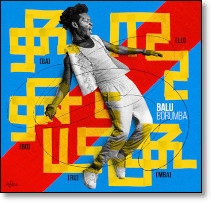
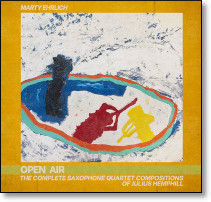
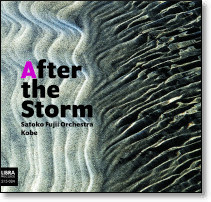
October archive (in progress). Music: Current count 46721 [46680] rated (+41), 24 [31] unrated -7). Advance Music Week appeared October 10 on Substack as Music Week (10:2). It is also archived here. My cutoff was done before the Substack post, but the introduction is revised/rewritten. Having done nothing but complain about my lack of productivity in September, I'm further embarrassed to have even less to show for the first third of October. It remains unseasonably hot, topping 90°F several days (including today). It seems like most of the time I'm just sitting at the computer, idly staring into space. I'm pretty close to just declaring myself done. But I do keep the music going, and this week the rated count went +41 (to 46721), and the unrated queue dropped by 7 (which counts CDs in hand, but not the possible downloads I so rarely get to). Every now and then, I snap close enough to consciousness to jot down a few notes, as well as a letter grade, which is simpler than calibrating adjectives, and serves as an aide de memoire to albums I'm less and less mindful of. But rather than write the entire week off, I suppose I could mention that I have made some slow and fitful progress on a rather serious essay about Israel I'm calling "Is It Possible to Negotiate a Gentler Genocide?" There are four major words there, and each presents serious problems, so one has to tread carefully. Yet one also has to finish the essay, which means skipping over or evading all sorts of deep digressions (including Godwin's Law). So I suppose a certain amount of staring into space may not necessarily be due to depression and lethargy. It's what we used to call thinking. Yesterday's post on the Gaza Apocalypse was a break for me: a chance to clear my head of some thoughts I didn't want to put in the essay, but I still felt like putting forth (e.g., the "eye-for-an-eye" line). And it helped serve as a reminder of what October 7, 2023 was, and was not: despite the drama, it was a mere blip in the much longer conflict; but it was also a reminder that even as powerful as Israel is, ordinary Israelis are not quite safe from the ramifications of their system of injustice. As with September 11, 2001, or for that matter the two Trump elections in 2016 and 2024, the horror of the day was overshadowed by the anticipation of horrors to come — a future that is far from done with us. And it checked off a post idea that I had bandied about for some time. The Hussein Agha/Robert Malley book, Tomorrow Is Yesterday, is one of the most insightful books available on the subject (at least, of the many I've read). The break helped push this out to the end of the week. That's probably the new normal, but it's nice to have no fixed day to haunt me. Especially given that "work" here is so indefinite, and so endless. A couple of minor notes on the music. Two of the reviews were initially written based on streaming, before I got a package of CDs from Out of Your Head. (I probably had download links before, but didn't bother.) Both resulted in upgrades. I doubt that would happen very often, but it's likely that there are more that got one stream play but could have benefited from more attention (Knuffke/Crispell?, Peace Anthems?). I'm not pushing for CDs, but sometimes they make a difference. (I suspect especially on the big packages labels are so reluctant to provide. It takes more patience than I can muster to slog through a long download, but broken up into digestible pieces, with some packaging, can really help. The Ma Rainey box is one I'm aware of, as is the Dave Holland; the forthcoming 2-CD set of Jelly Roll Morton is a bit more manageable, but still with old music much of the value is in the packaging.) I found the old live Jonathan Richman album after looking for a new old one recommended by Phil Overeem, which I didn't find. So not a sudden urge to hear his old (or any unheard) stuff. Nothing more in the old music section this time, after several weeks of going through Brad Luen's checklists. There's a bit more to find there, but it's getting hard, and with so much new music, checking out old is a rare luxury, or a an accident. After I posted on Substack, I sent out my usual announcements to X and Bluesky, and one to Facebook that combined mention of both pieces. I then got mail back from X telling me my account is suspended. The charge is "inauthentic activity," which covers a wide range of offenses (see these quite explicit definitions), none of which seem to be remotely applicable to my activity today: one account, clearly identified as myself (albeit without the blue checkmark), two tweets today, both with one Substack url and a few words up front. I've appealed, but it's quite possible I'm done with X. When I went to look up what I had sent, I was challenged to prove I'm a human. After I complied, they presented a second challenge: log in to the X app on my phone. I don't have the phone app, and I have no desire to download it, especially under duress. I've resisted complaints about Elon Musk turning X into a fascist cesspool, as bypassing the "for you" algorithm and just looking at those I was following was usually still useful. Still, the value there has steadily declined, while Musk's efforts at squeezing out more revenue have become ever more annoying. My view counts have declined from small hundreds into the teens. Next week may be eventful: Matty Winshow's documentary about Robert Christgau is coming to the Tallgrass Movie Festival, and Phyllis Bennis is coming to speak at the Global Learning Center's annual dinner. The week after that is my birthday, so I'm thinking about cooking something rather fabulous. Then comes first Israel's elections, then our own. I've started working on a Loose Tabs that should split the difference. After that, we will swing into Jazz Critics Poll season, most likely once again unprepared. And I'm likely to marvel, once again, at how quickly it all passes us by. New records reviewed this week: Jocelyn Balu: Borumba (2026, Vu Prod): Congolese vocalist, member of Bakolo Music International, first solo album. Touted as a future rumba star, hits the sweet spot, or as the Bandcamp page puts it, "fidèle à ce qui constitue la signature du genre et aux canons définis . . . de Nico à Luambo." A− [sp] Rahsaan Barber: Eternal (2025 [2026], Jazz City Music): Saxophonist, teaches at UNC, several albums since 2011, postbop quintet with guitar, piano, bass, and drums. B+(**) [cd] Matt Berninger: Type It Up (2026, Concord, EP): Vocalist-lyricist for the National since their founding in 1999, has two solo albums since 2020, plus this 5 song, 21:36 EP, including covers of New Order's "Blue Monday" and Lou Reed's "Who Loves the Sun." B+(*) [sp] David Binney: History:Memory (2026, Mythology): Alto saxophonist, has several dozen albums since 1990, Discogs counts 195 performance credits. This one is solo, using pedals for synth overtones. B [sp] Nat Birchall Quartet: Live at Low Four Studio, Manchester (2026, Ancient Archive of Sound): British tenor saxophonist, plays "spiritual jazz," which is heavily indebted to Coltrane. Long-running quartet, with Adam Fairhall (piano), Michael Bardon (bass), and Paul Hession (drums). B+(***) [bc] Michael Blake: Halloween Tales (2026, Baby Tank): Canadian tenor/soprano saxophonist, debut 1997, quartet with Gary Versace (piano), Ben Allison (bass), and Michael Sarin (drums). Mostly movie themes here, leading off with the theme from Halloween, adding "Witchcraft" and "The Creep." B+(**) [sp] Sam Blakeslee Large Group: New Blood (2023 [2026], Brooklyn Jazz Underground): Trombonist, debut album 2017, a quintet, but has mostly worked in big bands since then. Conventional big band, approximately, with guitar (Pete McCann), and a couple of guest spots. Alan Farber produced, with Erica Seguine conducting. B+(*) [sp] Curly Castro: Yaphet (2026, Backwoodz Studioz): Underground rapper, from Philadelphia, part of the duo Shrapknel, solo debut 2013, last heard from in 2021, with Locust producing the beats, and many features, notably Margel the Sophant. A− [sp] Amalie Dahl's Dafnie & Lisa Ullén: Live at Kafé Hærverk (2025 [2026], Trost): Danish alto saxophonist, group named for a 2022 album, freebop with trumpet, trombone, bass, and drums, adding the Swedish pianist here. B+(**) [sp] Marty Ehrlich: Open Air: The Complete Saxophone Quartet Compositions of Julius Hemphill (2025 [2026], Out of Your Head): Hemphill was an alto saxophonist (1940-95), from St. Louis, who recorded some important albums in the 1970s, but by 1977 was putting most of his effort into the World Saxophone Quartet, which has survived but never really replaced him. In recent years, there have been several attempts to revive his compositions, as well as releasing archival tapes. This is one of the most ambitious, with Allan Chase, Rob DeBellis, Brian Landrus, Andy Laster, Jeff Lederer, Lisa Parrott, and Jason Robinson joining Ehrlich. (There is also one "forgotten" track from 1997.) My problem is the one that I've long had with WSQ and its ilk: monophonic horns, focusing on harmony, sound slow and stodgy. I was inclined to write this off, but the CD showed up and got extra time, at which point the sheer beauty, especially on disc 2, swept me away. [Spotify, which I listened to initially, seems to be incomplete. Bandcamp only offers 5/42 tracks.] A− [cd] Event Horizon Jazz Quartet: Consternation (2026, self-released): Chicago area group, second album after a 2020 debut, led by Jim Kaczmarek (reeds) and Scott Mertens (keys), with Donn DeSanto (bass) and Rick Vitek (drums). B+(**) [sp] Enzo Favata: Ritornare (2026, ECM): Italian saxophonist (soprano here, with clarinet and bass clarinet), from Sardinia, has a fair number of albums (18 per Discogs) since 1992, this a group sometimes known as his Atlantico Quintet: Daniele de Bonaventura (bandoneon), Marcello Peghin (10-string guitar), Salvatore Maltana (bass), and U.T. Gandhi (drums). Folk-based, intricate, and generally lovely. B+(**) [sp] Firelife Trio: The Space Around the Sound Resounds (2025 [2026], Sonic Transmissions): Houston-based saxophonist Danny Kamins (soprano and alto here), has several albums since 2017, here backed by Dennis Gonzalez's sons Aaron (bass) and Stefan (drums). B+(***) [bc] Satoko Fujii Orchestra Nagoya: Kore Kara (2026, Libra): Fourth installment in this year's avant big band series, with one more still to come. Doesn't take off very fast, nor soar very far, although it does have some moments. B+(**) [cd] Phil Haynes 2 Horns & What?: Avant Modern/Jazz Now (2026, Corner Store Jazz, 2CD): Drummer, from Oregon, debut 1984, early on was closely associated with Paul Smoker. Two trios with two horns each: one with Nate Wooley (trumpet) and Peyton Pleninger (saxes), the second with Pleninger and Jonathan Ragonese (saxes). B+(***) [cd] Kiefer: Memory Bomb (2026, Blue Note): Pianist, mostly electric, last name Shackleford, from Los Angeles, sixth album since 2017, first on Blue Note, in what seems to be a return to the label's Mizell Brothers era (if you've forgotten, and why shouldn't you?, there's a 1972-76 compilation that the label released in 2005). I can't really hate the rinky-dink keys, the synth ambiance, or even the slick guest vocals and raps, at least until this slows to stall speed. B− [sp] Kirk Knuffke/Marilyn Crispell/Thommy Andersson: Paintbrush (2024 [2026], Sunnyside): Cornet, piano, and bass, recorded near Crispell's home base in Woodstock (actually, the late Karl Berger's studio, an influence and inspiration for all). Perhaps worthy of closer study. B+(**) [sp] Kwn: And All Pride Aside (2026, RCA): British singer-rapper Khyra Wilson, born in London, father Nigerian, mother Irish, second album (Wikipedia has it as 3 EPs, but this one is 11 songs, 38:47). B+(**) [sp] Miranda Lambert: Crisco (2026, Vanner): Tenth solo album since 2005, probably the best track record of any singer-songwriter in country music in that period, but this seems like a major slip up, and not entirely for embracing the concept of "country disco," whatever that is supposed to be. "Sunset Marquis" is clearly disco, but not very good. "Crisco" is more country, but also not very good. By the way, while my mother used to fry chicken in Crisco, she gave that up long ago, for schmaltz with a bare minimum of vegetable oil. I keep Crisco, but these days only use it for chicken and dumplings. B [sp] Gregory Lewis: Organ Monk Sings: Introducing Ms Raina (2026, Sunnyside): Organ player, released Organ Monk in 2010, and has stuck with that concept, here with album seven, a trio with Jerry Weldon (tenor sax) and Nasheet Waits (drums), adding singer Raina Welch this time. B+(*) [sp] Buddy Miller: Buddy Miller (2026, New West): Alt-country singer-songwriter, from Ohio, has recorded on his own or with friends since 1995, most significantly four albums (2001-23) with wife Julie, who wrote or co-wrote five (of 12) songs here. Buddy's songwriting is limited to three co-credits with Julie. This is one of his "and friends" albums, with many guest features. B+(**) [sp] Billy Mohler: Live in Europe (2025 [2026], Dox): Bassist-composer, started in rock bands, studied at Berklee, eight or so albums since 2019, this recorded at Bimhuis (Amsterdam) and Carambolage (Bolzano, Italy), with Hermon Mehari (trumpet), Francesco Bigoni (tenor sax), and Nate Wood (drums). B+(***) [bc] Tommy Muellner: Solitary Moon (2026, Calligram): Pianist, first album, postbop quintet with label regulars Geoff Bradfield (reeds/flute), Art Davis (trumpet), Clark Summers (bass), and Phil Gratteau (drums). Three originals, many standards. Runs 79 minutes. B+(**) [sp] Ekep Nkwelle: Caged Bird (2026, Mack Avenue): Singer, born and raised in/near DC, cites "musical worlds that shaped her — jazz tradition, gospel reverence, contemporary eclecticism and her Cameroonian heritage." First album, after side-credits with David Murray, Kenny Barron, Joel Ross, and Jazz at Lincoln Center. She could develop into Aretha Franklin, but (like her) needs better songs and arrangements. B+(*) [sp] Marek Pospieszalski Octet: Ever (2025 [2026], self-released): Polish tenor saxophonist, several albums since 2014, including three on Clean Feed. Octet includes a second tenor sax, trumpet, viola, guitar, piano, bass, and drums. B+(**) [bc] Jamie Safir: Momentum (2026, Chill Tone): British pianist, first album as leader, several side credits back to 2017, mostly trio with bass (Conor Chaplin) and drums (Luke Tomlinson) playing originals, with Iain Ballamy (tenor sax) joining in on about half of the tracks, staying uncharacteristically mellow. B+(**) [cd] Brandon Seabrook: Utility Modern (2026, Out of Your Head): Guitarist, also plays banjo, many side credits back to 2002, mostly free jazz but can veer into noise-rock. With Bill Frisell (guitar), Rahsaan Carter (bass), and Marcus Gilmore (drums). Bits of interest here when the banjo comes out, or when they risk some noise. B+(***) [cd] Judi Silvano's Garden Winds: First Flight (2024 [2026], JSL): Singer, has a dozen albums since 1992, way too operatic for my taste, especially in this company: Haruma Fukazawa (flutes), Claire De Brunner (bassoon). B− [cd] Kevin Sun: Kevin Sun, II (2024 [2026], Endectomorph Music): Tenor saxophonist, immediately impressed with his 2018 Trio, demonstrating considerable chops as well as a command of history. By my reckoning, he followed that up with four more A− albums, then slipped into the range of very honorable mentions; meanwhile running a record label that regularly produces interesting releases by others. This year he's come up with two simultaneous quartet albums, both recorded on the same day, so the numbering is rather arbitrary. This one I found more engaging, perhaps because Christian Li's piano adds dimensions I didn't find in the first volume, or maybe just because the saxophonist seemed more engaged from the start. With Walter Stinson (bass) and Kayvon Gordon (drums). B+(***) [cd] Kevin Sun: Kevin Sun, I (2024 [2026], Endectomorph Music): Quartet with Max Light (guitar), Walter Stinson (bass), and Jon Starks (drums), recorded the same day as II, presumably first, as it feels more tentative early on. B+(**) [cd] Trio Imagination: Creative Inspirations (2025 [2026], Pi): Last names on the spine: David Virelles (piano), Reggie Workman (bass), and Andrew Cyrille (drums). The pianist has often impressed me in the past, and one couldn't ask for a more storied rhythm section, but 4-5 plays in I still have to force myself to listen closely, and then it's just maybe. B+(*) [cd] Chris Whiteman/John Toomey Quartet: Live at Révéler (2025 [2026], self-released): Guitar and piano, backed by bass and drums. I'm only finding side-credits for both — more for Toomey, who goes back to 1982, and has a Quartet but second-billed to a singer (Laura Martier, in 2001). He's second here, nice accompaniment to a very pleasant guitarist, who also slipped a couple of originals in with eight standards. B+(***) [cd] Jerry Z: Break Allegro (2026, Drawbar): Hammond B3 organ player, last name Zaslavsky, possibly his first leader album, but side credits go back to 2002, including with guitarist Oz Noy and drummers Mike Clark and Lenny White — all noted on the cover here, as is Chad LB (tenor sax). B+(**) [cd] [10-09] Recent reissues, compilations, and vault discoveries: Roland Brival: Créole Gypsy (1980 [2026], Soundway): Singer-songwriter from Martinique (b. 1950), first album, also has a reputation as a novelist and painter. B+(*) [sp] Can: Live in Arles 1975 (1975 [2026], Mute): German experimental rock group, released 10 studio albums 1969-79, mostly a quartet of Irmin Schmidt (keyboards), Jaki Liebezeit (drums), Michael Karoli (guitar), and Holger Czukay (bass), some vocals early and late, but not much here. They had several reunions, but only Schmidt is still alive. During this period they had evolved into a something of a fusion-jazz band, like Soft Machine, and this set, the 7th in a series of restored live tapes, moves along deftly, its pieces merely numbered. B+(***) [sp] Stanley Cowell Trio: Illusion Suite (1972 [2026], ECM): Pianist (1941-2020), debut album was memorably titled Blues for the Viet Cong (1969, the first of two on Freedom), co-founded the Strata-East label in 1973, but recorded this one album for ECM, a trio with Stanley Clarke (bass) and Jimmy Hopps (drums), playing his own compositions. B+(***) [sp] Sir Roland Hanna: Songs of Hope, Inspiration and Joy (1990s-2002 [2026], IPO): Pianist (1932-2002), from Detroit, started in big bands in the 1950s, was a regular with Thad Jones/Mel Lewis, faded in the 1980s, but late in life recorded several albums for IPO, from which this largely undated solo work is drawn. B+(**) [sp] Peace Anthems (2026, Red Hook): A compilation of 13 new pieces, featuring: Qasim Naqvi, Taylor Deupree, Kalia Vandever, Thomas Morgan, BlankFor.ms, Moor Mother, Sungjae Son, Martha Deribe, Simone Maggio, Wadada Leo Smith, Amina Claudine Myers, Andrew Cyrille, and Kit Downes. Intent is to "approach peace as both subject and sonic practice." In practice, that leans toward ambient, notably with the Smith-Myers "Reflections on Palestine." B+(**) [sp] John Prine: Found Dogs (1995 [2026], Oh Boy): Folkie singer-songwriter (1946-2020), from Illinois, recorded four 1971-75 albums long regarded as classics, then three more for Asylum little remembered, then he started his own label. It took another decade before he released one of his all-time albums (The Missing Years, in 1991), followed up by the even-better Lost Dogs & Mixed Blessings (1995). Then he got cancer, wrecked his voice, and struggled, sometimes brilliantly, until Covid cut him down in the early days of the pandemic. His widow still runs his record company, and they've cultivated some fine talents (most famously Todd Snider and Kelsey Waldon), but the meal ticket is still his back catalog. The first five songs here are alternate versions of songs from the album, each interesting in its own right. The other five songs, including a Johnny Horton cover, are lesser affairs, at this point more endearing for the singer than for the songs. B+(***) [sp] Old music: The Modern Lovers: Precise Modern Lovers Order: Live in Berkeley and Boston (1971-73 [1994], Rounder): Jonathan Richman's group, from Boston, had recorded an album produced by John Cale in 1972, but unreleased until 1976, at which point it sounded prophetic. Live tapes from the period, very lo-fi, includes a cover of the Velvet Underground's "Foggy Notion" among their originals, some I haven't heard elsewhere. B+(*) [sp] Unpacking: Found in the mail last week:
Ask a question, or send a comment. Saturday, October 3, 2026 Music Week
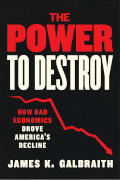
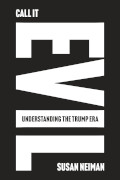
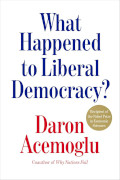
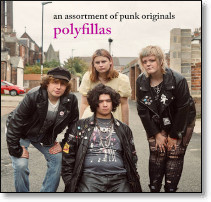
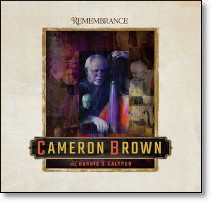
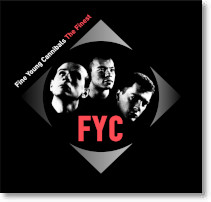
October archive (in progress). Music: Current count 46680 [46640] rated (+40), 31 [25] unrated +6). Advance Music Week appeared October 3 on Substack as Music Week (10:1). It is also archived here. My cutoff was done before the Substack post, but the introduction is revised/rewritten. September in Wichita is usually hot, and this one was hotter for longer than any I can recall. The heat finally broke last week, so the coming of October wasn't such a surprise. But very little of what I imagined doing in September got done, which leads me to the apprehension that October won't be any more fruitful. Take this past week, straddling the two months, for instance. I started the week figuring I should do the minimum effort to close out Loose Tabs, which I finally did on Sept. 30, with 16414 words. As I had, in the meantime, neglected Substack, I figured the least I could do was to write up a short overview, which took two more days. That pushed my cutoff back to Friday evening, this advance synopsis to Saturday, and the full report? Here it is. While I wound up listening to quite a lot of music last week (40 albums), I didn't write much about most of them, and struggled to pick out six for the advance. (My original plan was to do 6-8 albums, but I've often wound up with 9. I think this is the first time I've settled on six. And two of the A− albums were promoted at the last minute, although they struck me as likely contenders from the first hearing.) Some of the records below were left over from Christgau's Consumer Guide. More were left over from working off the Brad Luen checklists. While I haven't checked everything off, I've pretty much hit my limit there. I also sent in a ballot for Brad Luen's 1996 poll. I wasn't keeping annual lists then, but I did have a 1996 list that I must have hacked together later (judging from the formatting, around 2005). Once I decided to vote, I did some due diligence and consulted my database for 1996 albums. I compiled them into a much larger updated list, with 68 A-listed new music albums, and 91 old music compilations. That ratio's probably typical for me in the 1990s: that was a golden decade for reissues, as the industry was urging you to replace all your old vinyl with shiny overpriced discs. I probably bought more new music in the 1990s than in the 1980s, but much less than in the 1970s, when I was just starting out. Sure, I blamed my turn away from new music on grunge and gangsta, but I was also looking for a much better understanding of the past. To that end, I scoured through record guides, compiled lists, and went shopping — mostly in the bargain used piles. I was obsessive enough at both that when Michael Tatum offered to publish a column by me, my choice was Recycled Goods. I might also note that earlier, back in 1996 in fact, Robert Christgau asked me to review Rhino's jazz anthologies, in a piece the Village Voice published as Jazz for Dummies. It still offers a fair sense of where I was at as a fledgling jazz fan in 1996, including the now quaint line, "some 900 CDs later, I'm still learning new things." Well over 9000 CDs later, I worry that I've finally entered the phase of just coasting, but this week's old music (and not just the ultra-obscure Jon Waine) is mostly still new to me. Plans for October: try to write up that Israel-genocide essay; add some significant detail to the "Weird" book outline; do the groundwork for the Francis Davis Jazz Critics Poll, including at least some rough scaffolding for his future website; sign up for at least one AI tool; clean up some things around the house, including an initial stab at filling up and emptying the recycling kiosk; make a birthday dinner (I'm thinking I'll finally try my hand at Italian, but ingredients are harder to find around here than my recent stabs at Burmese and Indonesian, and I see other problems with selection and staging, so this could get tricky). But the only thing on that list I'm actually looking forward to is the cooking, which I've done far too little of recently. By the way, I just finished reading Susan Neiman's Call It Evil: Understanding the Trump Era. I may have some minor quibbles, but she's very clear on the need to base one's politics on ethnics and to speak of it in moral terms. The book may already have had some effect in how I approached stories in Loose Tabs. I admit I was so turned off by how GW Bush used "evil" — he meant someone who could only be dealt with by killing — that I gave up on using the word. I now see my mistake as his clever ruse, as his use is precisely what evil means. It's no coincidence that the best book of recent American history is Kurt Andersen's Evil Geniuses: The Unmaking of America: A Recent History (2020). By the way, there is not a lot of practical difference between Neiman's book and Daron Acemoglu's What Happened to Liberal Democracy?, but Neiman argues for socialism (while disavowing communism and/or marxism), while Acemoglu tries to fashion something similar out of liberalism, calling his version "working-class liberalism." Both labels are tarnished, both by their enemies and by their adherents. On the other hand, it's hard to speak of something until you give it a name, so we're likely to be struggling with this for some while. Next on my "nightstand" is James K Galbraith's The Power to Destroy: How Bad Economics Drove America's Decline. Galbraith's books, The Predator State: How Conservatives Abandoned the Free Market and Why Liberals Should Too (2008) and The End of Normal: The Great Crisis and the Future of Growth (2014), are among the best books I've ever read on the politics of economics. New records reviewed this week: 1-800-Mikey: In Yun (2026, Goner): Australian lo-fi bedroom pop group, principally Michael Barker, fourth album since 2022. B+(*) [bc] RJ Chesney: A Southern Man (2026, Man of Straw): Singer-songwriter born in Macon, raised in Biloxi, figures he knows better than others what makes a Southern Man, among which he counts Johnny Cash, Jimmy Carter, and MLK. B+(**) [sp] Mike Dana Jazz Orchestra: Farther (Still) (2025 [2026], Origin): Guitarist, studied at Berklee, taught at Fresno City College (1990-2018), since 2015 has been involved with Jazz Education Abroad, teaching in Lebanon and elsewhere. Has some reputation as a composer, but this appears to be his first album as leader. Big band, a bit short on brass, with two (of five) sax slots given to oboe and bassoon, but "special guests" added for solos: trumpeters Aaron Janik and Ingrid Jensen; saxophonists Eric Marienthal, Bob Mintzer and Tim Ries. B+(*) [cd] Defcee & Steel Tipped Dove: We Will Be Brief (2026, Fused Arrow): Chicago rapper Adam Levin, several albums since 2018, with producer Joseph Fusaro. Brief indeed: 12 songs, 28:24. But packed with ideas, quips, and deft beats. A− [bc] Daniel DeLorenzo: Can You Not (2026, self-released): Guitarist, has several albums on Bandcamp and Spotify since 2017, but I can't find a Discogs listing. Trio with bass (Theous Jones) and drums (Casey Toll). Seven songs, originals plus a noise-laced Schumann, 27:57. B+(**) [cd] Dinosaur Jr.: Near There (2026, Jagjaguwar): Indie rock band, appeared on SST in the 1980s, this their 13th studio album, I was never much impressed by them, although I did like one J. Mascis solo album (Several Shades of Why), and one of Lou Barlow's Sebadoh albums (Barksdale). B+(*) [sp] FaithNYC: Love Is a Wish Away (2024, Creation Youth): Singer-songwriter Felice Rosser, from Detroit, old enough to recall the 1967 riots, not sure when she moved to New York, but she released an album as Faith in 1997. Plays bass and sings, with Fin Hunt (drums) and Justin Adams (guitar/percussion/keyboards). With notions of funk and punk and dub for context, something that is not like anything else. B+(**) [sp] Diego Figuerido: Horse Blues (2026, Arbors): Brazilian guitarist, quite a few albums since 2005, first appeared on this retro-swing label in a 2019 duo with Ken Peplowski, and has been a regular since then. With his brother Tacio Figueiredo on bass, plus keyboards (Gi Reis), harmonica (Uira Cabral), and drums (Anderson Matos). Sophisticated easy listening. B+(*) [sp] Chad Fowler/Eri Yamamoto: Polkadots & Moonbeams (2024 [2026], Mahakala Music): Duets, alto sax/flute and piano, improv pieces, aside from a start with one Fowler wrote, and the title song at the end. B+(**) [bc] Shelley Hirsch/Christian Weber/Alfred Vogel: Vanish (2024 [2026], Boomslang): Composer/vocalist/performance artist (b. 1952), a dozen albums and many side-credits since 1985, backed here by bass and drums. B+(**) [sp] Katseye: Wild (2026, HYBE/Geffen, EP): "Global girl group," originally six singer-dancers from four countries but based in Los Angeles, modeled on K-pop — where HYBE is a big label, accounting for their initial sales advantage in South Korea. Third EP, down to five on the cover, but just four performed on their recent SNL feature. Five songs, 13:37, three released as singles so far ("Animal" the best). B+(**) [sp] Azar Lawrence: Turn the Music Up (2026, Trazar): Tenor saxophonist (also soprano), 1974 debut was an especially strong album, faded away in the 1980s but came back strong in 2007. Returns to his early songs here, pushing the "spiritual jazz" dimensions, even including "The Creator Has a Master Plan." B+(**) [cd] Carla Marciano: Daydreaming: My Beloved Father Giovanni (2025 [2026], Challenge): Italian alto/sopranino saxophonist, from Salerno, several albums since Trane's Groove in 2002, an influence, backed by piano-bass-drums, supplemented by string orchestra on several tracks. B+(**) [cd] Branford Marsalis and Dianne Reeves: Dedicated to You (2026, Blue Note): Presented as a John Coltrane tribute, the idea is to have Reeves sing the six songs from 1963's ballad album, John Coltrane and Johnny Hartman, backed by the saxophonist and his quartet: Joey Calderazzo (piano), Eric Revis (bass), and Justin Faulkner (drums), who add instrumentals, three as bonus tracks. The Coltrane/Hartman album has long struck me as one that should be great but isn't — although Coltrane's Ballads, from the same year, is so sublime you have to blame Hartman. Reeves is a superb singer, but that doesn't seem to help much here. Most modern saxophonists are indebted to Coltrane, and few more so than Marsalis. But why aim for his most anodyne gestures? B+(*) [sp] Gretechen Parlato: The Wise Ones (2026, Edition): Jazz singer, from Los Angeles, father is a well-known bassist, and grandfather was a trumpet player; eighth album since 2005, writes some and also draws originals from Alan Hampton (bass) and Josh Mease (guitar), so the closest thing to a standard is a Stevie Wonder song arranged by Robert Glasper (one of three pianists). Rather pretty. B+(*) [sp] Houston Person: From the Heart (2026, Arbors): Mainstream tenor saxophonist, started with Prestige in 1966, where he also did A&R, continuing with Joe Fields through the Muse and HighNote labels, so it's a surprise to see him show up on a different label (especially one that's been relatively quiet of late). With Eddie Allen (trumpet), John Di Martino (piano), James Chirillo (guitar), Sean Smith (bass), Vincent Ector (drums). Standards, nicely done, easy. B+(***) [sp] Polyfillas: An Assortment of Punk Originals (2026, Dangerous): Punk band from Sunderland, in far northeast England (just southeast of Newcastle), principally Ava and Jamie Dangerous. First album, an EP (whence "Rude Boys of England") and several singles. Title suggests a formal exercise, more a love letter to history than the upswell of primal rage that drove punk in the 1970s. But now I'm old enough I not only don't mind, I applaud. A− [cd] Julian Davis Reid and Circle of Trust: Mercy We Need (2026, Too Lost): Pianist from Chicago, also a theologian, has a previous album with this group, side projects like the JuJu Exchange, side credits with Isaiah Collier and Jamila Woods. Five songs feature Tramaine Parker (vocals), four Lenard Simpson (alto sax, one both). My appetite for the gospel vocals is pretty limited. B+(*) [cd] Andy Sheppard: Salt Catchers (2025 [2026], ECM): Tenor saxophonist (also soprano), albums since 1987, especially with Carla Bley. Trio with Rita Marcotulli (piano) and Michel Benita (bass). B+(*) [sp] Bria Skonberg: Indigo (2025 [2026], Cellar): Canadian trumpet player and singer, ninth album since 2009. One original, the rest standards, from "Mood Indigo" through Sting, the most striking a Jacques Brel-Rod McKuen song, "If You Go Away." B+(***) [sp] Skyzoo & Apollo Brown: Luxury Tax (2026, First Generation Rich/Escapism): Underground rapper Gregory Skyler Taylor, from New York, couple dozen albums since 2006, including a previous with Detroit producer Brown. B+(**) [sp] Wadada Leo Smith: Constellations and Hemispheres (2017-22 [2025], Burning Ambulance Music): Trumpet player, five pieces (59:10) recorded over several years, the first track with piano (Sylvie Courvoisier) and drums (Marcus Gilmore), the others with more players, peaking out at 10 for the 22:05 centerpiece. B+(***) [sp] Tinashe: Popstar (2026, Atlantic/Nice Life/Tinashe Music): Pop singer-songwriter, last name Kachingwe, father from Zimbabwe, born in Kentucky, grew up in Los Angeles, eighth album since 2014. B+(***) [sp] Tres Hongos: More Chips (2024 [2026], Relative Pitch): Trio of Jacob Wick (trumpet), Marc Riordan (piano), and Frank Rosaly (drums), third album, widely spaced since 2012. B+(**) [sp] Lex Walton: Ultimate Love Forever (2026, Sub Pop, EP): Singer-songwriter, some kind of noise-pop, cites Les Rallizes Dénudés as inspiration, Wikipedia cites a discography going back to 2018 but this is probably the first one with any real distribution, a short one at that (7 songs, 19:50), but gets your attention. B+(**) [sp] Recent reissues, compilations, and vault discoveries: Cameron Brown and Dannie's Calypso: Remembrance (2011 [2026], Sunnyside): Bassist, b. 1945 in Detroit, first albums in his Discogs list were: Massimo Urbani, Beaver Harris, and George Adams/Don Pullen Quartet; although his first side credits were with George Russell, and one quickly notices Archie Shepp, Mal Waldron, Dewey Redman, Dannie Richmond, and Sheila Jordan. The band name here is a tribute to Richmond, and song titles name Russell, Jordan, and Don Cherry, and the songs include material by Richmond, Redman, Cherry, and Jobim. Quintet: Lisa Parrott (alto/soprano/baritone sax), Jason Rigby (tenor/soprano sax), Russ Johnson (trumpet), and Tony Jefferson (drums). That roster suggests serious postbop, but the reality is raucous freebop, with a nod toward calypso. A− [sp] Jon Waine: Second Skin (1975-1983) (1975-83 [2026], Corbett vs. Dempsey): New Jersey experimental/post-punk band, principally Brian McCormack (guitar) and William Pope (vocals, aka Pope.L, who "went on to have an illustrious career as a conceptual visual artist"). They produced one single in 1982 (per Discogs, "Do the Tic/Boogie Down the Congo," now "impossibly rare"). This gathers up 30 recordings, putting the more mature 1980-83 material on the first CD, with home recordings from 1975-81 filling out a second CD. Interesting sound here, some novel kind of fractured no wave funk, the closest analogue Pere Ubu (with nothing quite like David Thomas or Peter Laughner). This could have been edited down, but history is inevitably messy. B+(***) [bc] John Larkin: Before Scatman: Early Sessions (1978 [2026], Iceberg, EP): Jazz pianist/singer (1942-99), grew up with a stuttering problem, which he overcame first by playing piano, then by scatting. He recorded five albums 1986-99, most as Scatman John. These four songs (23:13) came earlier. Surprisingly intense. B+(*) [sp] Old music: Lola Beltrán: Voz E Inspiracion (1975, Peerless): Mexican singer and actress (1932-96), specialized in ranchera and huapango music, many albums from 1954 on. Not hard to identify this is specifically (dramatically, even operatically) Mexican. B+(**) [yt] Daniel DeLorenzo: Trio (2017, self-released): Guitarist, from North Carolina, first album, with Theous Jones (drums) and Able Jones (organ), plus extra guitar on two tracks (Doug Sours). Seven jazz standards, from "Work Song" to "Straight No Chaser," 38:02. B+(**) [bc] Fine Young Cannibals: The Finest (1985-89 [1996], MCA): British ska-pop band, founded by David Steele and Andy Cox from the Beat, with Roland Gift as the singer (who also had a star turn in the Stephen Frears/Hanif Kureishi movie Sammy & Rosie Get Laid). They released two albums, reduced to 10 songs here, plus a soundtrack cut and three previously unreleaseds for bait. A− [sp] Fine Young Cannibals: The Finest: The Rare and the Remixed (1985-89 [1996], MCA): Second disc adds three extra songs and five remixes, total 43:07, nothing essential or important or unlistenable. Just the extras, without trying to factor in the best-of: B+(*) [sp] F.S.K.: International (1995 [1996], Sub-Up): German group, founded 1980 as Freiwillige Selbstkontrolle ("voluntary self-control"), went with initials around 1989. Kind of a folk-rock grounding, but more eclectic, perhaps even whimsical (not that it's easy to tell). B+(**) [sp] Violeta Parra: Las Últimas Composiciones De Violeta Parra (1966, RCA): Chilean folk singer-songwriter (1917-67), collected songs from all over, but also wrote these, recorded simply with her guitar and percussion. B+(***) [sp] Astor Piazzolla: Sinfonia De Tango (1955, Disques Vogue, EP): Argentinian tango composer, first album, 10-inches, 8 songs, 23:04, further credited to "su bandoneon y sus cuerdas" (strings, from Orchestre National De L'Opéra De Paris, along with Lalo Schifrin on piano. B+(**) [sp] Scatman John: Scatman's World (1995, RCA): John Larkin, recorded a couple of previous albums under his own name, turned his stutter habit into a unique mix of rap, scat, and jaunty pop schtick. This album turned into a novelty hit, especially in Japan (where it sold 1.5 million). Features a utopian anthem, "World of Scatland." B+(*) [sp] Idrissa Soumaoro & L'Eclipse De L'I.J.A.: Le Tioko-Tioko (1978, Eterna): From Mali, seems prototypical. B+(**) [sp] Zuhura Swaleh/Matano Juma & Orchestra Morning Star: Karama Zijiri (1973, Pwani): Originally a cassette, split between the two singers, ladies first. While the band could be backing both, Juma's singles credit it, and my rough impression is that he gets the more polished support. Swaleh was born in 1947 in Nairobi, later moved to Mombasa, on the coast with a long history of Arab trade, where the local style is called taarab, and the influence is decidedly Arabic. (The Zanzibara series includes a volume subtitled L'âge d'or du taarab de Mombasa, with several recordings each — Swaleh's are credited to Zuhura & Party or Zuhura & Zein Musical Party; they also appear on Zanzibara 10: First Modern, Taarab Vibes From Mombasa & Tanga.) I know less about Juma, but he is also associated with taarab. B+(**) [yt] Caetano Veloso: Bicho (1977, Philips): Brazilian singer-songwriter (b. 1942), one of the founders of the Tropicália movement in the late 1960s, and a major figure ever since, but someone I've sampled very lightly over the years. B+(***) [sp] Yellow Magic Orchestra: Yellow Magic Orchestra (1978, Alfa): Japanese synthpop group, originally a one-shot project of bassist Haruomi Hosono, but developed into a band with drummer Yukihiro Takahashi and keyboard player Ryuichi Sakamoto. Nice beats album, but vocals eventually seep in, and clutter increases. B+(*) [sp] Yellow Magic Orchestra: Solid State Survivor (1979, Alfa): Japanese electropop group, debut 1978, second album, continued until 1984, then reformed briefly in 1992, 2002, and 2007: Haruomi Hosono (bass/keyboards), Yukihiro Takahashi (vocals/drums), and Ryuichi Sakamoto (keyboards), the best known for his solo career (d. 2023). Opens with instrumentals, lighter and quirkier than Kraftwerk or even Can, then breaks the vocal ice with an amusing "Day Tripper." B+(**) [sp] Unpacking: Found in the mail last week:
Ask a question, or send a comment. Saturday, September 26, 2026 Music Week
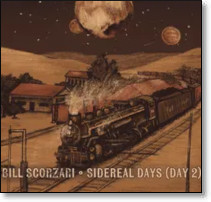
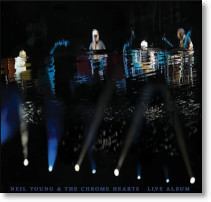
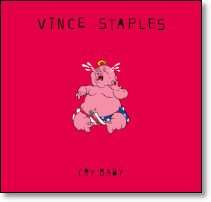
September archive (in progress). Music: Current count 46640 [46602] rated (+38), 25 [23] unrated +2). Advance Music Week appeared September 25 on Substack as Music Week (9:4). It is also archived here. My cutoff was done before the Substack post, but the introduction is revised/rewritten. I've had a very frustrating week, nearing the end of a very frustrating month, in a year I nothing nice to say about. About all I have to show for the week is a Music Week that breaks down to 14 new albums, 2 new old music albums, and 22 old albums. The new music count was down around 4 back on Tuesday or Wednesday, when I first ran a count. As I explained last week, I took Brad Luen's decade list posts as a challenge, and converted them into my own checklist. I hadn't heard about a third of the 1950s-1970s records listed, mostly antiquities from Africa and Latin America. Since I have some longstanding interest in both — my database rates 1194 African albums (+ 140 from North Africa through the Middle East including Turkey and Iran); my investigations into Latin America are much spottier, but add up to 664 albums (279 from Brazil, 358 from Hispanic countries, and 27 from French; Anglo-Caribbean would add another 590, mostly from Jamaica, but that also counts some UK reggae). Luen picked nearly a third of his albums from Africa and Latin America, and to better fit his decadal focus went for original albums of artists I often, having only discovered them much later, knew only from compilations. While I recall records from the late 1950s and 1960s, my own firsthand experience only got serious in the mid-1970s, and took a comprehensive turn in the mid-1990s. Most of what Luen picked turns out to be relatively easy to find, either on Spotify or YouTube. (The main problem so far has been early Astor Piazzolla.) Still, it's been frustrating, with no language skills, few references, limited background, and not nearly enough time to give anything a fair hearing. About half of the albums I've checked out cleared A− (10 vs. 9 with lower grades this week). Still, I don't have a lot of confidence in these grades. They're first impressions, not considered ones — although I do feel more secure about the ones closer to my areas of expertise, which is part of the reason I included O'Day and Tharpe in the Substack post. I did decide to cut some corners and not dig up all of the album covers. I could cite various problems, but it's mostly too much (both work and clutter). Looks like I still have another half-dozen or so albums left, so I can see this coming to an end fairly soon (with or without Piazzolla). Of course, there's much more I could look up where these came from. For instance, I ran across the List of Rolling Stone Brasil 100 Greatest Brazilian Music Records, and I've only heard four of the top 10 { 1, 2, 6, 9 }, with 4 more in my "shopping" database, and 2 more completely unknown to me. With most of my demo queue still slated for future release, and my email still screwed, I struggled a bit to find new albums. I did get a boost when Robert Christgau posted his Consumer Guide: September 2026. I broke this down into four lists:
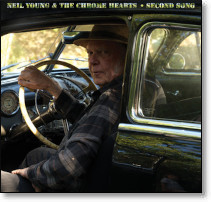
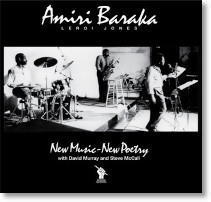
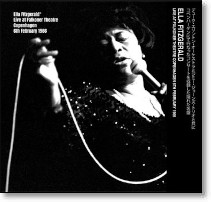
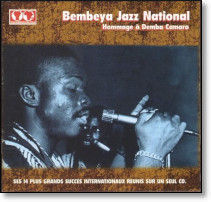
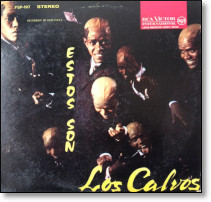
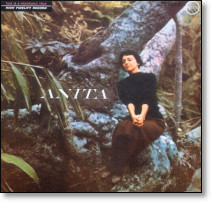
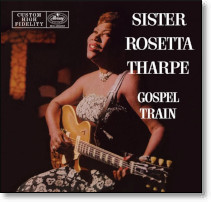
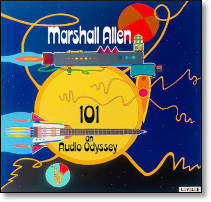
I assume the higher grades (group 2) represent more listening: I like the three albums just fine, even if my grades look hedged. The three adds I'm more skeptical of. Allen and Kaye end with songs I like, but rechecking Allen didn't budge my grade. I like his previous work, and might like this one more if it was more him and less family. In the latter regard, it's similar in concept to Federico Ughi's My Face Is Dancing, cut up from family tapes (although Ughi is a jazz drummer, and his family is more into hip-hop and electronica). But group 3 bothers me more, because I've spent enough time with those albums to rate them higher. He's consistently rated Staples higher than I have, so we may be tuning into different things. He's topped me with two A− grades for Evans' EPs. I tend to grade EPs down a bit, not so much because I feel cheated on length as because I find it takes a while to settle into an album, and EPs don't offer that time. But the Scorzari grade, after a full A on (Day 1), is hard to figure. I jumped the gun and reviewed the album a couple weeks ago, but I didn't include it on Substack because it wasn't out yet. It's out now, so I included it on Substack to reiterate my point, and share the Bandcamp. It's currently my number two album of 2026, just behind the live Laurie Anderson, Let X = X. My email situation is partially fixed: I've given up on trying to access Yahoo via POP3, and set up a IMAP account. That allows me to see my mail using Thunderbird, instead of having to use their webmail app. But it also requires a lot of extra synchronization, and that generates various error messages that I've yet to figure out how to properly check. (My guess is that IMAP is designed to recover from failures, not least because it's designed to fail a lot.) I still have a lot of work to do here: moving messages from the old account to "local folders," removing the old account, and possibly adjusting settings on the IMAP account to do more downloading. The persistent failures mean I still want to set up a new email address, at least for most of my personal communication. I should do that sooner rather than later, as I want to move the Jazz Critics Poll over to the new address — and verify that it's working before the Poll opens. I haven't done any serious work on the Poll yet, which is a problem, as if I wait for November again, I'll be sandbagged (once again). I need to start, which perhaps first of all means firming up my own plans and intentions. Before then, I'll try to put up a Loose Tabs. Last one was August 27. I currently have 211 links, 11617 words. The way things are going, it's hard to promise anything more. Not clear whether this will generate anything for Substack, but that will depend more on my will than on what's available to write about. I am increasingly disturbed by the situation in Israel, and by the utter haplessness of the Trump administration — the only bright spot there is that they appear to be completely fumbling the mid-term election (although that's usually what Democrats do). And I still want to do a Substack post on the DownBeat Poll — at this point, mostly to get a start on voter prospecting, as I don't really care that much about good vs. bad picks. New records reviewed this week: Terry Allen: Blood Sucking Maniacs (2026, Paradise of Bachelors): Singer-songwriter, born in Wichita, based in Santa Fe, but mostly associated with Lubbock, thanks to his 1979 album Lubbock (On Everything) (1979). Album title can also be read as group name, especially given that Allen only wrote 5 (of 22) songs, while other Allens (Bale, Bukka, Calder, Kru, Sled, and wife Jo Harvey) also contributed songs. Strikes me as a bunch of half-baked ideas: some appealing, some interesting, most requiring more work than I feel up to. (Two plays, with the closing "Family Tree" the one that suggests more effort might pay off.) B+(**) [sp] Lucian Ban & Elevation: Rush (2024 [2026], Sunnyside): Romanian pianist, moved to New York in 1999, debut album 2002 on CIMP, moved on to ECM and Sunnyside, often reflecting on his roots. Quartet here with Abraham Burton (tenor sax), John Hébert (bass), and Eric McPherson (drums). Burton reminds one of the strong impression he made in the 1990s, after which he seemed to vanish. Mostly postbop, but ends with a Gavril Tarmure vocal that ties this back to the old country. B+(**) [sp] Ran Blake: Voices (2023 [2026], Tzadik): Pianist, b. 1935, so 88 when this was recorded, his umpteenth solo album since 1965, his main alternative format duos — vocalists start with Jeanne Lee in 1961, up to a new one with Dominique Eade this year, but also saxophonists (Houston Person, Clifford Jordan, Anthony Braxton, most recently Jared Sims), pianists (Jaki Byard, Claire Ritter), and various others (Enrico Rava, David Fabris, Kresten Osgood). I might as well admit I have no idea how to evaluate his solo work. That's not just my opinion: I once pitched a column idea to Bob Rusch, who turned me down because he decided, citing one of my Ran Blake reviews, that I wasn't critical enough to write for Cadence. He joined New England Conservatory in 1967, heading their "Third Stream Department," which opened the academic doors to jazz. He won his Guggenheim Fellowship in 1982, and his MacArthur Genius Grant six years later — one of the first jazz musicians so fêted. I don't doubt that he deserves his reputation, but his solo albums usually leave me unmoved, and his others turn on his accompanists: I've credited him with three A− albums: his 1966-67 duets with Lee, his 2017 duo with Ritter, and his unique 1986 quartet, Short Life of Barbara Monk, with Ricky Ford. But his solo albums more often landed on an indifferent B: my solo piano favorites, where even Tatum and Taylor fall short, are Earl Hines and Don Pullen, and even there I'd rather they add a Budd Johnson or George Adams. Here, Blake tiptoes through 19 pieces, mostly standards, most of which I should have recognized anywhere (but only "You Are My Sunshine" registered on first pass; what does it say about my ears to have missed "Hallelujah I Love Her So" or "La Vie En Rose" followed by "Ain't Misbehavin'"?). Still, I feel fortunate to have this, enough so to grade it in the keep range. After all, with Rusch passed, and me nearing the end, what's to be gained by translating my prejudices into snark? B+(***) [cd] George Garzone: Themes for Good Friends (2026, Jojo): Tenor saxophonist, b. 1950, from Boston, has a couple dozen albums since 1978, many in the Fringe (1978-2001), more under his own name, but is probably best known as the teacher every saxophonist who passed through Boston wants to thank. Quartet with Luis Perdomo (piano), Santi Debriano (bass), and Jeff "Tain" Watts (drums), plus Randy Brecker on trumpet for five (of 8) tracks. Ends with originals "The Mingus That I Knew" and "To Michael Brecker." What is it about Brecker that never quite works for me? B+(**) [sp] Ned Hill Band: Saw Jesus at the Park (2026, self-released, EP): Hype sheet says "longtime Nashville icon," Discogs reluctantly listed two albums, Bandcamp says "acclaimed veteran songwriter," and offers 21 releases, including singles, other attributed to the Cowards or Ned Van Go. Six songs, 20:11. B+(*) [sp] The Hobknobs: Helmets Off (2026, 12XU/THK): Dutch art-pop duo (Arie van Vlilet, Yaël Dekker), first album after a 2025 EP. B+(**) [sp] Lenny Kaye: Goin' Local (2026, Yep Roc): Early rock critic, compiled the genre-defining Nuggets album of 1960s garage rock, played guitar for Patti Smith, self-released a tape in 1982, followed by an album in 1984, but while he was famous enough for groups like the Fleshtones to seek him out, he never made a star move before. Maybe not here, either. While he has taste and sensibility, he doesn't have an aesthetic, or much of a voice. Leaving him with a batch of fairly good songs, done disarmingly. Choice cut: "The Things You Leave Behind." B+(**) [sp] Takashi Matsunaga: Ride Five (2026, Ride Five): Japanese pianist, has a half-dozen albums since 2003, recorded this one in New York, original pieces, nearly solo — some bass by Christian McBride, but I hardly noticed it first time through. I was, however, struck by the calm, reassuring piano. B+(**) [cd] My Face Is Dancing: My Face Is Dancing (2021-25 [2026], 577/Positive Elevation): Drummer Federico Ughi and members of his family, an experimental electronic mix of tapes from "different moments throughout the children's lives, documenting their growth and artistic evolution between the ages of two and ten." B+(*) [dl] Angela O'Neill and the Outrageous 8: A Live Musical Tribute to Peggy Lee (2024 [2026], Outrageous 8): Standards singer, from California, has at least one previous album, opens with effusive band intros, website includes a full page of band bios, a lot of gray hair in the pics, but no denying their swing. Lee started singing for Benny Goodman in 1941, went on to have many pop hits up to 1969, the main one here being the closer, "Fever." B+(**) [cd] Matthew Putnam/Hilliard Greene/Francisco Mela: Bright Sun Outside (2025 [2026], 577): Pianist, presumably not the same as the mathcore/metal drummer, as the other piece of information I've been able to find on him is that "he is best known for his work in nanotechnology." Trio with bass and drums, evidently their second. B+(**) [os] Springfield Symphony Jazz Orchestra: Royalty: The Music of Duke Ellington & Count Basie (2026, T2 Music): First question was: which Springfield? Answer is Ohio, so I didn't expect to find any familiar names, but was pleased to see that Edwin Bayard (tenor sax) had made it out from Columbus, and I also recognized Pharez Whitted (trumpet), plus "special guests" Jeff Hamilton (drums), Kurt Elling (vocals), and Ekep Nkwelle (vocals). That the band can play the charts, and that the charts are great, is pretty much a given. But the details also stand out. Most obviously, the vocalists, and surprisingly for me, that includes Elling, who missed his calling as a blues shouter. Also Bayard! B+(***) [cd] Tricky: Different When It's Silent (2026, False Idols): British trip-hop producer Adrian Thaws, his reputation set by his 1995 debut Maxinquaye, 15th studio album, his longest gap from 2003-08. Most tracks feature vocalist Mitch Sanders. B+(*) [sp] Neil Young & the Chrome Hearts: Second Song (2026, Reprise): Wikipedia says this is Young's 50th studio album. This is his second studio album with this band, along with a live album. In the long run, this is likely to get lost on the shelves, but on first play, he's rarely sounded so comfortable, or quietly compelling. A− [sp] Recent reissues, compilations, and vault discoveries: Amiri Baraka: New Music ~ New Poetry (1982 [2026], Modern Harmonic): Afro-American poet (1934-2014), hard to avoid mention of race with him, even in reference to his early plays, essays (Blues People), and novel (The System of Dante's Hell) published under his original name, Leroi Jones, when he was celebrated in Greenwich Village, before he moved back to Newark, getting arrested in the 1967 riots. (Fun fact: his son, Ras Baraka, wound up as mayor of Newark.) I read much of his early work, and he made a big impression on me. His Wikipedia has a long list of "controversies," but they strike me as ephemeral, distractions from the deeper truths he lived and felt. He's accompanied here by David Murray (tenor sax/bass clarinet) and Steve McCall (drums), as if he wasn't intense enough on his own. A− [bc] Ella Fitzgerald: Live at the Falkoner Theatre Copenhagen 6th February 1966 (1966 [2026], Gearbox): A previously unreleased live tape, recorded the night before The Stockholm Concert, an appearance with Duke Ellington that's been widely available since 1994. Ellington skipped this tune-up, with Jimmy Jones and his trio picking up the slack, but Ellington's horns were out in force, at least for the first seven tracks. One highlight is a scat from "How High the Moon" through "A Tisket, a Tasket" to "A Hard Day's Night." A− [sp] Old music: Sunny Ade & His African Beats: The Master Guitarist Vol. 11: Sunny Ti De (1974, African Songs): Nigerian juju pioneer, was introduced to American audiences by Island in 1982, his albums critically acclaimed but one heard complaints that touring with his big band was prohibitively expensive. I've never made much sense of his earlier Nigerian discography, but two compilations Shanachie assembled were outstanding (The Best of the Classic Years is A+). The Master Guitarist series goes at least to Vol. 12, but Discogs has only half of the titles (1971-74), and there are other series that circle through the same years. This one, which was Brad Luen's pick of the 1970s albums, appears to have been issued as Sunny Ti De and Sunny Tide 2. I can't recommend this over those comps, but on its own, this is superb. A− [yt] Nelson Angelo/Joyce: Nelson Angelo E Joyce (1972, Odeon): Brazilian singer-songwriter, b. 1949, plays guitar, first album, with singer Joyce Moreno (b. 1948), her third album, with an illustrious career ahead. Angelo I'm not so sure about. B+(**) [sp] Bembeya Jazz National: Hommage À Demba Camara (1974 [2000], Sylla): Afropop group from Guinea, originally from Beyla but gained national status thanks to state support. Camara was a singer, killed in an auto accident in 1973, hence this tribute. A− [sp] Nat King Cole: Unforgettable (1946-54 [1954], Capitol): Originally a jazz pianist of some note, ran a trio in the 1940s and developed as a singer, regularly topping the r&b charts from 1942 on, sometimes scoring pop hits. In the late 1940s, he started using string orchestras and backing singers, topping the pop charts in 1946 with "(I Love You) For Sentimental Reasons," and later "Mona Lisa" and "Too Young" (included here) and "Nature Boy" (not here); the title song, from 1951, was his first certified silver single. This was originally released as an 8-song 10-inch LP in 1952, then reissued as a 12-inch with 12 songs in 1954. I've often had trouble with these arrangements, ranging as they do from treacly to bombastic, marring good songs and a great singer. I've long searched for a quality compilation of his 1950s hits, but found nothing until 2005's The World of Nat King Cole, which cheats from early trio tracks to his posthumous duet with daughter Natalie Cole on "Unforgettable." B+(*) [sp] Willie Colón & Héctor Lavoe: Lo Mato (1973, Fania): Salsa musician (1950-2026) from the Bronx, many albums 1967-2013, played trombone and sang — backup here, as Lavoe, from Puerto Rico (1946-93) took the leads (as he had since hooking up on El Malo in 1967). B+(***) [sp] Celia Cruz: The 'Brillante': Best of Celia Cruz with the Orchestras of Johnny Pacheco & Willie Colon (1974-77 [1978], Yaya): Cuban singer (1925-2003), started in Sonora Mantancera, moved to Mexico then to the US after the Revolution, joining Tito Puente and many other salsa bands, including the Fania All Stars. I've only lightly sampled her work, so I have no special insights here. But this is relentlessly up, 1970s salsa at its finest. A− [sp] Aracy De Almeida: Noel Rosa (1950-54 [2002], Continental EastWest/Warmer): Brazilian singer (1914-88), recorded two sets of 78s in 1950-51 of songs by samba composer Rosa (1910-37). They were collected in a 1954 album, followed by 1955's Canções De Noel Rosa Com Aracy De Almeida (a different album, from what I can tell). The guitar is often fortified with strings, the sound a bit creaky, but the singer is capable. B+(**) [sp] Heitor Dos Prazeres/Jorge Fernandes/Ataulfo Alves/João Da Baiana: Macumba (1958, Fantasia): Brazilian samba singer-composers, birth dates range from 1887-1909. Same title (refers to Afro-Brazilian Orixas, sometimes combined with Lucumi) as a 1955 album by Heitor Dos Prazeres E Sua Gente, but no songs in common. Unclear whether this is a compilation or collaboration, or whether it has anything to do with the 1958 movie Macumba. Kind of rough, which is rather refreshing compared to the softness of later MPB. A− [sp] Heitor Dos Prazeres E Sua Gente: Macumba (1955, Discos Rádio, EP): Earlier album, raw samba as its most primal, which seems to be the point. Eight songs, 20:53. B+(***) [sp] Antonio Carlos Jobim/Luis Bonfa: Black Orpheus (Orfeu Negro) [The Original Sound Track of the Movie] (1959 [1960], Epic): Famous movie, co-written and directed by Marcel Camus, won the Palme d'Or at Cannes in 1959, set in a favela of Rio de Janeiro. Wikipedia tells me that the film has been criticized for eroticized Afro-Brazilian stereotypes, but that sounds like a plus in a soundtrack. Indeed, the drum tracks are pretty graphic, which could have sufficed, but the proper songs are sensuous too. A− [sp] Los Calvos: . . . Y Que Calvos! (1968, RCA): Venezuelan salsa group, led by pianist Ray Pérez, debut album 1967, followed by this second album, Pérez then moving on to a solo career, at least through 1992. Hotter than the average salsa band, but hard for me to gauge how much or why that matters. B+(***) [sp] Los Calvos: Estos Son Los Calvos (1967, RCA): First album, why not? Starts off with an extra noise quotient, which adds excitement and uncertainty to a form I often find just a bit too cut-and-dry. A− [sp] E.T. Mensah and His Tempos Band: Tempos on the Beat (1959, Decca): From Ghana (1919-96), the King of Highlife, formed his Tempos band in 1946, toured England in 1953, Discogs lists singles from 1953 and several 10-inch LPs from 1958, including this one. 10 songs, 28:25, goes down easy. B+(***) [yt] Anita O'Day: Anita (1956, Verve): Jazz singer (1919-2006), née Colton, started with Gene Krupa, had several hit singles including "Let Me Off Uptown" (1941) with Roy Eldridge. She sang with other big bands, then went solo, moving into bop and developing her scat technique, but struggled with drugs and men. In the 1950s, she became a Norman Granz project, with this the first of several albums she recorded for Verve. Buddy Bregman arranged and produced a dozen standards. While the strings are best not dwelled on, she nailed every song. A− [sp] Hermeto Pascoal: Slaves Mass (1977 [2004], Warner Bros./Rhino): Brazilian composer/multi-instrumentalist (1936-2025), albums start in 1964, gained some international fame appearing with Miles Davis in 1971. Plays keyboards, soprano sax, flutes, guitar, and sings some. Band includes Ron Carter (bass), Airto Moreira (percussion), and Flora Purim (vocals on two songs). Original album 42:43, with the CD reissue adding three bonus tracks (34:30). B+(***) [sp] Le Seigneur Rochereau & L'Afrisa International: À L'Olympia (Paris) 1970 (1970 [1997], African): Congolese superstar (1940-2013), originally Pascal-Emmanuel Sinamoyi Tabu, best known as Tabu Ley Rochereau, composed some 3000 songs over 250 albums, two 2-CD sets on Stern's Africa (The Voice of Lightness) do a good job of representing him, but the well appears bottomless. This was his debut in Paris, a triumph. A− [sp] Jamaaladeen Tacuma: Hotel Le Prince (2009 [2022], Jam-All Productions): Electric bassist, most prominently a member of Ornette Coleman's Prime Time (1976-87), recorded a series of jazz-funk albums for Gramavision in the 1980s, played in groups like Cosmetic and Free Form Funky Frēqs, with widely scattered albums since. This one features David Murray (tenor sax/bass clarinet), with his son Mingus Murray (guitar), Paul Urbanek (keyboards), and Ranzell Merrit (drums), with a bit of spoken word, from Amiri Baraka to Barack Obama. B+(***) [bc] Sister Rosetta Tharpe: Gospel Train (1956, Mercury): Gospel singer (1915-73), played electric guitar with such authority she shows up in rock & roll roots anthologies, appeared in John Hammond's 1938 "Spirituals to Swing" concert, and in the big bands of Cab Calloway and Lucy Millinder; she had some crossover r&b hits in the 1940s. This was her first LP, new recordings including some previous hits (e.g., "Up Above My Head There's Music in the Air," from 1947). I haven't tracked the others down, but they sound definitive here. [Note: I played the original 12-song edition, remastered in 2002. There is also a 17-track "Expanded Edition," but it's unclear when it appeared — Spotify says 1956. Also a 14-track Gospel Train: Expanded Edition from 1958, on Decca, but it has different songs, mostly drawn from 1940s singles.] A [sp] Toots and the Maytals: Sweet and Dandy (1969, Beverley's): Jamaican reggae group, started in 1962 as the Maytals, this the first album with lead singer Frederick "Toots" Hibbert (1942-2020) listed first, although a third just Maytals album came out a year later, and key songs like "Monkey Man," "54 46 That's My Number," and "Pressure Drop" recur on multiple albums (the latter on their 1975 American debut, Funky Kingston and compilations. A− [sp] Papa Wemba & L'Orchestre Viva La Musica: Mabele Mokonzi (Elou) (1976-77 [1977], Special Molokai): Congolese guitarist, singer, and bandleader, started with Zaïka Langa Langa before organizing his own group here. Huge number of albums. I recommend his 2-CD Sterns comp, 1977-97, which starts here. The guitar sound is classic soukous, and the energy rarely flags. B+(***) [yt] Edmundo P. Zaldivar (H): Carnavalitos (1955, Pampa, EP): Argentinian musician (1917-78), credits include "(h.)," Spanish equivalent "(hijo)" for "Jr.," recorded this delightful set of folk dances (8 tracks, 23:27) with "su conjunto de Arte Folklórico y Nativo." [Album was expanded to 12 tracks in 1957, as Carnavalitos de Argentina.] A− [yt] Tom Zé: Imprensa Cantada (2003, Trama): Brazil-only album, as Zé regarded it as too tied to its political context to be comprehensible elsewhere, which given the scattered reactions may have been well-founded (among graders, Christgau rated it A−, while Brazil Beat, which at least entertains the idea of Zé as the "greatest Brazilian musician of all time," went for C). Reports are that it started as an EP, with other odds and sods tacked on. Only song I can really calibrate is his trot of "You're the Top," which I find cringeworthy. Other than that, lots of exercises in style, mostly mild. B+(*) [sp] Unpacking: Found in the mail last week:
Ask a question, or send a comment. Sunday, September 20, 2026 Music Week
September archive (in progress). Music: Current count 46602 [46568] rated (+34), 23 [25] unrated -2). Advance Music Week appeared September 18 on Substack as Music Week (9:3). It is also archived here. My cutoff was done before the Substack post, but the introduction is revised/rewritten. Way too much to complain about this week. I mentioned a few things in my Substack post, and figured I'd go into more depth here, but I'm too tired and too disgusted to follow through. The problem with not feeling well is one lacks even the energy to try to do things. From there, the frustration only mounts. Main thing to report here is that I spent more time on my checklist of albums from Brad Luen's 1950s, 1960s, and 1970s decade posts. I haven't finished adding my grades to the first two lists, but the jazz picks are impeccable, and the rock/soul/country are problematic only in the choice of compilations — Luen tries to anchor these in the decade, whereas I mostly have expanded CD best-ofs from the 1990s. What's new for me is the extensive lists of non-English albums, especially from Latin America and Africa. I'm not especially ignorant in such matters, but most of the records he's listed so far were previously unknown by me — or at least unheard, except perhaps partly in later compilations. I've been scrambling to catch up, which is turning into its own fount of frustration, as many albums are clearly good but would require more time and effort to properly address than I'm currently up to. A couple of them appear below, and more are coming next week (and possibly for some time after that). My impression is that Luen is several decades younger than I am. His lists appear to have been constructed from researched history, picking most items from common lists, as mine would have been for the 1950s and most of the 1960s. Same thing for his 1970s, but my own take on that decade was mostly from lived experience, as I would have snagged more personal picks, including some that very few even knew about. I was born in 1950, so I remember some 45s and radio hits from the late 1950s, and more from my teen years in the 1960s, but I was no more than a casual fan until around 1973-74, when I finally got a job that for the first time in my life gave me some discretionary income. Then I went crazy, greatly expanding my horizons, to such an extent that I feel a certain proprietary interest in the 1970s, unlike any decade before or since. That's why I spent some time constructing my own take on That 70s List. I should be clear that this is not a response or alternative to Luen's list. This is an exercise that at most might be a tentative step toward a list, or perhaps might cast doubt as to whether such a decade list is even a good idea. What I did was to take my 1,000 Albums for a Long and Happy Life list — created in 2008, and only lightly edited since then, and collected the albums that had 1970-79 dates. I then reviewed the list, and scratched out compilations that crossed decade lines, or that were released after 1979. In some cases, I added replacement albums — earlier compilations, or single albums that stood adequately on their own (e.g., I replace Wire's On Returning with Pink Flag). I got the list down to about 180 albums, but I then went back through several lists and added a few more, bringing it back to just under 200. New records reviewed this week: Ralph Alessi: A Sun That Never Sleeps (2025 [2026], ECM): Trumpet player, several dozen albums since the late-1990s, has brother Joseph Alessi on trombone, backed by Matt Mitchell (piano), John Hébert (bass), and Ches Smith (drums/vibes). B+(**) [sp] ALG Trio: Between the Vistula and the Hudson (2026, Aesthetiko): Gilad Atzmon (alto sax/clarinet), Piotr Lemanczyk (bass), and Adam Golicki (drums). The Vistula is the main river draining Poland, home of the rhythm section. Atzmon was born in Israel, left for Britain in 2002, and has continued to be vocal in his opposition to Israeli policies. I doubt that matters at all here, a trio where the lead is well-mannered but precisely focused. A− [sp] Gilad Atzmon/Daniel Bulatkin/Taras Volos/Dušan Černák: Praying for More Songs to Come (2024 [2025], Hlava XXII): Leader plays alto sax/clarinet, backed by piano, bass, and drums, with two Atzmon originals, one each from Bulatkin and Volos, and a "My Old Flame" cover. B+(***) [sp] Baauer: U (2026, LuckyMe): EDM producer Harry Bauer Rodrigues, from Philadelphia, started as Captain Harry, had a hit single in 2012 called "Harlem Shake," third album after 2016 and 2020. B+(**) [sp] Maja Babyszka/Gilad Atzmon/Nikos Sidirokastristis: In Memory of That Song (2024 [2025], Aesthetiko): Piano, woodwinds, and percussion, the pianist also using voice for harmonic layering. B+(**) [sp] Alain Bradette: To My Loved Ones (2026, Quantum Gravity): Saxophonist (tenor in pics, also EWI), from Montreal, released a debut album in 2005, mostly originals, postbop with guitar, keyboards, bass, and drums. B+(*) [cd] BTS: Arirang (2026, Big Hit): K-pop boy group, 6th Korean-language studio album since 2014 (along with 4 Japanese albums), first since 2020, their hiatus occasioned by "military service." I file the few K-pop albums I hear under "Asian," but this is really a hip-hop group, with the crucial difference that it's hard to discern individuality, and not just because it's mostly in a language I don't understand (Korean). What's fascinating about watching their performances is the constant shuffling of focus, but that's much harder to hear. Still, the bits of English are hooks, which may be just enough. B+(**) [sp] Todd DelGiudice: Mas Alto (2025-26 [2026], OA2): Alto saxophonist, second album as leader (first was 2011), some side credits, including with Jon Hamar (bass here; drums are split between Obed Calvaire and Jim White). Mostly original pieces (one by Hamar), but starts with Tristano, and includes a "Darn That Dream." I do enjoy a good sax workout. B+(***) [cd] Louis Durra: Mood Music (2026, self-released): Pianist, from California, studied at Berklee, moved to Berlin, recorded this in Los Angeles, has one previous album (per Discogs, although I have two more in my database). Mostly originals, quiet and lovely music with light bass or guitar and drums. B+(**) [cd] Christian Finger: Zeit Zirkel (2026, Finger Music): German drummer, based in New York, first album after a few side credits, rounded up a fairly prominent postbop quintet, with Ralph Alessi (trumpet), Ben Monder (guitar), Vadim Neselovskyi (piano), and Adam Armstrong (bass). B+(*) [cd] [10-01] Grex: Auntie + Tebs (2026, Geomancy): Oakland group, with Karl Evangelista (guitar), Rei Scampavia (keyboard), and Robert Lopez (drums), the first two also voice and misc., produce some very noisy experimental rock with jazz moves, with several others helping out — names include Bobby Bradford (cornet) and Zoh Amba (sax). Title references Filipino reform politician Miriam Defensor Santiago and South African drummer Louis Moholo-Moholo. Radical ambitions, realized erratically. B+(**) [bc] Rich Halley 4: A Distant Land (2025 [2026], Pine Eagle): Tenor saxophonist, from Oregon, has recorded since 1984, but his pace picked up after he hit 65. His usual quartet, with trombone (Michael Vlatkovich), bass (Anadrew Jones), and drums (Carson Halley). Most are terrific, as are the sax leads here. But some stuttering in the flow gives me pause. B+(***) [cd] Heat On: 150 Swirl (2025 [2026], Cuneiform): Group led by drummer Lily Finnegan, second album, with Edward Wilkerson Jr. (tenor sax and alto/Bb clarinet), Fred Jackson Jr. (alto sax and percussion), and Nick Macri (basses). B+(***) [dl] Noah Kahan: The Great Divide (2026, Mercury): Singer-songwriter, from Vermont, fourth album since 2019, plays some guitar, co-writes with Gabe Simon (guitars, some keyboards and percussion) and sometimes Aaron Dessner (more of everything). Much longer (96 minutes) than my attention span, at least when listening to this. B+(*) [sp] Kiwi Jr.: Blowin' Up (2026, Perennial/K): Indie band from Canada, fourth album since 2026. Sounds a bit like Pavement fronted by Jonathan Richman, but if that were the case, wouldn't I be more delighted? B+(**) [sp] Janel Leppin: The Realist (2024 [2026], Out of Your Head): Cellist, recent albums on Cuneiform have been coming in pairs, this just a trio with Devra Hoff (bass) and Chad Taylor (drums/mbira). Mostly a groove album, but not just. B+(***) [sp] Roberto Magris Trio: Live in Mexico City (2025 [2026], JMood): New piano trio, released along with four archive tapes as part of his label's 20th anniversary solution (below for the rest). With Roberto Aymes (bass) and Luis Martinez (drums), playing three originals and various standards, opening with a medley of McCoy Tyner and Don Pullen. B+(***) [cd] Syran Mbenza: Rumba Africa (2025, Hysa Productions): Congo guitarist, b. 1950, based in France since 1981, best known bands are Les Quatre Étoiles and Kékélé, with occasional solo albums since 1980, most recently a fine Franco tribute (2009). Very nice, but hardly exceptional. B+(***) [sp] Rome Streetz: Sock It 2 My Pocket (2026, Mass Appeal): Rapper Jerome Allen, born in London, moved to New York as an infant, then back and forth. Half-dozen studio albums since 2018, many more collaborations, mixtapes, etc. B+(**) [sp] Nicolas Souchal/João Madeira/Bruno Parrinha: Parcours D'Impulsions (2025 [2026], 4DaRecord): French trumpet player, has several albums since 2017, with bass and alto sax. Abstract, the horns restrained, but gets somewhere toward the end. B+(*) [dl] Ross Stanley/Gilad Atzmon/Joel Barford: Organology (2025, Aesthetiko): Some sources take album title as group name, but the individual names are equally prominent on the cover, in the order given: organ, alto sax, drums. British group. Stanley has appeared on many albums since 2006, occasionally on the slug line, rarely listed first. Barford is relatively new. Of course, this comes down to the saxophonist, who is delightful. B+(***) [sp] This Is Lorelei: The Singer in My Band (2026, Matador): Singer-songwriter Nate Amos, solo side-project aside from the Rachel Brown-fronted Water From Your Eyes. Third album, after lots of EPs and mixtapes. Tuneful, interesting, enough twang for Americana (if not country). I played it three times, and don't doubt it will find followers, but I still don't care. B+(***) [sp] The Tubs: Hard Life (2026, Merge): Welsh indie band, Owens Williams the singer, also plays guitar, previously from Joanna Gruesome. B+(*) [sp] Matt Wilson's Good Trouble: Love Is the Whole Thing, We Are Only Pieces (2026, Palmetto): Drummer, own records since 1996, huge number and range of side credits, can play free or any variety of postbop. Second group album, name inspired by Andrew Young, features Jeff Lederer (tenor sax), with alto sax (Tia Fuller or Anisha Rush), Dawn Clement (keyboards/vocals), and Ben Allison (bass). I'm not feeling the vocals, although I can guess at the logic and sentiment behind them. But there's no guessing with Lederer. B+(**) [cd] [09-18] Recent reissues, compilations, and vault discoveries: Herb Geller/Roberto Magris: Come Lately: Archival Recordings 2009 (2009 [2026], JMood): Alto saxophonist (1928-2013), from Los Angeles, his mid-1950s albums were high points in the development of "West Coast Cool Jazz," quit after his wife died in 1958, moving to Brazil then to Europe, where he staged a notable comeback around 1990. His association with the Italian pianist began in 2003, with a live album from 2009 appearing in 2014. Backed by bass and drums, playing standards (one from Geller), familiarity helps, especially the 21:53 "Strayhorn Medley." A− [cd] Roberto Magris: Live in Hollywood: Archival Recordings 2006 (2006 [2026], JMood): Italian pianist, released an album in 1990, but only found a home when he linked up with this Kansas City-based label, an event they're marking with five "20th anniversary limited editions." The earliest is this live set, with Tony Lakatos (tenor sax), Art Davis (bass), and Alonzo "Scooter" Powell (drums). They all sound terrific here, especially on standards like "St. James Infirmary." Ends with audio liner notes (interesting the first time, but rather long on repeat). A− [cd] Roberto Magris Europlane Quintet: Broken Barriers: Archival Recordings 2008 (2008 [2026], JMood): The pianist with Tony Lakatos (tenor/soprano sax), Florian Bramböck (alto/soprano sax), Nikola Matosic (bass), and Drago Gajo (drums), recorded in Austria. Again, the saxophone makes all the difference, even though it is, quite literally, less singular this time. A− [cd] Roberto Magris: Wind Summit: A Kansas City Jazz Session: Archival Recordings 2014 (2014 [2026], JMood): Pianist, with Steven Lambert (flute/clarinet/tenor sax) and Robert Scott Fromm (tenor sax), bass, and drums, plus vocals (Julia Haile) on two tracks (of 7, 6 bebop-era jazz tunes plus 1 Magris original). B+(**) [cd] Old music: The 5.6.7.8's: Best Hits of the 5.6.7.8's (1989-2014 [2019], Time Bomb): Japanese garage rock outfit founded 1986, two sisters plus a third woman (on bass, since the early 1990s), first album was called Golden Hits of the 5.6.7.8's (1988), but Early Days Singles collection starts in 1989 (as does their singles discography at Discogs). Evidently, they're still working, with a new album (Run Run Run) out that I can't find, so I thought I'd try this one. Eclectic and trashy, in ways that could be camp but probably aren't. B+(**) [sp] Chabuca Granda: Tarimba Negra (1978, Pronto): Peruvian singer-songwriter (1920-83), wrote many criolo waltzes, establishing herself as a major figure in Afro-Peruvian music. B+(***) [sp] Hannibal and the Sunrise Orchestra: Hannibal (1975, MPS): Trumpet player Marvin Peterson (b. 1948), recorded a debut album under that name in 1969, played with Gil Evans in the early 1970s, became Hannibal here, later changing his last name, going as Hannibal Lokumbe, with regular albums through 1995, a couple more later. This is one of his most famed albums, with Michael Cochrane (piano, wrote one song), Diedre Murray (cello), Michael Carvin (drums/percussion), and Chris Hart (percussion). Trumpet is strong throughout, but the rhythm picks up on the second side, with some vocals on "The Voyage" and the 13:46 tribute to Malcolm X. A− [sp] Thomas Mapfumo & the Acid Band: Hokoyo! (1978, Chimurenga Music): Singer-songwriter from Zimbabwe, b. 1945, created and popularized chimurenga, starting with this debut album, which translates as "watch out," and got him arrested by the Mugabe government. His next decade would be even better. A− [sp] Nass El Ghiwane: Disque D'Or (1973 [1998], Mélodie): Moroccan Gnawa group, founded 1969, inspired by ancient Sufi poetry, but also introduced modern western instruments like banjo, many albums, at least up to 2007. This was their first album, eponymous on Polydor, where this is one of several reissue titles. B+(***) [sp] Celestine Ukwu: Igede (1971 [2007], Premier): Nigerian (Igbo) highlife star (1940-77), first album was called True Philosophy, credited to Celestine Ukwu & His Philosophers National, and is reproduced in this reissue, named for the first song. B+(***) [sp] Unpacking: Found in the mail last week:
Ask a question, or send a comment. Saturday, September 12, 2026 Music Week
September archive (in progress). Music: Current count 46568 [46539] rated (+29), 25 [23] unrated +2). Advance Music Week appeared September 11 on Substack as Music Week (9:2). It is also archived here. My cutoff was done before the Substack post, but the introduction is revised. I figured September as the only breathing room I'm going to get before the Jazz Critics Poll wipes out the end of my year, so I should figure some things out, and get some work done. One thing was to revisit outlining my political book (aka, Something Weird). So I spent a couple days on that, then I remembered I should post some Notes on Everyday Life, so I knocked out my reminders of 2025 A-listed obscurities, for Non-Jazz and Jazz. Then I took another day and compiled some notes on Remembering 9/11. Good thing I got the latter out a day early, so I didn't get a chance to react against the day's overwhelmingly pathological press. Was this simply a major milestone effect? 25 years, a quarter century, a third of my life, was bound to garner more attention than 23 or 27, although Pearl Harbor Day and D-Day still get major press every year — unlike VE or VJ Day, or the formerly recognized Armistice Day, let alone the more ignominious ends of wars in Korea, Vietnam, and Afghanistan, or the Hiroshima and Nagasaki bombings. Evidently, victimhood and outrage used as pretexts to start wars are better for militarism than peace (either victorious or not), let alone our own atrocities. (D-Day is slightly different, less focus on sacrifice than on military prowess. Armistice Day was turned into Veterans Day, another celebration of the American war machine.) I'll probably collect a few Loose Tabs pieces on this, starting with Robert Wright: Always Forget:
The problem here is that memory is selective, and powerful people with their own militarist agenda are the ones deciding what we should remember. Wright gives two examples of things we might have learned from, but have instead already forgotten: US recruitment of mujahideen like Bin Laden to fight the communists in Afghanistan; and US military bases occupying Saudi Arabia after the 1990 Gulf War. Wright notes: "If the memory of 9/11 had set in motion trains of thought like this, I'd be OK with remembering." Wright's points are well-founded, but the history of American culpability for setting the context in which 9/11 happened goes much deeper. At least by 1953, when the CIA orchestrated a coup in Iran, the US was trying to use Islam as a weapon against "communists." During the 1970s, the US was encouraging Saudi Arabia to export its form of Salafism, even before Iran and Afghanistan became obvious targets. That Iranian clerics who did our bidding in 1953 would turn against against us in 1979 shouldn't have been surprising: we helped them against some of their enemies then, so why should we be surprised when they went on to help themselves? Bin Laden didn't become an American pawn because he wanted to serve Washington. He saw us as a stepping stone toward his own dreams. And why shouldn't he? We certainly had no compunction about using him for our own ends. I suspect that what the "never forget" crowd wants is not historical memory so much as emotional: they want us to feel the same as we did then, so they can claim our support for their own agenda. Forgetting might thwart their plans. As would remembering it all: the context that led to the events, and more importantly the consequences of indulging those feelings in retaliatory war. While I'd be happy to argue every facet of the history both before and after 9/11, in my piece, I sought a conclusion that depends very little on memory or history:
I'll leave this subject for now, but one I feel like pointing out one fleeting line from the 9/11 post: "Before [1975], I was studying. Later [after 2000], I've been reflecting." I think it was 1974 when I got my first real job, typesetting in St. Louis. I moved back to Wichita, got work, saved some money, moved to New York, and then got a programming job in New Jersey. My career as a software engineer ended in 2000, when SCO laid me off after I had moved back to Wichita. This period was one when I could easily ignore the political world, and I pretty much did. But prospects for a decent jobs in Wichita were slim, and my wife was making enough money for both of us to live on. I thought I might set up some kind of open source software business, possibly involving home automation, possibly websites. Or I could try my hand at writing. My leftist wife, who got me thinking about politics again (and especially on Palestine, where she was very critical of Isarel), chose the latter option. I'm not sure what I expected to write about, possibly the book I started in the 1990s about engineering and political philosophy? But music was a minor consideration. Michael Tatum and Robert Christgau were mostly responsible for that. It turned out to be a major time sink, but all the while I kept my eyes focused on the unfolding trainwreck of democracy in America. There's nothing much I can do about it, but I do have some fairly well developed thoughts on the subject, even if the articulation is proving difficult. Hence "reflecting" above. The link above, however, is very premature. It's something I should be working on now, instead of this, but everything I do write seems to be pointed in that direction.
Back to this, two quick notes on the music below:
I'm near the end of Acemoglu & Robinson's Why Nations Fail: The Origins of Power, Prosperity, and Poverty. One thing that's missing from the book is a serious discussion of power, but there are hints of the truism that "power corrupts, and absolute power corrupts absolutely." I had other plans, but might just move on to Acemoglu's latest book, What Happened to Liberal Democracy? I have my theories, and they're not quite his, but his encyclopedic grasp of history is good food for thought. New records reviewed this week: Nicki Adams and Michael Eaton Featuring Francisco Mela: Arrival (2024 [2026], J-man): Pianist, from Arizona, based in Brooklyn, has a previous duo album with Patrick Adams (trumpet, probably related), and a couple albums with saxophonist Eaton (tenor/soprano). Modern postbop, originals by Adams (2) and Eaton (3), with covers of Cole Porter, Andrew Hill, Wayne Shorter, and Thom Yorke. The drummer just makes the others sound better. B+(***) [cd] Amyl and the Sniffers: Truth or Consequence: Live From El Coyote (2025 [2026], Rough Trade): Australian post-punk group, three good albums since 2019, but not like I remember songs and such. Sounds a bit flat, takes a while to get in gear, typical of live rock albums. B+(*) [sp] Towa Bird: Gentleman (2026, Interscope): British singer-songwriter Victoria Vergara-Bird, born in Hong Kong (parents British and Filipino), grew up in Thailand and London, second album. Mostly upbeat dance numbers, as it should be, but even the pace changers sneak up on you. Discogs had this on 2025, which had me wondering how such a major label album could have escaped notice, but other sources say 2026, and the artist website is promising to ship vinyl in September. A− [sp] Bitchin Bajas: Isle Peaks (2026, Drag City, EP): Chicago band led by Cooper Crain, who also plays guitar/organ in alt-rock band Cave, with Dan Quinlivan and Rob Frye. Discogs lists 21 albums since 2010, with this 2 song, 26:03 remix from the Inland See sessions counted among 7 EPs. First track is minimalist groove with extra sauce. Second is ambient with extra shimmer. B+(**) [sp] Liz Cracchiolo: The Kris Davis Trio: Lost in Geneva (2025 [2026], 4166): Covers continues: "featuring Robert Hurst & Johnathan Blake" (bass and drums). She's a superb pianist, with albums back to 2004, including one poll winner. I'm not much of a piano trio fan, so I usually need a horn to put an album over (Tony Malaby was prominent on her early albums). Still, this one holds up remarkably well. A− [cd] [09-25] Michael Dease: City Life: Music of Greg Hill (2024 [2025], Origin): Trombonist, meany albums since Dease Bones in 2007, including two previous albums of Hill's Compositions. This one is extended to 19 songs, 108 minutes, with two originals, two J.J. Johnson tunes, and one each from Sharel Cassity, Gregory Tardy, and Emily Remler, with Hill producing. Trio first set with Linda May Han Oh (bass) and Jeffrey "Tain" Watts (drums), with vocals on two tracks; second set adds Geoff Keezer (piano) and Nicole Glover (tenor sax). B+(***) [sp] Julia Holter: Materia (2026, Domino): Art pop singer-songwriter, self-released albums start in 2007, got some attention on RVNG in 2012 and more on Domino since 2013. Nice enough, but she's never clicked for me. B [sp] Ray Wylie Hubbard: Reel 2 Reel 4 Real (2026, Soundly Music): Country singer-songwriter, from Oklahoma but gravitating toward Texas (not Nashville), had a band in the 1970s called the Cowboy Twinkies. I never paid him much heed until he co-wrote a song for Hayes Carll's 2008 album, then liked it enough to cover it on his 2010 album — the first one that caught my ear, but they've been all aces since. A− [sp] Jason Kao Hwang/Human Rites Trio: Second Life (2024 [2026], Flying Panda Music): Violinist, from near Chicago, has a couple early albums c. 1990, picked up the pace around 2005, becoming my automatic poll pick after Billy Bang died. What both have in common is their ability to turn violin into a distinctive lead jazz instrument (as opposed to those who used it to swing with guitar leads, or to import from classical). Trio with Ken Filiano (bass) and Andrew Drury (percussion), follows an eponymous 2019 group album, distilling his art into its purest form. A− [cd] [10-01] Braxton Keith: Real Damn Deal (2026, Warner Nashville): Country singer, from Midland TX, first album, co-wrote most of his songs, pretty trad sounding. Seems likely to do well in Nashville. B+(*) [sp] The Necks: Disquiet (2025, Northern Spy, 3CD): Australian keyboards (Chris Abrahams), bass (Lloyd Swanton), and drums (Tony Buck) trio, several dozen albums since 1989, have developed a crossover following which gets them taken seriously as jazz and beyond. I resisted playing this due to sheer length (4 pieces, 179:28), but with some writing to do, I figured this wouldn't require much attention. It doesn't, although the first 15 minutes were pretty seductive, and I had to struggle to get back to work. B+(**) [bc] Carly Pearce: Honest Woman (2026, Stoney Creek): Country singer-songwriter, from Kentucky, fifth album since 2017, another good batch of songs. B+(***) [sp] Queen Herewin & PA. Dre: DOTOM: Death of the Old Me (2026, Matic): New York rapper, third album after a 2015 debut and last year's return, with a producer I can find nothing on. Draws on a lot of guest rappers, but she's probably sharper than they are. B+(**) [sp] Rapsody: God Gotta Afro & Gold Hoops (2026, We Each Other/Roc Nation): Rapper Marianna Evans, from North Carolina, fifth album since 2012, 43 now, moving boldly into a new phase of life. Extended meditations on blackness, the African group Karabo Ya Morena powering some cuts, another tune with George Clinton expressing "Love to Sun Ra." Pretty deep. A− [sp] Jim Rotondi & Dena DeRose: Out of the Past (2024 [2026], Cellar): Mainstream trumpet player, from Montana, debut 1997, a regular in One for All (18 albums 1997-2024), recorded this in Austria two weeks before his sudden death at 61, with the pianist-vocalist (she sings 5 of 8 songs), bass (Danny Ziemann), and drums (Mario Gonzi). B+(*) [sp] Bill Scorzari: Sidereal Days (Day 2) (2022-24 [2026], self-released): New York City attorney, originally from Kansas, decided to try out as a singer-songwriter around 2015, his productivity and skills picking up after retiring from his day job. Second batch of songs saved over from the sessions that produced his 2025 Sidereal Days (Day 1). His scratchy voice is approaching Tom Waits territory, but he's made good use of a chorus. The electric guitar has depth and resonance. The pace is moderate: no need to outrun the songs, which are deeper than ever. "And my mind's inclined to fix on only things I truly need." A [cd] [09-25] Co Streiff/Russ Johnson Quartet: Oracle (2023 [2026], Intakt): Swiss alto saxophonist, scattered credits back to 1984, but not a lot under her own name (two Sextet albums, a duo with Irène Schweizer, and a 2011 Quartet with Johnson, a Brooklyn-based trumpet player, also in her Sextet). With Christian Weber (bass) and Gerry Hemingway (drums). B+(***) [sp] Trevor Watts/John Edwards/Tollef Østvang: In the Know (2024 [2026], Motvind): Alto/soprano saxophonist, one of the founders of the British avant-garde (Spontaneous Music Ensemble, Amalgam, LJCO), which made him just shy of 85 when this was recorded: one 37:21 improv, with bass and drums. He's in terrific form here. A− [bc] Brennan Wedl: Brennan Wedl (2026, Anti-): Singer-songwriter from Minneapolis, based in Nashville, played guitar and sang in the group Dazey and the Scouts (one album, 2017). First solo album, after a 2019 EP and several singles. "Will you still want me when the crazy comes out?" B+(***) [sp] Charlie Worsham: Once Upon a Second Time Around (2026, ONErpm): Country singer-songwriter, self-described Marty Stuart disciple, from Mississippi to Berklee to Nashville, third album, after two 2013-17 Warners albums. Since then, he's been a journeyman guitarist, but seems to have picked up some tricks, and considerable trad feel. B+(***) [sp] Recent reissues, compilations, and vault discoveries: Irène Schweizer: Piano Solo: Prelude to a Kiss and More (1986 [2026], Intakt): Swiss avant-pianist (1941-2024), is best known for her duo albums with free jazz drummers, but is a powerful solo performer — as at least eight previous solo albums attest. B+(***) [sp] Sittin' With Blaze: A Tribute to Blaze Foley (2026, Lost Art): Texas country legend (1949-89), released few singles and a so-so album in 1984, but since his death numerous scraps have come out, as well as tributes — Gurf Morlix's Blaze Foley's 113th Wet Dream (2011) is probably the best. This batch of pretty good songs from the mid-1970s appeared in 2010. They get new singers with better voices here, including Lucinda Williams, John Moreland, Lucy Dacus, Phosphorescent, and others I'm less familiar with. B+(***) [sp] Old music: Nicki Adams & Michael Eaton: Paraphrase (2021 [2022], SteepleCase LookOut): Piano and tenor sax duo, their first album, Adams had a previous duo album with trumpet, Eaton a couple previous albums to 2014. Originals by Adams (1) and Eaton (3), plus covers of Shorter, Monk, Coltrane, and Tim Hagans. While I didn't notice the drummer on the new one, I miss him here. B+(**) [sp] Cátia De França: 20 Palavras Ao Redor Do Sol (1979, Epic): Brazilian singer-songwriter, from Paraiba in the Northeast, first album, of eight through 2024. Rhythm is strong, bits of accordion and violin add a distinctive texture. A− [sp] Blaze Foley: Sittin' by the Road (mid-1970s [2010], Lost Art): Twelve demo songs, dates uncertain, raw material for the Sittin' With Blaze various artists tribute. Songs are true enough. Not a very magnetic singer. B+(**) [bc] Blaze Foley and the Beaver Valley Boys: Cold, Cold World (1979-80 [2006], Lost Art): "First Texas studio recordings," with a band that included drummer Gurf Morlix. Repeats "Big Cheeseburgers & Good French Fries," possibly others. Voice is a bit more settled, and the band adds a little swing. His cult is such that they've scraped together quite a few posthumous releases (8 in my database, 5 heard so far). This is as enjoyable as any I've heard. B+(***) [bc] Blaze Foley: Live at the Austin Outhouse (1988 [1999], Lost Art): Live set, "recorded over two nights in 1988 just days before his tragic murder" at 39, so repeats several early songs. B+(*) [bc] Novos Baianos: Acabou Chorare (1972, Som Livre): Brazilian group, from Salvador — Bahia, in the northeast, home of forró, although experts say "samba rock" or "tropicalia." Second album (of 8 from 1970-78), tabbed by Rolling Stone Brasil in 2007 as tops among the "100 greatest Brazilian music records." Not much I've heard (or remember) on that list, but this is not just nice but pretty great. A− [sp] Queen Herawin: Metamorphosis (2015, Matic Entertainment): New York rapper Peridot Smith, cover identifies her as "of the Juggaknots," a group with siblings Paul Smith (Breeze Brewin) and Kevin Smith (Buddy Slim) that released two albums (1996, 2006). Runs noisy, but as one song points out, "there's a method to this madness." B+(***) [bc] Unpacking: Found in the mail last week:
Ask a question, or send a comment. Saturday, September 5, 2026 Music Week
September archive (in progress). Music: Current count 46539 [46502] rated (+37), 23 [19] unrated +4). Advance Music Week appeared September 4 on Substack as Music Week (9:1). It is also archived here. My cutoff was done before the Substack post, but the introduction is revised/rewritten. I opened the Substack post as follows:
My prediction that it would take another day proved right. We watched another of the Danish "Department Q" movies last night, A Conspiracy of Faith (2016). Qualifies for the "thriller" category as well as anything I've seen lately — a genre we watch often, but not an attribute I particularly enjoy. My main complaint is with the people who can't accept disbelief in religion at face value, and insist that caring about anything signifies tacit belief in "something bigger than oneself." (We do watch a lot of police/crime shows, which may or may not be "thrillers." I seem to have a soft spot for detectives who are super smart and highly principled, not that I assume there are common in reality.) I didn't feel up to writing after that, so worked a bit on the jigsaw puzzle, then went to bed. It looks like the only way I can salvage my email account is to reconfigure Thunderbird to use IMAP. This shouldn't be terribly difficult, but leaves open the question of how to sort out the 12000 email messages I have kept in my inbox, as well as thousands of sent emails I've retained. I'll work on that this week. I'm also likely to set up a new email address, and start steering people toward using it. I've had several "heart to heart" discussions with Google AI on this matter, and it at least is convinced that hosting my own address is the best solution. The thing I worry most about there is that major providers will classify messages from my server as spam. But I guess they do that anyway. I figure I can take the week to sort this out. It absolutely has to be done before the poll kicks up, but that's another month or two. I should note that I did a database update to the Robert Christgau website. Not sure when the last one was, but probably close to a year ago. Christgau does want everything to eventually be free on his website, but he has directed that I impose a 9-month embargo on new Consumer Guide reviews, and a 30-day embargo on other new Substack And It Don't Stop posts. While I respect that, it doesn't give me a lot of motivation to keep the database in sync, so I've tended to let things slip. While there once was a time when I could be called a "self-starter," that no longer seems to be the case. I'm still happy to work on things, but a little nagging may be needed to get me in gear. I still want to do a 2.0 version of the Christgau website, as my thinking about what it should entail continues to evolve. I need to write a proper design document, but I see a few needs, as well as a few opportunities. Higher priority items up top (off the top of my mind, while I'm in the mood):
One thing to note at this point is that we have a lot of data (2897 .php files; 18402 albums in the database), so while the programming I suggest above isn't trivial, most of the work is going to be munging data. So one thing I don't anticipate doing is moving the pages into a database. That might have been a good idea early on, but it would be a lot of unnecessary work now, and would make fixes and updates harder to do. I also don't plan on building an administrative structure — I actually started doing that in 2002, but it turned out to be easier for me to maintain the site with conventional tools than with a user interface, and Christgau actually had very little desire to manage it himself. That could still be done as a later project, and a better data model could help, so it's something I will keep in mind. Of course, I could save some of that work by migrating to a CMS like WordPress. I've done that on smaller sites, and it's good up to a point. I will probably use it to build a Francis Davis website, but it's not worth contemplating here. As I said, that list is just off the top of my head. While writing it up, I thought of another dozen possible developments, but they're not necessary, and could kill a project that's having trouble getting off the ground. Part of the reason I was reminded of this is that I got a question about why I never organized my reviews as usefully as the Christgau website. I tried to answer that there, but rather than just making excuses (including why the Christgau website code doesn't quite work for me), I speculate a bit on possible fixes. I might add that while I'm frustrated that my writing projects aren't going anywhere, I'm starting to feel better about my tech work. Sure, email is a major setback, but I'm finding it easier than ever to research problems and come up with solutions. And I'm just dabbling here and there. Along with the database update, I slipped in a minor code change to a function which formats grades (at least when pulled from the database) so that A- is now A−, and *** is now ★★★. Joe Levy had complained about not being able to tell whether *** grades were really bold on Substack, so I suggested the alternative coding, then realized it would be easy to demonstrate it. I asked for comments, and got none, so so far it's stuck. I was going to write something here about writing projects, but this is already way past long, and judging from the Substack stats on last week's More Intro Ideas, you probably don't want to read about that anyway. The music haul seemed pretty thin on Wednesday, when I considered running this. I did managed to scrounge up more late in the week, largely thanks to Christian Iszchak, Phil Overeem and Steve Pick. I'm also getting into Brad Luen's 77 favorite albums of the Seventies, which is long on Brazilian and African albums I haven't heard. Among the high-B+ records, Czarface and Echo Party came closest. I expect things to pick up in September, but I doubt it will all be good news. New records reviewed this week: Agriculture: The Spiritual Sound (2025, The Flenser): Black metal (blackgaze) band from Los Angeles, second album, holds the dubious distinction of being the highest-rated unheard album in my 2025 EOY Aggregate, so I don't expect much. As metal goes, this has its tolerable moments. But as metal goes, I don't much care. B [sp] Willow Avalon: Pink Pocket Pistol (2026, Assemble Sound/Atlantic): Country singer-songwriter, last name Martin, from Georgia, second album, first was called Southern Belle Raising Hell. Voice seems weak, but comes up with several interesting songs, including one about disposing of a dead husband. B+(**) [sp] Erykah Badu & the Alchemist: Before the World Blows (2026, Control Freaq/Young): Neo-soul singer-songwriter, five hit albums 1997-2010, mixtape in 2015, returns with hip-hop producer Alan Maman. Not much of a departure until late, when the rappers (Westside Gunn, Earl Sweatshirt) and Kamasi Washington appear. B+(*) [sp] Kimmi Bitter: Bittersweet (2026, self-released): Country singer-songwriter, second album, "produced and co-written by throwback wizard Michael Gurley," loves 1960s countrypolitan, even the strings, but also mixes in some steel and surf guitar, harmonica or Tijuana brass. Doesn't quite hold my attention to the end, but opens with a near-perfect Pasty Cline impression, followed by one that tops Marty Robbins. B+(***) [sp] Christer Bothén/Oren Ambarchi/Johan Berthling/Andreas Werliin: Serpentine (2023 [2026], Black Truffle): The leader, 82 at the time, plays bass clarinet and donso n'goni, accompanied by guitar, bass, and drums. Shades into ambient. B+(**) [sp] Geof Bradfield/Myra Melford/Ben Goldberg/Dana Hall: Open or Close (2025 [2026], Calligram): Tenor/soprano saxophonist (also bass clarinet), based in Chicago, albums since 2001, ranges mainstream to free, has recorded with Goldberg (clarinets) and Hall (drums) before, but the pianist (connected through Goldberg) is the major addition here. A− [cd] Greg Chako: Hard Bop for the Record (2026, Mint400): Guitarist, Discogs lists 9 albums, starting in 1996. All originals, quintet with Brooks Giles (tenor/soprano sax), Spencer Merk (trombone), bass, and drums, recorded in Cincinnati. More what I'd consider postbop. B [cd] Rasheed Chappell: No Era for Margins (2026, Perfect Time): New York rapper, debut 2011, regular albums since 2019, solid and steady through rough waters. B+(**) [sp] Corook: How Do I Relate to You? (2026, Atlantic, EP): Singer-songwriter, writes and sings odd but catchy ditties, has an album, some EPs, a Best of Coroook (So Far) where may be the first one in rock history where the "(So Far)" didn't turn into a tombstone. Six songs, 17:43. B+(**) [sp] Zaccai Curtis: Sonoluminescence Vol. 1 (2026, TRRCollective): Pianist, born in New York City, has several albums since 2000, some as Curtis Brothers Band with brother Luques Curtis (bass, 4 tracks here, the other 4 with Mike Boone). Plays some electric here, and takes a vocal. With Joe Dyson (drums, Craig Handy (strong tenor sax, some flute), Brevan Hampden (congas & percussion), and a couple of guest spots. B+(***) [sp] Czarface/Frankie Pulitzer: Czarface Meets Frankie Pulitzer (2026, Silver Age): Hip-hop duo of 7L and Esoteric, from Boston, started 2001, recorded their superhero comic spoof Czarface in 2013 with Inspectah Deck (from Wu-Tang Clan) and kept the trio going for another dozen albums, with occasional guests (most notably MF Doom). Pulitzer is an English rapper, long-time Wu-Tang fan, jiu-jitsu master, and actor, better known as Tom Hardy — although he has a long list of movie credits, I recall him mostly from intense roles in the TV series Taboo and Peaky Blinders. I've always loved the mix, and try not to sweat the lyrics, although I did jot down, "I don't even take a pee without monetizing the streams." Doesn't that suggest some level of celebrity behind the masks? B+(***) [sp] Echo Party: Who Does Not Seek the Sky? (2025 [2026], Mahakala Music): Quintet, recorded in Memphis, last names on the cover: Chad Fowler (flute/stritch), Art Edmaiston (tenor/soprano sax), Alex Greene (keyboards), Khari Wynn (bass), Steve Hirsh (drums). Edmaiston has a lot of studio work, mostly on blues albums, but this is kaleidoscopic free jazz, even more so than his earlier album with Fowler this year. B+(***) [bc] Fatboi Sharif & Elucid: Invasion Body Camera (2026, Fused Arrow, EP): Rapper from NJ, several albums since 2021, along with a rapper/producer from Queens, a member of Armand Hammer. One track, 11:50. B+(*) [sp] Fatboi Sharif & Child Actor: Crayola Circles (2026, Backwoodz Studioz): NJ rapper with producer Max Heath. Longer, even slower. B [sp] Fatboi Sharif & Roper Williams: Goth Girl on the Enterprise (2025, POW/Fused Arrow, EP): NJ rapper, slo-mo aiming at horror show creepy, with producer, several previous releases together. 8 songs, 12:35. B [bc] FLO: Therapy at the Club (2026, EMI): British neo-soul vocal trio (Stella Quaresma, Jorja Douglas, Renée Downer), second album after a couple of EPs, both UK hits, barely charted in US. Pretty upbeat. B+(***) [sp] Sullivan Fortner: Leave That in There (2026, Artwork): Pianist, from New Orleans, seems like he's only recently emerged as a major player, but his debut was 2015, on Verve, and Discogs lists 78 performance credits since 2005 (he's 39). Trio with Tyrone Allen II (bass) and Kayvon Gordon (drums). Impresses first with clever rhythms. Winds up for some reason on organ, with some chorus. A talent, for sure, but never quite connects for me. B+(**) [sp] Satoko Fujii Orchestra Berlin: Second Attempt (2026, Libra): The third of five big band albums coming out in quick succession this year, the first an older tape from 2014, this like the second from earlier this year. Starts a bit slow, but finishes with a strong vocal eruption. B+(***) [cd] Eric Harland: Vipassana II (2026, Ropeadope): Drummer, lots of side credits since 2002, his own albums mostly credited to Eric Harland Voyager, including Vipassana (2014), but this just under his own name. Some fusion — keyboards, guitar, bass — but the percussion (Keita Ogawa as well as Harland) is fancier, and Ben Wendel plays some tenor sax. B+(*) [sp] Stefon Harris + Blackout: Legacy Dances (2024 [2026], Motéma): Vibraphonist, debut on Blue Note 1998, three previous group albums from 2004, cover here says "feat. Casey Benjamin," the saxophonist (alto/soprano) and vocalist who died shortly after this was recorded. Opens with a "What a Wonderful World," and closes with a spoken word piece called "We Are an African People." Both seem a bit off. B [sp] Inpatient: Asylum (2026, Sick Boi/EighthHD): Joint project of rappers Ren Gill and Chris Webby with producer JP On Da Track. Ren seems to have more medical/mental history than discography, but has two good albums that I've heard; from Connecticut, Webby (Webster) has an analogous history, and an edge in mixtapes, and a freestyle flow that draws on Eminem. Producer has worked with Mike., as well as Webby. First couple tracks reminded me of Manu Chao for the ease with which they straddle genres, but they don't settle there, or anywhere else, and get heavier. Grim medicine: "gotta crack some eggs to make this muiltimillion dollar omelet. . . . for the science to prevail, gotta live with the losses." Or "don't forget to medicate; it's a sick sick sick world, but I feel great." Or "nothing left that we could say, 'cause it looks like we're fucked either way." A− [sp] L'Rain: Fata Morgana (2026, Mexican Summer): Singer-songwriter Taja Cheek, from Brooklyn, fourth album since 2017, usually described as experimental pop or neo-psychedelia, neither of which is much of a description. Sounds more ambient to me, but I'm probably missing something. Title refers to a kind of mirage. B [sp] Frank London/Loisada Fife & Drum Corps: Touzle Your Kurchy (2026, Adhyâropa): Trumpet player, has played in Klezmer groups like Hasidic New Wave and the Klezmatics as well as in jazz. Fife & drum music has long been associated with the military, especially around the time of the US Revolutionary War, although they also bear some resemblance to New Orleans funeral marches (where a little brass is always welcome). A throwback, and sort of a novelty. B+(**) [sp] Mama's Broke: Reunion (2026, Free Dirt): Folk duo from Nova Scotia, Amy Lou Keeler and Lisa Maria, third album since 2017, a little down and out. B+(*) [sp] Ami Molinelli: Raízes Do Choro E Samba (2026, Amimo): Brazilian "roots" music, from a San Francisco-based percussionist. Sounds very classic, with several nice vocals. B+(***) [cd] Orquesta Akokán: América! (2026, Daptone): Cuban-American mambo band, fourth album since 2018. The problem with retro is that unless you're really sharp on the details, it can just sound old. B+(*) [sp] Nino Paid: Somewhere Over the Rainbow (2026, Signal/Columbia): Rapper Jacquan Andrews, from the DC suburbs in Maryland, third album. Understated gangsta, not the worst option. B+(**) [sp] Sarah Pillow: Wanderer (2026, Buckyball): Jazz singer, three albums (1997-2003), some standards but also draws on the vocalese practice of writing lyrics to jazz themes, and adds some of her own (Mingus most prominently). Band includes Donny McCaslin (tenor sax) and Dave Kikoski (piano). Good take on "Nature Boy." B+(***) [cd] [10-05] Punkt.Vrt.Plastik: Kompress (2026, Intakt): Trio of Kaja Draksler (piano), Petter Eldh (bass), and Christian Lillinger (drums), fourth group album since 2016, merges words from their three languages, squeezing out the space meant to signify their increasing tightness. B+(**) [sp] Quagmire & Christer Bothén: Rörane (2026, Relative Pitch): The former is a Swedish trio of Nina De Heney (bass), Karin Johansson (piano, some prepared, and zither), and Kenrik Wartel (drums), joined by the 85-year-old clarinetist (on bass and contrabass). B+(**) [sp] Andrew Sa: American Rough (2026, Bloodshot): Singer-songwriter, based in Chicago, "courageously subverts the heteronormative traditions of country music," where "country" is some kind of merger of Patsy Cline and Roy Orbison. B+(*) [sp] Sweet Pill: There's Still a Glow (2026, Hopeless): Philadelphia-based emo band, Zayna Youssef the singer, Jayce williams (guitar) also continuous from the band's 2018 founding. Second album, following a 2022 debut and a 2019 EP. B+(*) [sp] Ayumi Tanaka/Thomas Morgan/Thomas Strønen: Windflower (2025 [2026], ECM): Japanese pianist, based in Norway since 2011 (when she was 25), has several albums since 2016, this a trio with bass and drums. B+(**) [sp] Saul Williams: Leap Life (2026, Big Dada): Poet, spoken word artist, was featured in the 1998 film Slam, has recorded albums since 2001, including collaborations with musicians like Trent Reznor, DJ Krust, David Murray, and Carlos Niño. He's never quite grabbed me (unlike Anthony Joseph, or Gil Scott-Heron), and this seems to meander much. B+(**) [sp] Recent reissues, compilations, and vault discoveries: The Cramps: Gravest Gravy (1977 [2026], Vengeance): One of the lesser bands to inhabit the CBGB's scene in mid-1970s New York City, I must have seen them 3-5 times, always opening for other groups, usually with Robert Christgau, who didn't think much of them. I wasn't much impressed either, but they finally made a record (Songs the Lord Taught Us) in 1980, and kept at it until singer Lux Interior (Erick Lee Purkhiser) died in 2009. His partner was guitarist Poison Ivy [Rorschach] (Kristy Wallace), who co-wrote the songs but didn't sing much. These were leftovers from the Alex Chilton-produced EP Gravest Hits, 5 originals and 7 covers (most obviously "Hungry" and "Rocket in My Pocket"). Unlike other CBGB's bands, they never sounded like the future. But nearly 50 years later, they're safely retro. They even have a genre tag: psychobilly. B+(**) [sp] Junglist! Old Skool Ragga, D&B, Jungle 1993-95 (1993-95 [2026], Soul Jazz): I'm more familiar with ragga, which seemed to be the logical progression as the dance grooves of reggae, hardened and intensified through dub, dancehall, and dubstep, with ragga itself transitional to the more UK-dominant forms of jungle, drum and bass and grime. This catches a fairly narrow moment, and never lets up. A− [sp] Old music: The Rough Guide to Bachata (1993-2005 [2009], World Music Network): A genre of popular dance music from the Dominican Republic, started in the 1960s in the impoverished countryside, so less classy than the nationalized merengue, a distinction that escapes me — especially as what little I know has come from other Rough Guides: Merengue, Merengue Dance, and Merengue and Bachata. B+(***) [sp] Rumble in the Jungle (1991-95 [2007], Soul Jazz): Earlier compilation of the UK jungle scene, captures the intensity of the beats as they drive out the sheer humanity of classic reggae. B+(***) [sp] Grade (or other) changes: Barcelona Art Orchestra & Miguel Zenón: Expressions: Concerto for Alto Saxophone and Orchestra (2025 [2026], Miel Music): Barcelona-based group, has at least one previous album, led by Néstor Giménez (piano), Lluc Casares (tenor sax), Joan Vidal (drums), and Lluis Vidal (piano), each composing a section here, featuring the alto saxophonist. The strings not really my thing, but the extra play helped. [was: B+(*)]: B+(**) [cd] Unpacking: Found in the mail last week:
Ask a question, or send a comment. Sunday, August 30, 2026 Music Week
Music: Current count 46502 [46464] rated (+38), 19 [16] unrated +3). Advance Music Week appeared August 29 on Substack as Music Week (8:4). It is also archived here. Look in either of those places for the original introduction. I tried to keep it on subject, but in my haste, I sent it out with formatting errors and without an album cover gallery that I actually commented on. At this point I feel like writing a completely different introduction. You can figure out what's going on with the albums below. I've got other shit on my mind, more personal and more troubling, so let's go. Only saving grace is the knowledge that I need to wrap this up tonight, so I can start a new week tomorrow. OK, that didn't work. Laura wanted to watch a movie, and picked the second of the Danish "Department Q" movies, The Absent One, from 2014. We watched the first one, The Keeper of Lost Causes (2013) a few weeks back, and the story there was familiar from the British Dept. Q (first season 2025, on Netflix; evidently there will be more). Anyhow, that kept me from writing and posting last night. I'm not sure I had anything to say, anyway. Or maybe I have too much to say, but I'm embarrassed at how little of it results in anything useful. Some time ago, I had the thought that when I give up on the world, I'll switch from reading nonfiction to fiction. Or maybe I should just watch movies? I realize that fiction is a valid, and in some ways even superior, path to learning about the world. What reading it lacks is a sense of direction. When I pick up a nonfiction book, it's usually because I have a specific set of questions, derived from some kind of research project. And I have tons of projects. I worry, though, that none will ever come to fruition, as I'm tempted to turn them over in my head endlessly. Still, what's bothering me is less the endlessness of the writing projects than the one project that I'm actually likely to force myself to complete: the 21st Annual Francis Davis Jazz Critics Poll. While I don't need to do much on this until November, and that may well be the easy way out, I've never been more conscious of how much time it will take, what the demands will be, the wear and tear, and how much more I could have done to prepare in the past. I keep telling myself that this will be my last one, but that just makes the task heavier. Could we turn it into some kind of self-perpetuating institution? I have lots of ideas on that, fewer skills, and no fucking idea how to proceed. Well, I do have some ideas. I always have fucking ideas — just too many of them. I'll start to sketch some of them out in the next month or so, initially on my jpadmin email list, then as things shape up (assuming they do), on my other lists (jazzpoll is for voters, jpmedia was initially for publicists, but I'll probably open it up for anyone who wants updates). One thing that's fairly urgent is that I need to figure out my email situation. Yahoo still sucks, but it's working today, at least so far. Beyond that, I need to review the voter list, and try to figure out who to add, who to drop, and how to best communicate with them. Then there's the website. I can always hack another year onto the current framework, where each new year is cloned from the last, and hitched to the end like a caboose. But the very minor facelift I started a month ago is still far from complete, and I still haven't incorporated several of the files Francis Davis sent me before his death, let alone filled in the rest of the holes. One bit of prep here would be to write a piece on the DownBeat critics poll, which came out in their August issue, just before our own poll got wrapped up in July. I still haven't looked at it, but I can refer back to my own ballot. The thing I'm most interested in is the list of voting critics. I'll try to get that done in the next week or two. Another newsletter piece I've been thinking about is a list of albums that made my non-jazz A-list in 2025 that went unreviewed by Robert Christgau. I wanted to do this after his Dean's List appeared belatedly (May 7). As I recall, mostly underground hip-hop and country: 2025 was a banner year for the former, and pretty good for the latter. Perhaps it seems too late, but most end-of-year lists are way too early. One of my complaints about DownBeat's polls is that they roll the album boundaries up to the moment of voting instead of taking advantage to reflect on the previous year — April for critics and August for readers seems about right to me. Of course, there are many more things I'd like to write about that don't involve music. The August 27 Loose Tabs, which has since expanded to more than 22k words, not counting my summary, has lots of ideas that could be developed. I mention one there that I even have a title for: "Is It Possible to Negotiate a Gentler Genocide?" I've written much of that before, but I've never quite broached the idea that it might be better for Palestinians just to leave their homeland. Neither side wants to hear this, and Trump is unable to hear or act — although, oddly enough, he could lay claim to the idea, but is too combative to consider the essential idea of "gentler." But even if Trump is followed by a president who cares (not Biden, and not Obama-Bush-Clinton either), I don't see any chance to impose a better solution on Israel, or for Israel to change before much more harm is done. There are other mini-essays there that could easily be expanded. I talk about data centers as a political issue; about what's wrong with the ICC, and why we need something like it; about Trump's feint toward North Korea; I talk about the drone war in Ukraine, and how it's moving toward AI; I consider "has America crossed the asshole threshold?"; I puzzle over the notion of "Woke 1.0"); I have two long sections on Democratic Party strategy: whether to campaign for Trump voters (yes), and whether centrists are the answer (no); I talk about Medicare for All; I have a section on the Canada trade war nonsense, among many more Trump stunts, some dumb, some evil, most both; I write about estate taxes; I mention a book on Israel's Lobby, which I will probably read; I also consider the late critic Dave Marsh, and my relationship to him. I could spend the rest of the year on such things. One specific piece I am thinking about is an effort to sum up the five worst things Trump has done. The idea started as a top ten, but that would be too long, and too aggravating — and also too short, as fifty wouldn't be much of a reach, and I doubt I'd run out before 500, except of patience and sanity.
Sure, that's six points, all worthy of inclusion, each capable of being grossly expanded. Although I suppose the sixth goes so "without saying" that I could save it for the conclusion: "and as if all that wasn't bad enough, . . ." But I see this leading to a second piece, which lists things that Trump has done that will make it easier to respond with real effective change. For starters, he's demolished the credibility of the centrist ("pro-business") camp in the Democratic Party, both as political strategy and as a policy paradigm. I'm not sure how hard to push this: as long as Trump is in power, we don't have many real options, but the horizons for possible change have opened up considerably. I've developed a theory that a large segment of Americans really wanted some kind of revolution in 2016, but were denied any sort of meaningful change from the left (which appeared as Bernie Sanders) — blame this on the Democratic Party, if you want, but I think the corporate media had much more to do with defining what was allowed and not. On the other hand, Trump appeared to promise a revolution that corporate America (oligarchy) could live with, and that drew just enough people in to tilt the vote. Obviously, if you had a left analysis, you didn't fall for Trump, but how many people really did? (I got mine the hard way, reading Genovese, Sweezy, and Adorno, but my orientation came earlier, in reaction to the 1960s.) But if you didn't, and weren't among the people that Trump obviously hated, you might be gullible enough to think that someone like Trump would fight selflessly for you, go to Washington, "drain the swamp," and fix all the obvious problems. Whatever else, Trump promised change. Even in 2024, clearly out for revenge and redemption, he came off as the revolutionary, while Harris courted the rich. And what he's done since taking office surely counts as some kind of revolution. And while he hasn't seized power as completely and dramatically as Hitler in 1933, that's not for scruples, and not for lack of will. It's harder to do that in America, mostly for structural reasons, but disturbing that he's seized as much power as he has: proof, I think, that America wasn't built to suffer so much inequality. I grew up admiring revolution: especially the American, and as I increasingly identified with the left, with others like the French, the Russian, and the Chinese, even if they didn't turn out as well as one had hoped. But as I grew older, I came to see revolution not as a striving for a better world, but as proof that the old regimes were not just fatally flawed, but incompetently managed. And I came to see the pain of revolution as unnecessary and undesirable. And I'm not alone in this: very few people on the left in America look forward to revolution. (Bernie Sanders' carefully couched "political revolution" line always bothered me, even though I was pretty sure I understood and approved of what he meant.) So I've largely come around to the idea that the only revolutions that are possible today are ones from the right, and the only thing they can do is to cause pain and destruction. And, indeed, that's about all you can say for Trump's revolution. But it will be interesting to see how much damage he does to the reactionary forces that brought him to power. I could speculate, but on what basis? Of course, there is much more I've been thinking about. I read a book on Venezuela, and have moved onto Acemoglu & Robinson's Why Nations Fail. I should write a piece on the failures of the Chavez-Maduro regimes, and also what Trump is doing there: why this looks to Trump like a massive win, and why it's really just another chapter in the misery there, and in the Trump's debacle here. I've read several books on Israel, and specifically on Jewish anti-Zionism, and I have more to say about that. (I also have more books on Israel waiting, and still mean to do at least one more post on Agha & Malley's Tomorrow Is Yesterday.) I've also read a small pile of books on AI, which I'm starting to figure out. One not-too-distant project is to sign up for some tools, and start using it, mostly for research, but also perhaps for organizing my own voluminous writings. In fact, I can think of enough interesting technical projects to dispense with writing (even on music) altogether. Of course, dropping the music is an idle threat: just looking at my Substack stats, the music reviews get a good 30% more attention than anything else I write. Especially when I ramble, as I suspect I'm doing here. Still, at this point, I'd be much happier if I could just round up some friends and cook. That seems to be about my size limit on projects, and I can tell whether I did good or not. I'll refer you to the Music Week (8:4) notes on the music below. The Emperor X grade, the Golems of the Red Planet revisit, and several new albums came after reading Robert Christgau's August Consumer Guide, as did the back catalogue dives into Mary Lee's Corvette and Tipps & Obermiller. The Jeff Evans Porkestra was a tip from people who try to anticipate Christgau by jumping on new albums by people he is known to like. The Art Ensemble of Chicago reissue downloads were belatedly begged from the label. The Bandcamp page just offers extracts. The Dolly Parton is very limited. I started looking for The Best of Dolly Parton, and not finding it, I listened to the albums it was drawn from. After listening to the "Muleskinner Blues" single, I figured I had heard enough to review it. I didn't realize that the 1975 Best Of was billed as Vol. 2 until I saw the cover scan in a Tom Carson post (although I must have had the LP at one point, as it is graded in my database). I may still fill in 1971-75 albums I haven't heard, but several of them I have. Looking at my grade list, I'd say her later stuff is pretty hit-and-miss, but I've certainly missed some. Sorting out the compilation is a hopeless task, although pretty much any of them are fine for remembrance. Aside from the Parton obituaries, I didn't include a music section this Loose Tabs. Wrapping it up is always a rush, and there's little time to search out everything. One piece I would have mentioned had I found it in time is RiotRiot's The 50 Best Rock Bands Right Now in 2026. They're in countdown order, and I thought it was brilliant to list the Rolling Stones at 50, then the Butthole Surfers at 49. After that I'm not so sure, especially as I haven't converted this into a personal listening checklist, as I did in 2024. I will note that only one band from his 2024 top-10 is still up there: Big Thief. Also that a couple I have looked up have albums coming out later this year, so he's better connected than I am. I'd also like to note the latest Christian Iszchak An Acute Case: 29 August 2026. His favorite album this column is Asylum, by Inpatient, which seems to be two rappers, Chris Webby and Ren Gill. I played it: thought the first half was brilliant, enough that I went ahead and noted an A− review, but the second half gave me pause. After two further plays, I decided to downgrade it, while adding lyric quotes that suggest otherwise. I'm happier with the lower grade, but much of it is indeed brilliant, and you may well figure it's worthwhile. I'll publish my review next week, but you can find it on Spotify or Bandcamp. New records reviewed this week: Marshall Allen: 101: An Audio Odyssey (2026, Ropeadope): Alto saxophonist, longtime member and ghost band leader of Sun Ra Arkestra, title possibly for his age, main driver here appears to be producer Jamaaladeen Tacuma (electric bass), started around the Big Ears Festival, which brought in name musicians Nels Cline (electric guitar) and Immanuel Wilkins (alto sax, acoustic upright bass), with extra recording later (including a vocal by Tara Middleton). The funk groove reminds me of Tacuma at his best, but he hasn't had this much to juggle since Ornette Coleman. A− [sp] Ancient Infinity Orchestra: It's Always About Liberation (2024 [2026], Gondwana): English spiritual jazz ensemble, 16 members (winds but no brass, strings including harp and banjo) from Leeds, led by bassist Ozzy Moysey, third album. Another venture into the church of Coltrane. B+(**) [sp] Blu & Exile: Time Heals Everything (2026, Dirty Science): Underground rapper Johnson Barnes and producer Alexandr Manfredi, from Los Angeles, fifth duo album since 2007, many more albums separately or with others. B+(***) [sp] Rachel Brooke: This One's for You (2026, Mal): Country singer-songwriter, from northern Michigan, fifth album since 2008, plus a couple of duos with Lonesome Wyatt. Fine voice, good songs, lots of steel guitar. B+(***) [sp] Elizabeth Cook: Great Television (2026, Agent Love): Country singer-songwriter, eighth album since her self-released debut in 2000, three from 2007-16 barely scratched the country charts, all A− in my book, this coming back after a six year break. Too soon? The strings that kick off the album weren't a good idea. And the songs struggle until she rips off "Caldonia and the Love Convoy." And while I like the Rolling Stones cover, I don't quite get the point. B+(*) [sp] Jeff Cosgrove/Jeff Lederer/Mark Lysher/Tom Teasley: Two Jeffs (2026, Grizzley Music): Drummer, from DC, label and dates uncertain, I would normally have parsed the cover as giving him sole credit, but title suggests including Lederer (sax/clarinet), and the bassist and percussionist names are on the same level. Cosgrove is best known for his Motian Sickness group, but also shows up on many free jazz dates, especially with Ivo Perelman. This showed up on the Motian Sickness Bandcamp page, but is mostly standards, from "Cheek to Cheek" to "Summertime" via "Swing Low, Sweet Chariot." A− [sp] Rodney Crowell: Then Again (2026, New West): Country singer-songwriter, 25th album since 1978, many superb. Not so much this time. B+(*) [sp] Jeff Evans Porkestra: Telling the Bees (2026, self-released): Atlanta-based country-rock band, the namesake on guitar and vocals; two previous EPs, this one weighing in at 12 songs, 42:49. The EPs ended before I could really get into them, but this one keeps coming, especially with songs like "Born to Read" and "Big Enough." A− [sp] Hurray for the Riff Raff: Live Forever: Live at the Old Town School of Folk Music (2025 [2026], Nonesuch): Singer-songwriter Alynda Segarra, born in the Bronx, moved to New Orleans to play folk music, has moved on to Chicago, where this live set was recorded. Fourteen songs, ten from her best-ever 2024 album The Past Is Still Alive. Seems to me like the anti-ICE "Precious Cargo" could be angrier, but "Ogallala"'s "to watch this world burn, with a tear in my eye" seems about right. B+(***) [sp] Lalu: Lalu (2026, self-released): Australian group, not finding much about them. I can hear the "coherently arranged folk-rock." B+(*) [sp] Jeff Lederer/Mary LaRose With the Wildebeest Quintet: There's a Yearnin': Music for Winds and Voice (2026, Little (i) Music): Names on clarinet and voice, with the quintet adding flute, clarinet, oboe, bassoon, and horn, for something "third stream"-ish. B+(*) [sp] Low Cut Connie: Livin in the USA (2026, Contender): Retro-rock group from Philadelphia, led by Adam Weiner, who plays some mean piano, and usually rocks out. But the title cut is a lament, which I suppose makes it "timely." B+(**) [sp] Glenn Morrow's Cry for Help: Our Final Album Vol. 1 (2026, Bar/None): Indie rock band from Hoboken, debut an eponymous album in 2017, released 2 in 2020. Morrow was a partner in Bar/None Records, whose first album was by a group Morrow was in, the Individuals (1982), with other bands leading up to this one. Title unclear. Record has some appeal. Less sure about point. B+(**) [sp] Linda May Han Oh/Melissa Aldana: Beneath Lifted Skies (2026, Biophilia): Bass and tenor sax duo; the former born in Malaysia and grew up in Australia, the latter from Chile, both based in New York with substantial critical following. This is a nice record, especially when they tackle something familiar, but stays within its limits. B+(***) [sp] Nicholas Payton/Butcher Brown: A Supreme Blue (2026, Concord): Trumpet player from New Orleans, albums since 1993, mostly a mainstream player, established his trad chops on a 1997 album with Doc Cheatham, has dabbled less successfully in jazztronica. Backed by the Richmond-based band, which has a dozen albums since 2014. Idea here is to play Kind of Blue followed by A Love Supreme, updating both to show their contemporary relevancy. That's an amusing thought, and the groove treatment on Kind of Blue is rather pleasing, but I draw the line well short of the synthesized voice on A Love Supreme. B− [sp] Prairie Princess: Jewish American Prairie Princess (2026, self-released): Singer-songwriter Emerson Borakove, from Nebraska but recording in New York City, with a band she calls the Ruby Slippers. Somewhere between alt-country and anti-folk, which doesn't preclude a little rock noise. B+(**) [sp] Margo Price: Days of Unrest (2026, Loma Vista): Country singer-songwriter, sixth album since 2016, or actually it's being dubbed a "protest mixtape," as the album is rather thin (9 songs, 29:00), and the originals (mostly Mexican-themed) are outnumbered 5-4 by covers (Bob Dylan, Woody Guthrie, Blaze Foley, Charlie Daniels, trad.). The Dylan is the liveliest, but the Foley is the most sharply pointed. A- [sp] Alex Roitman Tango Ensemble: La Cocina De Tango (2025 [2026], ARTE-FL): Bandoneon player, based in Florida and/or Boston. Tangos, half originals, mixed in with Piazzolla and others, running through 10 songs in 32:41. Seems like a fine example of the art. B+(***) [cd] Slow Tiger: Slow Tiger (2024 [2026], Endectomorph Music): New York quintet organized by JP Schlegelmilch (playing organ; I know him mostly from the group Old Time Musketry, which had two very good 2011-13 albums), with Kenny Warren (trumpet), Adam Schneit (tenor sax/clarinet), Andrew Dow (electric bass), and Nathan Ellman-Bell (drums). B+(**) [sp] Antony Szmierek: Decoding Birdsong (2026, Mushroom Music): English poet, spoken word artist, and electronica musician. Second album. I love the basic sound. Words are clear enough, but didn't especially grab me at first, but eventually the savvy and smarts convinced me, at least that they add to the sound appeal. A− [sp] Technocrats: Passionata: The Music of Gregg Hill (2025 [2026], Cold Plunge): I must have heard a dozen albums of Hill's compositions, performed by various of his Michigan State alumni over the last 3-4 years, many (most? all?) under his own direction. No composer in recent years has worked harder at getting his work played by others, except perhaps John Zorn (who owning his own label, often claims credit for the albums). Septet here, I filed it under first-listed bass trombonist Chris Glassman, but the only other band members I recognize are Walter Blanding (tenor/soprano sax) and Bryn Roberts (piano). I've never learned how to separate compositions out from performances, so I'm no fair judge of someone like Hill. But this flows as well as any of the volumes I recall, and the larger band is deftly arranged, especially for the bass trombone. B+(***) [cd] Henry Threadgill Zooid: Cut You Where You Was (2025 [2026], Pi): Alto saxophonist, also plays flute, started in Air in the 1970s, third group album since 2014, with Liberty Ellman (guitar), Jose Davila (tuba/trombone), Christopher Hoffman (cello), and Elliot Humberto Kavee (drums). Tricky rhythms and shadings, the sort of thing that in an artist of his stature could win a poll, but feels a bit slight to me, although it does have some bright spots. B+(***) [cd] Henry Threadgill/Vijay Iyer/Dafnis Prieto: Fifteen (2025 [2026], Nonesuch): Alto sax/flute, with piano and drums, some sources say the title is how long this trio has been playing together, but this appears to be their first album. Three pieces by Threadgill, two each by the others. Very impressive at speed, but interesting always. A− [sp] Tipps and Obermiller: Little Kid Heart (2026, self-released): Married singer-songwriters Hilary Tipps and Steve Obermiller, both play guitar, with Taylor Tatsch (more guitar, mandolin, bass, keys, drums, and production). Google tagged this as "children's music," but it's actually parents' music. I can't particularly relate to either, but I like the easy flow and writerly details. A- [sp] Visible Cloaks: Pradessence (2026, RVNG): Electronica duo from Portland, Ryan Carlile and Spencer Doran, fifth album since 2015. Starts on the edge of annoying, then backs off a bit. B [sp] Westside Cowboy: It Goes On (2026, Island): British indie rock group, from Manchester, first album, easy-going, prototypically indie-rock sound. B+(**) [sp] Willow: The Thread (2026, Three Six Zero): Pop singer-songwriter, from Los Angeles, last name Smith, as in father Will Smith, eighth album since 2015, when she was 15, only one of them with any chart presence, although she had a platinum single in 2010. B+(*) [sp] Neil Young and the Chrome Hearts: As Time Explodes (2025 [2026], Reprise): New group, came up with a pretty good album in 2025, Talkin to the Trees, first A− in my book since Barn (2021), Psychedelic Pill (2012), Fork in the Road (2009), Prairie Wind (2005), Are You Passionate? (2002), more before that, though I haven't logged any full-A albums since Freedom (1989), or A+ since Rust Never Sleeps (1979, a grade I also gave to 1975's Tonight's the Night). Of those, the only albums I've replayed in recent years are the ones from the 1970s, but clearly he can evoke his unique legacy whenever he feels the need. This live set is from the album tour, but only repeats one album song ("Silver Eagle") and offers one new title — the album's "Big Change" ("could be bad and it could be great") having quickly resolved to "Big Crime" ("got to get the fascists out, got to clean the White House out . . . got big crime in DC at the White House, no more great again"). Beyond that, we get legacy songs, some obscure, most not, a couple ("Cortez the Killer" and "Like a Hurricane" stretched past 10 minutes, because that's what he does. This doesn't strike me as essential, given that these days we get more live Young several times a year, nor is "Big Crime" a big deal (although it's good to see that he's gotten over his foolish Reagan infatuation). But reviving "Ohio" is not unlike John Prine's revival of "Your Flag Decal Won't Get You Into Heaven Anymore," "Vampire Blues" is an old one I was delighted to hear again, "Be the Rain" is a later one that surprised me, and any time Young wants to stretch out, I'm game. A− [sp] Miguel Zenón & Luis Perdomo: El Arte Del Bolero Vol. 3 (2025 [2026], Miel Music): Alto sax and piano duets, from Puerto Rico and Venezuela, play eight songs by others, in the style that emerged in Cuba in the 1880s, one they consider "perhaps the most pan-Latin of genres." B+(***) [cd] Recent reissues, compilations, and vault discoveries: Art Ensemble of Chicago: Les Stances a Sophie (1970 [2023], Play Loud!): Free jazz group, grew out of Chicago's AACM (Association for the Advancement of Creative Musicians), partly formed in 1966 to back Roscoe Mitchell (sax), recording as a group in 1967 — Lester Bowie (trumpet), Joseph Jarman (sax), Malachi Favors (bass), and Famoudou Don Moye (drums) — but their discography really explodes when they toured Europe in 1969. This future film score was recorded late in their tour, with a Fontella Bass vocal to open, and a shorter one to close, and a balance between tradition and the cosmic future that Sun Ra is so famous for. A− [dl] Art Ensemble of Chicago: People in Sorrow (1969 [2026], Play Loud!): Recorded earlier in Paris, drummer Famoudou Don Moye had not yet joined, but everyone was tasked with various percussion instruments. One 40:10 piece, split over the original LP. B+(***) [dl] Old music: Jeff Cosgrove/Scott Robinson/Ken Filiano: Hunters & Scavengers (2018, Grizzley Music): Drums, saxophone, bass, improv aside from "Lonely Woman" at the end. B+(**) [bc] Jeff Cosgrove/Jeff Lederer/Mark Lysher: Welcome Home (2023, Grizzley Music): Drums, sax/clarinet, and bass, live at Town Run Brewing Company in Shepherdstown, WV. Good free improv. B+(***) [bc] Jeff Cosgrove/Noam Preminger/Kim Cass: Confusing Motion for Progress (2023, Grizzley Music): Another drums/sax/bass trio. B+(**) [bc] FunkGASM: Funk's Greatest Hits (1969-86 [1997], Relativity): From the heyday of CD compilations, Christgau mentioned this as "jamful" in a review that picked Rhino's Millennium Funk Party as the one to have. I bought it, and keep it in my travel cases, which is my first resort for something surefire. But Joe Yanosik never fails to track down a side-comment, and pictured this in a recent "listening today" post. It's out of print, of course, but someone assembled a Spotify playlist, so I thought I'd give it a spin. It hit the spot, even with no P-Funk (aside from a late Bootsy), even with groups I didn't recall, or didn't think of as funky. [PS: Also nice that AI nailed down the release dates in just two questions, instead of taking me the better part of the record to track that info down.] A− [sp] Mary Lee's Corvete: Mary Lee's Corvette (1996, Lenora): Singer-songwriter Mary Lee Kortes, first album, "intended as a promotional sampler," but with 7 songs, 28:40 comes close enough. B+(**) [bc] Mary Lee's Corvette: True Lovers of Adventure (1999, Wild Pitch): Billed as her/their "first full length album after the eponymous Mary Lee's Corvette 8-song live to two track that got it started for me." Good songs, nice delivery. B+(***) [sp] Mary Lee's Corvette: Love Loss & Lunacy (2006, Western Force): Fifth (and last) group album, I'm finding them out of order. Good songwriter, doesn't always keep my interest. B+(**) [sp] Mary Lee's Corvette: Blood on the Tracks: Arlene Grocery, NYC (2001 [2002], Bar/None): Live exercise, song-for-song rendition of Bob Dylan's 1975 album, almost universally acclaimed at the time, after several albums that weren't so beloved — I'd guess you'd have to go back to 1968's John Wesley Harding, and forward to 2001's Love and Theft, to find albums with comparable reputations. Or so I gather. I quickly soured on the album, and hate it to this day — at least as I remember it, but this exceptionally vivid remake brings back the exaggerated vocal tics and general oiliness I always found so annoying. B− [bc] Mary Lee's Corvette: 700 Miles (2003, Bar/None): Bandcamp lists: "Main band: Mary Lee Kortes, Andy York, Brad Alberta, Joe Chiofalo, Graham Hawthorne. Spotify says 2011, and has the label as Lakeside Lounge. Discogs offers a second 2003 release, on Southbound (UK). B+(**) [sp] Dolly Parton: Hello, I'm Dolly (1967, Monument): First album, at 21, although she had written hit songs for others (some with her uncle, Bill Owens). The two most emblematic songs were written by others, including the one announcing "this dumb blonde ain't nobody's fool," a point more than clear from the ten songs she did write (six with Owens). B+(***) [sp] Dolly Parton: Just Because I'm a Woman (1968, RCA): Second solo album, following her first duet album with Porter Wagoner, first on RCA, where her singles produced major best-ofs in 1970 and 1975, starting with the title song here. Fewer of her own songs, but most have gravitas (exception: the gold-digging "I'll Oilwells Love You"). B+(***) [sp] Dolly Parton: In the Good Old Days (When Times Were Bad) (1969, RCA): Third solo album, half the songs originals, the title cut a modest hit single. The others include a couple covers of big recent hits for others ("Harper Valley PTA," "D-I-V-O-R-C-E"). The latter is superb, but her own "Don't Let It Trouble Your Mind" seems more authentic. B+(***) [sp] Dolly Parton: My Blue Ridge Mountain Boy (1969, RCA): Fourth solo album, still looking for a hit, which was still a year away with "Muleskinner Blues" (and if that seemed too easy, "Joshua"). Her originals are down to four. Opening with other folks' hits ("In the Ghetto" and "Games People Play") seems a bit unworthy, but she aces them. B+(**) [sp] Dolly Parton: The Best of Dolly Parton (1967-70 [1970], RCA): None of the singles from her four very solid RCA solo albums produced a top-ten single ("Something Fishy" and "Just Because I'm a Woman" both topped out at 17), but her non-album "Mule Skinner Blues" hit number 3, so the label celebrated by including it as bait here, along with a previously unreleased "How Great Thou Art" to rope in the holy rollers, 10 songs in total. The quickie product went gold, setting her up for the better-charting singles to come, again summed up in 1975's The Best of Dolly Parton Vol. 2. A- [sp] Tipps and Obermiller: Love (And Other Mysteries) (2023, self-released): Hilary and Steve, married for a decade before they started writing songs together, so by the time of this debut album, they have seasoned reflections to share, like: "I don't care where we're going, I'm along for the ride." Good songwriting, harmonies, leads (mostly hers). Choice cuts: "These Hands," "Trouble in Mind." B+(***) [sp] Tipps and Obermiller: MacGuffin (2024, self-released): Second album, cover provides a dictionary definition for the title: "an object that solely exists as a reason for a story to move forward." Shows their literary smarts, but also that they weren't clear where to go next. B+(**) [sp] Grade (or other) ChangesSometimes further listening leads me to change an initial grade, usually either because I move on to a real copy, or because someone else's review or list makes me want to check it again. Also some old albums extracted from further listening: Emperor X: Unified Field (2026, Bar/None): Singer-songwriter Chad Metheny, albums since 1998, first one I really noticed was Western Teleport (2011). First pass through I complained that I didn't get much, but I had to give it another shot, especially after Michael Tatum raved about it (adding that he had seen them live, which was "transcendent"). Three, maybe four, plays later, and I'm getting if anything too much. I jotted down some lines: "praise Jesus, hail Reagan"; "I'd like to burn it down, but I'm not dumb"; "the market's not good, the market's not evil"; "you're so mad, what are you going to do about it?" Of course, you'll need more for context. But what I'm left with is a sense of so much anger. Also a songwriter who knows the difference between gallium and lithium. And, since I'm more into sound than words, this only gets sharper. I doubt I'll ever love this album, but it's hard to deny. [was B+(**)] A− [sp] Rechecked with no grade change: Golems of the Red Planet: Surf Masada: The Compositions of John Zorn (Heyday Again): Quartet from Akron, with "members of Tin Huey, Pointless Orchestra, and Trial of Lucy." I love the concept, but I'm slightly underwhelmed by the execution. B+(***) [bc] Unpacking: Found in the mail last week:
Ask a question, or send a comment. Saturday, August 22, 2026 Music Week
Music: Current count 46464 [46411] rated (+53), 16 [25] unrated -9). Advance Music Week appeared August 22 on Substack as Music Week (8:3). It is also archived here. My cutoff was done on Thursday, after I finished my initial draft of my Substack post Consumer Guidance. I posted it on Friday (August 21), then went to worked on the advance, posting it Saturday afternoon (August 22). Robert Christgau's Consumer Guides usually came out on the second Wednesday of the month. When it didn't appear, as expected, on this one, I rushed my own Music Week (8:2) out, figuring it was an opportunity to clarify what I heard before reading him from what I sought out after. When his August Consumer Guide finally appeared on Sunday (August 16), I was struck by two things: he hadn't touched the rather obvious albums I had reviewed (Rolling Stones, Madonna, Pussy Riot), but instead came up with a very different set of widely scattered albums, most of which I had been completely unaware of. That got me thinking about writing the "Consumer Guidance" post. Unfortunately, I whiled a couple days thinking about it, then a few more writing, ultimately pushing this Music Week into the weekend. I didn't have time to do a cutoff until I finished a draft late Thursday and circulated it to some friends. By then, I had piled up 53 reviews. I would normally dump them all out, but I decided to hold some back for next week. The main reason is that I wanted a little breathing room between the CG and my later reviews — I will, of course, eventually listen to everything there, possibly revisiting some things I may have underestimated. But once I decided to hold things back, I saw that I had quite a few jazz promos that I had gotten to before their release dates. While I don't normally worry about publishing those — I just add a release date to the end of the review — there was no urgent need to rush those out. And there was one specific reason for holding back: Henry Threadgill has two releases this month, one on 8/21 that I haven't heard, and one on 8/28 that I have. Why not review them together? My initial holds reduced the 53 albums to 46, still including a run through the 1996-2006 Mary Lee's Corvette catalog (5 albums, 1 reviewed by Christgau). I had planned on including them here, but when I tried writing up an explanation, I concluded it would be best to hold them all back. So we're down to 41 albums below. Still a pretty robust week, at least by my standards. Next week will probably include all of the previously unheard albums from the Consumer Guide (plus all of the other Mary Lee's Corvette albums, and for that matter two older Tipps and Obermiller albums). The one album I had listed as heard, and included below (and in the advance), was the Paul McCartney. I had played it right after the previous week's cutoff, before the CG appeared. I gave it a B then, but gave it another chance, and nudged the grade up a bit. Turns out I erred in including the R.A.P. Ferreira & Kenny Segal album in my "unheard" list. It was released last year, and I reviewed it, rather sketchily, in November, 2025 as a B+(***). The Gurf Morlix album was another I had heard and reviewed but had forgotten about. Christgau seems to have forgotten also, as he previously reviewed it in April, 2026. The Consumer Guidance piece also has a section on the late rock critic, Dave Marsh. I'm collecting links about him, and expect to have more to say in Loose Tabs. I felt pretty negative about him in the 1970s, regarding him as some kind of posh snob — a feeling that doesn't align very well with how other remember him. I met him once, when Christgau brought Carola and me to his apartment to pick up Yankees tickets. He gave no indication of recognizing me (although I was writing in the Voice at the time). Jeffrey St. Clair has been very vocal about his death. I've read virtually nothing by him since 1980, but I ordered a copy of his latest essay compilation, so I'll give him another look. Scott Woods put together some video here, which is of more than passing interest. I'll probably shift back to Loose Tabs next week, to make sure I have at least something to show for August. Beyond that, I have very little idea what I'm doing anymore. August is usually the really hot month here in Wichita, and this year is no exception. Not really record-breaking heat, like so much of the world, but palpably hotter than it's been earlier in the summer, or for several years back. Usually lasts through most of September. New records reviewed this week: Angles 4: Angles 4 (2024 [2026], Relative Pitch): Quartet version of Swedish saxophonist's Martin Küchen's Angles project, the 10th since 2007 in my database, ranging from 3 to 9 in size, here with Mattias Ståhl (vibes), Ingebrigt Håker Flaten (bass), and Kjell Nordeson (drums). They all sound superb here. A− [bc] Babalwa M: Acquiescence (2025, Babalwa M/Empire): From South Africa, surname Mavuso, amapiano singer-songwriter, started with an EP in 2020, seems to be her second studio album. Nice beats, pleasant voice, could grow on you. B+(***) [sp] Baby Queen: I Hope You Don't Remember Me (2026, Insanity): Pop singer-songwriter Arabella Latham, born in South Africa, moved to London at 18 to conquer the pop world. Second album, after an EP and a mixtape. B+(*) [sp] Baby Rose: Yearnalism (2026, Secretly Canadian): Singer-songwriter Jasmine Rose Wilson, from DC/North Carolina/Atlanta, third album, draws on "early r&b and soul legends" (Discogs names Donnie Hathaway and Nina Simone). B+(**) [sp] Dr. Gianni Bianchini: A Study in Songbook (2025-26 [2026], Gianni Bianchini Entertainment): Pianist-singer from Florida, takes on nine standards (including a Jobim) in 36:49, backed with bass (Ross Kratter) and drums (Sam Hart). Piano is nice, voice fair. B [cd] Cindy Blackman Santana: Coherence (2026, Mack Avenue): Drummer, studied at Berklee with Alan Dawson, has a jazz discography back to 1987, but also played with Lenny Kravitz over 18 years, and with Carlos Santana, whom she married in 2010 (a big star in the early 1970s, he is 22 years older). He plays lead guitar here on six pieces here (with John McLaughlin joining on one), the band: Emilio Modeste (sax), Zaccai Curtis (keyboards), Aurélien Budynek (guitar), and Felix Pastorius (bass, with Matthew Garrison on three tracks). Some fancy guitar, but at 80 minutes, runs long. B+(*) [sp] Phoebe Bridgers: Lost Weekend (2026, Dead Oceans): Singer-songwriter, third solo album since 2017, with her girl group Boygenius (2023) splitting the break. Huge critical support here (91/25 at AOTY), Spencer Kornhaber calls it "a perfect album for a frustrating decade," Ann Powers dubs her "the most revered singer-songwriter of the selfie generation." I've listened enough to verify that there's something here, so I take my indifference as further evidence that I'm over the hill. Love and grief themes have little resonance for me these days. Sonically, the synths sweep away the folk roots (which make "Haunted" so appealing). The shifts convince me of her mastery. B+(***) [sp] Mike DiRubbo: Way Out Northwest (2026, Cellar): Alto saxophonist, has mostly recorded for mainstream labels since 1996, but can bust loose an impressive solo. Quartet with piano (Tilden Webb), bass (Jodi Proznick), and drums (Jesse Cahill). B+(**) [sp] Rob Dixon: Naptown Soul (2026, Strikezone): Saxophonist (tenor/soprano), originally from Baltimore, raised near Atlanta, but long based in Indianapolis (aka Naptown). Nice soul jazz groove, co-produced by Dave Stryker (guitar), with Sam Fribush (organ) and Richard "Sleepy" Floyd (drums). B+(*) [cd] DJ Fantôme: Zando Beat! (2026, Palenque): "Electro Madness from Congo Kinshasa," which Bandcamp offers as a subtitle but doesn't appear on the cover, but Bandcamp also credits this to "Electro from Congo Kinsasa," as if "DJ Fantôme is a self-aware algorithm, wandering through servers and materializing a body for each performance." Each of the 12 tracks comes with a "Feat" artist, presumably the rapper-singers. B+(***) [sp] Denise Donatelli: Take My Breath Away (2024 [2026], Savant): Standards singer, has at least six previous albums since 2007, this one directed and arranged by Geoffrey Keezer, with the usual Berlin, Jobim, and Stevie Wonder. [PS: Pretty good "How Deep Is the Ocean."] B− [sp] Open Mike Eagle/Kenny Segal: Doomed! (2026, Backwoodz Studioz): Underground rapper, more than a dozen albums since 2008, and a producer who has his name on even more albums since 2008, and many more side-credits. Focuses on a failed relationship, and soft-pedals that, when there's much more to be worried about. B+(**) [sp] Margaret Glaspy: I Am Both (2026, ATO): Folkie singer-songwriter, fourth album since 2016, has a similar number of EPs. Spotify tells me she's my favorite artist, which makes me wonder about the modern surveillance state (I have her down for 1 A-, 2 ***, and 1 **; based on recent plays in the car, I would have guessed Chuck Berry). Skeletal songs, so direct they demand attention. "Turns out freedom ain't free," but at least "they're allowed to change their minds." A− [sp] Glass Triangle [Zeena Parkins/Mette Rasmussen/Ryan Sawyer]: 3 X 1 (2026, Relative Pitch): Electric harp, alto sax/voice/preparations/bells, drums/percussion/voice. B+(*) [bc] Ariana Grande: Petal (2026, Republic): Pop singer-songwriter, eighth studio album since 2013, seventh chart topper (the other album only got to 2). This goes down as easily as ever, not that it seems to offer much sustenance. B+(**) [sp] John Hollenbeck & Hot Club Jazz Orchestra: Peace & Justice (2022 [2026], Flexatonic): Drummer, perhaps best known for his Claudia Quintet, which this group sounds more than a little like, although the Portuguese band here, conducted by Luis Cunha, is much larger. The music was commissioned by Olha Bekenshtein, based on Ukrainian sources, a project which started in 2021, and was disrupted by the war. B+(***) [cd] Homeboy Sandman/Jack Splash: Resonance Frequency (2026, Dirty Looks): New York rapper Angel Del Villar III, prolific since 2007, with a Los Angeles-based producer Matthew Kahane, whose work started with Cee Lo Green in 2002. He lifts this with much more than the usual slack beats. Unlike most of Homeboy Sandman's output, this runs to real LP length: 13 songs, 40:20. A− [sp] Mike Jones: Mike Jones With Strings (2025 [2026], Capri): Pianist, common name (75 on Discogs), from Buffalo, studied at Berklee, has a dozen or so albums since 1993, including The Show Before the Show from when he was opening for Penn & Teller. Title is misleading: no goopy orchestral string section here, just fast-paced swing with a couple of stringed instruments: bass (Alex Frank) and guitar (Graham Dechter). B+(**) [cd] Karol G: No Me Arrepiento De Sentir Tanto (2026, Interscope): Colombian singer-songwriter Carolina Giraldo Navarro, sixth album since 2017, last year's (Tropicoqueta) was a top album for me. B+(***) [sp] Joanna Mattrey/Camila Nebbia/Camiolo Ángeles/Violeta Garcia: Heavy Handed (2024 [2026], Relative Pitch): Live set of free jazz improv from Bern, with viola, tenor sax, flute, and cello, with various FX. A little noisy. B+(**) [bc] Nick Mazzarella: Siena Sessions (2025 [2026], Corbett vs. Dempsey): Alto saxophonist, from Chicago, recorded this trio in Italy with Silvia Bolognesi (bass) and Cristiano Calcagnile (drums), adding trumpet (Emanuele Marisco) on two tracks. B+(***) [bc] Paul McCartney: The Boys of Dungeon Lane (2026, Capitol): Twentieth "solo studio album" (per Wikipedia; 27th if counting Wings) since 1970. I liked the Beatles as much as anyone during their prime, somewhat less for their post-Pepper period. But his solo career has ranged from disappointing to embarrassing: the best record I've heard was an oldies set from 1999, but I haven't heard most (this makes 11). This one promises Liverpool nostalgia, but on first pass, only the final song ("Momma Gets By") delivered much. A revisit showed considerable songcraft, and more than a few details of interest. B+(**) [sp] The Mountain Goats: Days (2026, Thirty Tigers/Cadmean Dawn): Singer-songwriter John Darnielle, 24th studio album since 1994, first few songs sound like exemplars of current alt/indie rock, a sound that thins out soon, but the songs remain solid. B+(***) [sp] Justin Pierce: Sway (2025 [2026], Justin Pierce Music): Tenor saxophonist, based in Dallas, seems to be his first album (Discogs has some credits with UNT lab bands, c. 2012), hype sheet says he's been playing locally to "delighted audiences," with wife Ashley Pierce singing. She jumps right in with the title tune, then "Honeysuckle Rose," sits out for an instrumental ("Jody Grind"). Two more instrumentals, from Duke Ellington and Miles Davis, with her returning on well-chosen standards — "Moon River" and "L-O-V-E" are standouts. As for the sax, imagine Harry Allen playing the Nat King Cole songbook, with a perfectly fine replacement for the late Rebecca Kilgore. A− [cd] PLRLS: Sleeping in a Dress (2026, Si): Baltimore quintet, pronounced "plurals," post-punk "with a certain operatic/surfy twang and bizarre danceability," which is to say they sound a lot like the B-52s, or even more like the Waitresses. Ten songs, 28:23. B+(***) [sp] Claudio Scolari Project: Lines of Now (2025 [2026], Principal): Italian drummer, also plays synths, third Project album, has several more going back to 1995. Group has a second drummer, Daniele Cavalca, who also plays synths, with Simone Scolari (trumpet), Ilaria Cavalca (voice), and Michele Cavalca (bass). The trumpet-led parts recall Miles Davis fusion. The vocals are artier: I'm less taken by them, but not without recognizing some point. B+(**) [cd] Serengeti: Kenny V (2026, CC King): Chicago rapper David Cohn, underground, huge number of albums since 2003, one series based on "alter ego Kenny Dennis," running from Kenny Dennis LP (2013) through KDIV (2024), promises "this sets up the true finale." Mostly I'm getting dense and murky, but I've never been able to keep this character line straight. B+(*) [sp] Ringo Starr: Long Long Road (2026, UME): Christgau pointed out that the Beatles broke up because "three of them believed they were geniuses and only one of them was." The other Beatle was drummer Richard Starkey, who had earned his keep within in the band, but didn't have a lot of prospects, let alone ambition, on his own. Still, like the rest, he embarked on a solo career in 1970, and has stuck with it, grinding out 22 solo albums so far (he's 86, 2 years older than McCartney). I've hardly ever bothered, but after hearing the warmly-received one by McCartney, I figured, how bad could this be? T-Bone Burnett produced, wrote most of the songs (Starkey has 3 co-credits), and vast resources. And how hard is country? Well, minimally you need a credible singer, and this album doesn't have one: not just Starr, but I didn't notice any other vocals — although I do recognize a half-dozen names from the credits. C+ [sp] Sweeping Promises: You Say I Romanticize (2026, Sub Pop): Post-punk duo, Lira Mondal and Caufield Schnug, met in Arkansas, moved to Boston, then to Lawrence KS (unless I got that backwards). Third album. First one claimed a Liliput influence. They've only gotten stronger and more direct. A− [sp] Gebhard Ullmann: Coffee and Berries (2024 [2026], Trouble in the East/ESP-Disk'): German tenor saxophonist, many albums since 1985, also electronics here, along with Steve Swell (trombone), Joe Morris (bass), and Charles Downs (drums). Strong showing for Swell. B+(***) [sp] Gaia Wilmer Large Ensemble Featuring Mônica Salmaso: Parabólico: Reflections on Gilberto Gil Volume I (2025 [2026], Sunnyside): Brazilian saxophonist, several albums since 2017, two originals and five songs by Gil, featuring singer Salmaso. B+(**) [cd] Adrian Younge: Jazz Is Dead 27: Joyce & Tutty Moreno (2026, Jazz Is Dead): Brazilian singer Joyce Moreno and drummer Moreno are featured, as this producer's series continues to round up 1970s icons. Eight songs, 28:46. B+(*) [sp] Recent reissues, compilations, and vault discoveries: The Joshua Breakstone Quartet: Wonderful! (1983 [2026], Capri): Guitarist, first album he released (in 1984), a couple of originals, some standards, ranging to Django Reinhardt and Lennie Tristano, with Barry Harris (piano), Earl Sauls (bass), and Leroy Williams (drums). B+(**) [cd] Old music: PLRLS: Your Situation (2015, Amalgamated Widget): Baltimore group, first album (after a 2012 EP), 9 songs, 26:54, album cover spells out "Plurals," established their sound here, with mixed male/female vocals, and dreams of hits. B+(***) [sp] PLRLS: Have You Seen My Fancy Pony? (2017, Amalgamated Widget): Second album. Credits: Bowen, Fox, Glass, Pumphrey, Wilson. Sounds like they're down a female voice. 10 songs, 29:57. B+(*) [sp] PLRLS: Curses (2018-21 [2023], Amalgamated Widget): Third album, from multiple sessions. A little scattered, but the energy is high. B+(**) [sp] Riverside Jazz Collective: Stomp Off, Let's Go! (2018, self-released): New Orleans trad jazz group, seems to have been a one-off, as even Bandcamp doesn't offer more. Benny Amon (drums), Alex Belhaj (guitar), and Kris Tokarski (piano) seem to be the leaders, but the only other player I recall is trombonist Charlie Halloran. Several members take vocals (Belhaj twice). A superb set. A− [bc] Ringo Starr: Sentimental Journey (1970, Capitol): Ex-Beatles drummer, clearly adrift after the band broke up, with the three geniuses off doing their solo projects, sings a dozen moldy standards, backed by anonymous orchestras with bits of banjo and organ. Christgau explains: "reports that he did this collection of standards for his Mums are obviously true". It's the sort of thing one does 20 years down the road, when you're stuck. Trying to reframe it as such does help, but even so: if the best one can hope for is camp, what if you can't even do that? C [sp] Ringo Starr: Beaucoups of Blues (1970, Capitol): Second solo album, recorded in Nashville by Scotty Moore, with pedal steel guitarist Pete Drake producing. I don't doubt that Ringo loves his country music, but it doesn't exactly love him back. B− [sp] Ringo Starr: Ringo (1973, Capitol): After two quick and flimsy albums, he took a bit of time to put together something a bit more substantial. For starters, he wrote some songs, and he got some help from his friends (John, Paul, George, and Randy Newman). Richard Perry produced, and I recognize at least two dozen names on the credit sheet. Some songs I like here, especially "Photograph" and "Oh My My." The CD bonus tracks are also a plus, especially the non-album single "It Don't Come Easy." B+(**) [sp] Unpacking: Found in the mail last week:
Ask a question, or send a comment. Thursday, August 13, 2026 Music Week
Music: Current count 46411 [46385] rated (+26), 25 [18] unrated +7). Advance Music Week appeared August 12 on Substack. It is also archived here. My cutoff was done before the Substack post. The introduction started there, but has been extensively revised/rewritten. I spent a couple hours Tuesday at the local Toyota monopoly, for what was supposed to be a free service — every six months for the first two years (two oil changes and four tire rotations), part of the new car purchase deal. I complained about numerous glitches — disconnects, muting, spurious commands (common with phones, at least in my experience) — with the (looking up the proper term) "infotainment screen" that fills up the middle of the dashboard, where cars used to provide such useful things as a CD player, radio, and various HVAC/lighting controls. The lack of a CD player has kept me in a bad mood for a year now, exacerbated by Toyota's schemes to sell me extra-cost subscriptions (music deals, other crap). The promise of the system is supposed to be its integration with my cell phone. I have managed to stream some music from Spotify using Bluetooth (thus far, mostly Chuck Berry; it's hard to find things using the Spotify phone interface, especially as I hadn't figured out how to get Android Auto working until two weeks ago. So I complained to Toyota, and to the dealer. The dealer at least took a look at the problem, and concluded there wasn't one. I've been locked out of the Toyota app for nearly a year, so they gave me a phone number to talk to someone else about that. Not their problem, or deal. Nor is the confusion over the rot of expiring subscriptions to "services" that never made any sense in the first place. I wrote a Substack post earlier this week called Yahoo Mail Really Sucks. I had already been thinking about a Toyota Sucks piece when the Yahoo mess broke. It's still in the works, but it's most likely just another example of how modern companies waste no opportunity to rip off their captive customers. Still, I feel the need for further research. I have a phone, but it's too old for updates. I hardly ever use it: rare phone calls, a plate pic when I cook, uploaded via email (which otherwise I don't use). I find the browser nearly useless. I resist adding apps, which I mostly regard as infernal plots to control. My wife does much more with her phone. Perhaps I should learn some new tricks? As for music, it's possible to get a plug-in CD player. Local businesses want about $500 to mount one somewhere, then plug it into the car's one USB port. Amazon has similar devices for about $50. Given the cockpit design, there's no good place to mount it. Another possibility would be a MP3 player (or maybe FLAC: newer ones support multiple formats). Back in the day, I'd load up three travel cases with 200 CDs, then drive cross-country. New ones can hold that much music, maybe more. It would be smaller than a CD player, easier to mount, and more reliable. I'd need some way to load it up, and to find things on it. Researching those questions has been very frustrating, but there must be a way? I don't like going through life with giant chips on my shoulder, but that seems to be my life these days. I don't understand it very well. I used to be better at coping. But I used to be better at getting all sorts of things done. I probably need to focus on the "serenity prayer," and other "core AA slogans." (Drinking isn't an option, at least one with any appeal.) And as far as chips go, I'm in nowhere near as bad shape as Donald Trump. That's a guy whose neuroses have really screwed up his life — a situation that isn't helped by having the power to inflict his misery on others. I was pretty despondent when I got up Wednesday morning. Then I saw that Yahoo's POP server had coughed up 124 of my emails, with more arriving intermittently throughout the day. I did nothing to get this working again. And I have no communication from Yahoo saying they did anything, or were even aware of a problem. It may be that someone there did notice my post, or maybe they just looked at their own error log files, or maybe a broken server went offline and the slack got picked up by a working machine. At any rate, dozens of suggestions from their chatbot did no good whatsoever. They mostly served to deflect attention, with not the slightest care as to how much pain and aggravation they cause. So, not knowing what else to do, I spent Wednesday posting my advance Music Week on Substack. This week is a day or two short of last week, but with fewer distractions I have a bit more to report. I've tried to catch up with more non-jazz, but I don't have much of a plan as to what to listen to. And having posted two long rants to Substack — the Yahoo piece mentioned above, and something on political categories (capitalism, socialism, the Left) occasioned by Jordan Peterson, I wound up skimping on many reviews below — satisfied that I had heard enough to render a grade, without taking the extra time to craft a coherent review. Examples below include pretty good B+(**) records by Johnny Blue Skies, Kiss Facility, Caroline Kraabel, Arlo Parks, The Strokes, Syd, Juanma Trujillo, and Yard Act, and B+(***) for Ravyn Lenae and Wiki. On the other hand, I did write more about the albums I highlighted, if only because they have more history to frame. I'm surprised to find two of my favorite acts of the 1960s and 1980s have come up with top-tier albums this year, although both have had post-peak albums that I liked quite a bit, even if they never turned into regular plays. (Not much ever does these days.) That's probably the case here, too, but I've played them both a lot this week, and they do hold up. Pussy Riot was a slightly harder call. I've never paid much attention to their singles, and had little preconception going into this album. I also noted that so far it's gotten poor reviews (AOTY 63/4; I've read several, and they align poorly with what I'm hearing). Conceptually, one problem is that they don't have a signature sound or style: there are 4-6 different approaches here, but most of them are remarkable on their own terms. Also, it's mostly in Russian, which blunts the politics, aside from "Disobey." Not that I know or care much their political agenda: while I blamed Putin for invading Ukraine, I have long thought that the war should be ended as quickly as possible, based on the current stalemate, and not drawn out in some vain hope of justice prevailing. But Putin is still their problem, even as my problem is Trump. As for Satoko Fujii's second orchestra album this year, she's on a roll. I just got the third one in the mail. I've let my demo queue accumulate, as they're mostly advances, some out to October. I'll catch up in due course. I omitted the Oliver-Smith Incomparables album from my advance, as it isn't scheduled until later, and I didn't want to confuse with something not readily available. The album had already gotten votes in the Mid-Year poll, and I was anxious to get to it. That happens sometimes, and I note future release dates below. No idea what I'm going to do going forward. I should finish my facelift of the jazz poll website, and I need to update the database to the Christgau website. I half-expected an August Consumer Guide on Wednesday, but it's running late (no idea how late). I could always jot down more Loose Tabs. But I'm pretty disgusted with the world these days, as I feel not just less able to affect it, but even to survive it. Which is a shame, because in many respects, we as a species have never had more opportunities to live well, and have become so productive that there is no good reason why anyone should be left out. New records reviewed this week: Michael Blake: Piccolos Before Rifles (2025 [2026], Baby Tank): Canadian saxophonist, a couple dozen albums since 1997, many more group- (Blake Tartare, Slow Poke) and side-credits. Plays tenor/soprano here, plus flutes, with Guilherme Monteiro (guitar), Skye Soto Steele (violin), Gil Lopes (bass), and Rogerio Boccato (drums) — three of those from Brazil, the other Puerto Rican. B+(**) [sp] Billy Childs: Triumvirate (2026, Mack Avenue): Pianist, from Los Angeles, straddles classical and jazz, with "chamber jazz" a middle position, early albums (1988-93) on new age Windham Hill, has had some Grammy success. Trio with Matt Penman (bass) and Ari Hoenig (drums). Nice little record. B+(*) [sp] Isaiah Collier: Joy (2026, Brownswood, EP): Chicago saxophonist, has made a strong impression with his Chose Few group, even more so with the Ancients (a trio with Williams Hooker and Parker), comes out singing here with the title track, lifted by big band and strings, and ends with another gospel-inflected vocal ("God's By Your Side"). In between, three instrumental pieces, with flute and keyboards. Total: five songs, 27:13. Not my thing. B− [sp] DOMi & JD Beck: Who Asked? (2026, Apeshit/Blue Note): French keyboardist Domi Louna (Domitille Degalle) and American drummer JD Beck, second album, has some vocals (probably Domi), a lot of extra orchestration (flute, clarinets, oboe, bassoon, violin). B− [sp] Ferg's Imaginary Big Band: The New Atomic (2024 [2026], Trash City): UK (Leeds) bandleader-composer Fergus Quill, leads a band of 30 or so, aiming for that Basie big bang, and then some. B+(*) [sp] Satoko Fujii Orchestra Kobe: After the Storm (2026, Libra): The second of this year's promised batch of five big band albums, a new recording where Bunker Ulmenwall Orchestra was an archive from 2014. That was around the time when Fujii released four big band albums with different orchestras. At the time, I compared one of them to Basie's Atomic Orchestra from the 1950s, at least in terms of power and sheer brassiness. The new series is impressive so far, and this is one of the most immediately appealing of her large-scale efforts. A- [cd] Iceage: For Love of Grace & the Hereafter (2026, Mexican Summer): Danish post-punk band, sounded solid on their 2011 debut, uninteresting on three (of four) 2013-2021 efforts, but getting a lot of hype for this sixth album. Not punk in any meaningful sense, but upbeat, engaging, with a few hooks. I like the song that goes "life is for the weak," for the words but also for the extra noise. B+(**) [sp] Johnny Blue Skies & the Dark Clouds: Mutiny After Midnight (2026, High Top Mountain/Atlantic): Country singer-songwriter Sturgill Simpson, debut 2013, second album as Johnny Blue Skies, first to add the band name. Strays far from country, but offers protest songs to open and close (the "Extended Edition" tacks on three extras, including "A Whiter Shade of Pale"). B+(**) [sp] Leven Kali: LK99 (2026, Def Jam): Dutch-born American singer-songwriter, couple albums since 2019, first vocal here is a dead-ringer for Prince, especially as he's already established a funk groove. B+(*) [sp] Kiss Facility: Khazna (2026, Ambient Tweets): Arabic-influenced dream pop duo of Mayah Alkhateri (from UAE) and Salvador Navarrete (from Egypt); first album after several singles (from 2023). B+(**) [sp] Caroline Kraabel/Pat Thomas/John Edwards/Steve Noble: Transgressive Coastlines (2024 [2026], Shrike): Alto saxophonist, born in California, moved to London as a teen, has a fair number of records since 1997, but not much I've heard. The piano-bass-drums trio is long acquainted. B+(**) [bc] Ravyn Lenae: Blue Island (2026, Atlantic): Alt-R&B singer-songwriter from Chicago, third album. B+(***) [sp] Madonna: Confessions II (2026, Warner): Conceived as a sequal to 2006's Confessions on a Dance Floor, which could just as well have been a sequel to 1987's You Can Dance. Down side is that everything here sounds like something you already know. Good news is that it all sounds great (except maybe for the soft landing). A- [sp] Oliver-Smith Incomparables: Stomp Your Stuff (2025 [2026], Turtle Bay): Trad jazz group led by pianist Andrew Oliver (2 at Discogs, which credits him with one album, but 30 more performances, including Sextets from 2008-10) and veteran drummer Hal Smith, with cornet (Colin Hancock), clarinet, trombone, guitar/banjo, and bass/tuba, playing vintage goodies from the 1920s. Instant joy. A- [cd] [08-28] Arlo Parks: Ambiguous Desire (2026, Transgressive): British alt-pop singer-songwriter, third album, first two very good, this one a bit more, uh, ambiguous. B+(**) [sp] Pussy Riot: Cyka (2026, Stem): Russian feminist performance art collective, fiercely anti-Putin (and these days pro-Ukraine), founded in 2011, membership fluid and often jailed or otherwise harassed, has released an EP and several singles, appears here with a full album, probably because co-founder Nadya Tolokonnikova (and possibly others) escaped to Iceland. A fairly wide range of sounds and styles, where the punk/hardcore may be the most compelling because there the message comes through even without words, but the rap and electropop and something that sounds like a Kate Bush hit ("Pain") also impress, suggesting a worldview that goes beyond rage, but doesn't flinch from it when needed. A- [sp] Rolling Stones: Foreign Tongues (2026, Rolling Stones/Polydor): Major group, rivaled the Beatles in the 1960s, has lasted much longer, survived the death of Brian Jones, the retirement of Bill Wyman, and more recently (and more importantly) the death of Charlie Watts. But the two singer-songwriters, Mick Jagger and Keith Richards, are still active, however improbably, as is Jones replacement Ron Wood. But their ontogeny basically ended with 1972's Exile on Main Street. Since then they've mostly engaged in buckraking, with regular tours, concert films, live albums, and the occasional studio effort — most lukewarm, but some significant enough to be hailed as return-to-form comebacks. Those too have trailed off and thinned out, but this is the best in quite a while (probably since 2004's A Bigger Bang, or 1986's Dirty Work, or maybe 1981's Tattoo You. The key word is "return," as they virtually defined "classic rock," and can tap into any time they want — at least half of this overly long album. Key wisdom for the aged: "Life's too short for just making money." The irony is palpable, but the line is credible nonetheless. A- [sp] The Strokes: Reality Awaits (2026, RCA/Cult): New York alt/indie group, considered a big deal with their 2001 debut, releases have slowed down since 2005, this just the second since 2013. Surprisingly good groove band, until they aren't. B+(**) [sp] AJ Suede: Atomic Justice (2026, Knowhatimean, EP): Seattle rapper, underground, lots of albums since 2015, this one 12 songs, 25:34. B+(*) [sp] Skúli Sverrisson/Bill Frisell: For All Your Flowers (2026, Newvelle): Guitarist from Iceland, based in New York, albums since 1997, side credits with groups like Alasnoaxis and Yeah No, as well as working as music director for Laurie Anderson. Duo with the famed American guitarist. B+(*) [sp] Syd: Beard (2026, Free Lunch/Warner): Neo-soul singer-songwriter from Los Angeles, third album, has a nice, easy flow. B+(**) [sp] Juanma Trujillo/Kenneth Jiménez/Vasco Trilla: Nada Es Nada (2026, Ramble): Venezuelan guitarist, based in New York, several albums since 2018, with Costa Rican bassist (also based in New York) and Spanish drummer, recorded in Barcelona. Works through some tricky changes. B+(**) [bc] WDR Big Band: Jagged Edges & Elegant Lines: The Music of Ayn Inserto (2024 [2026], Summit): Inserto (b. 1976) studied at New England Conservatory, was a protégé of Bob Brookmeyer, teaches at Berklee, has two albums as Ayn Inserto Jazz Orchestra, a couple more where her compositions are performed by others (she also conducts here). I tend to dismiss European big bands, but this group, featuring Sean Jones (trumpet), is pretty sharp, possibly because that's what the compositions demand (or inspire?). B+(***) [cd] Wiki: Ancient History (2026, Wikset): New York rapper Patrick Morales, started in Ratking c. 2011, eighth album since 2017. B+(***) [sp] Yard Act: You're Gonna Need a Little Music (2026, Universal Island): British post-punk group, from Leeds, singer James Smith, third album since 2022, most impressive when most intense. B+(**) [sp] Recent reissues, compilations, and vault discoveries: None. Old music: None. Unpacking: Found in the mail last week:
Ask a question, or send a comment. Saturday, August 8, 2026 Music Week
Music: Current count 46385 [46366] rated (+19), 18 [11] unrated +7). Advance Music Week appeared August 6 on Substack. It is also archived here. My cutoff was done before the Substack post, but the introduction is revised/rewritten the day or two after. I also published Loose Tabs (8) this week, on August 3, which was a recap of my August 1 Loose Tabs with further thoughts. After racking up 184 reviews in July, I'm down to 19 this week (6 below + one revisit). I knew I wasn't going to keep the pace up this week. My cousin, Max Brown, died in January. He owned a ranch near Douglass, 30-40 miles southeast of Wichita, and the estate set up an auction of his equipment, tools, furniture, guns, and so forth for August 6. His nephew and nieces were coming up for that, and I spent some time with them, taking the opportunity to rustle up a fairly substantial dinner, mostly old family favorites. So that roughly cut my week in half. But by the time that was done, I had gotten caught up in several tech crises. Unfortunately, these are not the sort of tech crises that one can research, troubleshoot, and find technical solutions to. These are tech crises wrapped up in an oozing blanket of corporate strategy, of the sort that Cory Doctorow wrote about as Enshittification. For some reason, Toyota is not satisfied just selling cars. They've put a rather crappy computer console in the middle of the dashboard, and now they see that as an opportunity to squeeze more money out of their customers. Or also to charge third parties for the opportunity to prey on their customers: the car came with "free trial subscriptions" to AT&T and Sirius XM, which as far as I can tell are worthless. There are other deals with Amazon and Apple streaming services, which tie in with their decision not to include (or even offer) a CD player. Their "Toyota Connect" trial subscription ended July 31, which may (or may not) have something to do with lots of connection glitches, some of which occurred dangerously while I was driving on the highway. I'll rant about this more later. My more immediate problem is with Yahoo email. My email address originally came from a local cable operator, but shortly after we moved here, they sold out to Cox, who changed my address (adding a "2" to the user name). I've had that address since 2002, but in 2024, Cox decided to stop supporting email (which, quite frankly, they were pretty bad at), so they sold their address list to Yahoo. That was annoying, but I managed to jump through their hoops and get Thunderbird working with their POP and SMTP servers. That was working ok until August 4, when I stopped receiving email. It took me another day to really notice what was going on. The error message says: "Server error - Please try again later." We are now four days later, with no successful RETR requests. I'll spare you further technical detail, although I can assure you that I've spent many hours since then examining every aspect of the protocol, and I'm confident that the problem is not on my end. I've also spent many hours trying to get help from Yahoo. I haven't found any customer support, or any way to contact a human agent. I have spent 6-8 hours with their chatbot, going over all the possible changes I could make on my end to possibly remedy the problem. Note, however, that the chatbot is blissfully unaware of the meaning of the "server error" message: the only thing they are trained to do is to blame the customer's configuration for any mistakes. Still, I managed three times to steer it around to the point of offering to let me continue by speaking to an actual human. Yet each time after I agreed, they told me that none was available. Yahoo's webpage says as much. They sort of imply that if I had some kind of pair tier account, they would have offer 24/7 service, but it isn't clear how real that offer is. The things they offer service help on are routine user tasks. Quite possibly they are following the Cox model, where the people who actually run the servers are firewalled so the customer service people can't bother them. The assumption here is that our system is perfect, so all problems are yours (mostly due to your ignorance and/or incompetence). I don't know what I'm going to do about this. For now, I can still read email using Yahoo's webpage app, and also, oddly enough, on my phone — which I never use for email, although I do have an IMAP/SMTP account set up there. The web app is pretty horrible. It is very slow and awkward to work. And I can't move mail to my archives. And while it probably keeps a record of sent email, that's not the same as having the archive on my own machine. But for now, suffice it to say that I'm still sorting through August 4 email, and have yet to look at any of today's email today. I hoped to get some free time after the Mid-Year Poll, but we're off to a horrible, depressing start. With problems coming so fast, and solutions so slow, I'm starting to worry about bumping unprepared into another poll season. I am still expecting to run an end-of-year poll, but I'm hoping that will be my last, and that I can find someone else to carry it forward. I'm running out of years to . . . well, waste isn't the right word, but there are other things I still want to work on. A few weeks ago, I decided to read up on AI, so I picked out four books I thought might be helpful (in the Recent Reading, to the left). For the most part, they were (I have some reservations about Robert Wright's The God Test, which I anticipated from the title, but had hoped he wouldn't get stuck there). I should write up some notes on them. My plan was to sign up for an LLM (probably Claude), and see what I can do with it. Now that, and much more, will have to wait until I can work through the email problem. In the meantime, I picked up a book on Venezuela I bought back when that seemed to be the most pressing Trump war policy problem. By the way, last week's two full-A albums (Laurie Anderson: Let X = X, and Swamp Dogg Contemplates the Afterlife) are still in heavy rotation. (Cover images added.) That's another reason I've had less time for new music this week. I should also note that the main source for what I did manage to listen to last week was Phil Overeem's July list. After catching up there, I'm finding it surprisingly hard to figure out what to play next. I've paid little attention My own promo bin — disorganized again, but mostly full of future releases (as far out as October). I haven't been collecting a metacritic file, so I've mostly been leaning on a few sources (like Overeem, Dan Weiss, and Jeffrey Callahan) who are still doing the work to find things first (and that list is nowhere near complete). Apologies if you've sent me mail I haven't noticed yet. I set thull2 [at] tomhull.com up back when Cox was giving me aggravation. It still gets through, is checked regularly, and pops up alerts I sometimes notice, but can find it easily enough, and archive the messages in my local folders. I'm not at this point saying you should use the alternative email address. I don't see it as being a real solution down the road. But it is available now. PS: Even before the email problem, I expected to have a lot of highly technical issues to work through in the next month or two: changes to the jazz critics poll website, possibly to other websites (Robert Christgau's, mine, maybe more), investigating email alternatives for the poll, investing in some AI tools, as well as making some changes to my home stereo setup (which also flops over into the car problem). I have two email lists that I use to discuss such things. (Perhaps I should also look into public forums, which I used long ago, but not so much lately.) One list is specific to the jazz critics poll. The other is more oriented to the Christgau website. If you would like to help, or at least just enjoy listening to me banging on about such things, let me know, and I will sign you up. New records reviewed this week: Badger Hunt: Full Moon in My Pocket (2026, self-released): Brooklyn-based duo of Miles Lee Elissor (TX) and James McCarthy Walker (SC). Looks to be their second album, skipping three Free Noise compilations on their Bandcamp. Noisy, often in a good way. B+(**) [bc] Concrete Rock: New York DIY (2026, Desert Island): Eleven short songs (35:09) by eleven groups, only one I've heard of (CS Cleaners, and that just last week), all new songs written for this release, inspired by Sidney Salk's "collection of comps from the 70s-90s," from punk to no wave to generic indie. B+(*) [bc] Graham Coxon: Castle Rock (2026, Transgressive): English singer-songwriter, ninth studio album since 1998, was in Blur 1988-2002, leaving before the band's first hiatus, but also later reunions (2009, 2023). Some catchy songcraft, at least to open. B [sp] CS Cleaners: What's This? (2026, Wharf Cat): Brooklyn-based post-punk band, first album after a 2023 EP, claim influences from "NYC downtown music from CBGB's diverse first wave through no-wave's mutations and deconstructions," but with hooks as well as overtures. B+(***) [sp] Doseone & Height Keech: Wood Teeth II (2026, Hands Made, EP): Rapper Adam Drucker, from Idaho, was a cofounder of Anticon. Six songs, 15:42, kind of a metal vibe. B+(**) [sp] Kelela: New Avatar (2026, Warp): Singer-songwriter from DC, last name Mizanekristos, parents Ethiopian, third studio album since 2015 (also has remixes and a live album), electropop with soul airs. B+(**) [sp] Mark Lomax, II & the Urban Art Ensemble: Black Odes: A Reclamation Suite (2026, CFG Multimedia): Drummer from Columbus, Ohio, with many records since 1999, should be a major figure but few people are aware of him, or for that matter his brilliant saxophonist, Edwin Bayard. Part of the problem is that the streaming interface on his website is hard to find let alone trust. This seems to have four pieces, of indeterminate length, promising "jazz, classical, hip-hop, and poetry are brought together to imagine a world where racism never existed." Long on concept, but hard to track in this form. B+(***) [os] Henrik Olsson: Antumbra Ensemble (2025 [2026], Cuneiform): Guitarist, (13) on Discogs (1 is a Swedish drummer; no bio here, but album was recorded in Denmark), debut album, a septet with alto sax, trumpet, trombone, tuba, electric bass, and drums, loosely modeled on Henry Threadgill's Very Very Circus and "Rock in Opposition" bands like Henry Cow. Frenzied, for sure, but that's all I hear here. B [dl] Mon Rovîa: Bloodline (2026, Nettwerk): Folkie singer-songwriter, but in Monrovia, Liberia, but adopted by an American family when he was seven, and grew up in Chattanooga, where he developed a fondness for folk music. B+(*) [sp] Navy Blue: Sir Render (2026, Freedom Sounds): Rapper Sage Elesser, more than a dozen albums since 2020, serious thoughts over mild underground beats. This winds up his "Knighthood" trilogy, following on Memoirs in Armour and The Sword and the Soaring. Probably worth more study than I can muster. B+(***) [sp] Odd Okoddo & Ogoya Nengo: Palagoma (2026, From Cool Waters): From Nairobi, Kenya, the former a duo of dodo singer-songwriter Olith Ratego and drummer Sven Kacirek, the latter an 83-year-old folk artist. B+(***) [bc] Henrik Olsson: Antumbra Ensemble (2025 [2026], Cuneiform): Guitarist, (13) on Discogs (1 is a Swedish drummer; no bio here, but album was recorded in Denmark), debut album, a septet with alto sax, trumpet, trombone, tuba, electric bass, and drums, loosely modeled on Henry Threadgill's Very Very Circus and "Rock in Opposition" bands like Henry Cow. Frenzied, for sure, but that's all I hear here. B [dl] Lido Pimienta: Caribenya (2026, Anti-): Singer-songwriter from Colombia, grew up in Canada (Toronto), fifth album since 2010, titles and lyrics in Spanish. B+(*) [sp] Speaker Music: Synoptic Audio (2026, Planet Mu): Techno producer DeForrest Brown Jr., from "the deep South," based in New York, has several albums since 2019, long on theory as well as esoteric technology. This one, for instance, is manipulated then played on a speaker array and re-recorded using an omnidirectional mic to pick up all the room vibrations. No doubt the method adds to the sonic depth, but I was more interested before it consumed the album (and I felt the need to turn it down a bit). B+(**) [bc] Vince Staples: Cry Baby (2026, Loma Vista): Los Angeles rapper, seventh studio album since 2015, has come up with a different sound here, thin beats, moderate speed, words basic enough for rock, a combination I find appealing, much more than anything else he's done. A- [sp] Frank Trompeter/Richard Gilman-Opalsky: Antifascist Freedom Music (2026, Mahakala Music): Saxophonist (tenor/alto/soprano) from Chicago, has several albums going back to 2001, in a duo with the drummer, who also plays wood flutes. The jazz is certainly free, if a bit shrill. But maybe that's what the times call for. B+(**) [bc] Twisted Teens: Florida Water Blues (2026, Going Underground): New Orleans-based post-punk band, third album in quick succession, songs written by bassist C.P.N. Hollywell, sung by guitarist Cas P. Ian, 13 songs run an unrushed 42:29. Gets more interesting when it veers into swamp rock. B+(***) [sp] Recent reissues, compilations, and vault discoveries: Lekan Animashaun: Low Profile (1977-86 [2026], Strut): Nigerian baritone saxophonist, a long-time fixture in the bands of Fela Anikulapo-Kuti, seems to be the only album under his name, two tracks totaling 23:03. Original album didn't come out until 1995. B+(***) [sp] Los Orientales De Paramonga: 1972-1976 (1972-76 [2026], Analog Africa): Peruvian group, from somewhere north of Lima, recorded several albums in this time period. Really nice guitar and percussion. Vocals come and go, over 25 songs (73 minutes). Probably not major, but very pleasant. A- [sp] Gary Stewart: One Track Mind (1970-73 [2026], Delmore Recording Society): Country singer-songwriter (1944-2003), made a big splash with his 1975 debut album (Out of Hand), which got MCA to finally round up a bunch of older singles and miscellany as You're Not the Woman You Used to Be. The search for his juvenilia continues here, in the label's third collection of "previously unreleased, pre-RCA recordings." Starts strong, in excellent voice, but my mind slides off the track by the end. Recording dates approximate. B+(**) [sp] Gary Stewart: King of the Honky Tonks Live (1981 [2025], Gary Stewart): Live shot, from near the end of his RCA phase. So lots of familiar songs, a fair alternative to the many best-of compilations RCA has released from the period. B+(**) [sp] Old music: Twisted Teens: Twisted Teens (2024 [2025], Chain Smoking): New Orleans-based post-punk group, first album, looks like the initial releases were on cassette, first in Germany then in the US before other labels got involved. 11 songs, 32:08. I was expecting something tighter and grimmer, but instead they remind me of the Dead Milkmen. B+(***) [sp] Grade (or other) changes: Ratboys: Singin' to an Empty Chair (2026, New West): Chicago indie rock band, Julia Steiner the singer, guitarist David Sagan the other principal, sixth studio album since 2015. Sounded fine when I gave it an initial play, but evidently not much of a listen. [was: B+(**)] A- [sp] Unpacking: Found in the mail last week:
Ask a question, or send a comment. -- next |