|
An occasional blog about populist politics and popular music, not necessarily at the same time. LinksLocal Links Social Media My Other Websites Music Politics Others Networking Music DatabaseArtist Search: Website SearchGoogle: Recent Reading
Music DatabaseArtist Search: Website SearchGoogle: |
Blog Entries [970 - 979]Saturday, October 8, 2016 Golden OldiesFinished copying the Jazz Prospecting reviews into a work file that will eventually be folded into the Jazz Consumer Guide book(s). Next obvious step is to move on to Rhapsody Streamnotes -- a much larger task, with a fair amount of redundancy up through 2013 and new stuff thereafter. But instead I wondered whether I might find some old stuff in the Notebook, at least up to when I started collecting my Jazz Prospecting notes in the Jazz Consumer Guide directory. Indeed, I found a few things going back to 2001. I also waded through a bunch of old writings, some of which I thought worth reprinting here. Like this letter I wrote to the Wichita Eagle back on December 30, 2001, in response to a "puff piece" called "Bush's rookie year a success."
After quoting the letter, I added:
From December 5, 2001 (I'm reading forward by months, but backwards within months, so please bear with this idiosyncrasy):
From December 4, 2001:
From December 3, 2001, a point in time I later referred to as the "feel good" days of the American War in Afghanistan, from my comment on a New Yorker piece by Hendrik Hertzberg:
Such views were pretty unusual at the time, but still right on the mark today. There are some earlier posts on 9/11 that I skipped over before I noticed the Bush letter. Also music, movies, and more than a few dinner notes. On October 25, 2002 I lamented "feeling much more over the hill than seems to be the norm for [my age, 52]," and also bemoaned the sudden death of Minnesota Sen. Paul Wellstone and the approaching elections, which would give Bush control of both houses of Congress:
From December 30, 2002, in the buildup to Bush's Iraq misadventure, I found myself arguing not just against "liberal hawks" but hardcore pro-war "leftists":
On January 29, 2003, I wrote something about economic policy which I still mean to follow up on some day:
I contrasted this to more commonplace approaches from the left like stimulating demand by raising the wage floor, giving labor more clout to negotiate wages, and increasing government spending (to and beyond New Deal levels). Of course, I favor all of those things, but I'm offering this as something that's rarely discussed (and when it is, usually in negative terms like greater antitrust vigilance). On January 23, 2003, I wrote a letter about the coming Iraq War (addressed to Wichita Eagle columnist Bob Getz).
I won't bother to quote it here, but in January 2003 I wrote a post on who got elected to the Baseball Hall of Fame and who didn't, with what still reads to me like pretty solid analysis. Can't do that any more, but at the time I still knew a thing or two about the sport. Next post down I referred to Sam Brownback as "our ultra-slimy Senator." From February 19, 2003, I see a post about a plan to keep increases in electric and gas rates secret so as to not tip the utilities' hands to the terrorists. On March 18, 2003, I wrote the first of many pieces about the Bush War in Iraq as a bad fact and not just a bad idea. Long before I knew that when the time came I'd refer to the Japan's attack on Pearl Harbor. The post starts out:
Nothing I wrote that day requires amendment, although I didn't manage to anticipate many of the subsequent debacles. At least, as this paragraph further down shows, I didn't underestimate the unexpected:
I wrote much more about Iraq in the following days, weeks, months, and years. I'll leave it to you to look that up. But throughout the entire notebook period I feel that I've been pretty consistent, and my key insights have been vindicated time and again. Most key is that the US made a colossal mistake in resorting to military force after 9/11, especially in attacking Afghanistan. Bush bears special blame because he was in the unique position of being able to stop the march to war after 9/11. Of course, he didn't, and arguably couldn't, not just because of the institutional inertia of the American war machine but because of his own peculiar personal and political history. But also note that I wrote quite a lot about Israel/Palestine during the 18 months from 9/11 to Iraq. That was the peak period of the Israeli counter-intifada when Ariel Sharon destroyed what was left of the previous decade's "Oslo peace process," which had begun with much fanfare at Clinton's White House, but which Bush had no interest in salvaging -- indeed, Bush and Sharon shared a preference for "solving" conflicts by brute force, a corollary which only served to worsen each conflict. Just for perspective, I'll also pull some music bits from the same period. For instance, on February 9, 2003, I wrote: "Closing in on 8000 records rated." The latest count is 27198, so since that point I've averaged about 1400 records per year, or 27 per week (which, yeah, seems like a pretty typical week). The thing that accelerated those numbers was, first, writing consumer guide columns which got some publicists to send me free music, and second, various streaming and downloading services (especially Rhapsody). I found my first (21st century) Pazz & Jop ballot filed away on December 20, 2002 (after I had started writing for Michael Tatum at Static Multimedia):
As of January 6, 2003, my 2002 A-list was 62 albums long, growing to 77 when I stopped adding records to the file. By contrast, my 2001 A-list only had 35 albums by January 2, 2002 (eventually growing to 53), but I rather prefer my mock 2001 Pazz & Jop ballot -- what I would have sent in had I been invited (which I was not):
Note that Molvaer eventually dropped to 13th, with Buck 65: Man Overboard (Metaforensics) slipping into 8th, The Highlife Allstars: Sankofa (Network) 9th, and Shakira: Laundry Service (Epic) 11th. Ask a question, or send a comment. Monday, October 3, 2016 Music Week
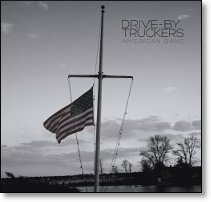
Music: Current count 27198 [27183] rated (+15), 390 [381] unrated (+9). Low rated count. Best explanation I can offer is that I took big chunks from a couple days to work on a drainage project in the back yard, and also spent a day cooking for friends (Mexican recipes for ceviche and corn-on-the-cobb rolled in cotija, Cuban recipes for red beans & rice and a chicken fricasee, fried plantains, and key lime pie). But also many of the records below took a lot of time: the three Springsteen titles (leftover from last week) total seven discs, and at least five of the others got three or more plays (up to six). Actually, when I went to close the week out last night, I only had 14 new rated records -- added Danny Brown and John Lindberg today (two of those multiplay albums). Or maybe I've just been bummed. Seems like everything is getting hard these days. Aside from the physical wear and tear, I had to deal with a server outage last week -- one of those things that periodically make me wonder whether it's worth the trouble to pay for the damn thing. Even more tedious, I've been collecting reviews from Recycled Goods for possible use in my book-in-progress, Recorded Jazz in the 21st Century: A Consumer Guide. Took me a couple seconds to concatenate 115 columns (427k words) and about three weeks to scroll through them and pick out the jazz reviews. I added the post-2000 records to a working file which currently has about 5000 reviews to add to the 21st century book. Still have Jazz Prospecting (110k words) and Rhapsody Streamnotes (641k words) to go, and I might as well do that before I start integrating all that material into the book. Meanwhile, I took the opportunity to open a second book file, Recorded Jazz in the 20th Century: A (Haphazard and Woefully Incomplete) Consumer Guide, and stuffed most of my Recycled Goods pre-2000 jazz reviews into it (currently 136 pages). You can look at a PDF here. I haven't set up a download page for it. It's not even a real project at this point, just a repository. I will say, though, that by the time I got through the Recycled Goods columns, I was wishing I had set up a similar file for other things, especially African music. The database shows I have 703 rated African (and Middle Eastern, mostly from North Africa) albums. That's a fair start toward a record guide, but barely. I figure Robert Christgau would be in a better position to do a Consumer Guide to African Music: his African Set List adds up to 613 albums, but it looks like I haven't updated the list links since sometime in 2003 (max artist id = 5394 (of 7331), max album id = 11171 (of 16849). A quick search for albums with higher artist ids or VA albums with higher album ids generated a list of 2185 albums, but the actual number that should be added to the set list is probably less than 200. (If anyone wants to sort them out, please let me know.) Christgau's review of Drive-By Truckers is here. He also flagged the Handome Family's Unseen as a HM. For what little it's worth, I had Unseen as an A- last week. New records rated this week:
Old music rated this week:
Unpacking: Found in the mail last week:
Ask a question, or send a comment. Monday, September 26, 2016 Music Week
Music: Current count 27183 [27153] rated (+30), 381 [376] unrated (+5). Most of this week's list already appeared in last week's Streamnotes. Since then I saw Steven Colbert's show-long interview with Bruce Springsteen, checked out his new sampler, and decided I should go back and finally listen to the back catalog I had ignored -- one studio album (The Ghost of Tom Joad), a bunch of live albums, and today I've been slogging through the Tracks box set. Also spent a lot of time last week combing through the old Recycled Goods files, in preparation of adding a bunch of records to my draft book, Recorded Jazz in the Early 21st Century: A Consumer Guide (if you haven't downloaded the 144-page first pass yet, go to the form here). After 2-3 weeks toil, I still have about 25% of the columns to process. From there the next large cache of writings is the Streamnotes archive -- about twice the size of Recycled Goods (821k words vs. 427k). While going through Recycled Goods, I decided it would be cleaner if I also stashed the reviews of older jazz into another book draft file, so I opened one called Recorded Jazz in the 20th Century, and it's currently up to 75 pages. I figure that's a much lower priority, and seriously doubt I'll ever make a serious effort to clean it up and flesh it out, but it's kind of nice to have around. New records rated this week:
Recent reissues, compilations, and vault discoveries rated this week:
Old music rated this week:
Grade changes:
Unpacking: Found in the mail last week:
Ask a question, or send a comment. Sunday, September 25, 2016 Weekend RoundupI don't plan on watching Monday's first debate between Donald Trump and Hillary Clinton. I'm not someone still trying to figure out where I stand on those two, and I can't conceive of anything either might say that might make a difference to me -- although I do harbor a fear that Hillary might come off as so hawkish she makes Trump look sane (at least relatively, for the moment). Besides, if I did watch, I'd probably be preoccupied with trying to figure out how each nuance and tick affects other folks' views -- you know, the people who don't know enough to know any better. I'm still haunted by that 1984 debate where Walter Mondale ran circles around Ronald Reagan -- the most one-sided debate I ever saw, yet 32 years later the only thing other people remember about it was Reagan's quip about not holding his opponent's "youth and inexperience" against him. Reagan won in a landslide that year -- one of the stupidest decisions the American people ever made (and there's plenty of competition for that title). Besides, I'll read plenty about it. And I'll probably tune in Steven Colbert's after-debate Late Show. Meanwhile, no comments on the political links below. The current 538 odds favor Clinton at 57.5%, popular vote 46.7-44.8%, the electoral college teetering on Colorado, New Hampshire, and Pennsylvania -- those currently favor Clinton (62.7%, 63.0%, 68.2%) but Trump can win by tipping any one of those three (or Wisconsin or Michigan). The "chances" exaggerate much smaller percentage edges (D+ 2.2%, 2.7%, 3.1%), but all three (and the election) would remain Democratic if the votes were equal (on the other hand, Trump is less than 2.0% ahead in Nevada, Florida, North Carolina, and Ohio). Some scattered links this week:
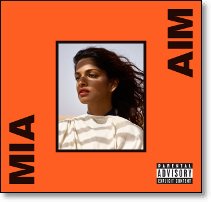
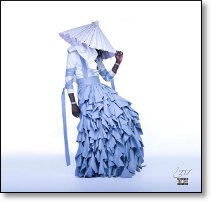
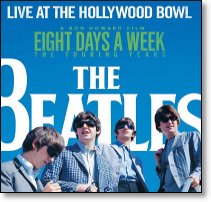
Ask a question, or send a comment. Thursday, September 22, 2016 Streamnotes (September 2016)Lot of jazz below (112 out of 126 new records, 88.9%; also 17 out of 23 old music, 73.9%). A big part of that was my decision to try to track down all of the jazz albums on Downbeat's Readers Poll ballot. I wound up covering 165 of 186 albums (88.7%, up from the 60.2% I had heard at ballot time), my mop up operation discovering three A- records and five B+(***), and a lot of things I was sensible not to have bothered with in the first place. I can think of three other factors behind this focus. One is that I had a large (mostly seasonal) dip in incoming mail so ran out of new things on CD. Second is that after the flurry of mid-year lists I haven't bothered to follow the non-jazz online review sites (which probably had their own seasonal dip), while my favored resources for such genres have been relatively quiet. Third is that I had the bright idea of compiling my Jazz Consumer Guide reviews into book form, so I've been thinking more about jazz, and have the prospect of a second, longer-term outlet for new jazz reviews. By the way, download the book here. The main exception to all that jazz was a break for a reissue of The Beatles at the Hollywood Bowl, recorded in 1964 and 1965, released on LP in 1977, and unavailable on CD (except in Japan) until it was repackaged as a tie-in to Ron Howard's new Beatles-on-tour film. I noticed a while back that Rhapsody had belatedly secured rights to stream the Beatles' catalog, but I was so familiar with the 15 canonical CDs released in 1988 that I figured I hardly needed to every play them again. Same could also be said for the 1962-1966 compilation, which I had rated based on a borrowed copy, and for that matter the 1967-1970 compilation I missed, not that there was anything even remotely unfamiliar on it. But after Live at the Hollywood Bowl, I played those compilations, and followed those with the three 2-CD Anthology sets from 1995-96, which proved even more trivial than the Past Masters sets. Still missing Live at the BBC, and those old Hamburg boots, but that's about it. The experience left me with two thoughts. One is that I had forgotten what earworms many Beatles songs are. Since I played the compilations, I'm pretty sure that my head was filled with one Beatles tune or another every waking moment I've had without other music on. The second is that while I've long considered myself a partisan of the early albums (culminating in Help!), the songs rattling around in my head have mostly been later ones. I should probably have gone back and refreshed my memory of the last three studio albums (from the white album, graded B+, B, B) -- probably haven't heard any of them in thirty years (aside from the "Naked" version of Let It Be). One more note: I found it rather amusing when I started wrapping this up to see 13 A- jazz album covers followed by Brittany Spears. That's not why I went back and revisited MIA and Young Thug -- I had planned on doing that anyway, thinking they might be albums that a bit more exposure to might nudge them up a notch. They're still not high on the A-list but they did make the grade. Most of these are short notes/reviews based on streaming records from Napster (formerly Rhapsody; other sources are noted in brackets). They are snap judgments based on one or two plays, accumulated since my last post along these lines, back on August 25. Past reviews and more information are available here (8632 records). Recent Releases
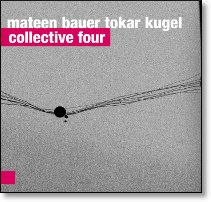
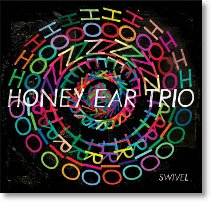
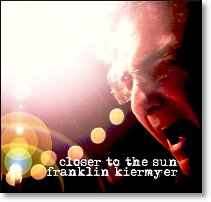
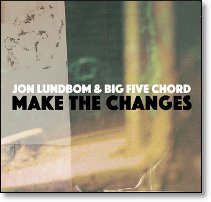
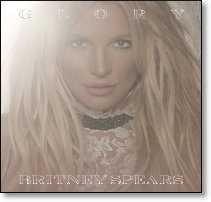
Paolo Angeli/Robert Burke/Mirko Guerrini/Jordan Murray/Stephen Magnusson/Stefano Tamborrino: Sardinian Liturgy (2015 [2016], Jazzhead): Australian group, guitarist Angeli is the one with Sardinian roots, building around a folk style called canto a tenore. Not sure who the tenor is (probably Angeli), but the vocals are less to my taste than the convoluted music. B+(*) Carol Bach-y-Rita: Minha Casa/My House (2016, Arugula): Standards singer, from Spain (I think) but grew up in Northern California, studied at UC Berkeley, lived at times in Mexico, Italy, and France. Second album. Brazilian influence, title (but only one song) in Portuguese, band led by Larry Koonse (guitar) and Bill Cantos (piano). Does a striking "Nature Boy," an energetic "Night in Tunisia," two originals. B+(**) [cd] The Bad Plus: It's Hard (2016, Okeh): Piano trio, formed in 2000 after Reid Anderson (bass) and Ethan Iverson (piano) had quickly established themselves as formidable young musicians, with Dave King flexing muscle on drums. Their early albums worked a surprise cover like "Smells Like Teen Spirit" in, giving them a melodic hook to hang their improvisation off of. Lately they've gotten away from that, but looks like their new label ordered up more covers, so here's a whole album of them. Many odd choices, none all that impressive, or really even that hard. B+(*) Shirantha Beddage: Momentum (2014 [2016], Factor): Identifies himself as a baritone saxophonist but credit here, on his fifth album, reads "woodwinds and keyboards." David Restivo also plays the latter, and they're backed by two bassists (one acoustic, one electric) and two drummers. The baritone resonates, the tunes mainstream enough he's been nominated for a Juno, but nothing overly slick. B+(***) [cd] Bent Shapes: Wolves of Want (2015 [2016], Slumberland): Indie pop band led by Ben Potrykus and Andy Sadoway, their main punkish trait a compulsion to wrap up their ten songs in less than thirty minutes (28:02). B+(**) Mili Bermejo/Dan Greenspan: Arte Del Dúo (2016, Ediciones Pentagrama): Voice and bass duets, intimately bound and balanced, not that I can follow the lyrics -- Spanish, I presume, given that singer Bermejo was born in Argentina and raised in Mexico City (also a professor at Berklee since 1984). B+(***) [cd] Seamus Blake: Superconductor (2015 [2016], 5Passion): Saxophonist, born in England, grew up in Vancouver BC, studied at Berklee, wound up in New York. Mainstream, usually an imposing tenor but loses that on soprano, especially when the electronics hold sway, nor do vocals help. B- Seamus Blake/Chris Cheek With Reeds Ramble: Let's Call the Whole Thing Off (2015 [2016], Criss Cross): Two tenor sax leads, they've done this thing before on 2014's Reeds Ramble with this same group: Ethan Iverson (piano), Matt Penman (bass), Jochen Rueckert (drums). Standards, Latin tinge, Jobim, originals that fit in, very friendly. B+(**) Anthony Branker & Imagine: Beauty Within (2016, Origin): Composer, finds other musicians to play his pieces, coming up with an all-star quintet for this set of prickly postbop: Ralph Bowen (tenor/soprano sax), Pete McCann (guitar), Fabian Almazan (piano), Linda Oh (bass), Rudy Royston (drums). B+(**) Joshua Breakstone/The Cello Quartet: 88 (2016, Capri): Guitarist, mostly works in organ-driven soul jazz groups, trades the organ in for a cello here -- just one, Mike Richmond, the quartet including Lisle Atkinson (bass) and Andy Watson (drums). The cello isn't even that prominent, but Breakstone gets a tasty groove out of one original and eight tunes from bebop-era pianists, from Tadd Dameron and Lennie Tristano to Mal Waldron and Cedar Walton. B+(**) [cd] Brian Bromberg: Full Circle (2016, Artistry): Bassist, plays electric and acoustic, has 21 albums since 1986, some pop, some fusion, some mainstream (two recent albums were tributes, one to Hendrix, the other Jobim, and you don't have to dig deep to find one for Jaco Pastorius). First cut is a surprise -- evidently his father was a Dixieland drummer and this is built around one of his tapes. No idea who's doing what elsewhere -- cover shows drums, acoustic and electric basses, each played by Bromberg. Still, he probably hired out the horns and keyboards and maybe the guitar, but they all meld together into slick anonymity. B Peter Brötzmann/Heather Leigh: Ears Are Filled With Wonder (2015 [2016], Not Two): Duet, Leigh on pedal steel guitar, Brötzmann playing tenor sax, bass clarinet, tarogato, and B-flat clarinet over one 28:10 track (far be it from me to call anything this difficult an EP). Not sure what to make of the pedal steel, but Brötzmann is always Brötzmann. B Burning Ghosts: Burning Ghosts (2015 [2016], Orenda): Tag line: "expressionist metal-jazz from the LA underground," promising "an uncompromising, incendiary artistic response to ubiquitous injustice," with Daniel Rosenboom (trumpet), Jake Vossler (guitars), Richard Giddens (bass), and Aaron McLendon (drums). The clash can exhilarate, but they lose your attention when they regroup. B+(**) Will Calhoun: Celebrating Elvin Jones (2016, Motéma): Drummer to drummer, but most of the likeness is limited to the drums, as the albums Jones led were kind of scattered, going wherever the other musicians took him. That happens here too, with Keyon Harrold (trumpet), Antoine Roney (tenor/soprano sax, Carlos McKinney (piano), and Christian McBride (bass) playing rather ordinary postbop, then Jan Hammer shows up for some queasy fusion. B Ron Carter Quartet & Vitoria Maldonado: Brasil L.I.K.E. (2016, Summit): Maldonado is a perfectly fine singer, don't know anything else about her, especially on the standards that the legendary bassist's orchestra serves up so ripely. In case you're wondering, "L.I.K.E." stands for "Love, Inspiration, Knowledge, Energy." B+(*) [cd] Chris Cheek: Saturday Songs (2015 [2016], Sunnyside): Tenor saxophonist, claims to "present" this, perhaps reluctance given his last signed album came in 2006, or perhaps just to step aside as he asserts that the album is "starring" Jorge Rossy (drums/vibes/marimba), Steve Cardenas (guitar), Jaume Llombard (bass), and David Soler (pedal steel). Soft-toned and grooveful, something that worked better in the Claudia Quintet, perhaps because that band had a leader. B The Roger Chong Quartet: Funkalicious (2016, self-released): Guitarist, has a couple albums, this one backed with keyboards-bass-drums. Not as funky as the title implies, but that's probably for the best. I'd even call it tasteful, most memorably on the closing hymn, "Shall We Gather at the River." B+(*) [cd] Stanley Clarke/Biréli Lagrène/Jean-Luc Ponty: D-Stringz (2015, Impulse!): Bass (double, guitarron), guitar, and violin, plus a bit of percussion (Steve Shehan) on two cuts. All have long and notable careers -- Biréli released his first Django tribute in 1980, Clarke started out in the fusion '70s, Ponty's discography dates back to 1964 -- although I can't say I've followed them (3 Clarke albums, nothing over B; 1 Ponty, a B playing Frank Zappa; no Lagrène). Still, they fit together nicely, at least until they slow it down. B+(**) Cobalt: Slow Forever (2016, Profound Lore, 2CD): Black metal band, formed in 2001 in Colorado, released three albums 2005-09, after which founder Phil McSorley left, replaced here by new vocalist Charlie Fell with Erik Wunder playing everything else. Not something I'd normally bother with, but Chris Monsen put it on his list, and it occasionally reminded me of what I imagine to be metal's appeal, with a piece like "King Rust" pounding out a hypnotic pattern. But before long it descends back into hyper shrieking and loses me. B The Cookers: The Call of the Wild & Peaceful Heart (2016, Smoke Sessions): All-star septet -- Eddie Henderson (trumpet), David Weiss (trumpet), Donald Harrison (alto sax), Billy Harper (tenor sax), George Cables (piano), Cecil McBee (bass), Billy Hart (drums) -- mainstream players these days, came together for an album in 2010 and have five now. The solos show why they're stars, but hitching all that horn power together can get heavy and bog them down. B+(*) Ian William Craig: Centres (2016, 130701): Ambient electronics plus Craig's vocals, which range from bare samples to choirlike, not something I've ever found all that appealing. B Elysia Crampton: Demon City (2016, Break World, EP): Electronica producer from Bolivia to Virginia and back, follows up her exceptional 2015 debut American Drift by "presenting" a mini-album (seven cuts, 25:26) of collaborations with Rabit, Chino Amobi, Lexxi, and Why Be. Notes I've seen cite "an epic poem . . . an official document of the Severo style" with one song named for Bolivian revolutionary Bartolina Sisa. Indeed, this often feels epic, but I can't say as I understand why. B+(***) Tim Davies Big Band: The Expensive Train Set (2013-15 [2016], Origin): Drummer, leads two big bands here, one in Los Angeles, his adopted home, and the other in his native Melbourne, Australia. B [cd] De La Soul: And the Anonymous Nobody (2016, AOI): Not worth the trouble sorting it all out, but this sounds like three or four markedly different EPs on random play, and one of them, if separated out, I'd probably like a lot (the one belonging to their mid-period, the one that left its name on their label). As for the others, there's the hippy-dippy shit they started with, and something else I've already blotted out of my memory. B+(**) Gonzalo Del Val Trio: Koiné (2015 [2016], Fresh Sound New Talent): Drummer, from Spain, leads a trio with Marco Mezquida on piano and David Mengual on bass, all writing with covers from Gershwin ("I Got Plenty O' Nuttin'"), Jobim, and Jarrett. B+(*) Dinosaur: Together, as One (2016, Edition): British jazz quartet, with trumpet player Laura Jurd riffing over bubbling electronics, roughly equidistant from postbop, soul jazz, and fusion, so not really in any of those bags. B+(**) The Dirty Snacks Ensemble: Tidy Universe (2014 [2016], Gotta Groove): Project led by Oakland-based vibraphonist Mark Clifford, with Aram Shelton (reeds) and Kristina Dutton (violin) in the band. Music is oblique, slippery, with some tinkle, but hard to express how bad two vocal pieces are, more due to the ill-fitting music than to Elise Cumberland's voice. C+ [bc] Lajos Dudas Quartet/Deutsche Kammerakademie Neuss: Brückenschlag (2015 [2016], Jazz Sick): Must seem like an honor for your jazz quartet to join onstage with a "new" classical string orchestra -- not really full symphonic strength, but who's counting? -- and have a couple of your compositions worm their way into a program of Webern and Bartok. I dig the clarinetist, born in Hungary but long based in Germany, but the strings not so much, so find this waxes and wanes. B+(**) [cd] Mats Eilertsen: Rubicon (2015 [2016], ECM): Bassist, from Norway, website discography shows 66 albums but they're mostly side credits -- this is his first on ECM, seventh overall. Two saxes (Eirik Hegdal and Trygve Seim), sometimes poking the limits, other times filling in with Harmen Fraanje on piano and Thomas T Dahl on guitar. B+(***) [dl] Eska: Eska (2015, Naim Edge): Last name Mtungwazi. Brit singer-songwriter, plays many instruments, may or may not have been born in Zimbabwe (sources disagree) but was raised in Lewisham, London. First album (after an EP), nominated for a Mercury Prize, showed up on an "is that jazz?" list: short answer is "no" but with dramatic flares and occasional losing the beat I'd peg her in prog art song, somewhere between Sufjan Stevens and Björk. B+(*) [bc] Gene Ess: Absurdist Theater (2016, SIMP): Guitarist, liner notes describe him as a philosopher, originally from Tokyo, grew up on a US air base in Okinawa, has what you might call a "diverse" group: Manuel Valera (keyboards), Yasushi Nakamura (basses), Clarence Penn (drums), Thana Alexa (voice). Slick, except when she returns scat to its roots. C [cd] Paolo Fresu/Richard Gallliano/Jan Lundgren: Mare Nostrum II (2014 [2016], ACT Music): Trumpet, accordion (and bandoneon and accordina), and piano, second album together. They play jazz deeply imbued with European folk standards, softened up into a calm prettiness, what they call "the sound of Europe." B+(**) Satoko Fujii/Joe Fonda: Duet (2015 [2016], Long Song): Avant piano-bass duets. Fonda has a lot of experience with adventurous pianists, notably with Matthew Shipp and Michael Jefry Stevens, and it helps to focus on his work here, even when the pianist takes your breath away. After the 37:10 piece dedicated to the late Paul Bley, trumpeter Natsuki Tamura joins in for the 11:20 finale. B+(***) Charles Gayle Trio: Christ Everlasting (2014 [2015], ForTune): Legendary avant saxman shows up at the Dragon Club in Poznan (Poland), picks up a bassist (Kasawery Wojcinski) and a drummer (Klaus Kugel -- both, by the way, names I'm familiar with -- and they let it fly. They play old favorites by Monk, Rollins, Coltrane, and Ayler, and Gayle shares credits for five of his hymns ("Joy in the Lord," "Blessed Jesus," etc.). Midway the old man takes a break and plays a bit of his convoluted cocktail piano, but he comes back breathing fire. A- [bc] Generations Quartet: Flow (2015 [2016], Not Two): Three veterans -- Oliver Lake (alto sax), Michael Jefry Stevens (piano), Joe Fonda (bass) -- their birthdates spanning 1944-54 so more or less of the same generation, and a drummer I hadn't heard of, presumably much younger. Lake wrote three pieces, Fonda and Stevens two each. Fierce and imaginative, my only reservation that it may be a bit too harsh, but I can't help but be impressed by their energy. A- David Gilmore: Energies Of Change (2015 [2016], Evolutionary Music): Guitarist, from Massachusetts, played in Steve Coleman's M-Base, fourth album since 2000. Band features Marcus Strickland in impressive form on alto/tenor/soprano saxes and bass clarinet, backed by a well-known rhythm section -- Luis Perdomo (piano), Ben Williams (bass), Antonio Sanchez (drums) -- all the while insinuating the leader's guitar into the mix. B+(**) Ricardo Grilli: 1954 (2016, Tone Rogue): Guitarist from Brazil, studied at Berklee and is based in New York. Quartet, with Aaron Parks on piano, Joe Martin on bass, and Eric Harland on drums. Strong suit is flow. He doesn't exactly sound like Wes Montgomery, but pushes that vibe hard. B+(**) [cd] Barry Guy/Marilyn Crispell/Paul Lytton: Deep Memory (2015 [2016], Intakt): Bassist-led piano trio playing Guy's pieces, a couple of which let Crispell break out some awesome avant piano chops. Not sure that's enough, but the more subdued stretches offer much of interest, and the drummer is used to holding his own. B+(***) [cdr] Scott Hamilton/Harry Allen: Live! (2014 [2016], GAC): Friendly tenor sax duel, about as close as you can come these days to witnessing Lester Young and Coleman Hawkins square off, this time in Santa Cruz -- the six cuts include "Tickle Toe" and "Body and Soul"). Pianist Rossano Sportiello is a fan of both, as am I. A- Craig Hartley: Books on Tape Vol. II: Standard Edition (2015 [2016], self-released): Pianist, in a trio with Carlos De Rosa on bass and Jeremy Clemons on drums. One original, six (or seven) standards -- the last a mashup of "Imagine" and "Peace Pipe" -- starting with sprightly takes of "Caravan" and "Jitterbug Waltz." B+(***) [cd] Hearts & Minds: Hearts & Minds (2014 [2016], Astral Spirits): Eponymous group album, a trio of Chicago avants -- Jason Stein (bass clarinet), Paul Giallorenzo (synthesizer), and Frank Rosaly (drums) -- organized into Side A and Side B for vinyl or, in my case, a fairly short CD. Free, jumpy, but with the soft touch the horn is noted for. B+(***) [cd] Gilad Hekselman: Homes (2014 [2015], Jazz Village): Israeli guitarist, based in New York. Low key album, mostly backed by drums, plus bass on one cut, nothing very conspicuous. One-third covers, including Baden Powell and Pat Metheny. B+(*) Hiromi: Spark (2016, Telarc): Japanese pianist Hiromi Uehara, seventh album since 2003, piano trio, sometimes electric, with Anthony Jackson (contrabass guitar) and Simon Phillips (drums). Flashy in spots, generally upbeat, no surprises. B+(*) Anna Högberg: Attack (2016, Omlott): Swedish avant group, led by the alto saxophonist, confronting two tenor saxophonists (Elin Larsson and Malin Wättring), backed by choppy piano (Lisa Ullén), bass, and drums -- all women. A favorite of some critics I follow, but unfortunately I could only find it on Spotify, which (like Soundcloud) doesn't seem to understand when a record is over. Harsh high energy, not sure whether it might win me over. B+(***) [sp] Honey Ear Trio: Swivel (2014 [2016], Little (i) Music): Sax-bass-drums trio, with Jeff Lederer, Rene Hart, and Allison Miller -- I filed their 2011 debut under Erik Lawrence but he's the only one who didn't return. Lederer has less power but trickier moves (cf. his Brooklyn Blowhards earlier this year). All three write (also Thelonious Monk), and Kirk Knuffke (cornet) joins on three tracks. A- [cd] Dylan Howe: Subterranean: New Designs on Bowie's Berlin (2014, Motorik): British drummer, son of Yes guitarist Steve Howe, has played in rock bands (like Ian Dury's Blockheads) and has several albums with his jazz quintet. Nine instrumentals from David Bowie's Eno-produced 1977 albums Low and "Heroes" with two saxes, piano + synths, guitar, two bassists, and his old man on koto. Much lusher than the spare synths Eno deployed, heightening the melodies without jazzing them up all that much. B+(**) Christoph Irniger Pilgrim: Big Wheel Live (2015 [2016], Intakt): Swiss tenor saxophonist, leads a quintet with piano (Stefan Aeby), guitar (Dave Gisler), bass and drums. Free but mild-mannered, even when nothing is settled. B+(***) [cdr] Darrell Katz and OddSong: Jailhouse Doc With Holes in Her Socks (2015 [2016], JCA): Katz's Jazz Composers Alliance Orchestra has long played with the idea of avant-classical mashup. Here he crafts something we might as well call opera (no adjectives required), with Rebecca Shrimpton singing texts by the late Paula Tatarunis -- an arty affair I have little patience for, not that I don't appreciate a guest appearance by Oliver Lake. B [cd] Franklin Kiermyer: Closer to the Sun (2015 [2016], Mobility Music): Drummer, has a thing for the scattered sacred musics of the world but mostly the late sainted Coltrane. Conventional sax quartet, no one I've ever heard of -- Lawrence Clark (tenor sax), Davis Whitfield (piano), Otto Gardner (bass) -- but they're thrilling when they run wild, and when they slow down you hang on the tension. A- [cd] Sinikka Langeland: The Magical Forest (2015 [2016], ECM): Singer from Norway, although she appears to be more rooted in Finnish folk music, even playing kantele. Group names on cover: Arve Henriksen (trumpet), Trygve Seim (tenor/soprano sax), Anders Jormin (bass), Markku Ounaskari (percussion), and Trio Mediaeval (vocals) -- the vocal drama penetrating the frosty jazz air. B+(**) [dl] Joëlle Léandre/Théo Ceccaldi: Elastic (2015 [2016], Cipsela): Avant bassist and violinist, both from France, she is well established since 1982, he has a handful of albums since 2011. They keep this tight and interesting. B+(**) [cd] Lydia Loveless: Real (2016, Bloodshot): Alt-country singer-songwriter from Columbus, Ohio. Early on she seemed poised to kick up some serious shit, but she's gotten more generic with each album, and this one finally lands her in the middle of nowhere. B Romero Lubambo: Setembro: A Brazilian Under the Jazz Influence (2015, Sunnyside): Guitarist, from Brazil, plays acoustic as much or more than electric, goes solo here, showing you his approach and technique but unless you're rapt that may not be enough. B+(*) Jon Lundbom & Big Five Chord: Make the Changes (2016, Hot Cup, EP): Guitarist, group includes formidable saxophonists Jon Irabagon and Bryan Murray, Moppa Elliott on bass and Dan Monaghan on drums. The fourth and last of this year's promised set of EPs, to be released digitally September 30 along with a 4-CD package rolling them all up. I'm not wild about the marketing concept -- stretches my work and filing out on what could just as well have been two CDs in a single package. Main economy would be that they're very consistent, with a slight nod to EP:3 Play All the Notes. Four cuts, 31:34. A- [cdr] Raymond MacDonald & Marilyn Crispell: Parallel Moments (2010 [2014], Babel): Scottish saxophonist (alto, soprano), has a dozen or so albums since 2005, mostly duos or small groups with everyone's name on the marquee. This is a duo with the renowned avant-pianist, a live set from Vortex in London. She is in her usual fine form, while he is all over the place. B+(**) [bc] Made to Break: Before the Code: Live (2014, Audiographic): Ken Vandermark quartet formed in 2011, seven albums (including the two below, recorded a few days later on the same European tour), with regular drummer Tim Daisy, Jasper Stadhouders (electric bass), and Christof Kurzmann (laptop/ppooll -- some kind of audio/visual software system, based on lloopp and presumably turned inside-out). Starts with live rehash of their Before the Code album (Trost), adding a 5:19 "Dragon Improvisation." Holds back at first, trying to let the rhythm find its slot, but the sax is as compelling as ever. B+(**) [bc] Made to Break: N N N (2014 [2015], Audiographic): Digital-only, four tracks totalling 97:50, so would require two CDs. Nothing feels rushed here, the subterranean growl of the bass pulling Vandermark toward his r&b roots. A- [bc] Made to Break: Dispatch to the Sea (2014 [2016], Audiographic): More from not just the same group but the same date in Antwerp. Three longish pieces (65:03), the electronics filling in the gaps, but the leader finally breaks loose with awesome sax runs -- all he really needs to do. A- [bc] Joe McPhee: Flowers (2009 [2016], Cipsela): Solo alto saxophone, recorded live in Coimbra: seven pieces, each one dedicated to an artist -- five I easily recognized as fellow alto saxophonists, the other two graphic artists Alton Pickens and Niklaus Troxler. The one for Ornette Coleman cleverly weaves in signature lines, but nothing so familiar for the others. B+(*) [cd] Francisco Mela: Fe (2016, self-released): Cuban drummer, moved to Boston in 2000. Nothing especially Latin this time: sparkling Leo Genovese piano, Gerald Cannon on bass, and John Scofield scarcely evident on guitar. B+(**) MIA: AIM (2016, Interscope): British dance revolutionary, parents from Sri Lanka, fifth studio album, says it will be her last, and indeed at 41 she seems to be winding down, with only a few memorable songs, none qualifying as bombs. Widely panned, which is unfair and foolish, as even her toned-down beats crack glass, and the whisps of South Asian music are still world class. But the bonus tracks on the Deluxe are not cost-effective. A- Michelson Morley: Strange Courage (2016, Babel): British quartet, from Bristol: Jake McMurchie (saxophones), Dan Messore (guitar), Will Harris (bass guitar), Mark Whitlam (drums). They produce a sort of minimalist fusion, where the rock component draws a line from Eno through My Bloody Valentine to Tortoise. B+(*) Cameron Mizell: Negative Spaces (2016, Destiny): Guitarist, evidently not the music producer written up in Wikipedia, has a previous solo EP. This a trio with Brad Whiteley on organ and keyboards, and Kenneth Salters on percussion things -- an old soul jazz formula but while maintaining a groove this doesn't feel very soulful. B [cd] Nils Petter Molvaer: Buoyancy (2016, Okeh): Norwegian trumpet player, started in group Masqualero and later on his own cut a remarkable series of jazztronica albums, from Khmer in 1998 through ER in 2006 (perhaps the best). Quartet with Geir Sundstøl (guitars, including pedal steel, resonator and banjo), Jo Berger Myhre (basses, guitars, and synth), and Erland Dahlen (percussion), everyone indulging themselves in electronics. Still, not much to show for it, mostly spacey ambiance. B+(*) Moskus: Ulv Ulv (2015 [2016], Hubro): Norwegian piano trio -- Anja Lauvdal (piano, harmonium, synths), Fredrik Luhr Dietrichson (double bass), Hans Hulbaekmo (drums, Jews harp, percussion, saw, wind) -- joined on two cuts by Nils Økland on Hardanger fiddle. But even without the guest, the piano loses primacy here to industrial-leaning electronics. B+(**) Bob Mould: Patch the Sky (2016, Merge): Ex-Hüsker Dü, Sugar too (if you care; I can't say as I do). He still wraps his songs in a overblown tornado of guitar, so characteristic it serves as a trademark even while rendering the songs indistinguishable. B+(*) Sabir Mateen/Conny Bauer/Mark Tokar/Klaus Kugel: Collective Four (2015 [2016], ForTune): Last names only on the cover, playing reeds (mostly alto and tenor sax), trombone, bass, and drums, on three long pieces recorded live in Poland. Mateen shows up in a lot of avant groups but rarely as the leader -- Discogs credits him with 28 albums, but his name comes first only eight times, and they also show him belonging to 27 other groups. He's incendiary here, and the Europeans, especially Bauer, are up to the challenge. A- [bc] Shawn Maxwell: Shawn Maxwell's New Tomorrow (2016, OA2): Alto saxophonist, from Chicago, has a couple of previous albums I didn't care for, but he pushes his postbop out toward the edge with this quintet, using three different trumpeters, Matt Nelson on keyboards, Junius Paul on bass (acoustic & electric), and Phil Beale on drums. B+(**) [cd] Tom McCormick: South Beat (2016, Manatee): Saxophonist (tenor, soprano, flute), teaches in Miami, don't think he has any other albums under his own name, but he has side credits going back to the mid-'70s. Band leans Latin, and gets better when they flaunt it. Six originals, covers of Coltrane and Silver plus two standards. B+(*) [cd] Pat Metheny: The Unity Sessions (2014 [2016], Nonesuch): Guitarist, very popular guy and very serious (although not necessarily at the same time). He unveiled a new quartet in 2012 with phenomenal saxophonist Chris Potter, Ben Williams on bass, and Antoni Sanchez on drums, and they recorded a second album in 2013, Kin -- which I see from the hype sheets won a Grammy and was the Downbeat Readers Poll's album of the year (I gave it a B-). They then went on a 150-gig tour, picking up Giulio Carmassi (piano, flugelhorn, whistling, synth, vocals) somewhere along the way, and recorded this material, originally released as a DVD in 2015, at the end. A long and very mixed bag, one that doesn't diminish my respect for Potter's chops, but which also reminds me that even with Metheny eschews groove he doesn't have many better ideas. B Tony Moreno: Short Stories (2015 [2016], Mayimba Jazz, 2CD): Drummer, born in New York, teaches at NYU. Notes here say his mother was a harpist, and he was given his first set of drums at age 10 by Elvin Jones, which sounds to me better than being called to God. Not sure what else he's done -- there's a drummer Anthony Moreno who recorded some records on Italian labels in the late 1980s -- but this is a big project, with contributions by a not-quite-all-star quintet, with Marc Mommaas (tenor sax), Ron Horton (trumpet), Jean-Michel Pilc (piano), and Ugonna Okegwo (bass), and covers of Duke Ellington and Kenny Wheeler. B+(**) [cd] Mostly Other People Do the Killing: (Live) (2012 [2016], ForTune): Bassist Moppa Elliott's piano-less quartet, with Peter Evans on trumpet, Jon Irabagon on sax, and Kevin Shea on drums, recorded live at Jazz Klub Hipnoza in Katowice, Poland. Made their reputation by blowing up bebop (and sometimes postbop) convention -- a fascinating conceptual coup on their studio albums, but just an excuse for mischief live. B+(***) Naima: Bye (2015 [2016], Cuneiform): Group, originally founded as a sax quartet in 2006, now a piano trio led by Enrique Ruiz, with Rafael Ramos Sanía on bass and Luis Torregrosa on drums. The trio can play acoustic or plug in. The former is interesting but not all that striking. The latter can get heavy, and hammy. B+(*) [dl] The Phil Norman Tentet: Then & Now: Classic Sounds & Variations of 12 Jazz Legends (2015 [2016], MAMA): Near-big band, led by the tenor saxophonist, half-dozen albums since 1997, most recently an In Memoriam of Bob Florence. Repertory here, I should recognize everything but "Lullaby of Birdland" and "Manteca" jump out at me, even more so the upscaling of "Take Five." B+(***) [cd] Lina Nyberg: Aerials (2016, Hoob Jazz, 2CD): Swedish jazz singer-songwriter, has close to twenty albums since 1993, this the first I've heard. First disc is a live set of mostly flight-themed standards backed by a rather scattered avant quartet of piano (Cecilia Persson), guitar (David Stackenäs), bass, and percussion, a provocative mix. Second disc is bird-themed, sung against the darkened backdrop of the Vindla String Quartet. This latter half is less appealing, but I'm still impressed. B+(**) Ray Obiedo: Latin Jazz Project Vol. 1 (2016, Rhythmus): Guitarist, from the Bay Area, references suggest he's closer to pop jazz (early albums on Windham Hill) than to Latin jazz, although he's also done fusion and rock (Rhythmus 21, Sheila E) with many side credits (especially Herbie Hancock and Pete Escovedo). Rifled his phonebook for a couple dozen musicians here, picked songs with more jazz than Latin cred, and spiced them up nicely. B+(**) [cd] Opaluna: Opaluna (2016, Ridgeway): Singer Susana Pineda and guitarist Luis Salcedo, with occasional help from "special guests" Jeff Denson (bass) and John Santos (percussion). Recorded in Berkeley, going for that fake Brazilian folkloric effect. B [cd] Hanna Paulsberg Concept: Eastern Smiles (2015 [2016], Odin): Third group album, Norwegian quartet led by tenor saxophonist Paulsberg, with piano (Oscar Grönberg), bass (Trygve Waldemar Fiske), and drums (Hans Hulbaekmo). Sort of a Rollins feel, a very tasteful sax-lovers album running a bit more than mainstream. A- Ralph Peterson/Zaccai Curtis/Luques Curtis: Triangular III (2016, Truth Revolution/Onyx Music): Drummer-led piano trio. Normally I would parse the cover left-to-right and file this under pianist Zaccai Curtis, but Peterson's centered name is a tad larger, and he has two previous Triangular albums on his resume with different groups (Geri Allen and Essiet Essiet in 1988, David Kikoski and Gerald Cannon in 2000). The bassist is a familiar name, but somehow I hadn't bumped into his older brother before. B+(**) Enrico Pieranunzi: Proximity (2013 [2015], CAM Jazz): Italian pianist, has been recording regularly since 1975, has even become somewhat known in the US thanks to his trio with Marc Johnson and Joey Baron. Quartet here, with Matt Penman on bass, Ralph Alessi on trumpet/cornet/flugelhorn, and Donny McCaslin on tenor/soprano sax. Hard to get much speed without a drummer, but the result is often lovely. B+(**) Enrico Pieranunzi with Simona Severini: My Songbook (2014 [2016], Via Veneto): Piano trio plus trumpet on two cuts, sax on three, plus singer Severini. Mostly original material, nothing you can easily hang on to even though most are in English. B+(*) Dominique Pifarély Quartet: Trace Provisoire (2015 [2016], ECM): French violinist, records go back to 1981 though he's rarely been in charge. The rhythm ranges free, with pianist Antonin Rayon often moving out front, bassist Bruno Chevillon and drummer François Merville beating the bushes, the bits of melody blocked out abstractly. B+(***) [dl] John Pizzarelli: Midnight McCartney (2015, Concord): Guitarist-singer arranges and records thirteen post-Beatles McCartney songs, using shifting groups, sometimes strings, sometimes horns, the occasional backing chorus, some Brazilian percussion. Aims for light and frothy, and gets that more often than not. B Bobby Previte & the Visitors: Gone (2015 [2016], ForTune): American drummer playing in Poland, quartet with Michael Kammers (tenor sax, organ, piano), Michael Gamble (guitar), and Kurt Kolheimer (bass), all brimming with energy and fairly compatible with the leader's fusion instincts. B+(*) Joshua Redman & Brad Mehldau: Nearness (2011 [2016], Nonesuch): Saxophone and piano duets, a format at least among mainstream players meant to imply intimacy, done here with a live audience. Nicely crafted, spare, often lovely, rarely inspired. B+(**) Little Johnny Rivero: Music in Me (2016, Truth Revolution): Percussionist (conga, bongo, timbales, "and other"), has worked with Orquesta Colon and Eddie Palmieri, keeps the salsa beat moving while a band including Brian Lynch (trumpet), Zaccai Curtis (piano, Fender Rhodes), Luques Curtis (bass), drums, and various guests vamp away. B+(***) [cd] Rønnings Jazzmaskin: Jazzmaskin (2014 [2016], Losen): Norwegian group: Petter Kraft (tenor sax), Martin Myhre Olsen (alto sax), Egil Kalman (double bass), Truls Rønning (drums), the only musician without a writing credit the namesake. First album, label has the title as above but Discogs makes it eponymous. Rousing two-horn brawl for the most part, some breaks I'm less sure of. B+(***) Jamison Ross: Jamison (2015, Concord): Singer-songwriter, also plays drums, starts with a Muddy Waters blues but mostly favors soul. B Catherine Russell: Harlem on My Mind (2016, Jazz Village): Late-blooming singer, started at 50, some 43 years after her famous father father, bandleader Luis Russell (1902-63), passed on. This is her sixth album, perhaps her most retro -- for her father's heyday (see Retrieval's 2-CD The Luis Russell Story 1929-1934) and the following decade). Five songs arranged for tentet by Andy Farber, smaller groups directed by banjoist Matt Munisteri, all impeccable, as is the singer -- the only fault I see, but not one to get worked up about. A- Arturo Sandoval: Live at Yoshi's (2015, ALFI): Cuban trumpet player, played in Irakere, met Dizzy Gillespie in 1977 and recorded with him several times before "defecting" to US in 1990. Has dozens of albums, ten Grammys, a Presidential Medal of Freedom. Flashy trumpet, congas, bebop-era standards plus a "Dear Diz (Every Day I Think of You)," the leader both crooning and scatting. B+(*) Shabaka and the Ancestors: Wisdom of Elders (2015 [2016], Brownswood): Led by tenor saxophonist Shabaka Hutchings, born in London but moved to Barbados when he was six, presumably back to England as an adult, where he also plays in Sons of Kemet and The Comet Is Coming. This was recorded in Johannesburg "to immerse himself in the country's rich musical heritage," most likely with local musicians to fill out the septet plus singer (Mandla Mlangeni). I can't say as he found the real South African vibe, but still managed some interest and appeal. B+(*) Naomi Moon Siegel: Shoebox View (2015 [2016], self-released): Trombonist, from Seattle, recorded this on both coasts and in Costa Rica over nine months so the lineups vary, but they always provide some soft contrast for the soulful trombone leads. B+(*) Edward Simon: Latin American Songbook (2016, Sunnyside): Pianist, from Venezuela, based on Bay Area, albums date back to 1995. Piano trio, with Joe Martin on bass and Adam Cruz on drums, picking through songs from Argentina to Cuba, thoughtfully focusing on the melodies without spicing up the rhythm. B+(**) Ferenc Snetberger: In Concert (2013 [2016], ECM): Hungarian guitarist, has records going back to 1991, several with Arild Andersen and Markus Stockhausen. First on ECM, a live solo, delicately played, pleasant, not without interest. B+(*) [dl] Mark Solborg & Herb Robertson: Tuesday Prayers (2016, ILK): Guitar and trumpet, second duo album together. Agreeably abstract, but too sparse to really hold your interest. B Sonic Liberation 8: Bombogenic (2015 [2016], High Two): Kevin Diehl's former Sonic Liberation Front, shorn of most of the horns and voices but still built around Cuban bata drums, joined here by guests in small type: the Classical Revolution Trio (violin and two cellos), who tilt this toward post-classical weepy abstraction, and alto saxophonist Oliver Lake, who brings us back to avant-jazz. A- [cd] Omar Sosa/Joo Kraus/Gustavo Ovalle: JOG (2015, Otá): Keyboards (piano, Fender Rhodes, Motif ESB, samplers, effects, vocals), trumpet (flugelhorn, effects, vocals), percussion. Title seems to come from first initials, and J's name appears on cover top left, but I find the album more often attributed to Sosa, often without mentioning his lesser known collaborators. The voices are spoken, a minor part of the flow like the electronics but they move the groove into novel territory, the slower bits atmospheric, the fast ones compelling. A- Britney Spears: Glory (2016, RCA): Ninth album, big time pop production, every song written by a committee with at least two producers making sure no trick goes unturned. Still, sounds very much of a piece, with G-Eazy's second-cut rap elevating a game that doesn't bother with any more guest stars, and doesn't let you miss them. A- Vinnie Sperrazza/Jacob Sacks/Masa Kamaguchi: Play Tadd Dameron (2015 [2016], Fresh Sound New Talent): Piano trio, listed in drums-piano-bass order, playing pieces from a pianist who has turned out to be one of the most covered composers of the bebop era. Feels a bit skeletal to me without horns but eventually the melodies come through. B+(**) Tomasz Sroczynski Trio: Primal (2015 [2016], ForTune): Polish violinist, partial credit on a couple other albums but I don't know much else about him. Trio, with bass (Max Mucha) and drums (Szymon Gasiorek). Free jazz, clicks more often than not, drummer most impressive. B+(**) [bc] Vince Staples: Prima Donna (2016, Def Jam, EP): Short, sketchy, built around fragments, short lines and short beats, some come close to working but seems like too much work to keep on top of them, and not enough reward. (Seven cuts, one cut short by a gunshot, 21:44.) B+(**) Matthew Stevens: Woodwork (2014 [2015], Whirlwind): Guitarist, from Toronto, seems to be his first album although he's had a couple dozen side credits since 2006, notably with Christian Scott. Original material (aside from the David Bowie cover), tricky postbop with piano (Gerald Clayton), bass and drums. B+(*) Michael Jefry Stevens: Brass Tactics (2008 [2016], Konnex): Avant-pianist, based in Memphis which has kept him way off the beaten path despite recording sixty-some albums. This one is solemn, built on brass tones: two trumpets (Dave Ballou and Ed Sarath) and a pair of trombones (Steve Swell and Dave Taylor), occasionally supplemented by the leader's piano. B+(*) Eric St-Laurent: Planet (2016, Katzenmusik): Guitarist, based in Toronto, backed by piano-bass-percussion, the originals supplemented by three covers that help pinpoint the artist in space and time: Beethoven, Charlie Parker, Carly Rae Jepson. Lightweight, easy going, tends to slip past me. B+(*) [cd] Al Strong: Love Strong Volume 1 (2016, Al Strong Music): Trumpet player, from DC, now based in Raleigh-Durham area. First album, can wax soulful on ballads, or kick up a funk storm on a Monk tune. B+(**) [cd] Dave Stryker: Eight Track II (2016, Strikezone): Guitarist, usually works with saxophonist Steve Slagle but decided to try a no horns groove record, anchored by Jared Gold's organ with excellent sparkle from Steve Nelson's vibes. All covers, rock and soul standards -- the ones I always notice are "When Doves Cry," "Time of the Season," and "Signed, Sealed, Delivered," but looking at the list I could kick myself for not identifying the rest. B+(***) [cd] Steve Turre: Colors for the Masters (2016, Smoke Sessions): Trombonist, also plays shells to much the same effect, fronts a classic mainstream rhythm section -- Kenny Barron on piano, Ron Carter on bass, Jimmy Cobb on drums -- adding Cyro Baptista for a little spice on "Corcovado," and saxophonist Javon Jackson to shadow his trombone leads. Hard to imagine a more risk-free can't fail project. B+(**) The U.S. Army Blues: Swamp Romp: Voodoo Boogaloo (2008 [2016], self-released): Your tax dollars at work, and there's no doubt the Army routinely spends more for less value this group spun off from "Pershing's Own" United States Army Band. Credits include "Leader and Commander" (Colonel Thomas Rotondi, Jr.) and "Enlisted Leader" (Command Sergeant Major Ross N. Morgan, Jr.), although neither play. Basically a mix of trad jazz ("Tiger Rag," "Millenburg Joys"), songs that sound related (Duke Ellington and Stevie Wonder), or at least belong in Louisiana ("Jambalaya," "You Are My Sunshine"), and a few fitting originals (by trombonist SFC Harry F. Watters and trumpeter SFC Graham E. Breedlove). B [cd] Peter Van Huffel/Alex Maksymiw: Kronix (2015 [2016], Fresh Sound New Talent): Alto sax and guitar, respectively, duets that mostly range free. B+(*) Glauco Venier: Miniatures: Music for Piano and Percussion (2013 [2016], ECM): Italian pianist, seems to straddle jazz and classical, mostly original pieces performed solo -- much more piano than percussion, but he's credited with both. Self-contained, thoughtful, nevery splashy. B+(**) [dl] Cuong Vu/Pat Metheny: Cuong Vu Trio Meets Pat Metheny (2016, Nonesuch): Vu is a postbop trumpet player from Vietnam, his trio including Stomu Takeishi on bass and Ted Poor on drums. Metheny helps fill in, but the trumpet remains front and center. B+(*) Waco Brothers: Going Down in History (2016, Bloodshot): Chicago bar band, led by English painter and radical Jon Langford (Mekons, Three Johns, many other bands) and Dean Schlabowske (who called his own previous band Deano and the Purvs). Hard, straight and narrow, almost to a fault. B+(***) [sp] The Doug Webb Quartet: Sets the Standard (2016, VSOP): Mainstream tenor saxophonist doing standards stuff, backed expertly by Alan Broadbent on piano, the charmingly named Putter Smith on bass, and Paul Kreibich on drums. But he takes a while to find his groove, tempted as he is to try out his stritch and soprano on songs that really deserve a deep tenor vibrato. B+(*) White Denim: Stiff (2016, Downtown): Alt-indie band formed in Austin in 2006, not without hooks or appeal although they haven't broken through for me yet. B+(*) Anthony Wilson: Frogtown (2016, Goat Hill): Guitarist, son of big band arranger Gerald Wilson, sings on several songs here, most impressively the opening blues, but he's also winning on laid back ballads. One unpleasant bit, the short instrumental "Mopeds" -- some kind of fandango? -- but several things suggest he's aiming at Ry Cooder, and sometimes he makes that work. B+(*) Florian Wittenburg: Eagle Prayer (2014-15 [2016], NurNichtNur): From Berlin, works with electronics, plays some piano, has a couple albums including the recent Aleatoric Inspiration. The electronics flutter and shimmer ambiently, the piano stepping tactfully. B+(**) [cd] Nate Wooley: Seven Storey Mountain V (2015 [2016], Pleasure of the Text): Avant-trumpeter, also credited with tape here. I count eighteen musicians, ten playing brass from piccolo trumpet to amplified tuba, a contrabass clarinet (Josh Sinton) and bass sax (Colin Stetson), two violins, two vibraphones, two drummers, but they don't have big band moves. In fact they hardly move at all, cranking out one giant 49:16 slab of noise with just enough filigree to stay interesting. B+(*) Nate Wooley: Argonautica (2016, Firehouse 12): One 42:53 piece, "a sonic analog [built in three parts] to the epic poem of the same name," performed by what might be called a "double trio": two brass leads (Wooley on trumpet, Ron Miles on cornet), two keyboards (Cory Smythe on piano, Jozef Dumoulin on Fender Rhodes and electronics), and two drummers (Devin Gray and Rudy Royston). Has a couple dead spots where they're regrouping, but downright powerful when they all get in sync. B+(**) [bc] Lizz Wright: Freedom & Surrender (2015, Concord): Singer from Georgia, started in the church (father was minister and musical director), fifth album since 2003, has a share of 9/13 writing credits. Not a very exciting, jazzy, or even soulful singer but calm and solid, something that works with the right song -- "Somewhere Down the Mystic," for instance, or "To Love Somebody." B+(*) Rik Wright's Fundamental Forces: Subtle Energy (2016, Hipsync): Seattle-based guitarist, quartet with bass, drums, and soft reeds -- James Dejoie on bass and regular clarinet -- keeping subtle the energy, a fusion pulse with scant urgency. B+(*) [cd] Pawel Wszolek Quintet: Faith (2016, ForTune): Bassist, I figure this for some form of postbop, with guitarist Lukasz Kokoszko taking most of the melodic leads and pianist Sebastian Zawadzki fattening them up, while the sole horn, Mateusz Sliwa's tenor sax, holds back until his show-stopper at the end. B+(**) [bc] Yellowjackets: Cohearence (2016, Mack Avenue): Popular jazz group, founded thirty-five years ago in 1981 by keyboardist Russell Ferrante and bassist Jimmy Haslip (departed 2012, replaced here by Dane Anderson), picking up drummer Will Kennedy in 1987 (to 1999, returning in 2010) and saxophonist Bob Mintzer in 1991. The difference this time is that this time, aside from a lovely "Shenandoah," the rhythm -- even Ferrante's comping -- is much freer, which gives Mintzer something interesting he can riff against. B+(**) Yells at Eels: In Quiet Waters (2013 [2015], ForTune): Avant-trumpet trio, a family affair led by Dennis González, with sons Aaron (bass) and Stefan (drums), although each member has a long list of credits, mostly extra percussion and voice (a terminal sing-along). Quality trumpet, furious rhythm, at one point the record erupts in applause because that seems like the only way to cap the swell. B+(***) [bc] Young Thug: No, My Name Is Jeffery (2016, 300 Entertainment/Atlantic): Aka Jeffery, Jeffery Williams' third mixtape this year, none especially long (38:03 here, not counting a "bonus track" I haven't heard). First cuts establish his mischievously crude humor, after which he needs to do is mug, although the tense beats make the difference. A- Brandee Younger: Wax & Wane (2016, Revive Music, EP): Harpist, seems to have a couple previous self-released albums, this one a spin off from the Supreme Sonacy sessions, with a group that includes tenor sax (Chelsea Baratz), flute (Anne Drummond), violin/viola (Chargaux), guitar (Mark Whitfield), electric bass, and drums -- all sideshows to the shimmering lead. Seven tracks, 26:46. B+(*) Denny Zeitlin: Early Wayne: Explorations of Classic Wayne Shorter Compositions (2014 [2016], Sunnyside): Pianist, cut his first albums in 1964 five years after Shorter's debut, fifty years before he sat down for his live solo piano dive into ten of the saxophonist's 1965-74 tunes. B+(*) Recent Reissues, Compilations, Vault Discoveries
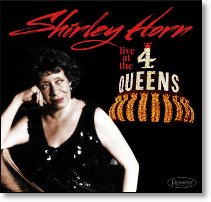
The Beatles: Live at the Hollywood Bowl (1964-65 [2016], Universal/Apple): Pieced together from two August shows a year apart, originally released in 1977 as The Beatles at the Hollywood Bowl, only now repackaged as a tie-in to Ron Howard's Eight Days a Week documentary, with four extra tracks (17 total) stretching the album to 43:27. Pre-Rubber Soul, they play basic rock and roll -- including six covers -- and play it fast, clear and crisp even given the non-stop scream torrent from the crowd. No cause to favor any of this over the studio originals (even the covers), but no reason not to revel in the whole experience either. A- Harry Beckett: Still Happy (1974 [2016], My Only Desire, EP): British trumpet player from Barbados, died in 2010, a player I've long meant to check out, but this radio shot may not be the place -- the trumpet and sax decent enough over pleasant but electric piano groove. Three cuts on vinyl, 28:48. B Born to Be Blue: Music From the Motion Picture ([2016], Rhino): Soundtrack to the Chet Baker biopic, starring Ethan Hawke and set in the late 1960s as Baker managed something of a comeback. Aside from pieces by Mingus and Odetta, Baker's music is all re-recorded by pianist David Braid's quartet, with Kevin Turcotte better than perfect on trumpet, plus occasional string sections and Hawke doing his own vocals, even sketchier than the originals. Despite Turcotte, no reason to buy this over any of many perfectly good Baker comps, although I can't complain much about anything that lets me hear "Haitian Fight Song" again. B+(*) Peter Erskine Trio/John Taylor/Palle Danielsson: As It Was (1992-97 [2016], ECM, 4CD): Drummer, best known for Weather Report, got his name out front on the four piano trio albums collected here, an epic of good taste and precision -- i.e., not the sort of thing Weather Report fans might care for. The albums are broken out under "old music" below, but they are so even and consistent there's no real point in doing so. B+(*) [dl] Shirley Horn: Live at the 4 Queens (1988 [2016], Resonance): A major jazz singer from 1965 to her death in 2005, and such a sparkling pianist she not only accompanied herself but was in demand for non-vocal sessions. At some point I need to go back and listen to the albums she released in her lifetime (only four in my database), but this is the sort of posthumous record that motivates such a search. Backed with bass, drums, and her own impeccable piano, she covers standards she made a career of (including two Jobims, and a definitive "Lover Man"), reminding us she was major indeed. A- [cd] Miles Ahead [Original Motion Picture Soundtrack] ([2016], Columbia/Legacy): Narrated by Don Cheadle, star of the Miles Davis biopic but packed mostly with Davis classics, giving way at the end to Robert Glasper picking up the torch. Assuming what you need from Davis is better served by his own discography, and noting that an expanded set of Glasper is available on his own Everything's Beautiful, I'm inclined to rate this as background dinner music for folks who could care less. Some classic music but the only piece that caught my attention was Pharoahe Monch's closing rap, keyed to Keyon Harrold's trumpet. B+(*) Revive Music Presents Supreme Sonacy, Vol. 1 (2015, Revive Music/Blue Note): Released to mark the tenth anniversary of Revive Music, originally "a boutique live music agency that specializes in producing genre-bending, creative-concept live music shows" but lately has been signing musicians like Maurice Brown, Marcus Strickland, and Brandee Younger and releasing albums, often with distribution via Blue Note (EMI, Universal). This is framed as a live package show with intro and interludes by Raydar Ellis, but also remixes so seems a bit patched up. Discounting the remixes, seven acts, mostly one track each, the more conventional horns impressive, the genre-bending less so. B- Tanbou Toujou Lou: Merengue, Kompa Kreyou, Vodou Jazz & Electric Folklore From Haiti (1960-1981) (1960-81 [2016], Ostinato): Culled from radio archives and Brooklyn basements, a stylistic hodge-podge with borrowings from Cuba and Colombia and the Dominican Republic and a hint of what later developed as Zouk, this seems more generic than you'd expect from the long independent, isolated, and impoverished half-island. B+(***) Old Music
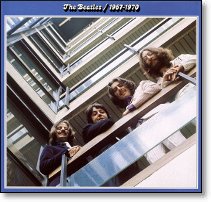
Ray Anderson/Han Bennink/Christy Doran: A B D (1994-95 [2011], Hatology): Trombone-percussion-guitar, same trio previously recorded the album Azurety. Prickly but scattered, the guitar most likely to surprise. B+(**) The Beatles: 1967-1970 (1967-70 [2010], Apple, 2CD): In 1973 Beatles manager Allen Klein picked fifty-four songs from his group's oeuvre for a pair of canonical 2-LP sets, the group's first (and aside from 2000's The Beatles 1 only) best-of compilation. Both had cover photos with the same background, the 1962-1966 showing the foursome as moptops, this one as longhairs, the former framed in red, this one in blue. The early one ended with "Eleanor Rigby" and "Yellow Submarine" (from Revolver). The late one starts with non-album singles "Strawberry Fields Forever" and "Penny Lane," followed by four cuts from Sgt. Pepper's Lonely Hearts Club Band. I replayed the short (26-cut) 1962-1966 and can confirm that it's still a full A, although that scarcely elevates it from any of its seven constituent albums (based on the UK releases, the only A- A Hard Day's Night). However, sometime in the 1970s I soured on the later albums -- the self-indulgent "white album," Abbey Road, Let It Be -- so this compilation actually has some room to improve. It does, but in a way that reminds you how bright their individual talents burnt before cooling into self-caricature. In limited doses, even the shlock can be magnificent. A The Beatles: Anthology 1 (1958-94 [1995], Capitol, 2CD): Trivia with short bits of after-the-fact interview, the first disc starting with juvenilia that wouldn't hold any interest had they not grown out of it -- nothing sounds remotely decent until track 11 and the first identifiable Beatles song is track 22 ("Love Me Do"). The first disc ends with five tracks (three covers) from a live shot in Stockholm. Second disc has more demos, outtakes, and live hits and covers, but at least by then you know the band. B+(**) The Beatles: Anthology 2 (1965-95 [1996], Capitol, 2CD): After the bait cut -- "Real Love," a John Lennon demo from 1979 the remaining ex-Beatles harmonized with in 1995 -- this trivia trawl picks up with February 1965 outtakes from Help! and ends with an alt-take of "Across the Universe" from February 1968. One thing that becomes clear here is how experimental many of the takes were, not that you'll have much trouble figuring out why these particular ones were initially released. B+(**) The Beatles: Anthology 3 (1968-70 [1996], Apple/Capitol, 2CD): Trivia from the period that spans three albums I never liked much -- The Beatles ("the white album"), Abbey Road, and Let It Be -- although I was surprised to find myself enjoying the highlights packed into 1967-1970. The opposite here, as the demos and outtakes lose not only the slick ickiness the album versions but also what little shape and appeal they had. One thing this dive reminded me of is what incredible earworms so many of their songs were, yet as I finished this I found nothing still rattling around in my head. B Harry Beckett's Flugelhorn 4+3: All Four One (1991, Spotlite): Four flugelhorns, with Jon Corbett, Chris Bathelor, and Claude Deppa joining Beckett, backed by Alastair Gavin on piano, bass, and drums. Slo-mo bebop, not helped by a Jan Ponsford vocal, but picks up toward the end. B Peter Brötzmann/Masahiko Satoh/Takeo Moriyama: Yatagarasu (2011 [2012], Not Two): Sax-piano-drums trio, Brötzmann playing tenor, tarogato and B-flat clarinet. The latter usually soften him up a bit, but this is all slash-and-burn, and the others are probably having more fun playing in the chaos than you are witnessing it. B+(**) Christy Doran: What a Band (1991 [1992], Hat Art): Guitarist, born in Ireland, raised (and evidently still based) in Switzerland. Title's a joke, as this is solo, but he gives us many looks and sounds, and even works in some percussion. B+(***) Pierre Dørge & New Jungle Orchestra: Live at Birdland (1999 [2003], Stunt): Danish Guitarist, modeled his ten-piece group on Ellington's early orchestra -- "The Mooche" is in the songbook -- but his African fantasies shirk neither danger nor ecstasy (not avant but no garden variety swing either). B+(***) Peter Erskine/Palle Danielsson/John Taylor: You Never Know (1992 [1993], ECM): Drummer-led piano trio, only one piece by the leader vs. four by pianist Taylor, two by Vince Mendoza, one Cole Porter. Not much beyond the piano, which comes and goes. B+(*) [dl] Peter Erskine/Palle Danielsson/John Taylor: Time Being (1993 [1994], ECM): Same piano trio, the leader writes more but it's still mostly pianist Taylor's show. B+(*) [dl] Peter Erskine/Palle Danielsson/John Taylor: As It Is (1995 [1996], ECM): Some high points here where the pace and volume picks up, but not many. B+(*) [dl] Peter Erskine/Palle Danielsson/John Taylor: Juni (1997 [1999], ECM): More piano trio, light and delicate, no hint of anything more. B+(*) [dl] Marco von Orelli 6: Close Ties on Hidden Lanes (2010 [2012], Hatology): Swiss trumpet player, first album, ornate postbop sextet with trombone, bass clarinet, piano (Michel Wintsch), bass, and drums, dotes and dabbles without making much impression. B Marco von Orelli 5: Alluring Prospect (2015, Hatology): Trumpet lead, trombone shadow (Lucas Briggen), Michel Wintsch's piano leading the rhythm section. B+(*) Additional Consumer News:Previous grades on artists in the old music section.
NotesEverything streamed from Napster (ex Rhapsody), except as noted in brackets following the grade:
Ask a question, or send a comment. Monday, September 19, 2016 Music Week
Music: Current count 27153 [27128] rated (+25), 376 [374] unrated (+2). First, I screwed up last night and misnumbered my Weekend Roundup post, so for various technical reasons the link I tweeted last night needs to be removed. Since the half-life of tweets seems to be less than two hours, the old one should soon be forgotten. Second, here again is the download link for my book-in-progress, Recorded Jazz in the Early 21st Century: A Consumer Guide. It is currently at what I call Stage One, which is to say that I've collected and sorted reviews from all of the 2004-11 Jazz Consumer Guide columns, but haven't done much further editing. Stage Two will add reviews for many more records: things I'm currently collecting from my Jazz Prospecting, Recycled Goods, and Rhapsody Streamnotes files. I currently have all of the JCG prospecting notes collected, and about one-third of Recycled Goods, so I'm at least a week away from starting to revise the draft. The PDF file is unchanged from last week, so no need to download it again, but if you haven't yet, please do. I've made a couple of piddly decisions on formatting since then: to remove the bold from the parenthetical label/year, and to change the year notation from '## to -## -- the latter because I've started to use "smart quotes" and getting all that consistent is going to be difficult. I'm also considering making a fairly substantial change to the grading system. I thought it might be better to convert the letter grades (with their 3-star subdivision of B+) into a numeric scale (1-10). My first attempt at a conversion was: 10 = A+, 9 = A, 8 = A-, 7 = B+(***), 6 = B+(**), 5 = B+(*), 4 = B, 3 = B- or C+, 2 = C or C-, 1 = any D, 0 = any E. Two problems there, one at the top of the scale, the other near the bottom. The former started when I initially applied my letter grade scale to my records list, A and A+ made sense only for records that had stood the test of time and many plays. However, after JCG started my working methodology changed so that I almost never managed the several dozen plays those older records had enjoyed. I basically stopped using those grades. For instance, the one and only A+ I've given to a jazz record released this century was James Carter's Chasin' the Gypsy, and that was released in 2000. (I'm pretty sure my most recent A+ was Lily Allen's It's Not Me, It's You in 2009, although it didn't get promoted until several years later.) Actually, there's not much A+ jazz earlier either: I count 41 albums, one each (or more in parens, but some are redundant) for: Louis Armstrong (5), Ornette Coleman, John Coltrane, Miles Davis (2), Duke Ellington (9), Ella Fitzgerald (3), Coleman Hawkins (2), Billie Holiday (2), Fletcher Henderson, Johnny Hodges (2), Louis Jordan, Charles Mingus, Thelonious Monk, Art Pepper, Don Pullen, Sonny Rollins (3), Roswell Rudd, Jimmy Rushing, Pharoah Sanders, Horace Silver, Frank Sinatra, Art Tatum. That's out of 14032 jazz albums rated, so 1/334 (0.2%). That's, well, even I have to admit that's pretty picky -- rarefied even -- especially if the concept is to grade on some sort of curve. There are a good deal more A records, ten times as many (419, or 2.9% of the total), but they too are concentrated among older artists. From 2000 onward, I've given out 65 A grades (counting Carter's A+), an average of 4 per year (exactly, not counting 2016, which so far has 1). I don't have an easy way of counting the sample size there, but it's at least 5000 and probably closer to 7000 so we're looking at a number that will round off (probably up) to 1%. Seems to me like I could combine A and A+ at 10 and still have no more than 1% at that level -- less than 100 records covering two decades. The other problem is at the bottom. Keeping the three subdivisions of B+, which I think is well justified by my recent practice, pegging A- at 8 pushes B down to 4, and forces me to combine lower grades. This is less important, but intuitively it seems to me that B should be 5, and that the distinction between B- and C+ is meaningful (not that the difference between 4 and 3, or 3 and 2, is really going to sway any of your buying decisions). Below that matters less, not least because I put so little effort into discerning qualitative distinctions between records I actively dislike. In recent years my impression has been that each of the three B+ levels were fairly evenly distributed (possibly with a slight bulge in the middle, at **), with A- and B tapered off, and sub-B grades rare -- partly because I don't seek out records I'm unlikely to like, and partly because many of their publicists have given up on me. But I've never counted until now. I did three counts, first on the entire rated database (27526 albums), then on the jazz subset (14032), and finally on the post-2000 jazz subset (undercounted a bit at 8268), which breaks down thus: A+ 1 (0.01%), A 63 (0.76%), A- 883 (10.7%), B+(***) 1445 (19.0%), B+(**) 2122 (27.7%), B+(*) 1730 (22.6%), B 1064 (12.9%), B- 364 (4.4%), C+ 81 (0.97%), C 30 (0.36%) C- 15 (0.18%), D+ 2 (0.02%), D 2 (0.02%), plus 455 additional B+ albums (divided proportionately for the percentages; the overall B+ percentage is 69.56%). This actually looks rather like a pretty normal distribution, left-shifted by various factors biased in favor of selecting better records (ones I bought, sought out, or that savvy promoters sent my way) in an idiom that I broadly respect and enjoy. Or it may just be that the left-shift is to be expected, just because the skillset jazz demands is so exceptional. Taking all this into account, a few days back I proposed to shift my grade scale a bit leftward, combining A/A+ at 10 (still just the top 1% of rated albums), moving A- to 9 (10%, so the top decile), the B+ tiers to 8-7-6 (all records that will repay your interest), B to 5, B- to 4, C+ to 3, C or C- to 2, all D to 1. Of course, the latter ranks will be underrepresented. The only real reason for flagging a bad album is to warn consumers who might otherwise be tempted, but most bad records never tempt anyone -- they come from people you don't know or care about, and quickly vanish without a trace. So I wrote my proposal up and sent it around to various critics, most of whom didn't like it. For example, Robert Christgau wrote back: "I definitely think everything shd be a notch down, with perhaps a somewhat lenient view of what constitutes an A plus than in my system." So I should shift some A records to 10, leave the rest at 9, peg A- at 8, and let everything else fall accordingly, combining various lower grades I rarely use anyway. Splitting out more bins on the left would provide a more even distribution, but keeping 9 and 10 reserved for less than 1% also suggests a fetish for perfection that hardly anything can achieve. I'm not sure that's either useful or achievable. A couple others mentioned the Spin guide as a familiar model, with the implication that A- should be pegged at 8 (or maybe split between 7-8). However, my copy defines 10 as "an unimpeachable masterpiece or a flawed album of crucial historical importance" and 7-9 as "well worth buying, sure to provide you with sustained pleasure," and they even have kind words for 4-6 if you're "deeply interested in the artist or genre." I'm not sure what I'd be curious to see a histogram of those grades: how does the distribution line up with my own data? My mapping would put A- through B+(**) into the 7-9 range, as various degrees of records I recommend (indeed, that I store separately from recent jazz graded lower), while the 4-6 range gets B- to B+(*) -- the latter are records that I respect and sometimes even admire but don't much feel like playing again (those usually go to the basement, but thus far I haven't discarded any). Of course, if one started from scratch, one could devise an elegant distribution curve (say 4-7-10-13-16-16-13-10-7-4, or 2-5-9-14-20-20-14-9-5-2) and sort everything accordingly. But that assumes you can rank everything before slicing it into tranches, something that based on no small experience I find impossible. But more importantly for me, I need some way to mechanically transcribe the letter grades I have into numerical grades. So while I might get a more pleasing curve if I could move the uper half of my A- records from 8 to 9 and the upper third of my B+(***) albums from 7 to 8 and slide some slice starting at B+(*) down a notch, it would be hell for me to try to figure out how to split my existing levels. (It's going to be bad enough just to divvy up the unsorted B+ records.) Sorry to run on like that. I imagine everyone's eyes glazed over, but mapping it all out like that is helping me think it through. I'll let you know when I reach a conclusion. Meanwhile, feedback always welcome. Minor discrepancy in the rated count, which only includes one of the three Made to Break albums below. I wrote up the others while working on this post, but thought it made more sense to keep them grouped together. The Beatles stuff was in response to the belated CD release of the Hollywood Bowl album. I also played 1962-1966, which I had previously rated at A and found every bit as great. I hadn't previously rated 1967-1970, but knew everything on it. Even so, better than I expected. I also meant to get the third Anthology in, but had some problems with Napster that locked me out for a couple days. Finally got to it tonight and, well, it's not very good. Might as well add it too. New records rated this week:
Recent reissues, compilations, and vault discoveries rated this week:
Old music rated this week:
Unpacking: Found in the mail last week:
Ask a question, or send a comment. Sunday, September 18, 2016 Weekend RoundupMostly writing this today because I have various tabs opened to possibly interesting articles, and it's only a matter of time before my antiquated browser crashes. Better, I think, to note them briefly than to lose them forever. I wrote some on the campaign horserace a couple days ago (see Looks Like She Blew It), and nothing much has changed on that front -- TPM still has Trump ahead by 0.1%, but 538 shows Clinton with slightly better chance of winning (61.3%, up from 60.0%). So she may still pull this out, but if she does she'll still wind up with the lowest share of popular vote since 1992, when someone else named Clinton won. Some scattered links this week:
Also, a few links for further study (briefly noted:
Ask a question, or send a comment. Friday, September 16, 2016 Looks Like She Blew ItTrump up 44.6% to Clinton's 44.5% in TPM's tracking poll together. Electoral college split 254-242 for Clinton, 42 "tossup" (need 270 to win). I tweeted:
I also replied to myself:
Was tempted to add something to the effect that maybe Bernie Sanders could rescue her campaign. We saw him with Seth Myers last night and he made a totally coherent, credible pitch for Clinton, based not at all on personal characteristics but on real political issues and commitments made in the Democratic Party platform. Still, my gut reaction was to swear off politics until November, then vote for Clinton so I could say "don't look at me" when Trump wins. The silver lining is that Clinton losing to Trump is pretty sure to destroy both major political parties, at least in the sense of discrediting their old controllers. Clinton's loss would be the end of her family control of the Democratic Party, creating a huge opening for new leaders to emerge, and those leaders would define themselves by how effective they are in opposing a certainly disastrous Trump regime. As for the Republicans, the only thing that breathed life into the GOP these past eight years was rage against an administration that they scarcely bothered to understand, instead taking its very existence as some sort of personal affront. With Trump winning they will lose their drive. Rather, they'll be forced to backpeddle and make excuses for an administration that is virtually certain to make one stupid mistake after another, not least temporary "successes" because at this point all Republican agendas are based on defective ideology. Sure, Trump winning will hurt lots of people -- in the long run I'd even say everyone -- and that's reason enough to vote against him. But if people can't see that now -- and it's really glaringly obvious, isn't it? -- then maybe they'll have to learn the hard way. Laura retweeted this from Connor Kilpatrick:
On the other hand, Trump would have been hard pressed to charge that Sanders is crooked and a liar, which are the charges that are doing the real damage to Clinton -- even though, sure, she's a piker in both respects compared to Trump. Her own aura of culpability -- all those irresponsible innuendos about "shadows" and "questions raised" that major media never seem to get around to disposing of -- evidently makes it that much harder for her to challenge Trump on those same grounds. But Sanders suffers from no such taint, which would have made him a clear contrast to Trump. I think that if there is any one thing that the American people overwhelmingly agree on -- much, much more than their "representative" politicians do (or more tellingly, are willing to do anything about) -- it's that Washington is a cesspool of corruption. Trump is tapping into that by claiming to be an outsider, a contrast that consummate insiders like the Clintons make easy, even for someone who freely admits to having bought influence (including from the Clintons -- recall the old joke that we know Iraq has WMD because we still have the receipts?) -- which should make him as big a part of the problem as the politicians (but, as with sex, we tend to go easier on those who buy than those who sell). On the other hand, if Trump had to run against Sanders, sure he'd try to paint him as some far-out wild-eyed radical -- and no doubt Trump's more rabid supporters would add "Commie" to the charges, but red-baiting like that seems to have lost much of its punch (not least from overuse against Obama, although pre-Cold War it was also ineffective against FDR). That isn't to deny that such charges would resonate among the donor class: Trump would have a clear money advantage against Sanders that he doesn't have against Clinton. But turning the contest into a referendum on the 1% vs. the 99% won't necessarily work in the billionaire's favor. (And if Bloomberg entered, as he threatened, wouldn't that just have split the 1% vote?) I got a response to my initial tweet from Robert Christgau:
First point: "inevitable." Hillary Clinton locked up the Democratic Party donor money so early that no mainstream Democrat dared to run against her. OK, O'Malley, but he started on the assumption that she wouldn't run and tried to pass his lame campaign off as a fallback, in case, you know, she got sick and incapacitated, or got indicted, or ran afoul of those "2nd Amendment People." Sanders, on the other hand, had issues to run on, and wound up totally bypassing the party's donor network. But Biden, for instance, gave up a huge structural advantage -- the last four sitting VP's who ran (Nixon, Humphrey, Bush, Gore[1]) easily won their party's nomination -- rather than oppose Clinton. Maybe this inevitability wasn't explicit -- and, sure, it never extended to a guaranteed win over any Republican -- but before the Sanders campaign kicked in as a real possibility even I was pretty much reconciled to Hillary being the nominee. The clincher for me was reading that she expected to raise more than a billion dollars for the race. Not even the Kochs were promising that much. I don't know what Bob's second sentence means -- seems like a victim of Twitter compression. I disagree that Sanders "lost big." Clinton won a solid 56% of the votes, a surprisingly lame showing given her initial advantages in recognition, money, and party organization, and over time she had to move notably toward Sanders' positions to stay competitive. As for attack ads, sure, neither candidate waged a scorched earth campaign, with Sanders being especially generous in waving off any concerns about her email controversy. Clearly, neither candidate wanted to split or weaken the party against the Republican nominee, but also both realized that the sort of gross slanders the Republicans use were unlikely to gain any traction among Democratic voters. Still, I don't see any point about the general election one can draw from this. We don't know whether Sanders would have been buried under a full-throated "red smear" attack, but we do know that Clinton has suffered a great deal from endlessly repeated attacks on her honesty and integrity, and that those issues have made it harder for her to gain from Trump's same (in many ways more blatant) faults. Back during the primaries many Clinton supporters argued that she was more electable than Sanders -- that she had been "vetted," having withstood the very worst the Republicans could do to her -- whereas they feared that Sanders would be ground to dust like Henry Wallace in 1948. All Sanders supporters could counter with were actual polls showing him doing better against most Republicans (but especially Trump) than she would do. All I can say is that she's turned out to be more compromised and more vulnerable than any of us expected. Sure, "blow" is my word, and true, she's only blown her lead (about 5-6 points at post-convention peak), not the whole race. Even today she might still win, and there's still way too much time left until votes are cast. She's sitting on a lot of money, which has yet to blanket the airwaves, and perhaps more importantly organize that "ground game." The election will ultimately hinge on how many people (and who) show up and vote. Obama excelled at that in 2012, while he let the Democrats flail in 2010 and 2014 -- an instance of selfishness at the top of the ticket that her husband practically invented. But what's different this time is Americans' Distaste for Both Trump and Clinton Is Record-Breaking. Motivation to vote this year largely hinges on who you detest the most. As the chart shows, back in March/April Trump was significantly more disliked than Clinton (looks like about 54% vs. 37%, the two highest figures going back to 1980). In The race is tightening for a painfully simple reason, Matthew Yglesias notes that her favorable/unfavorable poll split is now 42-56% ("truly, freakishly bad" -- chart here). Sure, Trump's is even worse, 38-59% (chart here), but has been relatively steady while her ratings have dipped, and being the "hate" candidate he's uniquely positioned to take advantage of her disapproval. Still, steering the campaign toward personal character issues isn't very smart when only 3% of the electorate view you less unfavorably. Of course, they're doing it because they realize how shady and shabby a candidate Trump is, but also because they don't understand how exposed Clinton appears to an electorate that is so sick of and disgusted by Washington's culture of corrupt insider favors. If they keep going down this path they're going to wind up reprising Edwin Edwards' winning campaign slogan when he ran for governor of Louisiana and was fortunate enough to draw KKK honcho David Duke as his opponent: "Elect the crook. It's important." But there is an alternative, which is to refocus the campaign on left-right economic issues, and appeal to the vast majority's sense of economic justice (and pocketbooks). There's so much mud in the water people will believe whatever they want about character issues, but there's no way to spin Trump's policies into something that helps a popular majority. Still, more important than persuade the occasional Trump fan to switch sides is to convince everyone else that they have much more at stake than stroking Hillary's vanity. FiveThirtyEight still gives Hillary a 60% chance of winning, wtih slim leads both in popular vote (46.5-44.3%) and electoral votes (289-249). They show Trump having gained the lead in four states that had previously been in the Democratic column: Florida (51.6%), North Carolina (54.6%), Ohio (57.6%), and Iowa (61.8%). Trump would have to hang on to those four, plus pick up Nevada (48.5%) and/or New Hampshire (36.1%) to win. Trump's next closest states are Colorado (34.5%), Pennsylvania (30.6%) and Wisconsin (30.4%). The actual percentage spreads are much closer, with Clinton leading by 3.7% in Wisconsin, 3.4% in Pennsylvania, 2.8% in Colorado, 2.8% in New Hampshire, and 0.3% in Nevada, whereas Trump leads by 0.2% in Florida, 0.7% in North Carolina, 1.3% in Ohio, and 2.2% in Iowa. It's also worth noting that she runs worse in four-way polls (i.e., the real world) than head-to-head against Trump, which is to say that when restricted to an either-or choice, more people who dislike both see Trump as the lesser evil. Johnson is polling about 9%, and Stein 2.7% -- as Yglesias notes Stein is actually doing better than Nader did in 2000. Clinton has had a problem all year long in that even when she had a big lead she was never able to crack 50% nationwide. [1] Before Biden, the only sitting VP since 1952 who didn't run for his party's nomination under the circumstances was Cheney, who took a rather perverse pride in his unelectability, and whose favorable ratings as the 2008 election approached were down around 9%, about half of Bush's. (In 1952 Truman VP Alben Barkley briefly ran, but withdrew due to considerations about his age [74] and failing health.) Sure, three of the four lost, but by very close margins. Offhand, I can't recall an open Democratic primary with less than five candidates. This year, the Republicans came up with sixteen -- evidently nearly every billionaire in the party felt entitled to field his own jockey, with Trump somehow gaining extra street cred for running himself. The Democratic Party may be at a disadvantage, but they're not that short of billionaires, but they all made a calculated decision not to cross the Clintons -- even though they saw eight years ago that she could be beat, and should have known that she'd be even more vulnerable this time. Ask a question, or send a comment. Monday, September 12, 2016 Music Week
Music: Current count 27128 [27090] rated (+38), 374 [369] unrated (+5). Fairly ordinary week here. I've mostly been looking for recent jazz beyond what's come in the mail. I don't think there's any non-jazz this week (aside from a Haitian comp that has Jazz in the title). Wound up playing many of the downloads I had been sitting on, including ECM's Peter Erskine (really John Taylor) box, and grabbed some older records while failing to find newer ones. Most turned out to be fairly unremarkable, but I did turn up two A- records fronted by saxophonists I've long enjoyed, one retro and one avant. I suppose the focus on jazz has been a side effect of starting a project to turn my old Jazz Consumer Guide columns into some sort of, well, I call it Recorded Jazz in the Early 21st Century: A Consumer Guide. I wrote 26 Jazz Consumer Guide columns for the Village Voice from April 2004 to May 2011 (archived here), self-published a 27th column in December 2011, and had a draft file open for a 28th. I managed to squeeze a little more than 1000 records into those columns, and I've collected all that writing in a Libre Office Writer file -- using default page and style formats it comes to 144 pages. Probably the best way to view it is as a PDF file, so I've set up a page you can use to download it (make sure you check the enable box -- my quick and dirty alternative to a captcha). The page has a form which asks for some questions before you download. I thought it might be nice to keep a count of how many times the file has been downloaded, and to collect some basic information, but the latter is strictly voluntary. I'm not sure, even, that I'll use any collected email addresses, but they would make it possible to interact more in the future. At 144 pages, the book is far from realizing the ambitions of its title. But I still have a lot more writing I can slide into the manuscript: starting with the 7th column in December 2005 I kept two extra files with extensive working notes ("Prospects" and "Surplus"), covering everything I listened to but didn't include in JCG. After that I posted Jazz Prospecting and Streamnotes, so I've done a fairly good job of covering new jazz from 2004 to present. There are also reviews in Recycled Goods columns from 2003 through 2013, and a few other scattered reviews (in Static Multimedia and the Village Voice). Thus far I've collected about half of the Prospects/Surplus files, some 330,000 words. Maybe half of that is redundant either with itself or with the published drafts, and what's left needs to be edited more compactly. Still, I expect that when I've done that -- what I call "stage two" -- the manuscript will more than double in size. Then on to "stage three" picking up the post-2011 drafts, which will almost certainly add a like amount. I'm less sure about "stage four," which involves trying to fill in important albums I missed -- most obviously from 2000-04 but also later. Perhaps that's why I've been focusing more on jazz lately. It's beginning to seem like I may have something tangible to show for what in recent years has often felt like a colossal waste of time. Not that I'm looking for sheer bulk, but any attempt to cover even just the highlights of jazz records since 2000 is bound to be massive: a quick check of my Music Database shows that I have listings for 9920 jazz albums where my earliest recording or release dats is 2000 or later. Some of those I haven't heard or rated -- about 10% of post-2000 artists (369/3773) -- so I could wind up expanding the current 144 pages by a factor of something like eight (to 1152 pages). I'm not sure I'm up for all that, but the hard part of the job has already been done. Would appreciate any feedback on the book project. New records rated this week:
Recent reissues, compilations, and vault discoveries rated this week:
Old music rated this week:
Unpacking: Found in the mail last week:
Ask a question, or send a comment. Sunday, September 11, 2016 Weekend RoundupWhen I woke up this morning, I didn't have the slightest notion that today was the 15th anniversary of the Al-Qaeda hijackings that brought down the World Trade Center. It's not that I don't remember waking up in a Brooklyn apartment fifteen years ago, looking out the window to see blue skies with a toxic white streak across the middle, emanating from the still-standing towers. I looked down and watched tired people trekking east with the subway system shut down. We watched the towers fall on TV. We saw interviews with John Major and Shimon Peres about how Americans now know what terrorism feels like, barely containing their gloating. We went out for lunch in an Arab restaurant not yet covered in American flags. That was a bad day, but also one of the last days before we went to war. For make no mistake: Bin Laden may have wanted to provoke the US into an act of war, but Al-Qaeda didn't start the war. That was George W. Bush, with the nearly unanimous support of Congress, to the celebration of vast swathes of American media. They made a very rash and stupid decision back then, and much of the world has been suffering for it ever since. Indeed, Americans less than many other people, as was shown by my ability to wake up this morning without thinking of the date. OK, so this is a typical day's news cycle in this election: Hillary Clinton commits a run-of-the-mill gaffe: Clinton Describes Half of Trump Supporters as 'Basket of Deplorables', by which she means "racist, sexist, homophobic, xenophobic, Islamophobic, you name it." Sort of true, but you're always on shaky ground when you start making generalizations about arbitrary groups of people, but that didn't stop her from making an appeal to the other half: "people who feel that government has let them down, the economy has let them down, nobody cares about them, nobody worries about what happens to their lives and their futures . . . Those are people who we have to understand and empathize with as well." Of course, coming from her that all sounds smug and condescending and, let's be realistic here, pretty hollow. Of course, the Trump campaign tried to make what they could of this, partly because they don't have anything real to offer. Still, what did they focus on: well, putting people into baskets, of course. First, there was Pence Blasts Clinton: Trump Backers 'Are Not a Basket of Anything', then there's Trump Campaign Goes After Clinton for 'Basket of Deplorables' Remark. One thing for certain, you can't slip a metaphor past these guys. But they also have a point, which is that when you start dividing people into arbitrary groups and making gross generalizations about them you dehumanize and disrespect them -- and that is as true of the "other half" as it is of the "deplorables." (Contrast Trump's own description of his supporters: "millions of amazing, hard working people.") Of course, in the Kabuki theater of American politics, every insult demands an apology, so whether she would or should not became the next anticipated story. Josh Marshall fired off This Is Critical: Hillary Can't Back Down, arguing:
Clinton, of course, immediately apologized; see Clinton Regrets Saying 'Half' of Trump Backers Are in 'Basket of Deplorables', where she conceded, "Last night I was 'grossly generalistic,' and that's never a good idea. I regret saying 'half' -- that was wrong." In other words, she admitted to a math error, realizing (unlike Marshall) that it doesn't matter how many Trump supporters are racist, sexist, etc. -- a point she made clear enough by repeating "deplorable" a many times in the next paragraph, all directed squarely where they belong, at Donald Trump. She also said, "I also meant what I said last night about empathy, and the very real challenges we face as a country where so many people have been left out and left behind. As I said, many of Trump's supporters are hard-working Americans who just don't feel like the economy or our political system are working for them." She still needs to find an effective way to communicate that, especially to people who are conditioned not to believe a single thing she says, who view her as deeply corrupt, part of a status quo system that is rigged against everyday people. Needless to say, these are problems that Bernie Sanders wouldn't be having. PS: Just when Trump was enjoying this news cycle, this story pops up: Crazed Trumper Assaults Muslim Women in Brooklyn. I guess there are some Trump supporters who are . . . well, isn't "deplorable" a bit more polite than they deserve? Also note: Trump: Clinton Could 'Shoot Somebody' and Not Be Prosecuted. Trump previously said, "I could stand in the middle of 5th Avenue and shoot somebody and I wouldn't lose any voters, OK?" What's this obsession he has with shooting people? Five-Thirty-Eight currently gives Clinton a 70.0% chance of winning, with a 3.5% edge in the popular vote and 310-227 in electoral votes. Iowa, which had a recent poll showing Trump leading, has inched back into Clinton's column, and she's less than a 60% favorite in North Carolina, Ohio, Florida, and Nevada. Meanwhile, the only red states where Trump is less than an 80% favorite are Arizona (65.7%), Georgia (73.0%), and Alaska (79.9%). Some scattered links this week:
Also, a few links for further study (briefly noted: |