|
An occasional blog about populist politics and popular music, not necessarily at the same time. LinksLocal Links Social Media My Other Websites Music Politics Others Networking Music DatabaseArtist Search: Website SearchGoogle: Recent Reading
Music DatabaseArtist Search: Website SearchGoogle: |
Thursday, April 16, 2026 Music Week
Music: Current count 45803 [45771] rated (+32), 20 [29] unrated (-9). Last week's Music Week dropped a day late, on Tuesday. After that, I figured I should flush out my Loose Tabs draft file before doing another Music Week. The Trump-Netanyahu wars against Iran, Lebanon, Syria, Palestine, Yemen, Somalia, and random boats in the Caribbean were roiling (as they still are), with maximum cognitive dissonance to try to hack through. I've written three substantial pieces on the Iran War — really the Trump-Netanyahu War, as it's hard to see any national interests being served by actions that are hard to make any sense of except as psychotic. These are:
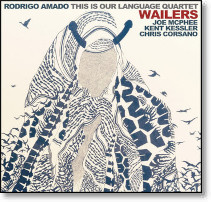
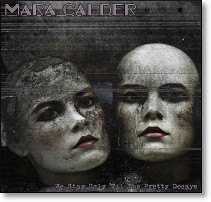
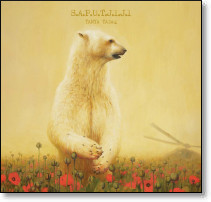
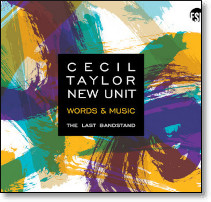
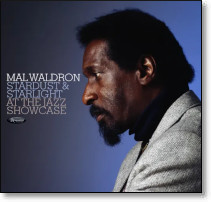
The latter provides a framework for trying to figure out how this ends, but as a born-and-bred optimist, my most likely error is in expecting that somehow it has to end, for better or worse. Given the two key political figures, the most likely scenario is that it doesn't end, at least as long as they remain in power, but rather cycles through periods of greater or somewhat diminished violence. The US-Iran "ceasefire" of the moment is an example of how a state of war can be extended on a budget, while Israel's continued siege of Lebanon reminds us that Israel can turn on America as readily as on anyone else. Compiling Loose Tabs gave me a chance to catch up with what people were saying about the war. (I started to say with what's happening on the ground, but reporting on the actual war and its casualties is exceptionally spotty even by usual standards: there is very little reporting from Iran, while Israel's censor covers up Iranian strikes, and US media usually sticks to what they're told.) Consequently, it's hard to make any predictions based on leverage (losses and other costs). What we can say is that certain extreme outcomes (like collapse of Iran's regime, or of Israel's and America's bombing capability) will not happen. We can also say that Trump and Netanyahu (together but mostly separately) have incoherent and/or fantastical views and goals, so it's hard to see how they can end the war with any sort of plausible victory, or afford to swallow an obvious defeat. I'm not sure what more to say about it, except to continue my usual harangues on the futility of war, and on how hard it is for the right to see this, given their habitual resort to violence to maintain domestic inequality and hierarchy. Given Trump's threats and dreams of using the armed forces against immigrants (and other Americans), how could anyone think he'd moderate against imaginary threats as feverishly hyped as Iran? He is an extremely violent man, perhaps not personally, but he has practically unlimited forces he can call on to do his dirty work, and he has little if any care or compunction about who gets hurt along the way. I'm having increasing doubts about the viability of Loose Tabs (as well as its predecessors Speaking of Which and Weekend Roundup). The problem isn't just the amount of work such collation and annotation takes, or the increasingly dire state of the world, but that so many reputable sources are disappearing behind paywalls. I think I hit 5-6 different ones in a row yesterday. Sometimes I go ahead and jot down what I can see, and sometimes that suffices to make some point, but I run into a lot of dead ends, and that is doubly frustrating: an inconvenience for me, but also a grave distortion of the information landscape. My wife is a serious newshound, and subscribes to some things I may or may not piggyback on (but that's becoming even more difficult at places like the New York Times). I grew up poor and cheap, so I'm much more reluctant to indulge. (And when I do, I usually go for books, which seem like more durable investments. I've also bought a lot of music in my day, but not so much recently.) I don't like to second-guess people on how they choose to make a living, but from a public viewpoint we'd be better off with a free exchange of ideas, which isn't possible in a world cluttered with toll booths. It wouldn't cost much to let anyone who wants to write (or engage in any other creative activity) to do so, with the fruits easily available for all. There's little chance of anything like that happening soon, not least because those in power jealously guard the artificial scarcity of information, especially given their role in fabricating much of it. On the other hand, the prohibitionist impulse, which objects to using tax money for anything one does not personally approve of, is still very much alive. The idea that we'd all be better off if other people were better off is hard to swallow for people who grew up in conditions of scarcity. At some point, I should factor AI into this question. One potential problem is that as long as information is scarce and profitable, those who have leverage will be tempted to use AI to flood the market, driving less cost-effective intelligence to the sidelines — a result which would be much favored by the AI barons, who we're making incredibly rich on the hunch they will be positioned to extract incredible amounts of profit from the economy. I'm still sitting on the fence regarding AI. I'm inclined to believe that it can be a very useful tool to help writers like myself who already have a pretty good idea how to think — several pieces in this Loose Tabs lean that way — but I have little idea how to start, or with what. But that I'm behind the learning curve seemed obvious tonight, when I went to the library and noticed a whole section of For Dummies books of various AI platforms: probably not the best place to start, but an indication that a lot of ground has been broken. Some of my needs are pretty simple, like reading my writing for typos and other grammar issues. I could also use something to dive into the old notebooks and summarize what I think about various issue. I could use a keyword generator. I could use research help. I've gotten a fair amount of value already from the AI that's recently been added to Google search. Good chance something better is available. I could also use coding help for website development. I'm a pretty fair programmer, but I don't know Javascript or Python, even tough I have a pretty good idea what one might do with both. But I don't have the energy I once had to throw myself into learning new things like that. (And, as I mentioned, I grew up cheap.) Nine days in this week, which was barely enough to nudge me over the 30 album line. I had various distractions. Most significantly (for me, anyway), I spent a couple days cooking. I wrote up a bit about the meal(s) on Facebook, including two plate pictures (one for dinner, the other for dessert). A college friend turned me onto Greek cuisine, and that was my first major breakout from my mother's Arkansas soul food. Not sure when I'll get another chance, but it seems to be one of the few things I still feel pretty competent at. Next week should be more house tasks. The biggest, most obvious thing will be getting the carport railing back up. That's been down since January (or maybe December). I probably won't do a Music Week next week, but will try to sync up again the following Monday (April 27). I'm not working very hard to track new releases, although we have an interesting batch of records this week — including one I hadn't heard of until I backtracked a subscriber to my free Substack — I seem to be stuck at 99 subscribers there, so if you haven't already, please sign up there — or was it Bluesky? New records reviewed this week: Juhani Aaltonen + Raoul Björkenheim: Nostalgia (2025 [2026], Eclipse Music): Finnish saxophonist/flautist, made some superb albums in the 1970s, with nothing under his own name between 1982-2000, but recorded much after that, including this album a few months before he turned 90. He plays flute here, in duets with the Finnish guitarist. I'm not much of a flute fan, but in the past he's stood out enough I've voted for him in polls. He's still on top here. B+(***) [sp] Rodrigo Amado/This Is Our Language Quartet: Wailers (2019 [2026], European Echoes): The Portuguese tenor saxophonist's "American Quartet," with Joe McPhee (tenor sax), Kent Kessler (bass), and Chris Corsano (drums), first appeared on the album This Is Our Language in 2012. Impressive, as always, especially when both saxes crank up. A- [dl] Atlantic Road Trip: Watch as the Echo Falls (2025 [2026], Calligram): Trio of Chad McCullough (trumpet/synths), Paul Towndrow (alto sax/flute/whistles) and Miro Herak (vibes), sort of chamber jazz. B+(*) [cd] Mara Calder: We Stay Ugly 'Til the Pretty Decays (2026, Black Metal Archives Label): According to the only www source I can find, "Mara Calder is a 16-year-old musician and street-smart resident of Black City. Known as the girlfriend and creative partner of Kai (Purple C), she possesses the supernatural ability to see the dead, accompanied by her ghost companion Eli. A talented producer and vocalist, she balances high school life with the chaotic urban underground and paranormal encounters." Based on this debut album, I don't believe a word of this (except "talented producer and vocalist"), even before noting that the website seems to be a catalog of AI characters. Label is British, goes by BMAL, motto "Always underground/always antifascist," self-described as "an artist-first collective, operating on a transparent license." First song is "Junkyard Cabaret," built from "detuned piano, upright bass, clanking metal, and found sounds," including dramatic shifts and time changes that us old-timers recall from cabaret (or postmodern opera from Meatloaf to Ethel Cain). Some ballads are just backed by piano, and are nearly as striking as the more hyper stuff. What we used to call a "tour de force." Sample lyric: "If it's crashing, let it burn." A- [sp] Chicago Soul Jazz Collective: No Wind & No Rain (2026, Calligram): Original songs by Larry Brown Jr. (guitar, some vocals) and John Fournier (tenor sax), with lead vocals by Dee Alexander, and support from Ryan Nyther (trumpet), Amr Fahmy (keyboards), Micah Collier (basses), and Keith Brooks II (drums). B+(**) [cd] Paul Citro: Keep Moving (Home) (2024-25 [2026], Calligram): Chicago guitarist, first album, quartet with Nick Mazzarella (alto sax/wurlitzer), Matt Ulery (bass), and Quin Kitchner (drums), playin original pieces by Citro. B+(*) [cd] [05-01] Caleb Wheeler Curtis: Ritual (2025 [2026], Chill Tone): Plays stritch mostly, with spots of soprano/sopranino sax and trumpet. Has several albums since 2018. This one with Hery Paz (tenor sax/flute), Orrin Evans (piano, 4/9 tracks in the middle), Vicente Archer (bass), and Michael Sarin (drums). B+(***) [cd] Fcukers: Ö (2026, Ninja Tune): New York dance-pop group (duo? trio?), first album (11 songs, 28:57) after a couple of EPs. Lightweight but functional, which may be enough. B+(***) [sp] Flea: Honora (2026, Nonesuch): Famous bassist, I recognized the pseudonym but couldn't place him (Red Hot Chili Peppers), debut solo album, plays trumpet on what is reportedly aa return to his jazz roots. That's not a parade I particularly want to rain on, but it doesn't particularly work as jazz, even as fusion. Part of this is that his social circle intrudes, and they're even less jazz-oriented than he is. B- [sp] Sophie Gault: Unhinged (2026, Torrez Music Group): Americana singer, presumably writes some songs, second album, no notes I can find on it but puts one foot firmly in country by opening with a Buck Owens song, then rocks harder than the Nashville norm. B+(**) [sp] Tomas Janzon: Jazz Diary (2025 [2026], Changes Music): Swedish guitarist, based in New York, half-dozen albums since 1999. Originals, backed by bass (Nedra Wheeler) and drums (Tony Austin or Chuck McPherson). Includes an extra track from 2000, with Wheeler on bass. B+(**) [cd] Kin'Gongolo Kiniata: Kiniata (2024 [2025], Helico Music): Congolese group, from Kinshasa, first album, handcrafted instruments, in an album that will appeal to fans of Konono No. 1. A- [bc] Kinact: Kinshasa in Action (2026, Nyege Nyege Tapes): Another Congo band, founded in 2015 by Eddy Ekete, with its own mix of electronics, homemade percussion, and industrial tools. While I find these bands hard to resist, this isn't always as musical as I'd like. B+(**) [bc] Gurf Morlix: Cobwebs & Stardust (2026, Rootball): Alt-country singer-songwriter, started connected to Blaze Foley and Lucinda Williams, went solo in 2000, has become increasingly prolific. Choice cut: "My Guitar Is a Blues Machine." B+(**) [sp] Jim Robitaille Trio: Sonic (2026, Whaling City Sound): Guitarist, at least eight albums since 2004, backed by bass (Tom Casale) and drums (Chris Poudrier), eight originals plus covers of Coltrane and Davis. B+(**) [cd] Ted Rosenthal Trio: The Good Old Days (2024 [2026], TMR Music): Pianist, debut was a trio in 1990, quite a few albums since, including a Maybeck Hall solo and many trios. This is mostly trio, a mix of originals and standards, one session with Martin Wind (bass) and Tim Horner (drums), the other with Noriko Ueda (bass) and Quincy Davis (drums), with two of the latter including "special guest" Ken Peplowski (clarinet), who has since passed. The rags are especially delightful. B+(***) [05-01] Fie Schouten/Vincent Courtois/Sofia Borges/Pierre Baux: Open Space (2025 [2026], Relative Pitch): Clarinets, cello, drums, and spoken voice (in French, which I'm not following very well, but finding interesting). B+(**) [cd] Paul Silbergleit Trio: The Stillness of July (2024 [2026], Calligram): Guitarist, has a 1996 debut album but not a lot since. Trio with Clay Schaub (bass) and Devin Drobka (drums), playing three originals plus more/less standards from Charlie Parker to Stevie Wonder. B+(**) [cd] [05-01] Harlan Silverman: Music for Stillness (2026, Intentional): Started off playing guitar for Mayer Hawthorne, member of Cosmic Tones Research Trio, first own album, on which he plays bansuri flute, cello, viola, piano, fender rhodes, aiming for "what might peace sound like?" Modest ambition, not to be scoffed at. Functional, even. B+(***) [bc] Slayyyter: Wor$t Girl in America (2026, Columbia): Dance-pop singer-songwriter Catherine Slater, from suburban St. Louis, started with a mixtape in 2019, third album. B+(**) [sp] Sky Smeed: Live at the Rock House (2026, self-released): Folkie singer-songwriter, based in Lawrence, KS (grew up near Chanute, which means something to me, probably not to you), has more than a dozen albums (4 on Discogs, as far back as 2004). A dozen songs, some attempts at audience participation, plus two "radio edits" (good to be prepared). A- [sp] Alister Spence: Always Ever (2025 [2026], Alister Spence Music): Australian pianist, dozen or so albums since 2011, including a couple of duos with Satoko Fujii. Solo. Keeps it interesting. B+(**) [cd] [04-24] Tanya Tagaq: Saputjiji (2026, Six Shooter): Canadian Inuk throat singer, seventh studio album since 2005. Played it last night and got nothing out of it, but noticed the first song was called "Fuck War," and heard if through the post-industrial din, followed by a spoken word explaining "we're children, needing nurture, not razorblades." Rest of the album wanders some, with nothing quite grabbing me the same way, but the bleak, disturbing chill comes off as its own virtue. A- [sp] Recent reissues, compilations, and vault discoveries: Born in the City of Tanta: Lower Egyptian Urban Folklore and Bedouin Shaabi From Libya's Bourini Records 1968-75 (1968-75 [2025], Sublime Frequencies): Seattle label has been scraping together world music obscurities for at least 20 years, including a very wide swath of Asia as well as all of Africa and the deeper recesses of the Amazon (and one I haven't heard called West Virginia Snake Handler Revival). Some striking tracks here, less groove than later raï or dabke but no less remarkable. Hedged a bit because it's not all public. [4/8 tracks] B+(***) [bc] Bill Evans: At the BBC (1965 [2026], Elemental Music): Piano trio, with Chuck Israels and Larry Bunker, two sets on one CD, runs 70:15, with Humphrey Lyttleton the announcer. Some remarkable passages, but that's not unusual for the dozen or more Evans live shots that have come out recently. B+(***) [cd] [04-18] Freddie King: Feeling Alright: The Complete 1975 Nancy Pulsations Concert (1975 [2026], Elemental Music, 2CD): Blues guitarist-singer (1934-76), placed three albums on Robert Santelli's list of the best 100 blues albums. Live in France, a little more than a year before he died at 42. B+(**) [cd] [04-18] Cecil Taylor New Unit: Words & Music: The Last Bandstand (2016 [2026], Fundacja Słuchaj): Avant-garde pianist (1929-2018), debut 1956, ran a legendary band called the Cecil Taylor Unit in the 1970s with Jimmy Lyons, mostly recorded duos and trios after that, including a monumental showcase in Berlin in 1988. Last recording in my database was a duo with drummer Tony Oxley from 2011, so this New Unit album comes as a surprise. With Harri Sjöström (soprano and sopranino sax), Okkyung Lee (cello), Oxley (electronics), and Jackson Krall (drums), with piano and spoken word by Taylor, in a single 79:23 take (now split into two tracks). The music is remarkable. The words, which appear in the second half, are hard to follow, but have their own musicality. A- [bc] Miroslav Vitous: Mountain Call (2003-10 [2026], ECM): Czech bassist, studied music in Vienna, then got a scholarship to Berklee, emerging in 1970 as a founder of Weather Report, leaving in 1973 to pursue an eclectic solo career. Discography jumps a decade from 1992-2002, resumes with one of his best albums (Universal Syncopations), and continues, but with nothing since 2018. This picks from several sessions, with Michel Portal (clarinets) and Jack DeJohnette (drums) in large print on the cover, and variously the first nine pieces; Esperanza Spalding (voice), Bob Mintzer (bass clarinet), Gary Campbell (soprano/tenor sax), and Gerald Cleaver (drums) in smaller print, plus "members of Czech National Symphony Orchestra" (two extended pieces near the end). B+(*) [sp] Mal Waldron: Stardust & Starlight: At the Jazz Showcase (1979 [2026], Resonance): A great pianist (1926-2002), came up during the hard bop era, is famous for accompanying Billie Holiday in her last years, but did some of his best work in the 1980s, leading free jazz groups on an Italian label. Transitional trio set here with Steve Rodby (bass) and Wilbur Campbell (drums), joined for the last two tracks by Sonny Stitt (alto sax). A- [cd] [04-18] Old music: Dorisburg & Sebastian Mullaert: That Who Remembers (2023, Spazio Disponibile): Swedish electronica producer Alexander Berg, third of three albums since 2016, Mullaert has more albums back to 2011, including a previous live album with Berg. B+(**) [sp] Ted Rosenthal: Ted Rosenthal at Maybeck [Maybeck Recital Hall Series, Volume Thirty-Eight] (1994 [1995], Concord): Solo piano, part of a series Concord recorded from 1989-95, showcasing a who's who of (mostly) mainstream pianists (first volume was Joanne Brackeen, followed by Dave McKenna, Dick Hyman, Walter Norris, Stanley Cowell, Hal Galper, John Hicks, Gerry Wiggins, Marian McPartland, and Kenny Barron). He's relatively young here (35), with just a couple albums, but he's impressive, and touches a lot of bases (two originals, Porter and Gershwin, Dameron and Tristano, Powell and Nichols, Bach and James P. Johnson, "Gone With the Wind"). B+(**) [sp] Wordsworth: Mirror Music (2004, Halftooth): Early album, savvy words and beats. B+(**) [sp] Unpacking: Found in the mail last week:
|