|
An occasional blog about populist politics and popular music, not necessarily at the same time. LinksLocal Links Social Media My Other Websites Music Politics Others Networking Music DatabaseArtist Search: Website SearchGoogle: Recent Reading
Music DatabaseArtist Search: Website SearchGoogle: |
Blog Entries [1000 - 1009]Monday, July 18, 2016 Music Week
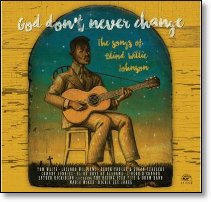
Music: Current count 26822 [26780] rated (+42), 435 [445] unrated (-10). High rated count is a combination of factors: I've been taking the new jazz queue FIFO, and ran through a dull patch -- only records that got as many as three plays were Evenfall, Mathias Landaeus, and Joel Miller (more of an art rock album), with only a couple more getting two plays; quite a few EPs and short albums among the streaming picks (the Sheer Mag 7-inchers are really 4-song EPs, the Michete and Wire EPs are 23-29 minute albums, Modern Baseball's LP barely tops 30 minutes), so they go fast. (On the other hand, the Drake album is insanely long.) I continued to check out stuff from various mid-year best-of lists, with the usual mixed results. I've also been working on Christgau's database, and am finally up to date locally, which is to say almost a year ahead of what you see on the site. I'm waiting for some people (including Bob) to do some proofreading before I update the site. Work on that reminded me to check out The Rough Guide to South African Jazz and God Don't Never Change: The Songs of Blind Willie Johnson -- two records that weren't on Rhapsody when I previously checked, but are now. (Speaking of which, their rebranding as Napster has taken place. Ugh!) Also checked out Christgau's rap picks from last week: Vic Mensa and Joey Purp. Both good records, but I wound up with reservations about each. Still, Mensa's "16 Shots" is timely, urgent even, and may be something to return to. Purp's mixtape is stronger musically. Still, my picks this week lean toward electropop and new wave. Best I've heard from Wire in over a decade. I counted it as an EP, but it runs eight songs, 25:55. I've added a "Artist Search" form to the "fake blog" left navigation menu. I would have liked to make it available on all standard pages, but I'm temporarily confused about how to do that. The search page is here. New Steve Lehman album and a bunch of new Clean Feeds came in the mail today, so it'll be tempting to break FIFO order on the new jazz queue. Here's an early report from Cleveland where my nephew Mike is covering the Republican Convention for Fusion. New records rated this week:
Recent reissues, compilations, and vault discoveries rated this week:
Grade changes:
Unpacking: Found in the mail last week:
Ask a question, or send a comment. Sunday, July 17, 2016 Weekend RoundupJuly is a month I can hardly wait to get done with, even though it leaves six or seven weeks of brutal heat to come. This year is about average for Kansas, aside from a surplus of rain that more than wiped out the spring deficit. Fitting that the major party conventions will also be dispatched during this month, although as I'm writing this they still loom: the candidates are settled, so no suspense there, and one of the veeps was revealed this week -- the utterly repugnant Mike Pence -- so the only remaining question is how to what extent each party embarrasses itself in trying to put forth its best face. Most years there is a post-convention bump in the polls. This year there's a fairly good chance for a post-convention slump. Some prominent news items from this past week:
Meanwhile, some scattered links this week:
Ask a question, or send a comment. Monday, July 11, 2016 Music WeekMusic Week
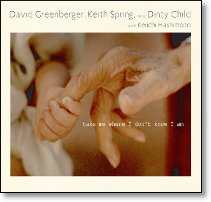
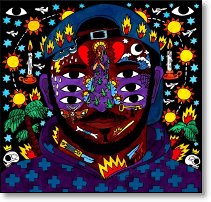
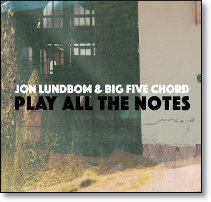
Music: Current count 26780 [26750] rated (+30), 445 [449] unrated (-4). Fairly respectable week, again boosted by looking for records that had showed up on various mid-year lists: last week I identified Anohni, Kaytranada, and Mitski as among the fifteen most frequently cited albums so far (at this point the others I haven't gotten to are Beyoncé, James Blake, and Tim Hecker. Not far down the list were Blood Orange, Car Seat Headrest, and The 1975, and also mentioned were Angry Angles, Frankie Cosmos, Theo Croker, Fruit Bats, Robert Glasper, The Julie Ruin, King, Jeff Parker, and Leon Vynehall. Needless to say, some are better than others, but the only touted records not worth my trouble this week were by Carrie Underwood (Christgau likes them). Also played enough out of my jazz queue to modestly reduce the backlog, with two records (David Greenberger, Jon Lundbom) edging over the A- threshold, and three more (Sylvie Courvoisier, Fresh Cut Orchestra, Jürgen Wuchner) just missing. I should also note that I had to resort to Rhapsody for five of this week's jazz albums (Croker, Alan Ferber, Glasper, René Marie, Parker). They didn't fare to well, although three of them appeared on The Observer's mid-year jazz list (as well as Jack DeJohnette [A-], Alfredo Rodriguez [**], Julian Lage [*], Logan Richardson [*], Snarky Puppy [C+], and 2 records I haven't heard yet: Anat Fort, Marquis Hill -- not what I'd call a good list). I'll try to get to more listed records in the next couple weeks. Some brief notes on Downbeat's Critics Poll results, posted in their August 2016 issue:
For more, see my ballot and notes. One last thing: I hacked together a little script which gives you a form to type a name in and prints out my grade list. Try it. Initial version only matched an exact (complete) string, but I've since modified it to allow you to use lower case instead of caps, and to map most accented characters to their accentless bases. The changes make it quite a bit slower, which you may (or may not) notice. In any case, it saves you from having to scan through the many flat files I've been building on every update. So far, this took me just a couple hours. Adding reviews would be a huge undertaking. Don't expect it any time soon. New records rated this week:
Recent reissues, compilations, and vault discoveries rated this week:
Unpacking: Found in the mail last week:
Ask a question, or send a comment. Sunday, July 10, 2016 Weekend RoundupThe biggest story in the US last week involved the fatal shootings of seven people in three separate incidents: one each in Louisiana and Minnesota (Alton Sterling and Philando Castile), and five in Dallas. All of the shootings involved police and race, and appear to be unjustifiable by any conceivable criteria. Needless to say, they all involved guns, but one thing they had in common point been little commented on: all eight victims were armed, and their guns worthless for self-defense. (Remind me again how safe we would all be if everyone had guns for self-defense.) As a practical matter, carrying guns not only failed to save the victims, but probably contributed to their deaths. The Louisiana and Minnesota incidents may have occurred because police panicked when they discovered that the black people they were harrassing were armed. The Texas incident came later, when an ex-army soldier snapped and decided to shoot some white police -- perhaps as indiscriminate revenge (isn't that how he was trained to respond to "the enemy" in Afghanistan?), the sort of warped injustice self-appointed vigilantes are prone to. For some time now, I've felt that as long as people legimately believe that they need to own and carry a gun for their own protection it would be unwise and unfair for government to deny them that option. However, I've always wondered whether carrying a gun actually made anyone safer: has anyone ever studied this, putting such (probably rare) events in statistical context against all the other things that can go wrong with guns? There are other ways one can approach these tragic events. One I think should be given more weight is that the Dallas shooter learned his craft in the US military, which no doubt considered him a hero until the moment he started shooting at white American cops. Not all killers were trained by the US military, but they do pop up with some frequency. I'm reminded of a scene in Full Metal Jacket where the Marine Gunnery Sergeant lectures his boot camp trainees on "what one motivated Marine and his rifle can do," offering a few examples: Lee Harvey Oswald, Charles Whitman, Richard Speck. Should we be surprised that a country that is so invested in celebrating its heroic killers abroad should more than occasionally encounter the same at home? And not infrequently by the same hands? Of course, another way to approach this is to note that last week's bombing in Baghdad killed over 175 -- more than twenty times the death toll discussed above. But that scarcely registers here, even though the Bush invasion and occupation of Iraq is still most responsible for continued bloodshed there. As bad as gun violence has become here, it still pales against the violence of US forces and the rivals they stir up abroad. I suppose the second biggest story last week was the FBI decision not to prosecute Hillary Clinton for risking classified data by running a private email server while she was Secretary of State. FBI Director Comey went out of his way to scold Clinton for being "extremely careless" regarding state secrets before admitting that they couldn't come up with a credible criminal case against her. The way Comey put it allowed Republicans to reiterate their talking points, adding they couldn't understand the decision not to indict based on Comey's exposition. As I understand the "scandal" (see Wikipedia for a long rundown, and perhaps also Clinton's own The Facts About Hillary Clinton's Emails [PS: broken link]), the problem with running a non-government server is that it doesn't allow for efficient collection of emails that are considered to be public records (under the Federal Records Act). To comply with the FRA, Clinton had to sort through her emails and turn over the ones she considered to be State Department business while retaining ones she considered to be personal -- i.e., the two had been mixed. A better solution might have been to turn all the emails over and let the Department sort out which ones were personal -- at least then she couldn't be accused of hiding emails that should have gone into the public record. On the other hand, had she kept separate public and private email accounts, there still would likely have been cross-contamination. (There is a similar controversy here in Kansas, where a member of Gov. Sam Brownback's staff was found to be communicating with lobbyists via his personal account, thereby avoiding public records disclosure.) Still, one wonders why the FRA issue didn't arise while Clinton was actually Secretary of State. It only seems to have been recognized as a problem several years after she left office, when the Republican Benghazi! witchhunt got under way. Further complicating things is the question of whether Clinton's emails contained classified material. Clinton, of course, had a top security clearance, but her private email server wasn't fully secured for handling "secret" missives, so it could have been, well, I'm not sure what, some form of breach in the security state. Again, this seems not to have bothered anyone until well after the fact. And curiously, the audits revealed that some emails contained material that was classified only after it was sent, so most of this charade has been focused on Clinton's threat to national security. Frankly, I'd respect her more if she had been a source of leaked data. But all this episode really shows is her knack for getting caught up in trivial scandals. I'd be happy to never hear of the email matter again, but there's little chance of that. Instead, I expect the Republicans to flog the matter on and on, much as they did every conjured taint from Whitewater to Benghazi, even though their complaints will fail to impress anyone but themselves, and in the end prove counterproductive. In particular, those of us who consider Hillary at best a lesser evil will wonder why they don't attack her with something she's truly guilty of, like voting for Bush's Iraq War. Some scattered links this week:
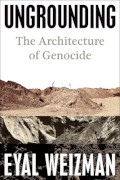
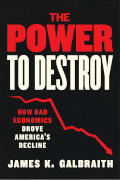
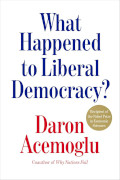
Ask a question, or send a comment. Thursday, July 7, 2016 Book RoundupHere's another batch of forty book blurbs as I try to keep up with what's being published in my main areas of concern: politics, history, economics, occasionally something else. This batch isn't especially up to date: I went to work on this tonight for the first time in several weeks and found that I had already picked out 38 books, so I added two more from my scratch file. Real catch-up research begins after this post, but at this point the scratch file is pretty close to bare, so it may take some time to fill it out. "Also noted" books are just that. They are more/less relevant and as such notable but for one reason or another I didn't feel like taking the time to write more. No "second notice" paperback reprints this time, mostly because the list is rather short. Maybe next time. Peter Bergen: United States of Jihad: Investigating America's Homegrown Terrorists (2016, Crown): Interviewed Osama bin Laden beck before he became infamous, turning that into a career as a terrorism expert (i.e., Islamic terrorism -- he doesn't seem to recognize any other kind. His books range from Holy War, Inc to The Osama bin Laden I Know: An Oral History of al Qaeda's Leader to Manhunt: The Ten-Year Search for Bin Laden from 9/11 to Abbottabad.) He notes that some 300 Americans "have been indicted or convicted of terrorism charges" since 9/11, so he thought he'd look into their backgrounds and how they became such fearsome terrorists. Don't know whether he also looks into tactics used by law enforcement to identify these terrorists, since getting indicted by the US government is a pretty low bar. Howard Brick/Christopher Phelps: Radicals in America: The US Left Since the Second World War (paperback, 2015, Cambridge University Press): Part of a series of history books, so the subject and scope were assigned (and thankfully not by David Horowitz). What follows is organized chronologically, moving from old left to new left to the broad smorgasbord of quasi-left protest and advocacy efforts that followed -- last two chapters are "Over the Rainbow" and "What Democracy Looks Like." Douglas Brinkley: Rightful Heritage: Franklin D Roosevelt and the Land of America (2016, Harper): Brinkley has written several books about America's national parks and wilderness areas, including an obvious predecessor to this one, The Wilderness Warrior: Theodore Roosevelt and the Crusade for America (2009). TR was better known as an outdoorsman, but FDR greatly expanded the national park system, and his public works projects made those parks accessible to millions of Americans. Gail Lumet Buckley: The Black Calhouns: From Civil War to Civil Rights With One African American Family (2016, Atlantic Monthly Press): A family history going back six generations, starting with Moses Calhoun, a "house slave" who became a successful businessman in post-Civil War Atlanta, following two branches of the family -- one that stayed in the South, the other migrating to Brooklyn. The author is the daughter of Lena Horne, and previously wrote The Hornes: An American Family, and American Patriots: The Story of Blacks in the Military From the Revolution to Desert Storm. Peter Catapano/Simon Critchley: The Stone Reader: Modern Philosophy in 133 Arguments (2015, Liveright): A broad overview of what academic philosophers are thinking about these days, a big book (816 pp) of essays originally published as "The Stone" by the New York Times. Wide range of pieces, many touching on politics (or at least ethics, not unrelated), only a few going back to the canon (one title I like: "Of Hume and Bondage"). As a former philosophy major I'm intrigued, but maybe not enough. I will say that virtually none of the author names are familiar to me. Jefferson Cowie: The Great Exception: The New Deal and the Limits of American Politics (2016, Princeton University Press): As I understand it, Cowie is arguing that it's impossible to construct a leftward shift like the New Deal in current or future America because the actual New Deal appeared in circumstances that cannot be reproduced today. Cowie's argument is that the 1930s were a unique, "a temporary cessation of enduring tensions involving race, immigration, culture, class, and individualism" that occurred in the 1930s. Immigration was curtailed significantly in 1923, while race iniquities were locked in the deep freeze of segregation -- a non-issue only in the sense that the New Deal could largely ignore it (often by not challenging racial discrimination). Arguably, this meant a more homogeneous society, one where people could care more for others because the others weren't that different. Then WWII came along and bound together everyone -- an effect today's wars don't have because they involve so few people. I think it's more likely that the class consciousness that had been brewing since the robber baron era threatened to boil over during the Depression, but faded in the postwar affluence, especially when Cold War ideology took hold and made capitalism seem more like freedom than wage slavery. And as manufacturing gave way to service jobs, it became harder to regain that class consciousness, even as economic situations worsened. In today's environment it's easy to blame the lack of class consciousness on racial and ethnic and cultural divisions, but those differences have always existed. While major obstacles to a new New Deal persist, I think we're growing closer to seeing through the petty differences and distractions of the past. Lee Drutman: The Business of America Is Lobbying: How Corporations Became Politicized and Politics Became More Corporate (2015, Oxford University Press): As late as the 1970s most corporations didn't have their own lobbying offices, whereas now many have 100 or more lobbyists on staff. This looks to be a pretty thorough analysis of what happened, why, and how all that lobbying distorts politics and policy. Richard Engel: And Then All Hell Broke Loose: Two Decades in the Middle East (2016, Simon & Schuster): NBC's "chief foreign correspondent," a post which has put him in front of cameras in various Middle Eastern hot spots, including a brief period when he was abducted in Syria. I've never found his reporting especially astute but perhaps this is a better forum for reflection. Has two previous books: A Fist in the Hornet's Nest: On the Ground in Baghdad Before, During, and After the War (2004, which makes the word "after" stand out, as if he bought "Mission Accomplished" hook, line and sinker), and War Journal: My Five Years in Iraq (2008). Tim Flannery: Atmosphere of Hope: Searching for Solutions to the Climate Crisis (2015, Atlantic Monthly Press): Australian paleontologist, I first ran into him with his broad sweep The Eternal Frontier: An Ecological History of North America and Its Peoples (2001) although he had previously written a similar book about his homeland: The Future Eaters: An Ecological History of the Australasian Lands and People (1994). His interests then moved to climate change, writing The Weather Makers: The History & Future Impact of Climate Change (2007) and Now or Never: Why We Must Act Now to End Climate Change and Create a Sustainable Future (2009), and this follows in that vein, trying to find some hope in geoengineering -- which even if it can compensate for too long denial, is hardly a solution to too much denialism. Lily Geismer: Don't Blame Us: Suburban Liberals and the Transformation of the Democratic Party (2015, Princeton University Press): Focuses on the high-tech corridor of Route 128 around Boston, but that's just part of a more general movement, as the Democrats have embraced socially liberal professionals, especially in high-tech, to make up for their losses of unionized workers -- indeed, they've aided and abetted the destruction of unions in part because there's more money in professionals and similarly-minded businesses. Gary Gerstle: Liberty and Coercion: The Paradox of American Government From the Founding to the Present (2015, Princeton University Press): A history of America refracted through a pair of concepts about governmental power. Funny thing is that the people who talk the most about liberty are often the same ones most eager to use the power of the state to impose their will on a reluctant citizenry. Gerstle previously wrote the similarly sweeping American Crucible: Race and Nation in the Twentieth Century. Rebecca Gordon: American Nuremberg: The US Officials Who Should Stand Trial for Post-9/11 War Crimes (2016, Hot Books): Previously wrote Mainstreaming Torture: Ethical Approaches in the Post-9/11 United States (2014, Oxford University Press) and Cruel and Unusual: How Welfare "Reform" Punishes Poor People (2001), drawing on her Ph.D. in Ethics and Social Theory. This one, too, seems to focus more on torture than the grosser war crimes that seem so obvious to me. Jacob Darwin Hamblin: Arming Mother Nature: The Birth of Catastrophic Environmentalism (2013, Oxford University Press): The story here is about how the US military has been working ever since the start of the Cold War to figure out how the US can create environmental disasters and use them as strategic weapons: inducing droughts in the Soviet Union is just one example. Not sure if this is covered, but the US military continues to war game global warming -- the idea may be taboo among right-wing politicos, but the realities impinge on global military strategy (ranging from African droughts to submarine cover in the Arctic). Richard L Hasen: Plutocrats United: Campaign Money, the Supreme Court, and the Distortion of American Elections (2016, Yale University Press): The title a play on the Citizens United ruling, where the right-wing Supreme Court concocted a scheme to eliminate limits on campaign spending and in principle turn elections into auctions among the superrich. Hasen, a professor of law and political science, has covered this beat before, notably in The Voting Wars: From Florida 2000 to the Next Election Meltdown (2012). Joan Hoff: A Faustian Foreign Policy From Woodrow Wilson to George W Bush: Dreams of Perfectability (paperback, 2007, Cambridge University Press): I don't normally list books this old, but when I see a blurb line like this I have to make a note: "Like no book since William Appleman Williams' The Tragedy of American Diplomacy, Hoff's study powerfully demonstrates that a better future for America (and the world) lies in coming to terms with the corrupt bargains of the past." Of course, she could have started with William McKinley but that was plain greed -- no one tops the sanctimonious arrogance of Wilson and Bush, plus you get the Dulles Brothers, Henry Kissinger, and Oliver North sandwiched in the middle. Harold Holzer/Norton Garfinkle: A Just and Generous Nation: Abraham Lincoln and the Fight for American Opportunity (2015, Basic Books): "Rather than a commitment to eradicating slavery or a defense of the Union, [the authors] argue, Lincoln's guiding principle was the defense of equal economic opportunity." They do figure that the emancipation of slaves was a step toward such opportunity, but also bring up other efforts, casting the first Republican president as "the protector not just of personal freedom but of the American dream itself." In other words, the opposite of the party which seeks to crush that dream today. Nancy Isenberg: White Trash: The 400-Year Untold History of Class in America (2016, Vintage): A history of the white underclass in America going back to colonial immigrants, many of whom sold themselves as indentured servants, continuing through generation after generation of impoverishment and the various forms of approbation heaped on them by the more affluent -- I rather wish she had used the term "waste people" for the title. Author previously wrote Fallen Founder: The Life of Aaron Burr and co-authored (with Andrew Burstein) Madison and Jefferson. Susan Jacoby: Strange Gods: A Secular History of Conversion (2016, Pantheon): Looks into the history of various people converting to one religion of another, with Saul/Paul a prominent early example, and Muhammad Ali and George W Bush among the more recent. Secularism has been a repeated theme in Jacoby's writing, especially Freethinkers: A History of American Secularism (2004). Greg Jobin-Leeds/AgitArte: When We Fight, We Win: Twenty-First Century Social Movements and the Activits That Are Transforming Our World (paperback, 2016, New Press): I can't say as I consider all of the author's examples as victories, but it is clear that they all resonate with substantial numbers of (mostly) young people, to such point that they've become reference posts for more conventional political campaigns. I suspect a more accurate title might be If We Don't Fight, We Won't Win -- and by "fight" I mean a quaint term from an earlier era: organize. Fred Kaplan: Dark Territory: The Secret History of Cyber War (2016, Simon & Schuster): A lot of grey lines here, especially ethically where propaganda and censorship blend into espionage and subversion, where the lack of blood may make transgressions seem more acceptable, where state and non-state actors cloak themselves in similar obscurity, where one's dirty tricks may be another's terrorism. I can't help but feel disgust over virtually every aspect of the subject. More or less related: Richard A Clarke/Robert Knake: Cyber War: The Next Threat to National Security and What to Do About It (paperback, 2011, Ecco); PW Singer/Allan Friedman: Cybersecurity and Cyberwar: What Everyone Needs to Know (paperback, 2014, Oxford University Press); Shane Harris: @War: The Rise of the Military-Internet Complex (paperback, 2015, Mariner Books); Marc Goodman: Future Crimes: Everything Is Connected, Everyone Is Vulnerable and What We Can Do About It (2015, Doubleday); Richard Stiennon: There Will Be Cyberwar: How the Move to Network-Centric War Fighting Has Set the Stage for Cyberwar (paperback, 2015, IT-Harvest); Adam Segal: The Hacked World Order: How Nations Fight, Trade, Maneuver, and Manipulate in the Digital Age (2016, PublicAffairs). Robert D Kaplan: In Europe's Shadow: Two Cold Wars and a Thirty-Year Journey Through Romania and Beyond (2016, Random House): Travel journalist and imperialist pundit/apologist (or in his own mind strategist), started out writing propagandistic books on Ethiopia (Surrender or Starve: The Wars Behind the Famine) and Afghanistan (Soldiers of God: With the Mujahidin in Afghanistan, followed by his more substantial Balkan Ghosts: A Journey Through History (1993), remembered today for its background on Yugoslavia just before it was dismembered, but actually the longest section of the book his caustic portrait of Romania. Here he returns in 2013-14 and evidently finds the same hellhole he knew before. Kevin M Kruse: One Nation Under God: How Corporate America Invented Christian America (2015, Basic Books): Argues that the idea that the United States "is, was, and always has been a Christian nation" originated in the 1930s when opponents of FDR, including corporations like General Motors and Hilton Hotels, recruited conservative clergymen to attack the "pagan statism" of the New Deal. That line of attack gained more traction after WWII when "godless communism" became a more plausible enemy, and Dwight Eisenhower proved a particularly useful idiot for the meme. This complements the similarly themed Steve K Green: Inventing a Christian America: The Myth of the Religious Founding (2015). Charles R Lister: The Syrian Jihad: Al-Qaeda, the Islamic State and the Evolution of an Insurgency (2016, Oxford University Press); Middle East/terrorism wonk, has been involved with "a two-year process of face-to-face engagement with the leaderships of over 100 Syrian armed opposition groups," a background which has resulted in a substantial (540 pp) book with a reputable publisher. That certainly doesn't give him equal access to all sides, nor the sort of distance academics will eventually require to chart the history of this tragic war. But he is likely to shed light on the granularity of the opposition groups, and the extent to which they have gravitated towards Jihadism as the war evolved and the situation on the ground deteriorated. Erik Loomis: Out of Sight: The Long and Disturbing Story of Corporations Outsourcing Catastrophe (2015, New Press): With the ability to move workplaces to anywhere in the world, you get a "race to the bottom" where economic incentives tend to favor the lowest standards of regulation, including pollution controls and health and safety standards for workers. The result, predictably, is a rash of disasters (the collapse of the Rana Plaza factory outside Dhaka, Bangladesh in 2013 is one example cited). Of course, this only gets worse as unions and their political allies are weakened. Robert W McChesney/John Nichols: People Get Ready: The Fight Against a Jobless Economy and a Citizenless Democracy (2016, Nation Books): A major thrust of business in recent years has been to eliminate the cost of jobs by employing new technology, which (along with shipping jobs overseas) has allowed profits to soar while weakening workers. The authors have separately and together written many books on media control and workers' political struggles, and every year gives them more fodder to write about. Joy Newton-Small: Broad Influence: How Women Are Changing the Way America Works (2016, Time: 1): Don't know whether this book is serious or not, but either way I couldn't resist noting the title. Blurb says the author is "one of the nation's most deeply respected and sourced journalists" and adds that she gathered "deep, exclusive and behind-closed-doors" interviews with dozens of notable women in politics, including Sarah Palin and Valerie Jarrett. Broad, indeed. Henry Petroski: The Road Taken: The History and Future of America's Infrastructure (2016, Bloomsbury USA): Author of numerous books on engineering looks primarily at America's highway system, how it was built, how it is falling apart, and how (when and if) we try to repair it. I doubt he gets very deep into the politics and economics of it all, which is the main reason infrastructure is deteriorating so, but the technical understanding is bound to be interesting. Related: Earl Swift: The Big Roads: The Untold Story of the Engineers, Visionaries, and Trailblazers Who Created the American Superhighways (2011; paperback, 2012, Mariner Books) Wendell Potter/Nick Penniman: Nation on the Take: How Big Money Corrupts Our Democracy and What We Can Do About It (2016, Bloomsbury): Few things are more obvious than the insidious effect money has on American politics: even when it doesn't decide who wins, it determines who runs, on what issues, and after election day it becomes even more influential. No doubt the vast majority of Americans would love to see something done about this corruption, but the issue is promptly forgotten after each election, perhaps because the winners are by definition those most skilled at playing the game. Every books post I do has something on this, and no reason to think this book is exceptional, but it's as good as any to hang the issue on this time. Some others I haven't mentioned yet: Robert E Mutch: Buying the Vote: A History of Campaign Finance Reform (2014, Oxford University Press); Derek Cressman: When Money Talks: The High Price of "Free" Speech and the Selling of Democracy (paperback, 2016, Berrett-Koehler). Stephen Prothero: Why Liberals Win the Culture Wars (Even When They Lose Elections): The Battles That Define America From Jefferson's Heresies to Gay Marriage (2016, Harper One): Seems intuitively right, although the extreme vitriol of anti-abortion activists and their hegemonic sway over a party that is only really seriously dedicated to making the rich ever richer seems like some kind of counter-example. Prothero's 19th century examples are bound to seem quaint, but I've long been struck by how much Mormons and Muslims have in common, and today's anti-Muslim backlash is actually rather tame compared to 19th-century anti-Mormonism. More narrowly cultural issues are probably even clearer: I can, for instance, remember how nuts certain Christian clergy went over rock and roll, but odds are you can't. Jedediah Purdy: After Nature: A Politics for the Anthropocene (2015, Simon & Schuster): A philosophical digression on life in the era of humans, moving as we have ever further from the systems of nature which preceded us. Author was regarded as some kind of prodigy when he first appeared in 1999; has since become a professor of law and moved from cultural issues to more weighty, which doesn't necessarily mean better, thoughts. Steven Radelet: The Great Surge: The Ascent of the Developing World (2015, Simon & Schuster): The 2000s, in particular, saw the US ruled by the most slovenly pro-business regime in history, yet they only achieved anemic growth by inflating a bubble of fraud and debt (all wiped out when the bubble burst). On the other hand, during the same decade much of the "developing world" accelerated its development (especially China, India, and Brazil), and virtually everywhere saw remarkable progress against poverty, disease, and so forth. This is their story. I wonder whether the book notes that peace and relatively progressive governments were critical factors. Lisa Randall: Dark Matter and the Dinosaurs: The Astounding Interconnectedness of the Universe (2015, Ecco): Physicist, teaches particle physics and cosmology at Harvard, writes popular science books on the side, previously: Warped Passages: Unraveling the Mysteries of the Universe's Hidden Dimensions (2005), Knocking on Heaven's Door: How Physics and Scientific Thinking Illuminate the Universe and the Modern World (2011), and Higgs Discovery: The Power of Empty Space (2013). This one develops a theory that dark matter had something to do with a comet which hit earth 65 million years ago wiping out the dinosaurs, but that's just one of many fascinating interconnections. Simon Reid-Henry: The Political Origins of Inequality: Why a More Equal World Is Better for Us All (2015, University of Chicago Press): Considers inequality "the defining issue of our time," but takes a longer view historically, going back to the 18th century, and a broader one geographically, spanning the former colonial world. The common denominator is evidently politics: above all else, inequality is the result of rigging the game. Somehow manages to cover this with remarkable brevity (all in 208 pp). Dani Rodrik: Economics Rules: The Rights and Wrongs of the Dismal Science (2015, WW Norton): Economist, specialty is globalization and development -- most important insight I've gained from him is that any nation that adopts more liberal trade policies also needs to expand its safety net to compensate for the victims (something the US did the opposite of). This seems to be a general purpose economics primer, going back to Adam Smith and working up basic models and their math. Kenneth Scheve/David Stasavage: Taxing the Rich: A History of Fiscal Fairness in the United States and Europe (2016, Princeton University Press): After studying the ebb and flow of progressive income taxation in twenty countries over two centuries, the authors conclude that "governments don't tax the rich just because inequality is high or rising -- they do it when people believe that such taxes compensate for the state unfairly privileging the wealthy," mostly citing wars requiring mass mobilization as the prime example. No doubt marginal tax rates in the US rose during WWII and further in the early years of the Cold War, but they had previously risen when the Great Depression highlighted the unfairness of a system that had greatly favored the rich and caused great harm to everyone else when it failed. David Sehat: The Jefferson Rule: How the Founding Fathers Became Infallible and Our Politics Inflexible (2015, Simon & Schuster): Sure, politicians of every conceivable stripe have looked to the nation's Founders when they could find (or plausibly invent) a congruence of interests -- a stance where infallibility begats inflexibility. Of course, those Founders were hardly of one mind. Sehal focuses on Thomas Jefferson, who strikes me as the one least likely to regard his own position as eternal, but evidently provides a focal point for a history of constitutional politicizing. Sehat previously wrote The Myth of American Religious Freedom (2011). Rick Shenkman: Political Animals: How Our Stone-Age Brain Gets in the Way of Smart Politics (2016, Basic Books): More of a journalist than anything else, has long been interested in the murky margins of dis-knowledge -- an early book was Legends, Lies & Cherished Myths of American History, but more to the point is Just How Stupid Are We? Facing the Truth About the American Voter (2008). Not sure about the stone age, but one mistake many of us make today is to flock behind the loudest, most self-confident alpha male we can find (the GOP does its best to breed them). Another is that many of us readily buy into easily manipulated identities. I imagine that most of this you could easily figure out on your own, much as it pains us to think about it. Wen Stephenson: What We're Fighting for Now Is Each Other: Dispatches From the Front Lines of Climate Justice (2015, Beacon Press): A survey of the "new American radicals" who focus on climate and environmental issues, their focus having more to do with their understanding of human rights -- how environmental degradation hurts people -- than conservative (and hubristic) notions of "saving the earth." David Talbot: The Devil's Chessboard: Allen Dulles, the CIA, and the Rise of America's Secret Government (2015, Harper): Big (715 pp) biography of Eisenhower's CIA Director, the brother of Eisenhower's Secretary of State John Foster Dulles, a pair responsible for some of the most egregious acts of Cold War America, ones that continue to reverberate down to the present day. A more succinct version of this story is Stephen Kinzer: The Brothers: John Foster Dulles, Allen Dulles, and Their Secret World War (2013). Oddly enough, Talbot previously wrote a book with pretty much the same title: Brothers: The Hidden History of the Kennedy Years (2007; paperback, 2008, Free Press). L Randall Wray: Why Minsky Matters: An Introduction to the Work of a Maverick Economist (2015, Princeton University Press): Hyman P Minsky (1919-96) matters because of his unique insights into the instability of modern finance, a point he made well before it became obvious in the 2008 financial meltdown. Until that happened, you might recall, much of the economic profession was dedicated to assuring us that such a breakdown couldn't possibly happen -- that we had entered an "age of moderation" where Milton Friedman's minor corrections to the money supply was all the world needed. Keynes, who had much to say about how to fix depressions, has made a similar comeback, but Minsky was always an outlier. Other recent books also noted:
Ask a question, or send a comment. Monday, July 4, 2016 Music Week
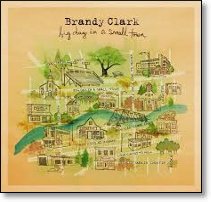
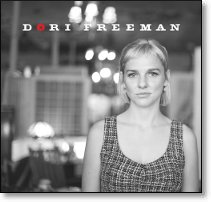
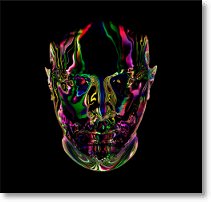
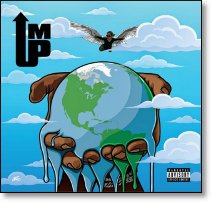
Music: Current count 26750 [26732] rated (+18), 449 [438] unrated (+11). Recovery from whatever struck me the previous week was slow, partly because I never seem to feel like doing much of anything anyways these days. I did manage to post a Rhapsody Streamnotes for June, and filed a tweet to that effect, but promoting the event on Facebook seemed like too much effort -- or maybe just not worth the trouble, as travel and illness had made the column much shorter and sparser than usual. This week's count is way short as well, but I came up with more than a few A-list adds. One thing that helped there was seeing more than a few mid-year best-of lists. Dan Weiss suggested Eric Prydz (3), The Goon Sax (5), Brandy Clark (18), and a few others I haven't gotten to yet (Konono No. 1, Tweet, The Paranoid Style, Sheer Mag, Wire, Mitski, The Julie Ruin, Fruit Bats, Angry Angles). I haven't been cataloguing these lists, but have started to add some records to my Music Tracking list. Last year's list was pretty deep (3077 records) whereas this year's is still sketchy (488) -- mostly records I've heard (373) plus a few that I may want to check out eventually (actually, up to 635 after I added the records from the "so far" lists below). For whatever it may be worth, here are some lists I've consulted: Brooklyn Magazine, Complex, Consequence of Sound, Digital Spy, EW, Fact, Fuse, Gigwise, Gorilla vs. Bear, Guardian, Mashable, Metacritic, Mojo, Newsday, NME, NPR, Observer: Hip-Hop, Observer: Jazz, Okayplayer, Pigeons & Planes, Rolling Stone, Spin, Stereogum, The Telegraph, USA Today, Vulture, XXL. I didn't tally them, but offhand the top slot seems to be between Beyoncé and Chance the Rapper, trailed by (in unranked order, my grades in brackets): Anderson .Paak [A-], Radiohead [B], Rihanna [A-], Kanye West [***]; maybe also: Anohni [*], James Blake, David Bowie [***], Tim Hecker, Kaytranada, Kendrick Lamar [***], Mitski, Parquet Courts [A-], Sturgill Simpson [***]. Other names that have popped up (probably incomplete, omitting EPs and compilations, * indicates a few mentions [as best I recall], titles only where I'm aware of multiples): *The 1975 [*], Aesop Rock [A-], Africans With Mainframes, Afro Celt Sound System, All Saints, The Anchoress, Applewood Road, ASAP Ferg, Aurora, Autechre, A-WA, Katy B [**], Baauer, Juliana Barwick, Bas, Be, Bendik, Big Thief, BJ the Chicago Kid [A-], Bjarki, Blood Orange, The Body, Boosie BadAzz, Borderland [Juan Atkins/Moritz von Oswald], Brockhampton, Brothers Osborne, *Car Seat Headrest, Jazz Cartier, Cavern of Anti-Matter, Helena Celle, *Chairlift, A.Chal, Christine and the Queens, Brandy Clark [A-], Cobalt, Kweku Collins, The Coral, Frankie Cosmos, Theo Croker, The Cult, Denzel Curry, Lucy Dacus [***], Daughter, Death Grips, Deftones, Jack DeJohnette [A-], DIIV, J Dilla, DJ Marfox, DJ Shadow [*], John Doe, *Drake, DVSN, Bob Dylan, Open Mike Eagle + Paul White [***], Robert Ellis, Elzhi, Brian Eno [*], Explosions in the Sky, Brian Fallon, The Field, Field Music [B], Flatbush Zombies [**], Floorplan, Flume, Anat Fort, Foxes, Freeway, Eleanor Friedberger, Frightened Rabbit, Robbie Fulks [A-], Future (EVOL), Gallant, Jack Garratt, *Kevin Gates [*], *Domo Genesis, Vince Gill, Robert Glasper, GLOSS, Gojira, Ariana Grande [*], The Greys, Steve Gunn, Bret Harris, PJ Harvey [**], Fay Hield and the Hurricane Party, Marquis Hill, Heron Oblivion, *Hinds, The Hotelier, Into It Over It, Ital Tek, Vijay Iyer/Wadada Leo Smith [**], Elton John, Johnhyun, Majid Jordan, Kamaiyah [**], Kano, Elon Katz, Charles Kelley, KING, Kvelertak, Julian Lage [*], Ray LaMontagne, *Jessy Lanza, *Lapsley, The Last Shadow Puppets, Klara Lewis, Mr. Lif [***], Lil Uzi Vert, Lil Yachty, Kedr Livanskiy, Night Lovell, Lucius, Luh, Loretta Lynn [**], Macklemore & Ryan Lewis, Post Malone, Megadeth, Michete, Modern Baseball, Mogwai, Money, The Monkees, Moodymann, Kevin Morby, *Maren Morris, Mothers, *Bob Mould, Mozzy, Mudcrutch, Mystery Jets, Nada Surf, Marissa Nadler, Oddisee [*], Panic! at the Disco, Oranssi Pazuzu, Jeff Parker, Pet Shop Boys [A-], Pinegrove [*], Rachel Platten, Polica, *Iggy Pop [*], A Pregnant Light, *Margo Price [A-], Pup [C+], Joey Purp, Corinne Bailey Rae, Bonnie Raitt [A-], The Range, Red Hot Chili Peppers, Logan Richardson [*], Alfredo Rodriguez [**], Carrie Rodriguez, Royce da 5'9", Xenia Rubinos, Huerco S, Samlyam, Santigold, *Savages, SBTRKT, School of Seven Bells, Ty Segall, Shearwater, Sia, *Paul Simon [*], Sioux Falls, *Skepta, Kaitlyn Aurelia Smith, Snarky Puppy (Kulcha Vulcha) [C+], Soulwax, Vic Spencer/Chris Crack, *Esperanza Spalding [B], Mavis Staples [**], Gwen Stefani [A-], Sunflower Bean, Swans, Teho Teardo and Blixa Bargeld, Teen Suicide, *Tegan and Sara, Tindersticks, Rokia Traore, Twenty88, William Tyler, Underworld [**], Maria Usbeck, Vektor, Villagers, Violent Soho, Leon Vynehall, Weezer, Westside Gunn, Wet [B], White Denim, *White Lung [**], Whitney, Lucinda Williams, YG, Yo Gotti, Young Dolph, *Young Thug (Slime Season 3) [**], Yung Lean, Zayn, ZelooperZ, Yumi Zouma. As of midyear (well, today) I have 40 records on my A-list (vs. 161 on my 2015 A-list, or about one-quarter as many in one-half the time). My list includes 20 jazz records (1 listed above), and 21 non-jazz (12 listed above, plus: The Coathangers, Elizabeth Cook, Dori Freeman, Gambari Band, Del McCoury, Eric Prydz, Tacocat, Wussy, Young Thug: I'm Up). Christgau, by the way, has 9 A-list albums (not counting compilations) not listed above: four of mine plus Homeboy Sandman, Konono No. 1, Buddy Miller, Thao & the Get Down Set Down, Waco Brothers. New records rated this week:
Recent reissues, compilations, and vault discoveries rated this week:
Old music rated this week:
Grade changes:
Unpacking: Found in the mail last week:
Ask a question, or send a comment. 2-July-2016 Weekend RoundupStarted this more than a week ago, but things dragged out, making me late, or perhaps now I should say early? After last week's referendum when 52% of the UK's voters decided to chuck it all and take Britain out of the European Union, David Eversall sent me this clipping from the Financial Times, adding "Probably has relevance for the Presidential election especially the last point."
Aside from the quibble that I suspect it's bigotry that leads to anti-intellectualism rather than the other way around, my reaction to the third point was "welcome to my world." Politics in America went counterfactual in the 1980s when Reagan came up with his "Morning in America" con (more on that at the end). I'm afraid I didn't know much about Brexit before plodding through the links below. Let me try to summarize what I've learned:
In what follows, it may be tempting, sobering, even chilling to think of Leave as Trump and Remain as Clinton. I think that's probably why we often take away the notion that Leave was primarily racist/xenophobic and Remain as liberal/integrationist, even though there were many more nuances to each. But working that angle out should really be another exercise. I suspect we'll find many more angles there too (with Trump it's hard to think of anything as a nuance). Some Brexit links:
Meanwhile, some short links on other subjects:
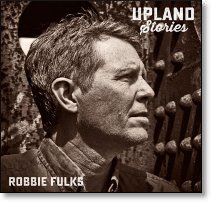
Ask a question, or send a comment. Thursday, June 30, 2016 Rhapsody Streamnotes (June 2016)Ran out of month before I hit 100 records for the first time since, well, looks like December 2014, although this month's 66 is closer to October 2014's 63 -- must have been another month I lost two weeks of on the road. Further slowing me down was a bout of something or other this past week. Indeed, for several days the only thing I listened to was The Art and Soul of Houston Person, a 3-CD compilation of standards that I graded A in 2008 and was even more soothing now. Almost got through the month with no old music, but after spending the time on Legacy's obviously redundant extension of Van Morrison's extraordinary 1973 live album, It's Too Late to Stop Now, I thought I might fill in Morrison albums I had missed (mostly because they had been panned by Christgau). Rhapsody had all but one: 2000's Linda Gail Lewis duet, You Win Again (a bomb in Christgau's lexicon). Aside from the Chieftains collaboration, they couldn't be anyone else's records, and lacking anything to compare it to I would have been suckered -- I still recall hearing 1977's A Period of Transition in EJ Korvettes and feeling compelled to buy it even though I already realized that I'd never pick it off the shelf over Moondance or His Band and Street Choir or Tupelo Honey or even Veedon Fleece. The ones I previously checked out are in the ACN, including two 21st century items that I count among his best: Down the Road (2002) and Born to Sing: No Plan B (2012). I should also note that The Best of Van Morrison: Volume 3 compiles two CDs from 1992-2005, including a handful of cuts not from his albums, and makes a superb case for the aging Morrison. The Grade Changes section lists one album I changed from a very old grade, but omits two new ones that I originally reported lower in my Music Week posts but upgraded here: Chance the Rapper's Coloring Book and Robbie Fulks' Upland Stories. Both arrived with high expectations but sounded no more than half-great to me first time through. That merited a couple extra plays before my initial judgments, but those plays left me with reservations that great albums shouldn't evoke: Chance's flow and consistency, and my fleeting interest in Fulks' ballads. Even now, I'm not as sure of either as I should be: to some extent I'm merely leaning into a consensus I'm not part of -- Christgau and Tatum have both at A, and Coloring Book is high on every mid-year list I've seen -- or maybe just playing the odds. Nearly all the non-jazz albums on the list below were recommended by other critics who are much more pro-active than I am in searching these records out. In particular, Eric Pridz came in 3rd on Dan Weiss' list, Phil Overeem likes Elizabeth Cook and Van Morrison's 1973 trove, Jason Gubbels Can't You Hear Me?, and Christgau got first to Aesop Rock and exclusively to Heartsrevolution (two years after the fact, which makes his find all the more remarkable). Most of the also-rans came from those same sources. I've never felt more like a fraud. I guess I can cite some jazz you haven't heard of yet -- still, even there the one clear pick is the one you most likely beat me to. Most of these are short notes/reviews based on streaming records from Rhapsody (other sources are noted in brackets). They are snap judgments based on one or two plays, accumulated since my last post along these lines, back on May 26. Past reviews and more information are available here (8229 records). Recent Releases
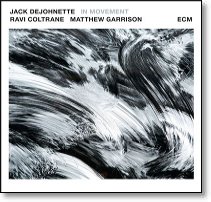
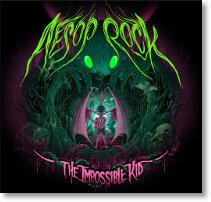
Adele: 25 (2015, XL): British singer-songwriter, names her albums after her age, with this her third after 19 and 21. Huge star: this was the bestselling album of 2015, selling 19 million units worldwide (8,774,000 in US), numbers that pale only compared to 21's 31 million units. Specializes in heartfelt ballads. Guess there's a market for that. B Ben Adkins: Salmagundi (2016, Ben Adkins Music): Drummer, first album, wrote five (of ten) songs including the Monkish opener, fitting in with a tradition that spans Charlie Parker and Billy Strayhorn. With trumpet, piano, guitar, bass, and a creaky vocal by Linda Cole to close. B+(**) [cd] Aesop Rock: The Impossible Kid (2016, Rhymesayers): Rapper Ian Bavitz, first album came out in 2000 when his rapid fire and loquacious vocabulary gave critics an opportunity to show off fancy words of their own, like logorrhea. I still listen to this sort of thing mostly for the beats, which pass muster, but when I do catch a rhyme it helps if it's smart. A- Alchemy Sound Project: Further Explorations (2014 [2016], ARC): Group led by five composers -- Samantha Boshnack (trumpet), Erica Lindsay (tenor sax), Salim Washington (tenor sax, oboe, alto flute, clarinet), Sumi Tonooka (piano), and David Arend (double bass) -- plus trombone and drums. The size gives them harmonic options as some of the compositions threaten to break out from postbop to avant. B+(*) [cd] Kris Allen: Beloved (2015 [2016], Truth Revolution): Alto saxophonist (soprano one cut), Jackie McLean protégé, has at least one previous album. Quartet with Frank Kozyra on tenor sax, Luques Curtis on bass, and Jonathan Barber on drums. Not much of a joust, but the saxes are on edge. B+(**) [cd] Jonas Cambien Trio: A Zoology of the Future (2016, Clean Feed): Pianist, from Belgium, has previously recorded in groups Platform and Karokh but this qualifies as his debut. Trio adds André Roligheten (soprano/tenor sax, bass clarinet) and Andreas Wildhagen (drums), and they mix it up. B+(***) [cd] Lou Caputo Not So Big Band: Uh Oh! (2015 [2016], JazzCat 47): Saxophonist (alto, baritone, soprano, flute), leads a 14-piece band -- just two trumpets, one trombone, tuba, three saxes, but extra percussion -- so not so little either, especially given that the arrangements and solos all fit the standard big band handbook. B+(*) [cd] Chance the Rapper: Coloring Book (2016, self-released): I've seen this reported as Chancelor Bennett's third mix tape, which suggests last year's Surf (attributed to Donnie Trumpet and the Social Experiment) was more his doing than I realized. This took me a long time and still seems to have so much going against it -- muddled mixes, beats more slippery than bouncy, a voice that sounds like some sort of caricature, all that God hyperbole -- yet nearly every other critic seems to love it, and after a half-dozen plays I find myself dragged -- at least as an admirer, albeit still a troubled one. A- Chat Noir: Nine Thoughts for One Word (2016, Rare Noise): Self-described "avant piano trio" -- Michele Cavalieri (keyboards, piano), Luca Fogagnolo (electric and acoustic bass, trombone), J Peter Schwalm (electronics, beats, keyboards, acoustic guitar) -- plus a couple extras (guitarist Daniel Calvi, vocalist Alessandro Tomaselli). The electronics makes for an interesting ambience, or soundtrack, as the case may be. B+(*) [cdr] Elizabeth Cook: Exodus of Love (2016, Agent Love): Alt-country singer-songwriter, seems to be moving ever further out of Nashville. Songs this time are not as immediately appealing as on Welder or (for that matter) Balls, partly because they're buried so much deeper in the guitar, but it's pretty impressive guitar, and when I hear some words I want to hear more. A- Jack DeJohnette: In Movement (2015 [2016], ECM): Drummer, leads a sax trio, with Ravi Coltrane and Matthew Garrison -- sons of the most legendary quartet of the 1960s plying their fathers' trades -- their names prominent enough on the cover that they could be listed on the artist line. Starting with the Father's "Alabama, touching on Miles Davis and EWF, with Ravi playing as much soprano sax as tenor, ending with something DeJohnette couldn't help but call "Soulful Ballad." Not a bad idea to focus on the drums. A- [dl] Jeff Denson Quartet: Concentric Circles (2016, Ridgeway): Bassist, ten or so albums including several with Lee Konitz, also sings some, leads a quartet here with bassoon (Paul Hanson), piano (Dan Zemelman), and drums (Alan Hall). Has some nice moments, but the horn doesn't grab you like a sax, the groove pieces don't break out of the ordinary, and the vocals don't interest at all. B- [cd] DJ Shadow: The Mountain Will Fall (2016, Mass Appeal): Some entrancing beat patches here couldn't have come from anyone else. On the other hand, I can't say I care to ever hear the last two tracks again, so a bit of a mess. B+(*) Kali Z. Fasteau: Intuit (2012-13 [2016], Flying Note): Multi-instrumentalist (here: drums, nai flute, viola, mizmar, aquasonic, voice) and avant-garde gadfly, continues her work with saxophonists Kidd Jordan and L. Mixashawn Rozie. Jordan's opening foray is one of the most delicately measured things I've ever heard him do, and he remains notable in the hit-and-miss that follows. B+(***) [cd] Romulo Fróes: Por Elas Sem Elas (2015, YB Music, EP): Brazilian singer-songwriter, started in a group called Passo Torto, presumably also plays the guitar that accompanies these 10 short songs (27:29), which I gather were written for women singers but performed simply by the auteur. B+(*) Robbie Fulks: Upland Stories (2016, Bloodshot): Alt-country singer-songwriter, his straighter rock albums less compelling than when he turns up the twang. Same thing here, where close to half the songs are hard bluegrass and slightly more come off as deceptively even-tempered folk. But the latter grow on you, and at some point I gave up on the distinction. A- Brian Groder Trio: R Train on the D Line (2014 [2016], Latham): Trumpet player, leans avant, especially working with Michael Bisio (bass) and Jay Rosen (drums), as he does here. Sparkles, but doesn't always make it seem easy. B+(**) [bc] Elektro Hafiz: Elektro Hafiz (2016, Guerssen): Turkish musician, based in Germany (Cologne), plays electric saz, darbuka, and other instruments, dense rhythmically and enchanting, maybe even belly-danceable. B+(***) [bc] Heartsrevolution: Ride or Die (2013, Owsla, EP): New York duo/trio, singer Leyla (Lo) Safai, instrumentalist (guitar, keyboards) Ben Pollock, cut this 5-cut, 16:08 EP a year before an album with the same name -- probably the latter that Christgau gave an A- to, but Rhapsody confused me by claiming this is more recent (and only has one cut of the album, so it may be some time until I get to it). Lead two cuts show some postpunk verve, can't say as I recall the rest. B+(*) Heartsrevolution: Ride or Die (2014, Owsla): OK, Christgau's review at Noisey includes a widget that supposedly plays the whole album although it does nothing else -- no idea of which song is playing when. Not sure how to tag, but I guess it counts. What I can say is that my interest didn't wane after the lead two cuts (from the EP, I think). Indeed, this sounds like the sort of record that could keep growing on you, not that the electrothrash doesn't provide instant gratification enough. A- [os] The Hot Sardines: French Fries + Champagne (2016, Decca): A New York-based retro swing band led by Evan Palazzo with French chanteuse Elizabeth Bougeroi, their eponymous debut thoroughly delighted me, but the pleasures in this more varied set are modest: a romping "Running Wild," "Comes Love" in French, an old reefer song ("When I Get Low I Get High"). B+(*) Kel Assouf: Tikounen (2016, Igloo): Saharan group based in Belgium, mostly Tuareg from Niger, second album. Rolls more than they rock, probably because they depend more on voices than on guitar, but they get the basic sound right, and can be mesmerizing even if they never knock you out. B+(**) LUME: Xabregas 10 (2014 [2016], Clean Feed): Group name an acronym for Lisbon Underground Music Ensemble, a 15-piece big band (six reeds, six brass, piano-bass-drums) led by pianist Marco Barroso. Four pieces, most working up a rolling rumble the soloists can build on. B+(**) [cd] Branford Marsalis Quartet: Upward Spiral (2016, Okeh): Superb mainstream outfit, with Joey Calderazzo, Eric Revis, and Justin Faulkner backing the tenor saxophonist. They're fine as long as they stick to their knitting, but the kicker is "special guest Kurt Elling," a singer I normally cannot stand but here merely don't much care for. B- Andrew McAnsh: Illustrations (2014-15 [2016], self-released): Trumpet player, probably his first album, mostly sextet (tenor sax, trombone, guitar, bass, drums) with scattered voice. The sort of postbop exercise I hate reviewing because he clearly worked so hard yet all I can remember (after two plays) is that I didn't enjoy it. No telling how many plays it would take before I could explain why. On Bandcamp if you think I'm being unfair. B- [cd] Sei Miguel: (Five) Stories Untold (2014-15 [2016], Clean Feed): Trumpet player, born in Paris, based in Portugal, more than a dozen albums since 1988. Starts with a bare bones duo with Fala Mariam on trombone, later adds guitar, drums, electronics, finally several saxes/reeds without ever losing the initial intimacy. B+(**) [cd] Mr. Lif: Don't Look Down (2016, Mello Music): Rapper Jeffrey Haynes, made a big splash c. 2002 but whose last album came out in 2009, returns, pretty much to a form that sounds more old school now than it did then, only dragging a bit toward the end. B+(***) Nacka Forum: We Are the World (2016, Moserobie): Swedish group, Google suggests they must have been named after a suburban shopping center near Stockholm. Quartet, Jonas Kullhammar (saxes) is the name I'm most familiar with, along with Goran Kajfes (cornet, trumpet), Johan Berthling (bass), and Kresten Osgood (drums, also some piano). Opens with bravado, then shifts to more methodical constructions, rewarding close listening. B+(***) [cd] New Standard Jazz Orchestra: Waltz About Nothing (2015 [2016], OA2): Big band, directed by Andy Baker (trombone) and Ken Partyka (alto sax, flute), based in Chicago. Swings on occasion, sometimes stalls. B- [cd] Pascal Niggenkemper: Le 7ème Continent: Talking Trash (2014-16 [2016], Clean Feed): Bassist, describes himself as German-French, based in New York since 2005, has several albums and side credits. Group here is described as a double trio, with clarinets (Joris Ruhl and Joachim Badenhorst), prepared pianos (Eve Risser and Philip Zaubek), but in lieu of a second bass Julián Elvira plays deep flutes (sub-contrabass and pronomos). Effect is complicated chamber jazz, sometimes pushing into avant territory. B+(**) [cd] Sebastian Noelle: Shelter (2015 [2016], Fresh Sound New Talent): Postbop guitarist, third album on FSNT, don't know where he comes from or how old he is, but he's based in New York and has a name quintet: Marc Mommass (tenor sax), Matt Mitchell (piano), Matt Clohesy (bass), Dan Weiss (drums). Some tricky music, but that's what postboppers do. B [cdr] Jason Palmer/Cedric Hanriot: City of Poets (2014 [2016], Whirlwind): Trumpet and piano respectively, mainstream postbop, probably more notable for the smaller-print, better-known names on the front cover: Michael Janisch (bass), Clarence Penn (drums), and especially Donny McCaslin (tenor sax). Palmer has several previous albums, including a Miniie Riperton tribute. B+(**) [cd] Bruno Parrinha/Luis Lopes/Ricardo Jacinto: Garden (2015 [2016], Clean Feed): Portuguese, I think, guitarist Lopes the best known, with Parrinha (alto/soprano sax, clarinet) and Jacinto (bass, electronics) all converging on a fractured program of ambient noise. B+(**) [cd] Pinegrove: Cardinal (2016, Run for Cover): NJ group, vehicle for singer-songwriter Evan Stephens Hall, who has a voice that doesn't really need a band, not that having one hurts. B+(*) Plus Sized Dan: Plus Sized Dan With Marshall Ruffin (2015, Plus Sized Dan, EP): Hard to see what production duo Clay Harper and Ruari Kilcullen adds to folksinger-with-guitar Ruffin -- at least I assume he's the one doing the heavy lifting here. First song about poor people hits home, and four more point toward a fine album that isn't quite finished. Time: 21:29. B+(***) Eric Prydz: Opus (2016, Astralwerks, 2CD): Swedish electronica producer. AMG styles as "Club/Dance, House, Euro-Dance," but to me this sounds more like the more giddily extravagant wing of late-'70s Krautrock although if anything it's even more jacked up. Several tracks have vocals: they don't signify much to me, but hardly break the vibe. Too long, at least to process, but hits too many pleasure spots to deny. A- Pup: The Dream Is Over (2016, Side One Dummy): Canadian rock band, emo or so I gather -- not sure what that means other than unnecessarily loud and cluttered, which this is in spades. C+ Radiohead: A Moon Shaped Pool (2016, XL): Legendary Brit rock band since the 1990s, always seemed destined to make cushy, atmospheric chamber pop, with this one more gracious (and forgettable) than most. B RED Trio/John Butcher: Summer Skyshift (2015 [2016], Clean Feed): Portuguese piano trio led by Rodrigo Pinheiro. Since their excellent eponymous debut, they've made it a habit to hook up with various guests, and the English avant-saxophonist is an ideal mate. At least, seems so at first, although they aren't always up to that level of fire. B+(***) [cd] Samo Salamon/Stefano Battaglia: Winds (2015 [2016], Sazas/Klopotec): Guitarist from Slovenia, has been quite prolific since the early 2000s, in a duet with the Italian pianist. Battaglia comes off even more measured than on his ECM releases, something Salamon respects with the appropriate shadings. B+(**) [cd] Jim Self and the Tricky Lix Latin Jazz Band: ¡Yo! (2016, Basset Hound): Tuba player, also something he calls a fluba -- basically an overgrown flugelhorn, not some weird flute hybrid. B Paul Simon: Stranger to Stranger (2016, Concord): I've never been a fan, although he has surprised me on occasion, mostly correlating with the quality of rhythms he appropriates, and inversely with the exposure of his solipsistic personality. This has a bit of the former and not too much of the latter. B+(*) Tyshawn Sorey: The Inner Spectrum of Variables (2015 [2016], Pi, 2CD): Drummer by trade, but he doesn't play much here, his compositions largely turned over to a quartet of strings (including contrabass), occasionally to piano (Chris Smythe). I suppose this focus on classical-sounding composition reinforces his academic credentials, most notably that he's been chosen to assume Anthony Braxton's post at Wesleyan University. I find parts beguiling, but I'm not a big fan of the chamber jazz concept, or of naming all your pieces "Movement" when they don't move much at all. I'll also note that the stretches I find myself most enjoying are the ones where the auteur joins in. B+(***) [cd] Thao & the Get Down Stay Down: A Man Alive (2016, Ribbon Music): Vehicle for singer-songwriter Thao Nguyen, originally formed in Virginia but since relocated to San Francisco. Fourth album, first I've heard, produced by Merrill Garbus (Tune-Yards), whose quirky rhythms and sensibility I've tried many times to get into and so far have failed. B+(*) Allen Toussaint: American Tunes (2013-15 [2016], Nonesuch): Better known as a producer, especially during the heyday of Minit Records (1960-62; one of my favorite travel records is Finger Poppin' and Stompin' Feet: 20 Classic Allen Toussaint Productions for Minit Records 1960-1962), he has a spotty solo career starting with his eponymous 1971 album and ending with this here compilation of mostly piano pieces, the last cut a month before his November 2015 death. Two originals, two from Professor Longhair, an old danza from Louis Gottschalk and "Big Chief" from Toussaint's Wild Tchoupitoulas days evoke New Orleans, while he draws broader inspiration from Ellington, Waller, Hines, Strayhorn, and Bill Evans. Two vocal pieces with Rhiannon Giddens, plus a Paul Simon song he sings casually. B+(**) Ukandanz: Awo (2016, Buda Musique): "Ethiopian crunch music" -- vocalist Asnake Guebreyes hails from Addis Ababa, but the band is based in Lyon, France, and they crank up the kind of grand drama that turns him into an arena rock shouter. At least he's up to the challenge. B+(*) Underworld: Barbara Barbara, We Face a Shining Future (2016, Astralwerks): A British group I've never researched, dating back to 1988, most often slotted as electronica, more specifically "progressive house," principally Karl Hyde (vocals, recently on a couple Eno albums) and Rick Smith (keyboards), comes out of the gate here riding a bass riff like the Fall. Third song in shifts to a slower gear and nothing remarkable ensues, just better-than-average ambient groove. B+(**) Harvey Valdes: Point Counter Point (2016, self-released): Brooklyn guitarist, definitely electric, second album, a trio with Sana Nagano on violin and Joe Hertenstein on drums. The violin predominates, sharpening the edges of the guitar strings to create a fresh take on postpunk fusion. B+(***) [cd] Waxwing: A Bowl of Sixty Taxidermists (2015, Songlines): Vancouver [BC] trio, did a 2007 album under their various names before settling on this group nomiker. Those names are: Tony Wilson (guitar), Peggy Lee (cello), and Jon Bentley (tenor, soprano, and c-melody sax). The strings and lack of drums suggest chamber jazz and it can drift into that sort of moodiness, but rarely settles there. B+(**) White Lung: Paradise (2016, Domino): Vancouver BC postpunk group featuring singer Mish Way, fourth album, regarded as a pop move although it's plenty loud and the ten songs clock in at a no-flab 28:24. B+(**) Recent Reissues, Compilations, Vault Discoveries
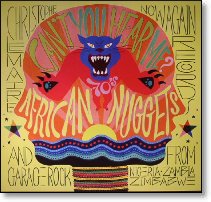
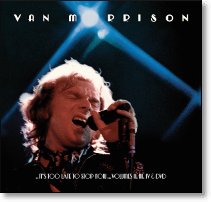
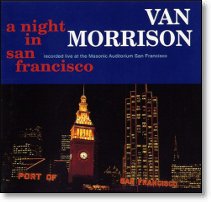
Can't You Hear Me? 70's African Nuggets & Garage Rock From Nigeria, Zambia, and Zimbabwe (1970s [2016], Now-Again): Most of you world music fans look to Africa for exotic beats and ecstatic chants, and that's what you find in stellar compilations from The Indestructible Beat of Soweto to Guitar Paradise in East Africa to Zaire Choc to The Music in My Head. No telling how much more of that awaits discovery, but there also exists huge troves of efforts to imitate western pop from reggae to rap and even, here, 1960s-style garage rock. This one works because the source nations were English colonies, picking up enough of the language to carry on. Also because you've never heard a snatch of this not unfamiliar music before -- but its obscurity derives not just from prior lack of access but from the fact that we're only slowly realizing how much we share with Africa. A- Van Morrison: It's Too Late to Stop Now: Volumes II, III, IV & DVD (1973 [2016], Legacy, 3CD+DVD): More from the 1973 tour that produced Morrison's original live album, a landmark summation after only six Warners albums (plus the one on Bang and whatever Them recorded). Those albums contain hits enough, but he also supplements them with more than the usual load of covers, especially blues. The 11-piece Caledonia Soul Orchestra adds strings and horns, but the main thing you feel is the mastery of the man who was born to sing. Can be redundant, definitely de trop, but not a problem for me. [No DVD.] A- Old MusicVan Morrison: Inarticulate Speech of the Heart (1983, Warner Brothers): Unmistakable, even in the instrumentals that fill up over a third of the album, or on the two takes of the title song, the lyric there barely a chant, so stretched awfully thin. B Van Morrison: Live at the Grand Opera House Belfast (1983 [1984], Mercury): A return to Morrison's home town for his second live album, a decade after It's Too Late to Stop Now. Limits the songbook to his last four albums, two I consider masterpieces (Into the Music and Beautiful Vision), two not. B+(**) Van Morrison: A Sense of Wonder (1985, Mercury): Covers Ray Charles and Mose Allison, tries to make music of mysticism from Blake and Yeats, all this looking inward leaves little on the outside. Reissue helps itself by repeating the title track, typical enough you can bury it on the backside of a best-of and not notice how it fails to deliver. B- Van Morrison: No Guru, No Method, No Teacher (1986, Mercury): At his best Morrison makes his brand of Celtic soul seem effortless. Here he makes it look like hard work, but at least the constant struggle produces decent quality results. B+(**) Van Morrison: Poetic Champions Compose (1987, Mercury): Takes it easier this time, possibly realizing how little reward he got from his recent hard work, possibly just realizing he's in a long rut. B+(*) Van Morrison & the Chieftains: Irish Heartbeat (1988, Mercury): Irish folk group, had close to twenty albums since 1963 when this meetup was recorded, with twenty-some more yet to come. A publicist sent me several of the group's records back in the 1970s but I didn't recall them when I jotted down my original records list, the basis of my later database. Not something I've ever had much interest in, I guess, but they also were never surprising enough to make me make an exception. Eight trad songs barely lifted, plus two old Morrisons waylaid. B- Van Morrison: Enlightenment (1990, Mercury): The 1980s were a bad decade politically and, coincidentally I'm sure, were rough on many rock stars from the 1960s, but like Dylan, say, Morrison started to return to form at decade's end with 1989's Avalon Sunset. This one is a bit more rickety -- not something you'd pull off the shelf in place of his classics, but one you'd enjoy if you did. B+(***) Van Morrison: Hymns to the Silence (1991, Mercury, 2CD): Promises excess, but starts off with a streak of winning tunes leaving me no doubt that the 21-song 94:53 sprawl could be edited down to a pretty solid but still idiosyncratic A- single. I'd start by cutting the two songs with the Chieftains, then take a hard look at the gospel covers and the Dr. John co-write, although I can't swear they wouldn't grow on me. B+(***) Van Morrison: A Night in San Francisco (1993 [1994], Polydor, 2CD): Recorded live at Masonic Auditorium, twenty years after It's Too Late to Stop Now. His songbook is so broad he resorts to medleys, but also more than a few covers, especially blues John Lee Hooker, Junior Wells, and Jimmy Witherspoon sharing vocals -- also does justice to Sly Stone and James Brown, and starts the second disc with "Jumpin' With Symphony Sid" -- one case where the thought counts. Closing medley: "Shakin' All Over/Gloria." Encore: "Cleaning Windows." Maybe not the hardest working man in show business, but damn close. A- Van Morrison With Georgie Fame & Friends: How Long Has This Been Going On? (1995, Verve): Fame (né Clive Powell) was rather famous in England c. 1964-69 when his group, Georgie Fame & the Blue Flames, scored three number one (and nine top-40) singles in the UK (but only two, a 7 and a 21, in the US). He plays organ, sings a bit, and has appeared on several recent Morrison albums. Signed to a jazz label, Morrison met them more than half way: recording "live" (but without an audience) at Ronnie Scott's in London, the "friends" include vocalist Annie Ross, alto saxophonists Pee Wee Ellis and Alan Skidmore, Leo Green on tenor, and Guy Barker on trumpet. He slips four of his own songs in with ten jazz standards, leaning toward vocalese and Mose Allison. I've been tempted to vote for him in jazz polls: he's always had an innately jazzy feel, and he goes to town here with "Moondance," but the more trad fare rarely rises beyond the group's expertise. B+(**) Van Morrison/Georgie Fame/Mose Allison/Ben Sidran: Tell Me Something: The Songs of Mose Allison (1996, Verve): Cover says "with" before listing the four artists, a curious indirection but all sing and offhand I'd say Allison takes more leads, cutting into Morrison's superior marketing clout (and for that matter voice). Band is largely the same as on the previous Verve album, which prefigured this by offering two Allison songs. B+(*) Van Morrison: Back on Top (1999, Point Blank): Life after Verve, Morrison bounces back with yet another of his marvels, steeped in blues, sliding through jazz moves. Title song is a bit labored as he realizes there is nowhere left to go but down. B+(***) Van Morrison: Magic Time (2005, Geffen): Another solid album with minor annoyances, such as his rewrite of "Black and Blue" as "Lonely and Blue" (talk about tragedy turning into farce). B+(**) Revised GradesSometimes further listening leads me to change an initial grade, usually either because I move on to a real copy, or because someone else's review or list makes me want to check it again: Van Morrison: Too Long in Exile (1993, Polydor): The only Morrison record Christgau graded above me, so I figured it was worth another listen. One anomaly here is a fairly large share of covers, including his own "Gloria" sung by John Lee Hooker. The bluesman fits in an album that is mostly blues, and so does Georgie Fame's organ. [Was B+] A- Additional Consumer News:Previous grades on artists in the old music section.
NotesEverything streamed from Rhapsody, except as noted in brackets following the grade:
Ask a question, or send a comment. Monday, June 27, 2016 Music Week
Music: Current count 26732 [26705] rated (+27), 438 [440] unrated (-2). Been sick the last couple days. Probably just one of those passing bugs, but it's really kicked my ass. I started a Weekend Roundup yesterday, but couldn't finish (or even get very far into the thing). Lots to say about the whole "Brexit" thing, but no point trying until I feel up to it. Phil Overeem liked the extended 3-CD It's Too Late to Stop Now, so I gave it a try. I can't say that all the redundancy is worth it, but I can't find much fault either. It was enough to get me to do a deep dive into all the Morrison I had missed -- almost everything from 1983-1999. Turns out the best of that stretch is another live double. Only one I'm still aware of missing is You Win Again (with Linda Gail Lewis). Rhapsody Streamnotes is due by the end of the month, which is to say Thursday. I don't feel up to wrapping it up right now, but hopefully will recover somewhat by then. (Otherwise there's always backdating.) New records rated this week:
Recent reissues, compilations, and vault discoveries rated this week:
Old music rated this week:
Grade changes:
Unpacking: Found in the mail last week:
Ask a question, or send a comment. Monday, June 20, 2016 Music Week
Music: Current count 26705 [26674] rated (+31), 440 [447] unrated (-7). First, some business left over from yesterday's Weekend Roundup post. David Everall wrote a long and informative letter on the "Brexit" question. Main point: "both the linked to article and your comments vastly underestimate the racist, xenophobic nature of the 'leave' side of the debate here." I've added the whole letter to the Comments section of the "faux blog" post. (If you seriously want to comment on a post, best way is to send me email -- look for the "Contact" link.) What Everall says makes sense to me, and not just because I'm tempted to see a parallel in Donald Trump. I've probably tended to underestimate Trump movement racism because I find his more conventional Republican opponents so horrifying, but I do think that Laura Tillem has a point when she says that the worst thing about a Trump election is that it could happen (i.e., what it would show about the dim-witted viciousness of the American people). The takeaway of a Trump election would surely be that racism and xenophobia are acceptable, even majority, views, and that's probably what people would glean if "Brexit" succeeds. I can't say as I ever thought the latter would happen, as both right and left have their own reasons for keeping the union together. But I finally looked up some polling, and the referendum looks to be very close, with either outcome possible. But whereas, say, last night's NBA Finals Game was so close I figured either side winning would be a meaningless fluke, the "Brexit" is even close is already some kind of racist, chauvinist triumph -- even if what it really suggests is the utter breakdown of Britain's conservative elites' ability to keep their popular base in line. Again, this runs parallel with America's conservative elites inability to derail Trump. Whoever thought that decades of cynical manipulation of racial and ethnic grudges would have led to this? Of course, a big part of those conservatives elites' failure comes from their disastrous excursions abroad. For example, see Record 65 million displaced by global conflicts and The translators promised visas but made into refugees by the US Army. Another thing I haven't been paying sufficient attention to is the Trump meltdown. Given a little more time, the Trump section could have grown to two or three times as many items as I cited. Just from TPM today we see Trump Adviser Resigns After Celebrating Top Aide's Ouster, How Did Trump's Internally Loathed, Embattled Top Aide Last So Long?, The Real News Is Trump Is Broke, and Panicked Utah GOP Chair Is Another Sign That GOP Stronghold Is in Play. The first of those four starts out:
There's also this: Trump says US should adopt Israel's racial profiling model. I also want to note that Al Leiderman passed away -- Uncle Al to us. Born 1917, married Lillian Tillem for 74 years until her death in 2015, owned a laundry business and did fairly well. I met Lillian and Al twice: in 2008 when they came to Kal Tillem's funeral, and in 2014 when Laura and I visited them in Palm Beach. Googling Al gets us to several episodes of Old Jews Telling Jokes, like this and this and this. Not great jokes, but more of a legacy than I usually find. Fairly hefty list of newly rated albums this week, mostly drawn from Christgau's Expert Witness (Aesop Rock, Chance the Rapper, Robbie Fulks, Heartsrevolution, Mr. Lif, Thao, White Lung), a Jason Gubbels SPIN World Report (Kel Assouf, Can't You Hear Me?, Romulo Fróes, Elektro Hafiz, Ukandanz), Phil Overeem's latest Good to My Earhole (Chance the Rapper, Elizabeth Cook), and Stereogum's The 50 Best Albums of 2016 So Far (Chance the Rapper, Pinegrove, Pup, Radiohead, Underworld). Looks like everyone (but me) loves Coloring Book. I gave it three plays, bumping it a notch from my original grade. I could imagine getting to like it somewhat more, but unless I figure out how to burn a copy I doubt I'll bother. Too much mess, even before there's too much God. Cook also got three plays, but they finally took. I got off on the wrong track with Heartsrevolution, but the widget at Noisey did the trick. Taking my jazz queue pretty much in order, which leaves Tyshawn Sorey up for next week. First three or four albums after I got back came in B or worse. Wondered whether that was because I had spent the previous two weeks listening to classics, but I'm pretty sure they weren't very good. Looks like AMG dropped their anti-AdBlock hostageware. No idea why, but I had decided to see how long I could live without it. Still, glad to have access again. New records rated this week:
Recent reissues, compilations, and vault discoveries rated this week:
Unpacking: Found in the mail last week:
|