|
An occasional blog about populist politics and popular music, not necessarily at the same time. LinksLocal Links Social Media My Other Websites Music Politics Others Networking Music DatabaseArtist Search: Website SearchGoogle: Recent Reading
Music DatabaseArtist Search: Website SearchGoogle: |
Blog Entries [1050 - 1059]Sunday, February 7, 2016 Music Week
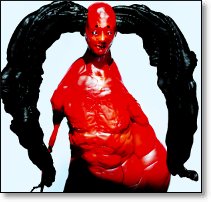
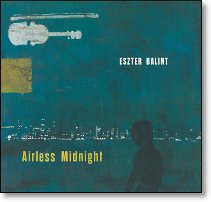
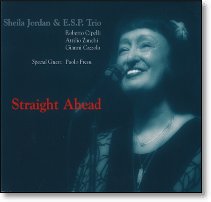
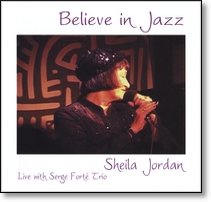
Music: Current count 26231 [26199] rated (+32), 421 [412] unrated (+9). I don't have much to say this week. Most of the records below are still 2015 releases (11 are 2016, only one of those non-jazz). Since I froze the 2015 file, belatedly graded 2015 releases are appearing in green. (Note to self: this greatly increases the likelihood of a coding error making the file unviewable, so check it more often.) I have decided (for now) to continue adding to the jazz and non-jazz EOY lists, and I've added a few things to the EOY aggregate -- I'm not really looking for more lists, but occasionally stumble onto one (like this one from If Men Had Ears -- supposedly objective because numbers were crunched, but there's still selection bias, and anything that elevates Tame Impala to second place is a bit suspicious). A fair number of the records below are alt-country. Last year I got a lot of good tips from Saving Country Music. Less so this year, but I checked most of their nominees out -- even Don Henley's not-so-bad album (much better than the James Taylor album that also appeared on Rolling Stone's EOY list). I complained last week about not being able to find Arca's Mutant on Rhapsody -- thanks to the reader who encouraged me to try again. The Eszter Balint album appeared on Christgau's EW post (also Thomas Anderson and Donnie Fritts). It's worth noting that Balint's superb album was totally missed by the 700+ EOY lists I've compiled -- the second (or third) time Christgau has picked something that far from the spotlight. (Foxymorons was the other, with Mark Rubin only appearing on the list of a well known fan.) Old music has a couple albums from the wonderful Sheila Jordan. I noticed Better Than Anything in Downbeat, and when I found it on Rhapsody, I noticed a couple more albums I hadn't heard. I commented that she hadn't recorded anything new since turning 80 in 2008. Rummaging around a bit I found notice of an 85th birthday concert with Steve Kuhn in 2013, and her website showed events at least into 2014. No doubt she's moving into a treacherous age. Some more EOY list links:
New records rated this week:
Recent reissues, compilations, and vault discoveries rated this week:
Old music rated this week:
Unpacking: Found in the mail last week:
Ask a question, or send a comment. Saturday, February 7, 2015 Weekend RoundupI threw this together rather quickly, but here are some links of interest this week:
Also, a few links for further study (briefly noted:
Ask a question, or send a comment. Thursday, February 5, 2015 Post-IowaPostscript added [Feb. 6]. No Weekend Roundup last Sunday, as I was trying to tie up the loose ends on a Rhapsody Streamnotes column. Since then the ridiculous spectacle of the Iowa Caucuses happened. With all the money being spent on political corruption these days, some small states have spied an economic opportunity in being the first to weigh in on who's going to be the next president, and that's settled out into the convention that New Hampshire runs the first primary -- they've made it clear that if any other state tries to usurp them, they'll just move their primary further up -- with Iowa sneaking ahead with its caucus scam. As you know, everyone who's anyone (plus some who don't seem to be anyone at all) has been campaigning for president for a full year now, so this is the first real opportunity the voters have had to thin the field. That's the main takeaway from the caucuses. Martin O'Malley was the first one to suspend his campaign after a pitiful showing in Iowa. He was running as the Democrats' insurance policy, figuring that if the voters couldn't stand presumptive nominee Hillary Clinton he'd make himself available as the fallback candidate. So basically he was running against Bernie Sanders as the alternative to Clinton only, you know, without having any policy differences from Clinton and, well, the laws of physics prevailed: substance defeated vacuum. On the other hand, Sanders and Clinton are likely to continue all the way to the convention: the former because he's somehow managed to inspire and organize a sizable chunk of the Democratic base -- with issues, of course, but also integrity -- and the latter because, as 2008 demonstrated, she has a remarkable ability to "take a licking and keep on ticking." More on this later. As for the Republicans, I think it's fair to say that Mike Huckabee and Rick Santorum should hang it up. They won Iowa the last two times out, and they basically have no better prospects ahead. (Huckabee, as a Southern preacher, might want to hang on for South Carolina and maybe even Super Tuesday but if he was going to win he would have placed 1st in Iowa, not 9th.) As I understand it, Kasich and Christie didn't make much of an effort in Iowa -- still Kasich edged Huckabee for 8th, and Christie beat Santorum for 10th -- but see New Hampshire as their big opportunity. If they do as poorly there they'll be laughed out of the race too. Hard to spin any upside for Jeb Bush either (6th place, 2.8%), not that he ever looked very likely. For starters, I suspect that it's hard to find any Republicans who didn't wind up hating either his brother or his father -- the latter for not being a true conservative, the former for making conservatives look so hideous (not that there aren't some conservatives so purist, or blinkered, as to hate both). But the final blow is probably the coalescence of the anti-Trump, anti-Cruz camp in favor of fellow Floridian Marco Rubio. Bush's only hope is that the romance will prove fleeting: Rubio ran so far ahead of his polls that I suspect that many of his supporters preferred less popular candidates but switched at the last minute trying to stop Trump and Cruz. I doubt you'd see that in a primary, although Rubio's 3rd place (23.1%) finish gives him a chance to carry the banner forward. Also Rubio does appear to have a hard core of supporters: he's emerged as the neocon favorite, even though pretty much every Republican candidate has pledged to start World War III. Ted Cruz (1st place, 27.6%) seems to have captured most the Christian nationalist bloc which dominated Iowa's GOP caucuses in 2008/2012 -- I can't say as I see the appeal, but that's what people say. (Ben Carson's 4th place, 9.3% share is probably even more evangelical.) It's tempting to say that Cruz beat Trump (2nd place, 24.3%) once Republicans learned that he's the even bigger asshole, but it could just be Trump's excuse about not having a "ground game." That seems like something Trump could fix, or at least neutralize when we start getting into the real primaries. Whether he can repair his tarnished image as a winner is another story. As for who in the long run will reign as the chief asshole, I wouldn't count him out, but on the other hand it wouldn't be a stupid move to let Cruz enjoy his claim. I have nothing much to say about Carson, Rand Paul (5th, 4.5%), or Carly Fiorina (7th, 1.9%), except that they are unique enough they can probably sustain their irrelevant campaigns longer than most. Still, it's worth noting that Paul, despite all his compromises, isn't doing nearly as well as his father did four (or even eight) years ago. I also see someone named Gilmore on the returns list, trailing even Santorum with 0%. As I understand it, he did so poorly his reported percentage wasn't even rounded down. [PS: After I wrote this, Paul and Santorum suspended their campaigns.] Still, hard to even care about the Republican results. For starters, on any reality-based scale there's no practical difference between any of the candidates, and the distance between any of them and the worst possible Democratic candidate is so vast the election will most likely split the same regardless of who is nominated. In fact, there's probably a wider ideological split between the two Democrats than between Clinton and the Republicans, but the Democrats appear more cohesive because both camps recognize the very real danger the Republicans, and will tolerate the other rather than risk civilization and the republic. Sanders people are likely to bend your ear on how bad Clinton has been and could be, but unlike Nader people in 2000 they're not going to tell you there's no difference between Bore and Gush. That's one lesson that's been learned to our horror. That lesson has been the signal accomplishment of Clintonism. When Bill Clinton ran for president in 1992, his real hope was to establish that the Democrats would be better for business than the Republicans had been under Reagan and Bush. The signature accomplishment of his first term was NAFTA, which was not only a giant gift to business; it split the Democratic Party, hitting the unions especially hard. He tried to follow that up with his (well, Hillary's) health care plan, which was intended as a second big giveaway to business, but got squashed when the Republicans decided to go feral on him (the one thing they couldn't allow was for Clinton to appear more pro-business than they were). That turned out to be a blessing for both: Republicans gained control of Congress, freeing Clinton from any need to satify any of his party's desired reforms, and positioning himself as the last defensive rampart against the barbarians at the gate. Clinton was re-elected in 1996 and presided over the strongest economic boom in the US since the 1960s -- partly the good luck of coinciding with a real tech boom, partly opening the economy up to ever greater levels of financial fraud. But the key thing was how he usurped and monopolized the Democratic Party. He built a personal political machine, a network of rich donors -- he had, after all, made them a lot of money while he was president -- and he kept that going after he left office in 2001, mostly to support Hillary's ambitions. When she ran in 2008 she was both the heir to his machine and, once again, the designated defender of civilization against Republican ruin. As she is now -- the interesting sidelight is how Obama followed Clinton's pattern, spending his initial victory catering to business before provoking a Republican revolt which only he has saved us from. The pattern has become so regular it's hard to imagine a Hillary administration doing anything else: providing huge dividends to business while blaming the Republicans for kneecapping any popular reforms. Clinton's hegemony over the Democratic Party proved so complete that no mainstream Democrat (unless you count O'Malley) dare run against her. This has less to do with a shortfall of up-and-coming politicians -- it shouldn't be hard to come up with a list of Senators and Governors as qualified as Cruz-Paul-Rubio and Bush-Christie-Jindal-Kasich-Walker -- as the fact that the Clintons had cornered the donor class, strangling the chances anyone else might have had for sponsorship. Sanders escaped their tentacles because he wasn't even a Democrat: he's been elected repeatedly to Congress as an Independent, yet it turns out he's the one able to appeal to the party's hardcore constituency. And the reason is quite simple: he hasn't sold them out like the Clintons have, time and time again. I've long thought that the left wing, both inside and beyond the Democratic Party, was substantially larger than the paltry vote totals garnered by Ralph Nader and Dennis Kucinich, so I find Sanders' polling gratifying. Surprising too, as 50% in Iowa and 61% (latest poll I've seen) in New Hampshire is even more than I imagined. Part of this is Sanders' personal charisma, which is off the scale compared to Nader and Kucinich. Part of this is that conditions for working people, especially the young, have gotten objectively worse, in the last eight (or 16 or 24 or 36, take your pick) years. Part of this is that the cold war red-baiting which mad anyone even remotely tolerant of socialism anathema has lost much of its sting -- chalk this up to indiscriminate use, but also to how obnoxious those who traffic in such charges have become. But part of it is also residual disgust with the Clintons, who missed (and messed up) their opportunity to roll back the damages of the Reagan-Bush era, and whose minions at least contributed to Obama's post-Bush shortcomings (Larry Summers, for instance, not to mention Obama's Secretary of State). Still, odds are Clinton will prevail. I know some decent leftists who are already supporting her, mostly on the theory that she's been tested and proven she's tough enough to stand up to the inevitable Republican slander campaign, and that matters because the alternative of a Trump-Cruz-Rubio-whoever becoming president is too horrible to even contemplate. Those people are mostly old enough to remember how the center and a loud slice of the Democratic Party abandoned George McGovern to re-elect the Crook (and War Criminal) Nixon in 1972. (If they know their history, they may even recall how many Democrats turned against the populist campaigns of William Jennings Bryan in 1896-1904 -- if not, they can read Karl Rove's recent book on his hero, William McKinley.) Paul Krugman cites an article on this: David Roberts: Give a little thought to what a GOP campaign against Bernie Sanders might look like. If anything, I think Roberts undersells his case (he admits "I'm not sure I have the requisite killer instinct to fully imagine how the GOP will play a Sanders campaign"). I think we'd be hearing a lot more about how Sanders' programs will kill jobs -- the same tack they took against the ACA, even though there's no evidence of it (but then there's no evidence that anything Republicans say about macroeconomics is true). What's unclear is whether those slanders will have any resonance beyond the right wing's echo chamber. Surely one effect of so many years of such outrageous and brazenly self-serving propaganda has worn thin on many people. There's a famous David Frum quote where he argues that Republican politicians have learned to fear their base; by contrast, Democratic politicians loathe their base. The latter sentiment seems to fit the Clintons' cynical pandering to and rejection of their voters. Maybe if Sanders keeps rising in the polls, they'll learn to show their base some measure of respect. More likely it will come too late: given the quality of his opponents, it's harder for me to see how Sanders can fail to win the nomination and the election. What I worry about more is that he will have gotten too far out ahead of the party. But there is at least one precedent: Franklin Roosevelt became president before forging a grass roots New Deal coalition to support him. Roosevelt, an aristocrat who was turned into a radical by his times, only gradually realized the need, but as a life-long radical Sanders should know better. I'm still dismayed that he keeps talking about "a political revolution," but what else could that phrase mean? Milo Miles tweeted a reply to this piece. Not feeling I could write an adequate reply in 144 characters, I thought I'd add a postscript here. Milo's tweet:
No less an authority than Frances Perkins, who knew and worked with FDR before he was struck with polio, felt that his crippling made him much more emphathetic with people, especially the downtrodden, than he had been when he was young and healthy. He was a Democrat, and a very rich and privileged one, by birth, which back then didn't predispose him toward any populist or progressive impulses. The only Democrat to win the presidency in the 19th century after the Civl War was Grover Cleveland, who was quite possibly the most conservative president we ever had. Woodrow Wilson did some progressive things early on, but he seemed to treat them like cough syrup, medicine to be swallowed fast and discarded as soon as possible. More influential was FDR's distant cousin, Theodore Roosevelt, so clearly the model for FDR's own career that some of the rhetoric had to rub off. Still, when FDR was elected president in 1932, I don't think it was obvious that he would wind up far to the left of Herbert Hoover. The voters simply wanted change, and in FDR they got a president who vowed to do something, to try all sorts of things to stem the Great Depression. In his early days -- what turned into the legendary 100 days -- he indeed tried all sorts of things, all over the political spectrum. He was especially concerned about failing banks, falling farm prices, and deflation in general -- not exactly leftist causes -- but his empathy didn't exclude anyone (even though New Deal programs often excluded agricultural and domestic workers, i.e., blacks). And he was famously fond of balanced budgets, but he went with whatever worked, and what worked moved him far to the left. He finally acted on that in 1938, when he tried to move the Democratic Party to the left by challenging a number of reactionaries within the party, specifically its Southern wing. By and large, his "purge" of the party failed, even backfired, as conservative Democrats increasingly allied with Republicans to fight and in some cases undo New Deal reforms (most famously passing Taft-Hartley over Truman's veto in 1947). Over the longer term, the Democratic Party did evolve toward FDR's political stance -- even posting a few tangible legislative achievements under LBJ -- but in many respects they came up short. I should make more explicit the point I was leaning to, which is that Sanders' "political revolution" (no matter how innocuously he means that) would be unprecedented in American history. Every major political challenge from the left so far has been voted down rather decisively -- the populist Bryan in 1896 (and 1900 and 1908), the Progressive parties of Roosevelt in 1912 and LaFollette in 1924, McGovern's anti-war candidacy in 1972. The only exception I could think of was FDR in 1932, but as I said, that case was relatively ambiguous, and his subsequent turns to the left were mostly checked. You might wish to nominate Obama in 2008, who was promptly pilloried by right-wing propaganda and the phony Tea Party movement -- not that he was much of a progressive, or any sort of leftist, in the first place. That doesn't mean that Sanders' campaign is impossible, let alone undesirable. For one thing, historical conditions are every bit as unprecedented. The right-wing threat has never appeared more ominous. And the inadequacy of Clinton/Obama compromises has never been more obvious. In particular, they seem incapable of reversing major shifts of the last few decades: increasing inequality, severe climate change, the hollowing out of America's industrial base, persistent and often thoughtless war, the degeneration of democracy into an auction for the superrich. Not sure that I answered one point about Milo's tweet: his line, "He was a despised cripple." Some people indeed despised Roosevelt, especially as "a traitor to his class," but my impression is that few people realized that he was so severely crippled, and I'm not aware of it ever becoming a "talking point" against him. I don't doubt that Roosevelt feared that being seen as a cripple would eat at the faith that he could lead the nation, and there's no doubt that he worked very hard to conceal his disability from the public. Hence I focused on the empathy question, which I thought more to the point. PPS: Somehow I missed the report that Mike Huckabee ended his campaign, evidently on the night of his disastrous Iowa finish, buried in the Martin O'Malley news. Ask a question, or send a comment. Tuesday, February 2, 2016 Music Week
Music: Current count 26199 [26163] rated (+36), 412 [408] unrated (+4). Nearly everything here appeared in yesterday's Rhapsody Streamnotes -- the eagle-eyed will note that the exception is saxophonist Roxy Coss's minor-label debut. That one can wait for late February, by which time it will have some company. How much is hard to say: I really need to start writing more on other things. Wrapping up yesterday's music column precluded a Weekend Roundup. I'll try to start by doing a midweek edition, by which time the Iowa thing will be history (not that I expect to have anything to say on the subject). In the last week, my jazz and non-jazz EOY files tightened up. When I first put them together, jazz had a big 52-33 lead in A-list files. End of January that had narrowed to 77-73 (with an 11-11 tie in reissues/compilations/vault music). There's a pretty strong correlation between what I think and what Michael Tatum and Robert Christgau write. If you read me, you probably read them, so are familiar with their picks. What I thought I'd do here is to pull out my list's non-jazz A/A- records that neither Christgau nor Tatum have reviewed thus far (the bracketed numbers are rank from my EOY aggregate file, as of yesterday; ** means ≥ 1000, breaking at 5 points):
I let the software renumber these, but there's a big gap between my number 1 and 2 -- about a dozen (OK, 11) common albums, although Christgau hasn't touched Ezra Furman (A per Tatum) and sloughed off Sleaford Mods and Low Cut Connie with low HMs. But I'm not looking for disagreements -- for what it's worth, a quick check shows 26 Christgau A/A- records I rated *** (12) or worse, out of 50 (with one records unheard, so I downrate a bit more than 50%) -- just to point out some exceptional records you may not have noticed. (Looking down the list, I find a few more tips I might have flagged, especially from Jason Gubbels, Phil Overeem, and Lucas Fagen.) PS: Added Arca: Mutant to the A-list while working on this today. Thanks to Thomas Walker for pointing out it finally surfaced on Rhapsody. It will be in next week's list, but is already in the EOY list file, reducing the jazz edge to 77-74. Various things held this normally-on-Monday post up, including continued fiddling with the EOY Aggregates: added a bunch of jazz ballots, two aggregates from Album of the Year, plus I finally scored my own grades (same as I had done for Christgau and Tatum). This resulted in some reshuffling at the top of the list: Father John Misty in 5th breaking the tie with Tame Impala, Kamasi Washington to 8th ahead of Sleater-Kinney, Julia Holter to 10th ahead of Björk, and Alabama Shakes topping Oneohtrix Point Never for 14th. Also the top jazz records got a sizable boost: Maria Schneider (30), Rudresh Mahanthappa (32), Jack DeJohnette (44), Vijay Iyer (48), Henry Threadgill (56), Steve Coleman (67), Mary Halvorson (74), Chris Lightcap (87), Matana Roberts (100), Arturo O'Farrill (112), and Cecile McLorin Salvant (117) -- most of the latter two's gains came from counting the Latin and Vocal votes on Jazz Critics Poll ballots. I wound up counting about two-thirds of the Jazz Critics Poll ballots -- in many cases the decision to include or exclude was arbitrary. I also counted 60+ Pazz & Jop ballots, although that's only about 15% of the total (those who voted in both had their ballots merged, with rank points from JCP; I didn't do rank points in P&J because of some presentation quirks). New records rated this week:
Recent reissues, compilations, and vault discoveries rated this week:
Unpacking: Found in the mail last week:
Ask a question, or send a comment. Sunday, January 31, 2016 Rhapsody Streamnotes (January 2016 Part 2)Well, I guess that's all for 2015. At least my 2015 list is frozen. Of course, my standard practice is to keep adding stragglers until Dec. 31, 2016, but they will be clearly separated out in this color. I suppose I should also stop adding discoveries to my EOY jazz and non-jazz files. By the way, they've finally come close to balancing out, with a 77-73 jazz edge for A/A- records, and an 11-11 tie in the secondary category of compilations, reissues and/or vault music. This month what I've tried to do is to track down the most interesting-looking albums that showed up on various 2015 EOY lists -- aggregated as new music and old music. You will, for instance, find ten 2015 non-jazz releases below with A- grades -- six new music, four compilations, etc. -- that have yet to show up in Christgau or Tatum columns. (OK, plus two from Christgau that hardly anyone else has noticed yet: Lil Dicky and Lost in Mali.) You can get a sense of how much I've checked out by comparing the blue/green ink to black in the EOY Aggregate files. As I write (and these things constantly change) the top-rated new albums I've missed so far are almost all not on Rhapsody:
OK, the first four plus DeJohnette aren't on Rhapsody. The others I haven't bothered looking up, so they're as real as Schrödinger's cat. Most are in the hard rock/crossover metal vein, so the odds I might like one are pretty slim. (On the other hand, the DeJohnette, judging both from its lineup and critical reactions is very likely an A-. Christgau gave Arca an A- and Adele **; most likely I'd come in a notch lower, but both are prospects. I've never heard anything by Newsom, and have no idea: Christgau gave her an A- for one record, a C+ for another.) The other thing you can tell from that list is that the black ink (unheard records) gets thicker the further you go down the list: 12 of the top 100, 35 of the next 100, 51 of the third 100, 60 of the fourth 100, 71 of the fifth 100. There are more than 5100 records in the EOY Aggregate, and the share I've heard probably turns random around 1000 (the point total drops to 1 after 2500, with everything after that sorted alphabetically). After all, I play a lot of jazz, and play a lot of things I didn't pick out -- they simply came to my door -- so they're scattered well down among the also-rans. Speaking of jazz, you'll find my first two A-listed 2016 releases below. Aside from David Bowie's Blackstar, I haven't sought out any 2016 releases, but I've played a few things from my queue (looks like 24 records below, so a little less than 20% of the total). That's about what I'd expect -- not sure what percent of jazz records I give A/A- grades to, but it's probably closer to this 8.3% than to the 4.2% one pick would have represented. The other oddity this week is that I think this is the first "old music" section without a single A- record. But most often I've been working off best-of lists or opportunistically seeking out an old record with a sterling reputation. Most of this column's list is made up of David Bowie albums I didn't think would be worth checking out at the time, and I mostly confirmed what I expected. On the other hand, I did much better than usual with recent reissues/compilations/vault music. For this I have to credit the EOY lists -- certainly I wouldn't have gone near Patrick Cowley or Savant without their guidance. By the way, the nearest miss was The Complete Matrix Tapes -- I rarely bother with 4-CD sets, and trying to figure them out in one long sitting without reference to booklet or packaging is a hopeless task. I'll give a second spin to any single that comes that close, but couldn't afford the time here. Most of these are short notes/reviews based on streaming records from Rhapsody (other sources are noted in brackets). They are snap judgments based on one or two plays, accumulated since my last post along these lines, back on January 8. Past reviews and more information are available here (7665 records). Recent Releases
Brian Andres and the Afro-Cuban Jazz Cartel: This Could Be That (2015 [2016], Bacalao): Andres is a drummer, originally from Cincinnati, based in the Bay Area, home to a wide range of Latin jazz and pop outfits, few particularly distinguished. This is pretty much as advertised, although I'll note the curious choice of group identity: I don't suspect anything ominous, but cartels are intended to reduce competition, not to excel at it. B+(*) [cd] The Arcs: Yours, Dreamily (2015, Nonesuch): Major disconnect between the review I'm reading (at AMG) and what I'm hearing here -- promised garage blues/roots rock/retro, sounds more like Flaming Lips psychedelia toned down a few notches. Led by Dan Auerbach, better known to you (if not me) for the Black Keys. Not without interest or a fey catchiness -- at least the title is true. B Julian Argüelles: Let It Be Told (2012 [2015], Basho): British tenor saxophonist, twelth album since 1991, has played in a number of big bands the Frankfurt Radio Big Band, who return the favor here. The program: new arrangements of South African composers, mostly jazz notables like Chris McGregor, Abdullah Ibrahim, and most of all Dudu Pukwana (three pieces). Vibrant music. B+(***) Julian Argüelles: Tetra (2014 [2015], Whirlwind): Quartet album, gives you a clearer picture of the saxophonist, ably supported by pianist Kit Downes, with Sam Lasserson on bass and James Maddren on drums. B+(***) Aram Bajakian: There Were Flowers Also in Hell (2014, Sanasar): Guitarist, based in New York, Armenian heritage which he's made something of (while also recording Moravian folk music and doing projects for John Zorn and Frank London). Trio with Shahzad Ismaily (bass) and Jerrome Jennings (drums), but only 5/13 cuts available on Bandcamp, a sequence from the middle of the album, so varied I have no idea where he's going. B+(**) [bc] Aram Bajakian: Music Inspired by the Color of Pomegranates (2015, Sanasar): Solo guitar, the inspiration a 1968 film directed by Sergei Parajanov on the life of 18th-century Armenian poet/musician Sayat-Nova (Vilen Gatstyan). Does have some of that ambling/ambient soundtrack vibe. B+(**) Julien Baker: Sprained Ankle (2015, 6131 Records): Singer-songwriter from Memphis, cut this bare-bones guitar (or piano) and voice album before she turned 20. I suppose I'd be more sympathetic to the maladies and agonies of youth if I wasn't so preoccupied with old age. B+(*) Michael Bates: Northern Spy (2015, Stereoscopic): Bassist, has put together a very solid series of albums, which this only adds to. Trio, with Michael Blake on tenor sax and Jeremy "Bean" Clemons on drums. B+(***) Battles: La Di Da Di (2015, Warp): Third album for this trio, which sort of bridges the gap between alt-rock -- basically a guitar-bass-drums band -- and electronica (dabbling with keyboards, but mostly after the beats. This time they lost the vocals and doubled down on the beats. A- Nicholas Bearde: Invitation (2015 [2016], Right Groove): Standards singer -- "Dindi," "Nature Boy," "Lush Life" -- with a soul voice and scattered jazz spots, Vincent Herring sax on three cuts, piano by someone named Nat Adderley Jr. B+(*) [cd] The Bellfuries: Workingman's Bellfuries (2015, Hi-Style): Austin TX group, third album going back to 2001, AMG lists their style as rockabilly revival but these are mostly mid-tempo story songs and ballads, the vocalist an immediate turn-off but I suppose one could get used to him. B Big Boi + Phantogram: Big Grams (2015, Epic, EP): Ex-OutKast rapper plus electronica duo (Sarah Barthel and Josh Carter), their 7-cut, 28:35 joint venture often attributed to Big Grams, and I've seen album covers without the artists' names. More guests show up -- not sure who, other than that 9th Wonder and Skrillex produce a track each, and there's a female singer (Barthel?). All slips by pretty easily. B+(*) David Bowie: Darkstar (2016, Columbia): Released a week before his death, this cycles back to his early work -- he hasn't sounded this much like Ziggy Stardust in decades, nor has he scripted such drama -- yet it's certainly of a different order. The music is tightly wound, but swings some and relies on sax for a pervasive jazziness. Not a masterpiece, but vital to the end. B+(***) Bully: Feels Like (2015, Startime International/Columbia): Nashville group, as straightahead as '90s grunge, not just fronted but led by Alicia Bognanno, "who earned a degree from Middle Tennessee State University in audio recording before getting an internship at Steve Albini's Electrical Audio studios in Chicago." Ten short songs, two with as many as two words in the title, but doesn't feel like she's slighting us. A- Kenny Carr: Exit Moon (2015, Zoozazz Music): Guitarist, has a handful of albums since 2005, I won't say smooth but basically a groove guy, leading a quartet with Wurlitzer, bass, and drums. Pretty listenable. I vaguely recall a rap in there somewhere. B+(*) [cd] Carter Tutti Void: f(x) (2015, Industrial): Chris Carter and Cosey Fanni Tutti were members of Throbbing Gristle from 1976-81, the group which originally developed industrial rock, or so I gather -- they're one group I never got to. They went on to record many albums as Chris & Cosey before renaming themselves Carter Tutti in 2000, and picking up Nik Void (from Factory Floor) in 2011. Second trio album, the grind reminds me of Gramsci -- why isn't there a group called Fordismo? -- while the synths or guitars are more attractive than the clank of a machine brake, though maybe not the occasional voices. B+(***) Mary Foster Conklin: Photographs (2014 [2016], MockTurtle Music): Standards singer, from New Jersey, based in New York, three or four albums since 1998. Nothing terribly obvious, so takes a while to sink in. With pianist John DiMartino arranging, and Houston Person on one cut. B+(**) Elysia Crampton: American Drift (2015, Blueberry): Born in Bolivia, grew up in Southern California and Northern Mexico, based in Virginia (which inspires some historiography here), previously known as E+E. Four pieces, thick with synth layered like geological strata (another interest), topped with a smatter of voices, as peripheral as people crawling on the surface of the earth. A- Joseph Daley/Warren Smith/Scott Robinson: The Tuba Trio Chronicles (2015 [2016], JoDa Locust Street Music): The leader has emerged as one of the top tuba/euphonium players in jazz, and this is meant as his showcase. Robinson plays just about every conceivable reed instrument, with the lower-pitched ones the best fits (bass sax, contra-alto clarinet, bass flute, and contrabass sarrusophone). Smith plays percussion, including tympani, marimba, and vibes. B+(**) [cd] Dâm-Funk: Invite the Light (2015, Stones Throw): Damon Riddick, second album (or third with 7 Days of Funk), doesn't fake the funk but does stretch it out and water it down, as if quantity beats quality. B Damily: Very Aomby (2015, Helico): Guitarist, bandleader from Tulear in Madagascar, eighth album sine 1994, not sure if he sings but there are multiple voices in the band. The guitar, with affinities to soukous but a tone more like Mali, drives the music, even the drums striving to keep up. B+(***) Deafheaven: New Bermuda (2015, Anti): A metal band, the ghastly vocals couldn't possibly suggest any other genre, but their guitar noise is uncommonly tidy, no doubt a credit to their collective chops -- on Sunbather they deftly changed volume and speed, and here they stretch out, averaging about ten minutes per song. I cut them some slack and played this at low volume -- the high volume that metalheads and stereophiles insist on just strikes me as oppressive. B+(*) Dilly Dally: Sore (2015, Partisan): Punkish Toronto band, founded by guitarist-vocalists Katie Monks and Liz Ball, expanded to quartet with bass and drums. B+(**) DJ Paypal: Sold Out (2015, Brainfeeder): Name undisclosed; one report is that he was born in North Carolina but is based in Berlin, although others tie him to footwork (which I've heard is a Chicago phenomenon). Mostly beats and synth-tones, mixes in a few vocals I've already put out of mind. Amusing in its way. B+(**) C Duncan: Architect (2015, Fat Cat): Singer-songwriter from Scotland, initial stands for Christopher, first album. I expected something electronic but this is more conventional, aside from the choral layering, an affectation I don't much care for. B- Elephant9 With Reine Fiske: Silver Mountain (2015, Rune Grammofon): Norwegian fusion band ("progressive neo-psychedelic jazz-rock trio"), keyboards-bass-drums, augmented with guest guitarist Fiske, who might as well be one of the boys. B+(*) FKA Twigs: M3LL155X (2015, Young Turks, EP): Title somewhat more obscure than her previous EP1 and EP2, five songs, 18:44, a placeholder after her LP1 finished 3rd in the 2014 EOY Aggregate. Mostly produced by Boots Asher, trip-hop that trips more than it hops, and barely does that. C+ Foals: What Went Down (2015, Warner Brothers): British band, fourth studio album (not counting the remix Tapes), indie rockers who suck up a little EDM, which helps when you're not paying attention. Highly regarded at home, gradually building up a base here. B The Foxymorons: Fake Yoga (2015, Foxyphoton): Dallas group (duo anyway), formed in the 1990s with five albums to date but I'd never heard of them until this week, and this weren't among the first 3925 albums in my EOY Aggregate -- Christgau pick hit them, and they're plenty likable, as alt-rock goes. B+(***) [bc] Bob Gluck/Billy Hart/Eddie Henderson/Christopher Dean Sullivan: Infinite Spirit: Revisiting Music of the Mwandishi Band (2015 [2016], FMR): Piano, drums, trumpet, bass. Mwandishi was a Swahili name Herbie Hancock adopted in the late 1960s/early 1970s, and the title of a 1970 album Hart and Henderson played on -- they were credited as Jabali and Mganga. B+(***) [cd] John Grant: Grey Tickles, Black Pressure (2015, Partisan): Born in Michigan, grew up in Colorado, led an alt-band called the Czars which I never bothered with, then moved to New York, London, Berlin, and wound up in Iceland. Along the way his solo debut became a hot item in England, and he's still much more important there (and in Europe) than in the US. Not sure what to make of this -- he shows some surprising pop moves, electronics, samples, even a bit of hip-hop. Pastiche, maybe. B+(*) Gutbucket: Dance (2014 [2016], Gut): Brooklyn band, formed in 1999 and have tried to established a niche for "punk jazz" -- a jazz-rock fusion based on attitude and chops, although it's hard to get really primitive when Ornette Coleman is dancing in your head. With Ken Thomson (sax), Ty Citerman (guitar), Adam Gold (drums), and bassist du jour Pat Swoboda, cut live in a burst of energy at the Stone. B+(**) [cd] Helena Hauff: Discreet Desires (2015, Ninja Tune/Werkdiscs): DJ/electronica producer based in Hamburg, first album after a number of singles, EPs, and DJ mixes. Fairly basic beats here, mixed with a fine sense of what works, really all it takes. B+(***) Steve Hauschildt: Where All Is Fled (2015, Kranky): From Cleveland, formerly of Emeralds, plays synths, aims for ambient and fails only in the sense that what he produces is too interesting and too catchy to just fade into the woodwork. A- Stephen Haynes: Pomegranate (2015, New Atlantis): Cornet player, recorded a trio album called Parrhesia in 2010 with Joe Morris (guitar) and Warren Smith (percussion), and expands that group for a tribute, adding William Parker (bass) and Ben Stapp (tuba) because "Bill Dixon loved the low end, and would have dug this instrumentation." Dixon would no doubt dig the fractured abstractions too, but I get more from Morris' solos (and Smith's vibes). B+(**) Health: Death Magic (2015, Loma Vista): Los Angeles group, started in noise rock before moving into electronica -- AMG's line is "a dissonant yet accessible brand of art-damaged pop." Here and there I hear echoes of the Pet Shop Boys, but nothing coherent. Group name usually printed all-caps, but I haven't figured out why yet. B+(*) Helen: The Original Faces (2015, Kranky): This is Liz Harris, who also does business as Grouper, a lo-fi experimental rock outfit. And this is, well, lo-fi experimental rock, although it may be intended to be a bit catchier. B+(*) Mette Henriette: Mette Henriette (2014 [2015], ECM, 2CD): Alto saxophonist, last name Rolvåg, from Norway, evidently her first album, a long one. First disc is all trio with piano (Johan Lindvall) and cello (Katrine Schiott), very pastoral. The second is more expansive, 13 musicians in all, in various combos, increasing the "third stream" effect, the drama as well. B+(*) [dl] Ira Hill: Tomorrow (2015, self-released): Jazz singer from Phoenix, 19-years-old, first album, credits Cheryl Bentyne "for believing in me," also with vocals I didn't notice. Took his first two songs too fast, then tried a ballad, even worse. Reminds me how difficult "My Funny Valentine" is to do well. C [cd] Florian Hoefner: Luminosity (2015 [2016], Origin): Pianist, from Germany, third album, quartet with tenor saxophonist Seamus Blake, always a strong player, first shadowing then running away with the album. B+(***) [cd] Hot Chip: Why Make Sense? (2015, Domino): Fifth album I've heard and I have no recollection of the others, still I'm surprised how much this seems like a blue-eyed soul throwback, except that no one has quite the vocal chops the genre expects. Not dumb, but "you make my heart feel like it's my brain" can be disorienting. B Jason Kao Hwang: Voice (2014 [2016], Innova): Opera, with music by the violinist, words from various poets, voiced by Deanna Relyea for the first half, Thomas Buckner on the backstretch. Several pieces were commissioned and premiered in 2010-12, but it's not clear if these were recorded then or later. Relyea is so extreme she's almost a caricature of a diva -- I couldn't stand her until I had to laugh. Buckner is more spoken voice, tolerable but also rather dramatic. The music is interesting when it breaks free of the voices. The first half is backed by Taylor Ho Bynum's trio plus Piotr Michalowski (sopranino sax, bass clarinet) and Hwang; the second by Joe McPhee, William Parker, Sang Won Park (kayagung, ajam, voice), and Hwang. B+(*) [cd] Abdullah Ibrahim: The Song Is My Story (2014 [2015], Sunnyside): Solo piano (plus two tracks of saxophone), recorded for release on his 80th birthday, reissued a few months later in the US. One of the all-time greats, but this comes off very subdued. B Christine Jensen and Maggi Olin: Transatlantic Conversations: 11 Piece Band Live (2013 [2016], Linedown): Alto/soprano sax and piano, respectively, Olin leads 5-3 in compositions. Recorded in Stockholm, the band is often magnificent, though I can't say I enjoy vocalist Sofie Norling. B+(*) [cd] Ryan Keberle & Catharsis: Azui Infinito (2015 [2016], Greenleaf Music): Trombonist, has called his group Catharsis for several albums now. Mike Rodriguez is a potent trumpet player, Jorge Roeder plays electric as well as acoustic bass, Eric Doob is the drummer, and Camila Meza sings. The latter threw me as first, but now seems like an integral part of the sonic mix. B+(**) [cd] Kehlani: You Should Be Here (2015, self-released): R&B singer, surman Parrish, not old enough to drink legally but claims to have experienced a whole lifetime of hurt. Soft beats, broken cadences, has some potential but opened with two spoken pieces, followed with a song that left the taste of shit in your mouth, then one that never got beyond the N-word. B- Aly Keïta/Jan Galega Brönnimann/Lucas Niggli: Kalo-Yele (2015 [2016], Intakt): Keïta hails from Ivory Coast, playing balafon and kalimba, the soft percussion marvelously matched to Brönnimann's bass clarinet, contrabass clarinet, and soprano sax, with the drummer adding an extra charge. I suppose I knew that Niggli was also born in Africa -- in Cameroon in 1968 -- but hadn't run across Brönnimann before: turns out he too was born in Cameroon, and they've known each other since they were one year old. A [cd] Knxwledge: Hud Dreams (2015, Stones Throw): Hip-hop producer Glen Boothe, has released 64 albums on Bandcamp since 2009, something I have little intention of trying to sort out. This is mostly instrumental, the beats submerged with a static echo. B+(*) Sam Lee & Friends: The Fade in Time (2015, The Nest Collective): British folk singer, first album garnered a Mercury Prize nomination, second adds his "Friends" -- not sure who they are or what they do, but they probably add instrumental depth and some unfolkie sound effects. The weepers are a bit much for me, but he does have a sound. B+(*) The Libertines: Anthems for Doomed Youth (2015, Virgin EMI): British postpunk band, impressed some people in their 2003-04 heyday but broke up and regrouped a decade later. I don't doubt that youth is doomed, but these don't strike me as anthems -- more like supporting documentation. B+(*) Lil Dicky: Professional Rapper (2015, self-released, 2CD): David Burd, name actually on the cover which presents a professional-looking resume touting his BSBA and summa cum laude 3.93 GPA. From Cheltenham Township, a suburb of Philadelphia, first album, crowdsourced after mixtapes called So Hard and Hump Days. Two long, and not as funny as most similar artist MC Barman, but maybe one shouldn't be so picky. A- Lions: Lions EP (2014 [2015], self-released, EP): New York-based Ethio-jazz group, led by guitarist Nadav Peled, also credited with arrangements of Ethiopian pop tunes from the '60s and '70s and new compositions -- not clear which is which. Six songs, 28:38. Sounds a bit like surf guitar plus ska keybs and horns. B+(**) Lizzo: Big Grrrl Small World (2015, BGSW): Rapper Melissa Jefferson, born in Houston, raised in Detroit, based in Minneapolis. Second album. Lost me when she went soft, but then I decided that wasn't so bad either. B+(*) Los Lobos: Gates of Gold (2015, 429/Savoy Jazz): Venerable East LA band, founded in the 1970s but really found their stride with 1984's How Will the Wolf Survive? and had a second masterpiece with 1996's Colossal Head. Mostly filler here, but they still sound good on a blues and better than that on "La Tumba Sera El Final" -- the one they didn't write. B+(**) Marina and the Diamonds: Froot (2015, Atlantic): Pop singer-songwriter from Wales, Marina Diamandis, third album, doesn't have any chirp in her voice so not exactly a natural for bouncy teen pop, but gains traction as the album wears on. B+(*) Archy Marshall: A New Place 2 Drown (2015, True Panther Sounds): British singer-songwriter, first appeared as Zoo Kid, then more notably as King Krule, matures into using his given name (or something close to it). Most resembles trip hop with its blunted beats and submerged colors, scant cover for vocals that seem determined to lurk rather than appear. Still, rather remarkable when you bother to pay attention, which isn't a given. A- Jenny Maybee/Nick Phillips: Haiku (2015 [2016], self-released): Bay Area singer-songwriter-pianist, although the trumpet player also kicks in a couple of songs, and there's a bass player for good measure. First album, slow and somber. B Pete McCann: Range (2014 [2015], Whirlwind): Guitarist, fifth album since 1999, shows up in a lot of side credits, most often adding some nice harmony and a memorable solo. This is a quintet with John O'Gallagher (alto sax), Henry Hey (piano, keyboards), Matt Clohesy (bass, electric bass), and Mark Ferber (drums). Too nice, I thought at first, then they cranked it up and I decided nice was better. B+(*) Terrence McManus and John Hébert: Saints and Sinners (2015, Rowhouse Music): Guitar and bass, the former one of the more distinctive players to have appeared recently on the avant scene, the latter one of those bassists who always seems to show up on impressive albums. This has a sound but not much flow. B+(*) [dl] Gabriel Mervine: People (2015 [2016], Synergy Music): Trumpet player, based in Denver, first album, fairly ordinary postbop quintet, although the change-of-pace coda take on "You Go to My Head" was lovely. B [cd] Hudson Mohawke: Lantern (2015, Warp): Ross Birchard, Scottish beat maker, second album. Kitsch, some all right, some not so much. B Róisin Murphy: Hairless Toys (2015, PIAS): Irish chanteuse, sang in Moloko before going solo, keeping the electronica backdrop. First pass I find the straight upbeat pieces attractive and the slower/artier/more atmospheric ones less so, but some would surely grow on me. B+(**) Nero: Between II Worlds (2015, Cherrytree/Interscope): British dubstep group, added singer Alana Watson ("Fergie-fication") for their second album. Seems like they're bucking more for the arena than the dancefloor. B New York Gypsy All Stars: Dromomania (2015, self-released): More melting pot from musicials with roots, maybe even birthplaces, in southeastern Europe, where gypsy is mess an ethnic group than a model of musical amalgamation -- their website even talks about "Roma-inspired zeal from swinging salsa to pulsing bhangra." B+(**) Dick Oatts/Mats Holmquist/New York Jazz Orchestra: A Tribute to Herbie +1 (2015 [2016], Summit): I must admit that when I unwrapped this title, the first Herbie who flashed to mind was Nichols, a pianist who died in 1963 after a brief but brilliant career -- his 3-CD The Complete Blue Note Recordings is an essential for any serious jazz collection -- and has been the subject of several superb tributes. But, alas, time moves on, so now we're talking about Herbie Hancock, at 75 a venerable figure, no doubt. Holmquist arranges here and contributes one tune, but doesn't play, so the alto saxophonist is the front man (or field commandant). The big band does what big bands do: mass horns, with occasional solo spots. "Watermelon Man" stands out, but then it always does. B+(*) [cd] Aruán Ortiz Trio: Hidden Voices (2015 [2016], Intakt): Piano trio, the pianist Cuban-born, New York-based, has several albums. Originals, standards by Monk and Coleman, extra percussion on one cut for some Latin tinge, but mostly superb straight jazz, something you'd expect with Eric Revis on bass and Gerald Cleaver on drums. B+(***) [cd] Kresten Osgood, Masabumi Kikuchi, Ben Street & Thomas Morgan: Kikuchi/Street/Morgan/Osgood (2008 [2015], ILK Music): On the drummer's label may be why he gets top billing here vs. the more conventionally ordered (piano-bass-bass-drums) title. The pianist, perhaps best known for his group Tethered Moon, died last year, so this release must be something of a memorial. He cut across virtually all styles, but the two bassists seem to prod him inward, so this comes off as deeply personal. B+(***) Laura Perlman: Precious Moments (2015 [2016], Miles High): Standards singer, presumably not the film music composer who shows up first on Google. This seems to be her first album, backed professionally by Bill Cunliffe (piano), Mark Sherman (vibes, Chris Colangelo (bass), and Joe La Barbera (drums), with Sherman producing and arranging (two arrangements by Cunliffe). B+(*) [cd] Chris Pitsiokos Trio: Gordian Twine (2015, New Atlantis): Alto saxophonist, leads a trio with Max Johnson on bass and Kevin Shea on drums. Tags on the bandcamp page include "noise rock" and "experimental rock," but this is the sort of scratchy, scrappy free jazz that seemed so far out in the late 1960s, twenty-some years before the leader was born. B+(***) Plastician: All the Right Moves (2015, self-released): British DJ Chris Reed, formerly Plasticman (a name he gave up when threatened with legal action by Plastikman). Has a reputation for grime and dubstep, but this is a continuous dance mix pieced together from more or less familiar samples -- "My Prerogative" and "Raspberry Beret" were two I recognized. This topped Michaelangelo Matos' P&J ballot, but I have a hard time judging: is this a real album if it only floats around the internet? Artwork says CD. And there's certainly more to it than just stitching together hits. A- [sc] Protomartyr: The Agent Intellect (2015, Hardly Art): Detroit band, sound reminds me of Psychedelic Furs, buried a little deeper in the garage, less likely to land a hook but exceptional in their averageness. B+(**) Nathaniel Rateliff: Nathaniel Rateliff & the Night Sweats (2015, Stax): Folkie from Missouri, signed with Concord and they seem to have told him that if he rounded up some soul horns they'd release his album on Stax. He delivered on that, throwing in some gospel and funk for good measure. If you're easily impressed, you will be. B+(*) John Raymond: John Raymond & Real Feels (2014 [2016], Shifting Paradigm): Trumpet player (flugelhorn here), has a couple previous albums, this a trio with Gilad Hekselman (guitar) and Colin Stranahan (drums). Mostly covers, folk-traditional ("Amazing Grace," "This Land Is Your Land") plus some that will always seem too hokey ("Scarborough Fair," "Blackbird") -- but not so much here. B+(***) [cd] Roswell Rudd & Heather Masse: August Love Song (2015 [2016], Red House): Masse is a singer from Maine, part of the folk group The Wailin' Jennys but also has a couple jazz albums. She wrote one-and-a-half songs here -- the half segues into "Old Devil Moon" -- and the trombone great wrote two songs, the rest from the standards repertoire. With Rolf Sturm on guitar and Mark Helias on bass, what I love is the trombone growl and rumble, but the others, not least the singer, do their part too. A- [cd] Adam Rudolph/Go: Organic Guitar Orchestra: Turning Towards the Light (2015, Cuneiform): Percussionist, but just composer here, nor is this obviously related to the world musics he's studied. Founded Go: Organic Orchestra in 2003, but this all-guitar variant is new here: Rez Abbasi, Damon Banks, Marco Capelli, Nels Cline, Liberty Ellman, David Gilmore, Jerome Harris, Joel Harrison, Miles Okazaki, Marvin Sewell, Kenny Wessel (Banks and sometimes Harris on bass guitar; Harris also plays lap steel, and Wessel banjo), and no shortage of effects. Harmonically rich, a showcase of jazz guitar tricks, but everything turns back to the same color. B+(**) Joan Shelley: Over and Even (2015, No Quarter): Chalk this up to "stupid marketing tricks": a 12-cut LP reduced to a 4-cut EP on Rhapsody (and with only 2 playable tracks on Bandcamp). Kentucky singer-songwriter plays and sings pretty folk-ish music. B+(*) Julian Shore: Which Way Now (2015 [2016], Tone Rogue): Pianist, from Rhode Island, has a couple configurations here, half the pieces with Dayna Stephens (tenor sax), Gilad Hekselman (guitar), bass and drums, a mixed bag ranging from pedal steel to voice for the others. Lush, not sure that's a plus. B [cd] Deborah Shulman: My Heart's in the Wind (2015 [2016], Summit): Standards singer, fifth album since 2004, backed by a fairly notable band -- Larry Koonse on guitar, Terry Trotter on piano -- but everything's done slow ballad so they don't get to show off much. B+(*) Skyzoo & Antman Wonder: An Ode to Reasonable Doubt (2013, self-released, EP): Runs 9 tracks, 38:49, yet billed as an EP, probably because it started as a trivial idea: a remake of Jay-Z's debut album. Different songs, but Antman Wonder's orchestrations come close to the mark, a fair facsimile of a thug opera. B+(**) Skyzoo: Music for My Friends (2015, First Generation Rich): Despite the concept, rather scattered. B+(**) Snarky Puppy/Metropole Orkest: Sylva (2014 [2015], Impulse!): Brooklyn jazz-funk collective with at least eight albums since 2006. I should probably make a proper study of them from the beginning, as as this live meeting with the venerable Dutch orchestra -- something of a jazz powerhouse since Vince Mendoza took over (since moved on and not in the credits here) -- is the sort of thing groups do once they're established (and running out of ideas). Aside from an occasional throb of funk bass, much of the appeal here is in the intricate layering and details the Orkest adds. B+(***) Michael Spiro/Wayne Wallace/La Orquesta Sonfonietta: Canto América (2015 [2016], Patois): Latin jazz from San Francisco, the leaders play percussion and trombone respectively, the Orquesta is huge with a changing membership, and there are extra horns and a string quartet and vocals, pretty much the kitchen sink. B- [cd] The Stryker/Slagle Band Expanded: Routes (2015 [2016], Strikezone): Guitarist Dave Stryker and alto saxophonist Steve Slagle, have played on each other's albums since the 1980s and consolidated into one of the more enduring partnerships in jazz history. Usually a quartet, the "expanded" band includes John Clark on French horn and extras on several tracks: tenor sax, trombone/tuba, piano/keyboards (Bill O'Connell). Regardless, the altoist's solos are the high points. B+(***) Lew Tabackin Trio: Soundscapes (2014-15 [2016], self-released): With Boris Kozlov on bass and Mark Taylor on drums, the leader appears on the cover holding a flute in his right hand and a tenor sax in his left, as if he's trying to make up his mind. Plays both, more flute than I'd preferred but he's actually quite good at it. B+(**) [cd] Taraf de Haïdouks: Of Lovers, Gamblers and Parachute Skirts (2015, Crammed Discs): Romanian gypsy band, been around for a long time: first album appeared in 1991, shortly after the fall of Ceausescu, and some of the founders have since passed. A marvelous band, but some of the vocalists leave me annoyed -- especially the operatic male a couple cuts in. B+(**) James Taylor: Before This World (2015, Concord): Concord is turning into an old folks home for singer-songwriters from the 1970s -- the irony is that when Carl Jefferson founded the label in 1972, he specialized in picking up jazz singers and musicians the major labels had washed out and reviving their careers (Rosemary Clooney is a prime example), but the corporate hacks who ru[i]n the company these days don't have the same taste or imagination. As for Taylor, I thought Lester Bangs said all that needed to be said way back in the early 1970s. C+ Tenement: Predatory Headlights (2015, Don Giovanni): Pop-punk band from Appleton, Wisconsin; third album, try to be dank at heart but catchy, somewhat successfully on all counts. B+(*) Thundercat: The Beyond / Where the Giants Roam (2015, Brainfeeder, EP): Long title for 6 cuts, 16:07. Stephen Bruner has two previous albums, ties with Flying Lotus, Kendrick Lamar, and Kamasi Washington and previously toiled in the metal band Suicidal Tendencies. Strikes me as a chameleon who refuses to be pinned down as a soul man or DJ or soundtrack artiste, but I'd bet on the latter. B Ray Vega & Thomas Marriott: Return of the East West Trumpet Summit (2014 [2016], Origin): Trumpet players, did a record together called East-West Trumpet Summit in 2010, and this is more of the same, with George Colligan on B3 and Matt Jorgensen on drums. B+(**) [cd] Brian Wilson: No Pier Pressure (2015, Capitol): Beach Boy auteur returns to form, not that anyone noticed, or likely cares. After a remarkably erratic and mediocre solo career -- aside from 2004's Presents Smile, his ace-in-the-hole -- he manages to dust off and polish all his pet tricks and what passes for his personality. But I can't say the guests help much. B+(*) Chelsea Wolfe: Abyss (2015, Sargent House): Goth girl from Los Angeles, has several albums built up from guitar drone and electronics -- strikes my superficial ears as damsel-in-distress music but she's probably more in control, may even get a kick from the dark side. B+(*) Zomba Prison Project: I Have No Everything Here (2015, Six Degrees): Ian Brennan and Marilene Delli have wandered the globe in search of unknown singers and musicians, much like the Lomaxes wandered the American South, which brought they to a dilapidated ("Dickensian") prison in Malawi. Various artists, both male and female, solo and in groups, some a cappella, some with improvised instruments, some more professional -- with echoes of south African pop. B+(**) Zs: XE (2015, Northern Spy): Experimental noise group, has range between 2-6 members over the last decade-plus, lately a trio with saxophonist Sam Hilmer the surviving founder, Patrick Higgins on guitar, and Greg Fox on drums. Gets more interesting for me when the sax comes out. B+(**) Recent Reissues, Compilations, Vault Discoveries
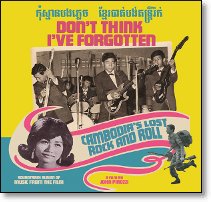
Buena Vista Social Club: Lost and Found (1996-2000 [2015], World Circuit): Outtakes from the sessions that produced the legendary 1997 album which rebooted the careers of a lost generation of Cuban musicians -- Ibrahim Ferrer, Compay Segundo, Rubén Gonzalez, Omara Portuondo, Eliades Ochoa, Orlando "Cachaito" Lopez -- plus some live shots that followed. Perhaps the booklet helps, but offhand this fits together awkwardly with nothing all that revelatory. B Commander Cody and His Lost Planet Airmen: Live in San Francisco 1971 (1971 [2015], Sundazed): Early country-hippy band formed in Ann Arbor in 1967, cut their first album (Lost in the Ozone) in 1971, then followed that up a year later with a fine collection of trucking songs. Geoffrey Stokes featured them in the era's best book about the record business, Star Making Machinery. They hit a couple times with novelty songs -- "Hot Rod Lincoln," "Smoke! Smoke! Smoke! (That Cigarette)," and "Seeds and Stems Again" are all here -- and they hung on forever as a live band. B+(**) Patrick Cowley: Muscle Up (1973-81 [2015], Dark Entries): Regarded as one of the pioneers of electronic dance music, Cowley (1950-82) plays synths for Sylvester and composed tracks for gay porn films -- evidently that's the source of this compilation. Several scattered styles here, an early stretch of more ambient material that sneaks up on you, and some upbeat tracks (like "Pigfoot" and "5oz of Funk") that just jump you. A- Don't Think I've Forgotten: Cambodia's Lost Rock and Roll (1960s-75 [2015], Dust-to-Digital): Near the top of the list of unspeakable crimes perpetrated by Richard Nixon and Henry Kissinger was their expansion of the Vietnam War into Cambodia, which led more or less directly to the fall of Prince Sihanouk's studiously neutral government and one of the most brutal and bloody civilian purges of the post-WWII era, killing some two million people. John Pirozzi's documentary film looks back before the debacle, finding a cosmopolitan Phnom Penh and a surprisingly vital rock and roll scene, American music filtered through France and lightly spiced with sonorities you'd expect from the Far East. A- Tubby Hayes Quartet: The Syndicate: Live at the Hopbine 1968 Vol. 1 (1968 [2015], Gearbox): British tenor saxophonist, one of the few to develop a distinctive bop-based style, lived fast, died young (1935-73). Quartet with guitar (Louis Stewart), bass and drums. B+(**) Trevor Jackson Presents: Science Fiction Dancehall Classics (1981-87 [2015], On-U Sound, 2CD): Adrian Sherwood dance grooves from the 1980s, leaning on reggae and dub, adding industrial clanks, here and there a vocal but almost all are disposable. The numerous groups are more alike than you can imagine, which makes this a producer's record, or a DJ's. B+(**) Karin Krog: Don't Just Sing: An Anthology: 1963-1999 (1963-99 [2015], Light in the Attic): Norway's (or should I say Scandinavia's) premier jazz singer of the last fifty years, sings mostly in English so that shouldn't be a problem, yet she's remained little known here. This tries to solve the problem by stretching her too thin, and I don't have liner notes to explain the range -- just a 37-year range of dates, and occasional hints about saxophonists from Dexter Gordon to Jan Garbarek to John Surman. B+(**) Lost in Mali: Off the Beaten Track From Bamako to Timbuktu ([2015], Riverboat): Could be I should treat this compilation of "13 previously uncollected Malian artists" as new -- the odds I can track down sources for records by 13 artists I've never heard of are slim to none. Eschewing hits, you get atmosphere. I remember that in grade school I was asked to imagine an African safari. The animals were easy enough to conjure up, but I couldn't have had a clue to the people. Still an air of mystery here. A- Mariah: Utakata No Hibi (1983 [2015], Shan-Shan): An alias Yasuaki Shimizu (b. 1954), a Japanese composer and saxophonist, used for a series of 1980-83 albums, of which this is the last. Shimizu has a long catalog of classical music (notably Bach) and soundtrack work, plus he led a group called the Saxophonettes. Dance beats, a bit of Asian flavor in the plucked strings. B+(**) Mike Osborne: Dawn (1966-70 [2015], Cuneiform): Alto saxophonist, an important figure in the early days of the British avant-garde but he recorded little under his own name and retired due to illness in 1982. This offers some of his earliest work, opening with six tracks from a 1970 trio with South Africans Harry Miller (bass) and Louis Moholo (drums), followed by three tracks from his first group, a quartet co-led by John Surman, both superb. A- [dl] The Rough Guide to Psychedelic Salsa (2008-13 [2015], World Music Network): I only barely have a clue what "psychedelic" means in American rock, and not the slightest idea how to distinguish psychedelic from ordinary salsa, other than that, judging from this, it's relentlessly upbeat and relatively recent. Of course, it's hard to track the dates down without the booklet (and with these guys it would still be hard with). I suspect it's just an excuse to release a new sampler without deleting the old one (which these guys are also known to do). B+(**) The Rough Guide to Psychedelic Samba (2009-14 [2015], World Music Network): These also appear to be recent tracks by acts I scarcely recognize, although the words "Brazil" and "Psychedelic" were more than occasionally associated going back to the late-1960s (e.g., Tom Zé). So it's not surprising that this selection seems more bent from the norm than was the case for salsa. B+(***) Bobby Rush: Chicken Heads: A 50-Year History of Bobby Rush (1964-2014 [2015], Omnivore, 4CD): Blues journeyman, arrived late (some sources list 1940 as his birthdate but more likely ones say 1933), only a couple isolated singles from the 1960s, first album 1979 (only one on Philadelphia International), then a steady stream on obscure labels until he founded his own. Toured the chitlin circuit relentlessly, and is still working at 82. I doubt if any of his albums are outstanding, but this long compilation of his life's work is rich and varied and keeps coming at you, the only missteps songs you know done better elsewhere, but even there you have to give him credit (cf. "Take Me to the River"). This can happen when a minor artist sticks to it. Does tail off a bit toward the end. A- Arthur Russell: Corn (1982-83 [2015], Audika): Like Patrick Cowley, Russell (1951-92) was a pathmaker in electronic dance music, and died young of AIDS. He's been better anthologized -- see The World of Arthur Russell on Soul Jazz -- but lasted longer, produced more, and was more eclectic. This scatters widely, dance beats secondary to other quirks, including a reminder that his main instrument was cello. B+(**) Savant: Artificial Dance (1981-83 [2015], RVNG Intl): This combines a 1981 EP and a 1983 album, The Neo-Realist (At Risk), the collected works of Kerry Leimer's early band, and it really was a band -- guitar-bass-drums beneath the synths and vocal samples and tape effects, giving it a metallic edge. Must have seemed like an avant curiosity at the time, partly because the pieces spin off in divers directions, but they break new ground so assuredly this sounds like accomplished innovation. A- Schlippenbach Trio: First Recordings (1972 [2014], Trost): Not the first recordings by pianist Alexander von Schlippenbach -- his Globe Unity Orchestra dates from 1967, and he recorded The Living Music under his own name in 1969 -- but this is the first trio with Evan Parker and Paul Lowens, about six months (April to November) before Pakistani Pomade (a Penguin Guide crown album), and 42 years before their latest, Features (one of the best jazz albums of 2015). One long (38:25) piece, three short ones (18:06 total). Sax strains a lot but the piano is pretty spectacular. B+(**) Gloria Ann Taylor: Love Is a Hurtin' Thing (1971-77 [2015], Luv N' Haight): Church-trained soul singer, cut some singles from 1968-77 but no hits and no albums. This doesn't quite quality as a career sampler, based as it is on five Selector singles, plus a couple discofied retreads. B+(*) The Velvet Underground: The Complete Matrix Tapes (1969 [2015], Polydor, 4CD): Impossible to overstate the importance or accomplishment of this group, especially a string of four studio albums so extraordinary no one -- not the Beatles or Rolling Stones, Dylan or Redding -- has come close to matching. So it shouldn't be surprising that fans have snapped up scraps -- starting with the 1972 release of an execrable bootleg recording of Live at Max's Kansas City (dating from 1970; reissued on 2CD in 2004) and the much better 1969: The Velvet Underground Live in 1974 (2LP, reissued in two separate CD volumes in 1988). Ever since, the VU's old tape stashes have been flogged almost as mercilessly as Jimi Hendrix's, including 1985's VU, 1986's Another View, extensive extras on the 1995 Peel Slowly and See box, 2001's The Quine Tapes, and even more extras on 2CD and 3CD "deluxe editions" of the four albums. Now there's this: a 4CD expansion of the 1969: The Velvet Underground Live tapes, recorded over two nights at the Matrix in San Francisco. I gave this the one shot I can afford with streaming, and wavered back and forth at least a dozen times: some wonderful music here, some even not very familiar, but also an awful lot of redundancy. B+(***) Old MusicDavid Bowie: Bowie at the Beeb: The Best of the BBC Radio Sessions 68-72 (1968-72 [2000], Virgin, 2CD): First disc goes from May 1968 to June 1971, and the early tracks are things I don't recognize and don't care to ever hear again, broken up with studio patter I don't need to hear again. Second disc advances from September 1971 to May 1972, covering the Velvets and cranking up terrific songs from Hunky Dory and Ziggy Stardust. B+(**) David Bowie: David Live (1974 [2005], Virgin EMI, 2CD): Like most double-LP live sets of the time, this promised lousy sound and rehashes of familiar songs done better elsewhere, profit taking and redundancy. There is that, but the added material shows a soul slant, and the sound, crowd noise, and interpretive moves aren't minuses. B David Bowie: Stage (1978 [2005], Virgin EMI): Second live double, the reissue again expanding and reordering the original. Emphasizes newer material, especially Station to Station and the two Eno collaborations, opening with the murky ambience of "Warszawa" then filling the venue with "Heroes." He still does "Star" and "Ziggy Stardust" but that's about it. Bonus: "Alabama Song," sung to the rafters. B+(**) David Bowie: Tonight (1984, EMI America): Aside from the live albums, this was the first Bowie album I passed on. Widely panned at the time, the two songs solely penned by Bowie ("Loving the Alien," "Blue Jean") aren't bad, although they feel like leftovers from (different) prior projects. Iggy Pop wrote (or co-wrote) five others, including two from Lust for Life given newly perverse arrangements (equally perverse is the "God Only Knows" cover). B- David Bowie: Never Let Me Down (1987, EMI America): Tied to one of Bowie's biggest tours, this album is energetic and showy and completely forgettable -- almost like he wore out his welcome, or possibly thought he'd outgrown it. B- David Bowie: Black Tie White Noise (1993, Virgin): Bowie floundered in the 1980s after Let's Dance (1983), finally in 1989-91 burying himself in the light metal band Tin Machine. This album represents his return to sounding like himself, although the new wave grind is more mechanical than it should be. B David Bowie: The Buddha of Suburbia (1993 [2007], Virgin): Initially designed as a soundtrack to a BBC series based on Hanif Kureishi's book, Bowie retooled this into an album but it never lost the tag. Actually, some of the best passages here are ambient instrumental. It's the songs that don't sink in. B David Bowie: Outside (1995, Virgin): I'm not sure even what to call this: maybe an operetta? It has a libretto, and the 19 songs voice different characters, even if they mostly sound like Bowie. Eno shares credits on most songs, and the band including Reeves Gabrels and Mike Garson get some credit. Not the sort of thing I readily follow, and at 74:36 (assuming you don't get the "extended" version; I skipped a whole second disc of outtakes) I rarely tried. B- David Bowie: Earthling (1997, Virgin): Yet another concept album for yet another concept tour: clearly he's in a rut, but he's getting more comfortable there. He understands he needs keyboards, synths, electronics, and something of a dance beat, and he knows that if he speeds it up it won't be too bad, no matter how uninspired. He's turned into a pro, and a hack. B David Bowie: Hours . . . (1999, Virgin): Another album that didn't sound bad but left me with nothing memorable after one (not very engaged) play, least of all a desire to write a better review. B- David Bowie: Heathen (2002, ISO/Columbia): The notion that this is a comeback album concedes that he hasn't done anything very inspiring in the previous 10-15-20 years, but if you believe that this won't change anything. The only thing that's "back" is his voice, indeed more unmistakable here than anything since Tonight, maybe Let's Dance. B David Bowie: Nothing Has Changed (1995-2014 [2014], Columbia/Legacy): Available in several widely-varying formats -- a 3-CD that reverses chronological order with a lot of non-album takes; a 2-CD from early-to-late, ending the first with Scary Monsters and starting the second with Let's Dance -- again, mostly single versions and radio edits; a 2-LP that hops around more (first side: "Let's Dance," "Ashes to Ashes," "Heroes," "Changes," "Life on Mars?"; second starts with "Space Oddity" and ends with "Rebel Bebel"; third includes "Fame" and a new song; fourth is mostly late but includes two songs from Let's Dance); then there's a 1-CD that mostly tracks the vinyl but there are exclusive perks for Japan, Argentina, and other special national editions. Then there's the Rhapsody edition, which is just the first disc from the 3-CD edition, working backwards from the new song, "Sue (or in a Season of Crime)," to Outside (1995). If they ever released this by itself -- a Best of 1995-2014 -- it might be useful, at least more so than any of the albums it picks from. The new piece, backed by the Maria Schneider Orchestra, is a bit overwrought but not without interest, the remixes usually help, a song I noticed before comes out sharper ("I'm Afraid of Americans" -- from 1997, but even more true today), and the Pet Shop Boys help out. The older music in the other editions can only help, although there are other places to get it. B+(*) Commander Cody and His Lost Planet Airmen: Live From Deep in the Heart of Texas (1973 [1974], MCA): After three studio albums, the band's first official live album, from Armadillo World Headquarters in Austin, Texas (with many more to come). More country covers ("Crying Time," "Diggy Liggy Lo"), more rock and roll covers ("Good Rockin' Tonight," "Riot in Cell Block #9"), only two originals: "Too Much Fun" and the the ever-popular, even if not very good (but we've all been there) "Seeds and Stems Again Blues." B+(***) Sue Foley: Change (2004, Ruf): Guitar-playing blues singer from Canada, cut some very good records in the 1990s but her three albums on Ruf (2004-07) slipped by unnoticed (at least by me). Live set, half originals but gains traction on the covers ("Careless Love," "Sugar in My Bowl") then seals the deal with her own "Shake That Thing." B+(***) Stephen Haynes: Parrhesia (2010, Engine Studios): Cornet player, a protege of Bill Dixon's, in a trio with Joe Morris on guitar and Warren Smith on all things percussive. Abstract, needs some assembly from the listener, but interesting enough to command your attention. B+(**) Peter Karp/Sue Foley: Beyond the Crossroads (2012, Blind Pig): Karp cut a couple Americana albums before hooking up with Foley for their He Said, She Said (2010). This second one moves further away from blues and into rock (or rockabilly). I don't particularly approve, but they do seem to be having a good time. B+(*) New York Gypsy All Stars: Romantech (2011, Traditional Crossroads): First album, on a label that has released a lot of Turkish classical music. More trad than the new album, and also sharper (or at least hotter). No brass, though: the group leader is a clarinetist, Ismail Lumanovski, and he sets the tone. B+(***) Throbbing Gristle: The First Annual Report of Throbbing Gristle (1975 [2001], Thirsty Ear): The original industrial group's first release was called The Second Annual Report of Throbbing Gristle (1977), implicitly acknowledging this album -- Discogs lists a half-dozen releases from 1987, tagging them all as "unofficial." The first piece's talkie vocal offers a link back to the Velvet Underground, but the sound quality is so murky it isn't clear where the aesthetic emerges from the ineptitude. B Tin Machine: Tin Machine (1989, EMI): Short-lived back-to-basics rock band that David Bowie submerged himself into at a time when his career was more involved in hacking out soundtracks than creating new artistic conceits -- although arguably this was one such. With Reeves Gabrels (guitar), Tony Sales (bass), and Hunt Sales (drums) -- sons of comedian Soupy Sales who played in Iggy Pop's Bowie-era band. Oddly, the more you hear Bowie here, the worse it gets. (Best cut by far is "Under the God"; someone once assembled a record called Elvis' Greatest Shit -- you could probably do the same with Bowie, for which I'd nominate "Working Class Hero.") C+ Revised GradesSometimes further listening leads me to change an initial grade, usually either because I move on to a real copy, or because someone else's review or list makes me want to check it again: Carly Rae Jepsen: E-MO-TION (2015, Interscope/Schoolboy/Silent): Gave this another shot after it finished 3rd in P&J, the poll's big surprise although the album had gained steadily in my EOY Aggregate, moving up to 18th. Not as flamboyant as Grimes or as clever as Lily Allen, it takes some time to adjust to her ambivalence. Clearly I filed this too soon. [was: B+(***)] A- Lord Huron: Strange Trails (2015, Iamsound): [was: B+(**)] B+(***) Additional Consumer News:Previous grades on artists in the old music section.
Notes:Everything streamed from Rhapsody, except as noted in brackets following the grade:
Ask a question, or send a comment. Sunday, January 25, 2015 Music Week
Music: Current count 26163 [26129] rated (+34), 408 [402] unrated (+6). The dead CD changer crisis is over. Having suffered two dead changers from Sony in just a few years, I splurged and bought the Yamaha. Main problem is that in order to let you change all five discs without having to spin the carousel around, the new unit is a couple inches deeper than the old one. The stereo equipment is housed in a cabinet I built way back in the 1970s for components of the time. The face of the new unit sticks out from the front edge, but at least the feet fit. I suppose I could tidy it up a bit by expanding the small hole in the back for the wires, but for now it works. Sounds pretty good, too. I continue making minor additions to the EOY Aggregate file, even after Pazz & Jop -- mostly adding selective P&J and JCP ballots. Still, I'm hundreds short of logging them all, so I suppose I could be accused of cherrypicking favorites to tweak the standings. Main result of this has been that Kamasi Washington's The Epic moved ahead of Julia Holter's Have You in My Wilderness to claim 9th place, while Sleater-Kinney's No Cities to Love edged ahead of The Epic to 8th. Neither gainer is a particular favorite of mine, although I do like both more than Holter. Main reason I think I'm doing this is that I'm continuing to scour the lists for prospects, so I'm picking out ballots that look promising. However, no amount of fudging is going to displace Father John Misty or Tame Impala from the top ten. Of course, their current tie for 5th is fragile. The other reason, I suppose, is that I'm reluctant to move on with my life, even though I've been very neglectful of website work I've committed to (not to mention writing a book or two). In this regard January 31 looms as a drio dead date: I intend to freeze the 2015 list then, which would make it a good date to halt doing everything else 2015-related. This week's finds all come from scrounging around the lists, and I'll do some more of that next week. Every A- record this week came highly rated from someone but was a pleasant surprise to me. I wound up liking Bully more than similar groups like Chastity Belt and Childbirth. Crampton turned out to have one of the year's best electronica albums -- seems like I've parked a lot of those in the high B+ tier this year (Carter Tutti Void, DRKWAV, Floating Points, Jlin, JME, Kammerflimmer Kollektief, Lifted, Lnrdcroy, LoneLady, Noonday Underground, RJD2/STS, Skrillex/Diplo, Jamie XX). Even better is Plastician. Michaelangelo Matos spent 60 P&J points on his top two: one, as far as I can tell, is a podcast, something I have no clue what to do with (and rather doubt should be considered an album at all), and the other is Plastician's cut and paste dance mix. It at least is CD length, although I have no idea how to get one burned. (For one thing, I doubt the samples are cleared, but if you can figure this out, please consider sending me a copy.) The reissues lists from electronica specialist publications and stores were full of obscurities I had never heard of. I managed to dig up a handful of those, sorting Patrick Cowley and Savant above the A- cusp -- Mariah and Arthur Russell below. (The Trevor Jackson compilation is more Adrian Sherwood so I wouldn't call it obscure. It's probably possible to assemble an A- Sherwood CD, but why go to that trouble when you can have a half-dozen B+'s instead?) I also waded through three Rough Guides, something that eats at me more than it will you, because I want to have some idea when and where these songs come from, and that information is awful hard to dig up. Still, a winner there, disguised as something else (Lost in Mali). Three high HMs might have benefitted from more patience and dilligence on my part. Damily is a Malagasy guitarist/band that recycles soukous with extra grit and distortion. Michael Bates is a bassist leading what's basically a Michael Blake sax trio, roughly comparable to Blake's own Tiddy Boom (an A- in 2014). Then there's the Velvet Underground's Complete Matrix Tapes, which at 4CD got one spin and a summary judgment. Lots of wonderful music in there, but also lots of old news -- 1969: Velvet Underground Live came from these tapes -- and I got a bit tired of hearing several songs recycle four or more times. Chances are if I had the box, the booklets, etc., I might have leaned the other way. But I didn't really get the sense that additional sets added much, unlike some jazz boxes I can think of (Miles Davis at the Plugged Nickel, Art Pepper at the Village Vanguard). Current plans are to publish a Rhapsody Streamnotes by the end of the month. Currently 90 entries in the draft file -- shorter than most columns but not too shabby. New records rated this week:
Recent reissues, compilations, and vault discoveries rated this week:
Old music rated this week:
Unpacking: Found in the mail last week:
Ask a question, or send a comment. Tuesday, January 20, 2015 Music Week
Music: Current count 26129 [26097] rated (+32), 402 [389] unrated (+13). Missed my usual Monday deadline this week. Stuff happens, most of which is getting me down. Rated count dropped back into normal range, although that may just be because I lost Sunday to cooking (Italian, for six). I played old favorites that day, winding up with Ben Webster's Soulville -- I'm tempted to bump it up a notch to A+, but the CD player (a Sony CDP-CD345) was dead this morning, so it will be some time before I play anything on the good stereo. I suppose I can still play CDs on the computer, but that's not really the same thing (and I've never done it except to test the sound system). I can still stream stuff, so there'll be more of that in the next week or so until I sort this out. The problem is in the mechanics: the motor, gears, belts, or what have you that are used to open the tray and change discs. I've gone through four or five CD changers in the lifespan of one receiver, and they seem to be getting crappier all the time. They're also not getting cheaper (actually, I mean less expensive; a free market should weed out planned obsolescence, but when have we had one of those?). Pazz & Jop came out last week. I meant to do some of my usual analysis this week, but that got wiped out with the rest of the week. The album totals are here, compiled by Glenn McDonald. I've noted the standings there in my EOY Aggregate, scoring them like a regular list (which means 1 point for everything from 21st to the end). Some notes:
The big music news of the week was David Bowie's death. I was a pretty serious fan back in the 1970s, but I have to admit that I've been surprised by the outpouring of testaments and such. (Last time that happened was with Michael Jackson, who like Bowie touched many people deeper than I realized. Here are some links I collected:
I spent a few days last week going through nearly all of the Bowie albums I had missed. I can't say that I missed much, although the song "I'm Afraid of Americans" has only become truer. Despite the jazz moves, I can't, however, see his new album, Blackstar, as some sort of final masterpiece. Which isn't to deny that it is a big improvement -- his best since Scary Monsters (1980) or maybe even Heroes (1977). (Actually, my favorite Bowie album ever is Lust for Life, under Iggy Pop's name, which also came out in 1977.) Finally, more EOY lists:
New records rated this week:
Recent reissues, compilations, and vault discoveries rated this week:
Old music rated this week:
Grade changes:
Unpacking: Found in the mail last week:
Ask a question, or send a comment. Monday, January 11, 2016 Music Week
Music: Current count 26097 [26050] rated (+47), 389 [395] unrated (-6). Most of the following list appeared in last week's Rhapsody Streamnotes, so no news there. I think I ran the program that counts the ratings on Thursday when I cloned the file and was surprised to find the ratings count at +32, normally a good week's work. Or maybe that was Friday when it was posted. The new draft file, which I set up as "January 2016 Part 2" currently has 20 records, a pretty healthy start. (Actually, I think I seeded it with three 2016 releases I had already written up -- Friday's RS had no 2016 releases.) The 2016 releases thus far are jazz items I shoved to the end of the queue to concentrate on 2015 releases. I haven't begun to look for new 2016 streamables, although I did notice a new David Bowie album on Rhapsody last night, and with the news of his death I'm spinning it now. (Marks a return of the "thin white duke" crooner, with orchestral swing and quite a bit of sax adding a jazzy air, the dramatic flair reminding me of Ziggy Stardust as much as anything else. Bowie produced a lot of lousy records following 1983's Let's Dance -- itself a very mixed bag -- and I thought his much-touted 2013 The Next Day came up short, but I can imagine someone more sentimental than I falling for this record. Will play it again for next week. Maybe I'll also get around to that 1993 album still marked 'U' in my database.) I expect good things from Intakt, but still was surprised to find my first A record of 2016, an African-born, balafon-driven jazz trio called Kalo Yele. The balafon player, Aly Keïta, comes from Côte D'Ivoire, but the other two musicians are recognizably Swiss, yet somehow managed to be born in Cameroon (once a German colony, divided between France and Britain after 1919, independent in 1960 with the British dragging their heels until 1961). Lucas Niggli is a well-known drummer I need to look into further -- I do know that he was a protégé of Lucien Favre, who's long been fascinated by African drumming. But I've never heard of clarinetist Jan Galega Brönnimann, who provides the perfect complement to the percussion. Marvelous. I also came close to A-listing Intakt's other January release, a piano trio with Aruán Ortiz, Eric Revis, and Gerald Cleaver. A lot of piano trio fall into my "nice" trough, and this one -- largely thanks to the rhythm section -- rose above that, but only a few each year really dazzle me, and this didn't quite. One piano trio that did dazzle me was released in 1953 as Introducing Paul Bley -- as much as Revis and Cleaver impressed me, note that Bley managed to get help from Charles Mingus and Art Blakey. Bley's second great album came in 1958 when he expanded to a quintet by hiring a young alto saxophonist named Ornette Coleman: I first ran across this as Live at the Hilcrest Club, but my current copy is simply The Fabulous Paul Bley Quintet. And in 1961-62 he was in one of the most famous avant-garde trios in jazz history, with Jimmy Giuffre and Steve Swallow. He was also famous for having married two brilliant musicians, the composer-pianist Carla Borg (better known under his name) and the singer-songwriter Annette Peacock (don't know her maiden name, but her first husband was bassist Gary Peacock, later an important collaborator of Bley's), and he recorded several albums of their compositions. Bley continued to record through 2008, mostly solo and trio albums, some exceptional (1965's Closer and 1989's BeBopBeBopBeBopBeBop are personal favorites but I've only heard about a third of them). Anyhow, he died a week ago, and should be remembered as a giant of modern jazz. I rarely listen to multi-disc sets on Rhapsody because they are invariably too much to swallow in one stretch, and it's hard to break up the experience like I would normally if I had separate discs. However, I took a chance with a 4-CD box that Phil Overeem has been touting, Chicken Heads: A 50-Year History of Bobby Rush last night when I was working on my screed about ISIS, and it fit the bill perfectly, running on and on with deep blues and soul grooves and the occasional chintzy cover. Rush missed the heyday of Chicago blues, failed at Philadelphia International, then spent three or four decades working the chitlin circuit, a nice career for a guy who never came close to stardom. I wrote my review before the last disc finished, only to find that the last few cuts tailed off quite a bit. I thought about docking the grade then, but decided to let it slide by. Having only heard one previous album (out of at least three dozen), I'm going out on a limb saying that he probably doesn't have a single A- record in his catalog so there's something inherently unseemly about grading a 4-CD box that high, but he was so steady he grows on you, and over the course of a long career one winds up admiring that. Maybe I'll find an appropriate time to try The Complete Matrix Tapes. Last time I looked, The Cutting Edge wasn't there, at least in a recognizable product configuration. (The Dylan bootlegs, by the way, completely buried the Miles Davis bootlegs in my EOY Aggregate: Old Music, 37-15, with Ata Kak's Obaa Sima (one of those Awesome Tapes From Africa) in third place. The list is pretty idiosyncratic, largely because it's built from 20-30 lists, less than 10% of the new release albums lists I've compiled, and partly because the longer lists skew toward obscure electronica (although it looks like most are so obscure I haven't flagged them). Meanwhile, I keep adding to the EOY Aggregate (although I haven't touched it in a couple days). Current standings (with Pazz & Jop coming out later this week; my grades in brackets):
My grades here are pretty evenly distributed: 8 A-, 8 ***, 5 **, 8 *, 5 B, 3 B-, 3 ungraded. Robert Christgau, who's always a bit more in step with the critical consensus, graded eight (or nine with Adele) of these records higher than I did, moving five over the A- line: Jamie XX, Sleater-Kinney, Oneohtrix Point Never, Miguel, Jason Isbell. Other aggregate lists pretty much agree, regardless of depth or method -- I'd say they're probably more consistent this year than most. P&J will shuffle these around a bit, but I don't forsee anything major, unless Holter or Washington take a dive (Sleater-Kinney will probably pass them, maybe Vince Staples and/or Oneohtrix Point Never too. UK favorites typically fall off, but that mostly means Blur and Sleaford Mods. The closest thing to a late gainer (like Beyoncé and D'Angelo in recent years) is Adele, which could go either way. Also not a lot of lower-ranked albums with much P&J upside potential. The best outside shots I see are: Lana Del Rey: Honeymoon (46), Kacey Musgraves: Pageant Material (47), Jlin: Dark Energy (48), ASAP Rocky: At.Long.Last.ASAP (52), Arca: Mutant (57); Hop Along: Painted Shut (59), Chris Stapleton: Traveller (62); Ezra Furman: Perpetual Motion People (76), Ashley Monroe: The Blade (102), James McMurtry: Complicated Game (107), Heems: Eat Pray Thug (113). Bob Dylan has also always run much higher in P&J than in aggregates, so either Shadows in the Night (81) or, more likely, The Cutting Edge bootlegs could crack the top 40. New records rated this week:
Recent reissues, compilations, and vault discoveries rated this week:
Old music rated this week:
Unpacking: Found in the mail last week:
Ask a question, or send a comment. Sunday, January 10, 2016 Weekend RoundupSome scattered links this week, mostly about that perennial favorite, war in the Middle East -- nothing on the Oregon standoff (aside from this link to Josh Marshall, who describes it as "white privilege performance art"). Also, in honor of the five 4.0 or higher earthquakes that hit just northwest of Enid, Oklahoma, here's Crowson's cartoon:
You'd think anyone worried that much about the price of gas would take an interest in the wars disrupting the world's largest oil producing region, but, well, Kansas isn't lacking for "stone-age brains" (see below). So back to the wars:
This view of Obama correlates with reading too much Chales Krauthammer, a certifiable form of dementia. The fact is that US interests have never aligned very well with Saudi interests, but the US humored the theocratic despots because they helped recycle a lot of money back to the US, and the Saudis had a way of dismissing what they didn't like (especially US support for Israel) because alignment with the US let them pursue their real interests -- pre-eminence in the Islamic world -- relatively freely. Along the way they (like Israel) learned that they could push America's buttons by opposing Iran, so they wound up blaming everything on Iran. American enmity toward Iran has been irrational (and counterproductive) ever since the 1980 Hostage Crisis. Obama wasn't ignorant in realizing that, although he was perhaps foolish in not admitting as much, and in not pursuing a more constructive relationship with Iran -- one that would defuse much of the hostility in the region, not least by undermining the rationales for Saudi (and Israeli) aggression. Pollack's next paragraph almost admits that the Saudis have a cockeyed view of everything:
Pollack then suggests that the Saudis are right and the the US is abandoning its traditional ally in favor of its enemy. Actually, Obama's real shortcoming is his failure to criticize nominal allies like Saudi Arabia when they are dead wrong (and Iraq and Egypt and Turkey and most of all, in case you're wondering where this cowardice comes from, Israel). But then his failure to criticize is symptomatic of a deeper problem, which is the lack of constructive principle behind US foreign policy -- a legacy of the cold war when America routinely favored pro-business despotism over popular democracy -- and the naive faith that a sufficient show of force solves every problem. Also, a few links for further study (briefly noted:
Ask a question, or send a comment. Friday, January 8, 2016 Rhapsody Streamnotes (January 2016)For the last few weeks, I've been obsessing over year-end lists, aggregating hundreds of polls, not so much to see who comes out on top as to discover interesting items on the fringes. Most of what follows are items that looked interesting on various lists. There's also some late-arriving jazz, notably from Allen Lowe and Steve Swell -- although it's worth noting that four of the A- jazz records were picked up off the net (Ray Anderson, Michael Gibbs, Tomeka Reid, Daniel Rosenboom). Most of these are short notes/reviews based on streaming records from Rhapsody (other sources are noted in brackets). They are snap judgments based on one or two plays, accumulated since my last post along these lines, back on December 15. Past reviews and more information are available here (7538 records). Recent Releases
Aesop Rock & Homeboy Sandman: Lice (2015, Stones Throw, EP): Two rappers usually strong enough on their own, double down for a 5-track (17:34) freebie which starts with head lice and ends with "Get a Dog." Still, doesn't feel short. A- Scott Amendola: Fade to Orange (2014 [2015], Sazi): Drummer, member of Nels Cline Singers and Oranj Symphonette, has ten albums under his own name since 1999. Record consists of a 17:13 title piece with a guitar-bass-drums trio (with Nels Cline and Trevor Dunn) wrapped up in the full-blown Magik*Magik Orchestra, followed by four remixes that average 5 minutes each. I find the beats more appealing, but the original classical-fusion clash has some interest. B+(*) Ray Anderson's Organic Quartet: Being the Point (2015, Intuition): Trombonist, one of the all-time greats, though health problems have kept him out of the limelight for much of this decade. However, he comes back swinging here, aside from the title piece, which is one of those ordeals you have to live through to fully appreciate. With Steve Salerno (guitar), Gary Versace (organ), and Tommy Campbell (drums) -- the organ an especially inspired choice. A- Lotte Anker: What River Is This (2012 [2014], ILK Music): Danish saxophonist (soprano, alto, tenor), more than a dozen albums since 1997. Perilous to extrapolate from only 2 (of 10) cuts, especially with so many hard-to-parse elements: Borges lyrics, Phil Minton vocals, Ikue Mori electronics, Fred Frith guitar, clarinet and viola. B+(*) Babyface: Return of the Tender Lover (2015, Def Jam): Kenny Edmonds, emerged in the late 1980s with a softer, slicker R&B sound, something I never got into (although there were exceptions, as always), although he was always listenable. Releases thinned out from 2007 until last year's marriage opera with Toni Braxton. The Tender Lover was his first platinum hit. This reboot is more energetic, but hardly anyone has noticed. Recommended: "Standing Ovation." B+(***) Beauty Pill: Beauty Pill Describes Things as They Are (2015, Butterscotch): DC group, principally Chad Clark, made EPs in 2001 and 2003, an LP in 2004, then nothing until this record. One of those neo-prog things I generally can't stand, but this has moments of charm and grace, interest even. B Blanck Mass: Dumb Flesh (2015, Sacred Bones): Solo project by Benjamin John Power, better known (if that) from Fuck Buttons. Post-rock, synths with or (mostly) without incomprehensible words, in all cases led by a drummer who drives and sometimes overruns everything. B+(***) Samuel Blaser: Spring Rain (2014-15 [2015], Whirlwind): Swiss trombonist, leads a sharply skilled quartet with Russ Lossing on piano/keyboards, Drew Gress on bass, and Gerald Cleaver on drums. Nice to hear a trombone up front, but fine as Blaser is the instrument itself is hard pressed to keep up. B+(**) Peter Brötzmann/Steve Swell/Paal Nilssen-Love: Krakow Nights (2015, Not Two): Well, just one night, but running 74:27 it may have seemed like more. When you play with Brötzmann, you play his bleeding edge rough and tumble. Within those limits the trombonist smoothes off the edges and works in a few jabs, and the drummer works this ring as well as anyone. B+(***) [cd] Cam: Welcome to Cam Country (2015, Arista Nashville, EP): Camaron Ochs paid her dues writing songs for others, then dropped this four-song (13:19) EP on her way to a December debut album. First impression is that she does better with the ballad ("Burning House") than with the stomper ("Runaway Train"). B Cam: Untamed (2015, Arista Nashville): Debut album, the extra songs add heft and nuance, enough to make her a person of interest, even if the big time Nashville production isn't. B+(**) Cécile & Jean-Luc Cappozzo: Soul Eyes (2015, Fou): Piano and trumpet, respectively, with the latter occasionally pulling out his bugle. He has a handful of avant-leaning albums since 2004, but I hadn't run across her before. Nicely done, built on a firm foundation of Mingus and Waldron compositions. B+(**) [cd] Car Seat Headrest: Teens of Style (2015, Matador): Will Toledo is one of those DIY guys who took advantage of Bandcamp to release everything that pops into his head -- 12 albums since 2010 until he got a contract and scaled up to a band. Presumably Matador is more discriminating, but the lo-fi ethic prevails here, not without tunes but not a lot of them. B François Carrier/Steve Beresford/John Edwards/Michel Lambert: Outgoing (2014 [2015], FMR): My favorite alto saxophonist and his sidekick drummer from Montreal sojourn to the Vortex Jazz Club in London this time, pick up bassist Edwards, and pianist Beresford sits in for three (of five) cuts. Exceptional this time is the free rhythm, especially with the fractured piano. Carrier, as expected, is superb. A- [cd] Brian Charette/Will Bernard/Rudy Royston: Alphabet City (2014 [2015], Posi-Tone): Organ trio, the leader at one point looking like he might find new opportunities in the old instrument, but lately settling into old-fashioned soul jazz grooves. Probably helps that the guitarist and drummer were born to play soul jazz. B+(*) Container: LP (2015, Spectrum Spools): Alias for Ren Schofield, a techno producer from Nashville. His three longer albums all bear the title LP, although Rhapsody identifies this as an EP (seven cuts, 26:52). B+(**) Chick Corea & Béla Fleck: Two (2015, Concord, 2CD): Two musicians (piano and banjo), second album together, something like that -- although this was reportedly selected "over 55 shows from that seven-year period," Most likely a treat for fans but for me a waste of time. B Stanley Cowell: Juneteenth (2014 [2015], Vision Fugitive): Pianist, first record came out in 1969, Blues for the Viet Cong, and he has a couple dozen since. This one is solo, mostly a ten-piece suite which picks up strands from "Dixie" to "Strange Fruit," a lifelong subversive veering mainstream. B+(*) Crack Ignaz: Kirsch (2015, Melting Pot): German rapper, or maybe I mean Austrian -- info is hard to come by, but he has at least three albums. Sounds chopped and screwed, but I can make out German words here and there. B+(*) Adrian Cunningham: Ain't That Right! The Music of Neal Hefti (2014 [2015], Arbors): Australian reed player, clarinet and flute but mainly tenor sax, backed by piano-bass-drums (Dan Nimmer-Corcoran Holt-Chuck Redd), with trombone (Wycliffe Gordon) on four tracks. Hefti (1922-2008) is better known as an arranger, especially for Count Basie, than as a composer, but his tunes are indelible, and the band swings. B+(**) Dej Loaf: #AndSeeThatsTheThing (2015, Columbia, EP): Detroit rapper, Deja Trimble, has a couple of mixtapes and a "viral" single, gets a big label intro with a 6-cut, 23:01 EP. Two big name guest spots do her no favors (Big Sean, Future) -- she has promise to be more than a background singer. B Lana Del Rey: Honeymoon (2015, Interscope): As slowcore as Low, and probably lower though that's a contest I won't volunteer to referee. Certainly prettier, by which I mean both fetching and haunting, dream pop in bright sunlight. Must be a California thing. B+(***) Deradoorian: The Expanding Flower Planet (2015, Anticon): Last name, first Angel, formerly of Dirty Projectors, a widely hailed group I've never been able to stand. I didn't get that reaction here, but I also didn't get much out of the densely layered art-song, so it's almost a wash. B The Deslondes: The Deslondes (2015, New West): Country group from New Orleans, first album, pleasant demeanor, worked as the opening act for Hurray for the Riff Raff. Seems about right. B Downtown Boys: Full Communism (2015, Don Giovanni): Punk band from Rhode Island, with two saxes and a female singer (Victoria Ruiz) skewing them a bit toward ska, promising "leftist activist anthems you can pogo to," and delivering 12 in 25:46 (closing with a delirious cover of "Dancing in the Dark" -- cue Emma Goldman). A- Dr. Dre: Compton (2015, Aftermath/Interscope): Only his third album, tied into a movie based on his former group, better known now as a producer, which gives some creedence to his boast "I'm the black Eminem." Lots of guest spots, song songs sporting as many as 14 writers (some merely sampled), can't quite be terrible but I'm picking up so many plot points the record it most reminds me of is Hamilton (plus sirens and gunshots). B- Dr. Yen Lo: Days With Dr. Yen Lo (2015, Pavlov Institute): Rapper Ka and producer Preservation styled this concept album after the notorious Chinese doctor-hypnotist in The Manchurian Candidate, which also provides occasional snatches of dialog. The story strays but the music is hypnotic, with or without the monotone raps. A- Dungen: Allas Sak (2015, Mexican Summer): Swedish group, vocals in Swedish which seems intentionally chauvinistic given how common English-speaking groups are in Sweden, but they have a prog streak that transcends language, or perhaps caring about it. B Dyke Drama: Tender Resignation (2015, Salinas, EP): From Olympia WA, Sadie Switchblade project (drums, bass, guitar, vocals, tambourine), she of GLOSS and other groups, if that is indeed the right pronoun -- I suppose it doesn't matter. Six songs, 16:59. B Open Mike Eagle: A Special Episode Of (2015, Mello Music Group, EP): Based just on the cover, I would have parsed this differently, noting that the title is above the artist name, and in the lower left cover (larger than the title but smaller than the artist name) I read Split Pants at Sound Check!. Six songs, 19:22. B+(**) Kevin Eubanks Quintet: Things of That Particular Nature (2014 [2015], Sunnyside): Trumpet player, younger brother of Kevin and Robin, cut two albums 1999-2001 and two since. This six-member Quintet has the look and feel of a hard bop group, with impressive chops at tenor sax (Abraham Burton) and piano (Marc Cary), lightened with a little extra tinkle from Steve Nelson's vibraphone. B+(**) The Greg Foat Group: The Dancers at the Edge of Time (2015, Jazzman): British pianist, also plays organ; group is nominally a quintet although the credits list is longer, and not just guest spots. With electric bass and guitar, organ and glockenspiel, a full range of strings, flute and cabasa, this is almost grotesquely expansive -- the sort of thing that in the 1970s might have been taken for prog rock, except uncommonly jazzier. The digital version packs on an extra 14:49 of crashing waves, to no obvious point. B+(*) Jean-Marc Foussat & Jean-Luc Petit: . . . D'Où Vient La Lumière! (2015, Fou): Petit plays bass clarinet, sopranino and alto saxophones, a mix of eardrum-piercing and softer tones. Foussat is credited with "dispositif électro-acoustique," which is to say he brings the noise. I found it more often annoying than interesting, but not without the latter. B [cd] Nils Frahm: Solo (2015, Erased Tapes): German pianist, works on the avant edge of electronica, prolific enough that AMG credits him with fourteen albums since 2009. Mostly quiet piano improv -- maybe he wrote it all out but my comparison framework is jazz, and its organization (if not its dynamics) holds its own there. B+(**) Future: 56 Nights (2015, Freebandz, EP): More prominent on the cover is DJ Esco's name, but not clear what he did, and virtually every source assigns it to rapper Future. Basic, bare even, runs 28:46 (10 cuts), hip-hop largesse, or marking time? B+(*) Michael Gibbs/The NDR Bigband: In My View (2013-15 [2015], Cuneiform): British composer-arranger, b. 1937 in what was then Salisbury, Southern Rhodesia (now Harare, Zimbabwe); studied at Berklee, played trombone in Barry Guy's LJCO, has done a lot of soundtracks and obscure big band records. He started working with NDR in the 1990s and they've become his pickup band of choice. B+(***) [dl] Michael Gibbs & the NDR Bigband: Play a Bill Frisell Set List (2013 [2015], Cuneiform): Gibbs met Frisell at Berklee, taught him, and took him on tour, so this loops back on one of both artists' longest associations. The Bigband has a regular guitarist, Stephan Diez, but Frisell sits in, gets to sign his work, and the massedhorns certainly love him. Only about half Frisell compositions. I wouldn't have recommended the Beatles tune, but it's never sounded grander. A- [dl] Patty Griffin: Servant of Love (2015, PGM): Singer/songwriter, ninth album, usually filed under folk but most of this is blues, and by far the strongest part. B+(**) Halsey: Badlands (2015, Astralwerks): Ashley Frangipane, b. 1994 in New Jersey, finds herself growing up on meaner streets than Springsteen imagined forty years ago, unable to afford college until she hustled some internet buzz into a contract and a hit record. Electropop, I wouldn't call it dark but it's far from frothy and I don't hear words well enough to dismiss the reputed anger and dismay. Actually, seems about right, given how the world is headed. A- Hamilton [Original Broadway Cast Recording] (2015, Atlantic, 2CD): Lin-Manuel Miranda's "hip-hop musical" tracing the the biography of Alexander Hamilton -- Ron Chernow is credited for recounting facts in the public record, and the many who know next to nothing of the story may learn a thing or two, but the style is something else completely -- though no more far-fetched than, say, Antonin Scalia's "originalism." As a hatchet job on history, it's all rather amusing. As music it's rather didactic, clear enough to follow the story's nuances, as if they matter. B+(**) Have Moicy 2: The Hoodoo Bash (2015, Red Newt): In 1976 Rounder Records advertised their "dream come true: the Rounders on Rounder": they were referring back to the Holy Modal Rounders, a primitivist and rather bent folk group with Peter Stampfel and Steve Weber (originally) that recorded a pair of 1964 classics, then got corrupted by the Fugs and others such that by 1976 they had become Unholy. They were the scratchy heart and soul of Have Moicy!, an album as dear to me as The Velvet Underground or Pet Sounds or A Love Supreme, but it wasn't just the irrascible Stampfel that made the album work. It was headlined by Michael Hurley, who never again wrote such sly and funny songs, and Jeffrey Fredericks & the Clamtones added cornball filler. But most of all, both sides were capped by Antonia songs, one prophesying: "When we have kids, we will tell them the story/'Bout the night we got the spirit at the Hoodoo Bash." Now, Hurley's a recluse and Fredericks is dead, leaving Stampfel, with grandkids and protégés (but evidently no Antonia), to regale us with the glories of his youth -- except, of course, he can't quite pull it off. So instead of a three-headliner supergroup, we get an unsigned ("various artists") mish-mash, where the inspirational lyric comes from Robin Remailly: "the songs are idiotic/and that's the point/just to lighten up the freakin' joint." Often enough they do. A- Ted Hearne: The Source (2015, New Amsterdam): A post-classical pastiche, libretto assembled by Mark Doten from text fragments from (or relating to) Chelsea Manning's Wikileaks with Hearne writing the music for strings, electric guitar & bass, keybs and drums -- musically not far removed from Laurie Anderson. Politically, I'd say that Obama and his administration are responsible for grave injustice against many "leakers," but their treatment of Manning has been especially atrocious. So give this a star for focusing on the injustice, but not something I'd play for pleasure. B+(*) Paul Heaton & Jacqui Abbott: Wisdom, Laughter and Lines (2015, Virgin EMI): Heaton was the auteur behind the Beautiful South, which I would rank above Pavement, Nirvana, and everyone else has the great rock group of the 1990s -- no less when Abbott moved up front. Their second post-group album together, parts sound as fabulous as I expected, but the production is a little cluttered, and it starts longer on volume than ideas. Enough so I could probably learn to love it, but would prefer to play their older albums -- even last year's. B+(***) John Hébert: Rambling Confessionss (2011 [2015], Sunnyside): One of the top bassists of his generation, leads a piano trio (Andy Milne, Billy Drummond) plus singer (Jen Shyu). Starts with a striking "September Song" -- stretched out to remind me of Sheila Jordan -- before delving into the bassist's compositions, written wtih Carmen McRae in mind. I find Shyu much more appealing here than on her own record, but the only other track that grabs me is "Alfie." B+(*) Amy Helm: Didn't It Rain (2015, E1): Levon's little girl, debut album although she spent most of the last decade fronting the roots-rock band Ollabelle. Impressive voice -- reminds me most of Dusty Springfield, with faint echoes of her father and worth noting that her mother was also a singer (Libby Titus, had a couple albums under that name, perhaps more famously moved on to Mac Rebennack and wound up marrying Donald Fagen). B+(**) Hieroglyphic Being & J.I.T.U. Ahn-Sahm-Buhl: We Are Not the First (2015, RVNG Intl): Chicago DJ Jamal Moss uses the former name (among others). As far as I can tell, the latter is the band (the initials stand for Journey Into The Unexpected) and the rest sort of resembles Ensemble. The musicians have more or less jazz cred -- saxophonist Marshall Allen has the most, and drummer Greg Fox (Liturgy, Zs) could sub anywhere he wants. Even without Allen, it's hard to hear this and not wonder what Sun Ra would sound like today if he'd really been born on Saturn. A- Hieroglyphic Being: The Acid Documents (2013 [2015], Soul Jazz): Considered a reissue but only if you could a run of 100 CDRs available through one record store as a release. Even this is "a one-off edition of 1000 copies on coloured double vinyl," but I doubt that the CD and digital variants are so constrained. The music is fairly minimal, pretty much all beats until a little synth noodle at the end. Not as interesting as his jazz record, but still pretty irresistible. A- Wayne Horvitz: Some Places Are Forever Afternoon (2015, Songlines): Pianist, proficient with electronics as well, an adventurous postbop composer whose efforts are, for me at least, hit-and-miss. Subtitle "11 Places for Richard Hugo" -- a poet (1923-82), evidently based in the northwest, like Horvitz and his small chamber orchestra: Ron Miles (cornet), Sara Schoenbeck (bassoon), Peggy Lee (cello), and Tim Young (guitar), bass and drums. Stately, and often quite gorgeous. B+(***) Jenny Hval: Apocalypse, Girl (2015, Sacred Bones): Singer-songwriter from Norway, started out singing in a goth metal band, recorded two albums as Rockettothesky, and now three under her given name. Arty, less a cross between Laurie Anderson and Björk than a triangulation from both reference points into the unknown. I'm tempted to be repulsed, but actually I'm not. B+(*) I Love Makonnen: I Love Makonnen 2 (2015, OVO Sound, EP): Makonnen Sheran, from Los Angeles and/or Atlanta, has more than a dozen mixtapes since 2011, five titled Drink More Water, and two EPs (this one 7 cuts, 29:21). B+(*) The Internet: Ego Death (2015, Odd Future/Columbia): LA-based R&B group founded by Matt Martians and Syd Tha Kyd [Syd Bennett], spun off from the Odd Future hip-hop collective, still reflected in the group's slack beats. Vocals are slack too, even when they turn to gospel. B+(**) Andrew Jamieson: Heard the Voice (2015, Edgetone): Pianist, AMG lists three previous albums. Solo here, despite the front cover claim, "piano/in dialogue with/African American spirituals/and church music." The call and response is in his head, but inspiration and expression flows through his fingers and keys. Doesn't sound churchy, and, well, I wouldn't know spiritual, but I'm moved. A- [cd] Jlin: Dark Energy (2015, Planet Mu): Jerrilynn Patton, from Gary IN, first album, close enough to Chicago her staggered beats and bashes are considered footwork. Reviewers tend to dwell on the "darkness" but I don't get that at all -- I'm more impressed by her ability to stagger the beat while maintaining it. B+(***) Henry Kaiser & Ray Russell: The Celestial Squid (2014 [2015], Cuneiform): Two guitarists of the fusion persuasion but not really in anyone else's bag, and while I've read that Kaiser "admirse and has been influenced by" Russell, the latter is only five years older. Band includes four saxes (Steve Adams, Joshua Allen, Phillip Greenlief, Aram Shelton), both electric and acoustic bass, First cut gets the speed and noise just right, so it's disappointing when later cuts wobble a bit. B+(***) [dl] Kanaku y El Tigre: Quema Quema Quema (2015, Strut/Tigers Milk): Indie folk duo from Peru. B+(*) Toby Keith: 35 MPH Town (2015, Show Dog Nashville): A big Nashville star since his first album (1993) went platinum, and he became one of worst yahoos in the business. But maybe we should cut him some slack: he hasn't gone platinum since 2006, nor struck gold with four of his last five. He makes a coarse effort at going inclusive with his "Drunk Americans" anthem, and ordinary American Bobby Pinson co-wrote 7 of the other 9 songs. But couldn't Pinson have written better songs? Or could Keith not tell the difference? B Kelela: Hallucinogen (2015, Warp/Cherry Coffee, EP): Last name Mizanekristos, born in DC of Ethiopian heritage, based in LA, the sort of R&B singer most likely to show up buried in trip hop beats, an aesthetic she carries over into her own writing. Six songs, 23:48. B+(*) Becky Kilgore/Nicki Parrott: Two Songbirds of a Feather (2015, Arbors): Standards singers-plus: the former plays guitar and has mostly recorded as Rebecca Kilgore with a couple dozen albums since 1993; the latter plays bass, contributed an occasional vocal and proved adept, lately turning into a headliner. With the singers playing, all it takes to flesh out band is Mike Renzi on piano and Chuck Redd on drums, plus Harry Allen takes a stellar turn on tenor sax. B+(***) Kneebody + Daedelus: Kneedelus (2015, Brainfeeder): Kneebody is a LA-based jazz band -- Shane Endsley (trumpet), Ben Wendel (tenor sax), Adam Benjamin (keyboards), bass, and drums -- with nine records since 2002, the best known has Theo Bleckman singing Charles Ives songs, but others are nothing like that. Daedelus is beat producer Alfred Weisberg-Roberts, aka Alfred Darlington, with a large pile of work, also since 2002. Also involved somehow is Steve Ellson, aka Flying Lotus, whose label brokered this not-quite-future of jazztronica. B+(***) Kode9: Nothing (2015, Hyperdub): Steve Goodman, from Glasgow, moved from DJ to producer, I have him down for programming rather than electronics but other than a cold analytical feel I can't tell you why. Just feels like a bag of tricks that sometimes add up. B+(**) Julian Lage: World's Fair (2014 [2015], Modern Lore): Guitarist, tabbed as a prodigy by age eight and subject to great expectations ever since. Takes this one on solo acoustic. Nice for what little it is. B+(*) Jeffrey Lewis: Jeffrey Lewis & the Jrams (2014, self-released): This seems to have passed by unnoticed, but the band tracks are as vital as those on Lewis's more recent, much heralded Manhattan, and the other stuff is the sort Lewis has been doing before he developed chops as a musician -- it would take time I don't have to sort all that out. B+(***) [bc] Lifted: 1 (2015, PAN): Leftfield electronica, main driver seems to be producer Matthew Papich, but Max D is credited with most of the percussion (synthetic, at least; probably short for Maxmillion Dunbar, i.e. Andrew Field-Pickering, whose 2013 album House of Woo impressed me) and several other people (if that's what Motion Graphix and Jordan GCZ are) make the credit list. B+(***) Lightning Bolt: Fantasy Empire (2015, Thrill Jockey): Noise rock group going back to 1999, principally Brian Chippendale (drums) and Brian Gibson (bass). I checked out a couple earlier albums and found them unappealing. This one is similarly intense, but more serviceable, at least as long as the beat stays on track. Some vocals but nothing you'd call singing, and not much of that. B+(**) Liturgy: The Ark Work (2015, Thrill Jockey): Started out as a black metal band but has evolved into something artier, with a few surprise appearances on EOY lists, and a drummer who impressed me much on that Hieroglyphic Being album. Alas, he hardly gets a fair shake here, with synth horns massed for the intro "Fanfare" and rarely far from the action elsewhere. The result is hideous, like Steve Reich's "Four Organs" -- played by a black metal band. C- Lnrdcroy: Much Less Normal (2014 [2015], Firecracker): Leonard Campbell, can't say as I know anything more. He put this out on cassette in 2014, so some listmakers treat it as a reissue, but it's scored two top-five finishes among lists I've counted. A little wobbly out the gate, but once the beats kick in it's pretty mesmerizing. B+(***) Amy London/Darmon Meader/Dylan Pramuk/Holli Ross: Royal Bopsters Project (2015, Motéma): Vocal group, dedicated to vocalese -- the art of making up lyrics to fit the contours of bebop horn solos. Not sure where the idea of making them royalty came from -- as far as I can tell, all are Americans (none far removed from New York) and should know better. Note cameos from the elders -- Jon Hendricks (94), Bob Dorough (92), Sheila Jordan (87), Annie Ross (85), and the late Mark Murphy (was 83 when he died in October). Jordan's the best, but then I always say that. B Lionel Loueke: Gaia (2015, Blue Note): Jazz guitarist from Benin, eschews big label moves in favor of a return to his trio of some time back, with Massimo Biolcati (bass) and Ferenc Nemeth (drums). B+(**) Low: Ones and Sixes (2015, Sub Pop): Alan Sparhawk and Mimi Parker founded this Duluth group, running through several bass players as they've released 18 albums since 1994. Alternately dubbed slowcore, sadcore, and dream pop because they're slow, sad, and sometimes dreamy, a combination which always read better than it sounded -- I'm tempted to add "dull" but they'd turn that into dullcore. Still, this one has some presence, maybe even an aesthetic. B Allen Lowe: In the Diaspora of the Diaspora (2015, Constant Sorrow): My first acquaintance with saxophonist Lowe was c. 1992, when I sent him money for his first two albums (At the Moment of Impact and New Tango '92), which Francis Davis had praised in his early Jazz Consumer Guide columns. Lowe's first acquaintance with me was after I took over the JCG franchise: he went back and read everything I had written on music, firing off a flurry of emails in the process. I like to think of myself as someone who tries to devour and systematize everything, but compared to him I'm downright lazy. At the time, I thought of him mostly as a critic and historian. His book, American Pop: From Minstrel to Mojo tells you everything you really need to know about American music in the first half of the 20th century, and he collated an 11-CD anthology to illustrate the point. He followed with That Devilin' Tune: A Jazz History (1895-1950), and turned that into four 9-CD sets. Then there's the one I haven't gotten to: Really the Blues? A Horizontal Chronicle of the Vertical Blues, 1893-1959 (with another 36 CDs on the side). (And now I see there's another book I hadn't been aware of: God Didn't Like It: Electric Hillbillies, Singing Preachers, and the Beginning of Rock and Roll, 1950-1970, but as yet no CDs.) However, since 2009 he's returned to his music with the same burst of systemic energy he put into his books: highly recommended, his 3-CD Blues and the Empirical Truth (2011), and the 4-CD Mulatto Radio: Field Recordings (2014). Those were easy for me to grade because the sprawl just kept building on itself, obliterating any temptation to nitpick. This time he decided to make my job more difficult by releasing his four CDs (plus one more attributed to Matthew Shipp) separately. Had he boxed them all up, I could say that he's somehow managed to top even himself. But since he didn't, let's nitpick: Allen Lowe: In the Diaspora of the Diaspora: Where a Cigarette Is Smoked by Ten Men (2015, Constant Sorrow): Lowe plays alto and tenor sax here, but often gives way to clarinetist Zoe Christiansen, especially on three "Blue for Pee Wee" (as in Russell) pieces. Those pieces tie an album that otherwise seems to have more affinity for Jimmy Giuffre's modernist abstractions back to their common roots. A- [cd] Allen Lowe: In the Diaspora of the Diaspora: We Will Gather When We Gather (2015, Constant Sorrow): An octet, although that seems less a matter of harmonic design than who showed up: three saxes, with Lowe on alto openin up a spot for Ras Moshe Burnett on tenor, and Hamiet Bluiett -- little heard in recent years -- heroic on baritone, more than making up for no trombone; Matt Lavelle's trumpet the only brass; guitar instead of piano, with Ava Mendoza determined to rock against the rhythm section's blues-based swing. Four titles referring to blues and gospel are interweaved, but this strikes me more as a spirit-channeling part record, a more moving "hoodoo bash" than Peter Stampfel's record. A- Allen Lowe/Matthew Shipp/Kevin Ray/Jake Millett: In the Diaspora of the Diaspora: Ballad for Albert (2015, Constant Sorrow): The simplest of the series, starts with a piano solo of the title cut, and ends with a piano-alto sax duet of the same. In between Ray (bass) and Millett (electronics and turntable) add some depth but little detail. So you basically get signature snippets of Lowe and/or Shipp, falling apart instead of growing together. B+(***) [cd] Allen Lowe: In the Diaspora of the Diaspora: Man With Guitar: Where's Robert Johnson? (2013 [2015], Constant Sorrow): Cover goes on to describe this as "A Soundtrack," but I know not what for. Also note that the credits include no guitar or voice, but there are occasional samples (actually, sounds more like banjo), presumably picked up from the sound track the music was composed for. Matters little, since this is basically an alto sax showcase, and the fact that I can't distinguish the 7 tracks Gary Bartz takes over from Lowe's 9 tracks without looking at the conter is a high compliment. Band also includes piano (Lewis Porter), trombone, and tuba, along with various electronics sources (including DJ Logic). A- [cd] Old Man Luedecke: Domestic Eccentric (2015, True North): Singer/songwriter from Nova Scotia, plays banjo so it's tempting to file this under bluegrass, although folk is probably more accurate. B+(***) ¡Mayday!: Future/Vintage (2015, Strange Music): Miami hip-hop crew, had a record with Murs last year that I liked a lot (¡Mursday!) and produce the same underground vibe here without a domineering front man. A- Meek Mill: Dreams Worth More Than Money (2015, Atlantic/MMG): Lord, I get tired of the N-shit, but sometimes I can hear through that and find decent aspirations. B+(*) Mika: No Place in Heaven (2015, Casablanca): Michael Penniman, Jr., British pop singer born in Beirut. Last two albums hit my pleasure spots consistently; this one less so but I'm occasionally reminded how exciting he can be. B+(**) Milo: So the Flies Don't Come (2015, Ruby Yacht): Rapper, Rory Ferreira, from Wisconsin, second album plus the usual lesser efforts. Underground vibe, music takes over toward the end. B+(**) Møster!: When You Cut Into the Present (2015, Hubro): Norwegian group, third album, name comes from saxophonist Kjetil Møster, I'm tempted to call this "prog jazz" given that fusion stagnated back in the 1970s and this ain't that -- denser, heavier, maybe faster, with guitar-bass-drums (Hans Magnus Ryan, Nikolai Haengste Eilertsen, Kenneth Kapstad) and everyone contributing extra percussion. B+(***) The Necks: Vertigo (2015, Northern Spy): Piano trio from Australia -- Chris Abrahams (piano), Lloyd Swanton (bass), Tony Buck (drums), but I don't have credits and doubt that's all -- has eighteen records and a cult reputation since 1989; I heard of them several years ago but this is the record I've heard: a single 43:56 piece, has an industrial/ambient feel, lots of drone not normally expected from a piano trio. B+(*) Neon Indian: Vega Intl. Night School (2015, Mom + Pop Music): Electropop group from Texas, principally Alan Palomo. Second album. A bit like the Pet Shop Boys, only less brainy, and with synths a bit soggier. B+(*) Noertker's Moxie: Simultaneous Windows (2015, Edgetone): Third installment in bassist Bill Noertker's "Blue Rider Suite," pieces based on (mostly Paul Klee and Wasily Kandinsky, at least here). Noertker shuffles another dozen musicians in and out, mostly reeds (including oboe and flute), trumpet on two tracks, piano on three, four drummers. B+(**) [cd] Noonday Underground: Body Parts for Modern Art (2015, Stubbie): This seems to be the work of Simon Dine, who also does work as Adventures in Stereo and with Paul Weller, although early on you mainly notice vocalist Daisy Marley. Divided into three long parts, the first would make a pretty good alt/indie disc, while the second is rather captivating instrumental trip-hop, and the third is more (maybe too much). B+(***) Larry Novak: Invitation (2014 [2015], Delmark): Pianist, b. 1933 in Chicago, cut a record in 1964, worked with Peggy Lee and Pearl Bailey, taught at DePaul, finally cut another record last year. Trio with Eric Hochberg and Rusty Jones, standards counting the first two from Bill Evans. B+(***) [cd] Nozinja: Nozinja Lodge (2015, Warp): Alias for Richard Hlungwani, a South African producer/performer who was most prominent on Honest Jon's 2010 compilation, Shangaan Electro: New Wave Dance Music From South Africa. Pitches this toward the worldwide electronic dance market, but the drums and vocal harmonies come out of Zulu traditions, as potent as ever. A- The Nu Band: The Cosmological Constant (2014 [2015], Not Two): Previously I filed this group's albums under Roy Campbell's name, but now that the band has survived the trumpeter's death I had to move the quartet under its own entry. The replacement is Thomas Heberer (cornet); the survivors are Mark Whitecage (alto sax/clarinet), Joe Fonda (bass), and Lou Grassi (drums). All contribute songs, but not a lot of energy -- or maybe someone just turned the knobs down. B+(**) Evan Parker/Peter Jacquemyn: Marsyas Suite (2012 [2015], El Negocito): Duets, soprano/tenor sax and bass/voice, free improv pieces recorded live in Brugge. As usual, Parker has different approaches to the two saxes, the bassist handling both, and good for some solo rumble. B+(***) John Patitucci Electric Guitar Quartet: Brooklyn (2015, Three Faces): Bassist, plays electric here, along with two guitarists (Adam Rogers and Steve Cardenas) and drummer Brian Blade, all compatible mainstreamers with a lot of Wes Montgomery in their hip pockets. Still, despite nods to Mali and gospel they don't do much with it. B Bucky Pizzarelli: Renaissance: A Journey From Classical to Jazz (2015, Arbors): A guitar duo -- something he's excelled at in the past -- with Ed Laub, backed by Dick Lieb's orchestra -- strings, woodwinds, flute, French horn -- on a program that starts with Tedesco. Gets more interesting (and a lot more charming) as they ditch the orchestra and move on to "Stardust" and "Satin Doll" but early on they dug a pretty deep hole. B Pusha T: King Push -- Darkest Before Dawn: The Prelude (2015, Def Jam): Terrence Thornton, formerly of Clipse, talks gangsta, but as Christgau pointed out, "that's just talk." Lot of talk here, too, but his beats make a point, and so do his boasts. B+(***) Raury: All We Need (2015, Columbia): First name artist, last name is Tullis, first album, age 19 but strikes me as more mature than most adults. Sings more than he raps, and gets decent music to work to. B+(*) Dave Rawlings Machine: Nashville Obsolete (2015, Acony): Nashville-based singer-songwriter, played with Gillian Welch, noted for his flatpicking, come off more folk than country or bluegrass, not sure that his "Machine" even qualifies as a band, making it an odd moniker. B+(*) Tomeka Reid: Tomeka Reid Quartet (2015, Thirsty Ear): Cellist, originally from DC but moved to Chicago for her Master's, studying at DePaul and falling into the AACM orbit. She's appeared on some notable records, and has lined up Mary Halvorson (guitar), Jason Roebke (bass), and Tomas Fujiwara (drums) for her Mike Reed-produced debut. An especially good outing for the guitarist, but when furror builds it powered by the cello. A- Max Richter: From Sleep (2015, Deutsche Grammophon): German-born British "post-minimalist" composer, put together an 8-hour cycle called Sleep. This is a one-hour extract, a sampler if you like, short enough that it's not guaranteed to put you to sleep, although it will certainly calm and soothe. A- Rival Consoles: Howl (2015, Erased Tapes): British electronica producer, (IDM, experimental techno), third album, beats play with a slight guitar sound. B+(**) RJD2/STS: STS X RJD2 (2015, RJ's Electrical Connections): STS is shortened from Sugar Tongue Slim, an MC out of Atlanta, here hooked up with prolific beatmaker Jon Krohn. B+(***) Randy Rogers & Wade Bowen: Hold My Beer, Vol. 1 (2015, Lil' Buddy Toons): Texas boys, associated with something called red dirt music although that name derived from the bright clay around Stillwater, Oklahoma. I don't know whether Texas has similar soil, but if you take neotrad and dial it back several generations and park it in a honky tonk, you'll come close. Both did their time in Nashville, and are glad to be out, just not always sure what to do with their newfound freedom. B+(***) Daniel Rosenboom: Astral Transference & Seven Dreams (2014 [2015], Orenda, 2CD): Trumpet player, credits Wadada Leo Smith as his "first trumpet teacher" and dedicates the seven-movement "Dreams" to him, although the 31:31 "Astral Transference" would also be fit tribute. The long piece is an octet with two saxes, piano, guitar, cello, bass, and drums, and is glorious. The band cuts back to five for the less expansive "Dreams." Probably could have fit on one CD (80:12), but sensibly split. A- Royal Headache: High (2015, What's Your Rupture): Australian post-punk group, second album, straight, rigid even -- a telling sign, I suspect, is that they think you're garbage. B+(*) Todd Rundgren/Emil Nikolaisen/Hans-Peter Lindstrøm: Runddans (2015, Smalltown Supersound): Synths, something Rundgren has been into for decades but he's pigeonholed as a pop song guy -- even though a quick check of my database shows I haven't listen to any of his albums since Hermit of Mink Hollow (1978). Starts splashy, but gets bogged down in a swamp of vocals. B- Alejandro Sanz: Sirope (2015, Universal): A huge star in his native Spain since his second (1991) album went 9xPlatinum, he broke the Mexican and US Latin markets in 1997, this making his sixth straight top-ten album there. An impressive performer, but has never broken out of his language market, not even here. B+(*) Schnellertollermeier: X (2013 [2015], Cuneiform): Swiss power trio, one part each Andi Schnellmann (bass), Manuel Troller (guitar), and David Meier (drums). Debut album; strong, regular drive, which can be tedious or liberating. B+(**) John Scofield: Past Present (2015, Impulse!): Guitarist, sounds much like he did in his heyday before dozens of other guitarists tried to sound like him. What's perked him up is most likely a terrific quartet, with Larry Grenadier on bass, Bill Stewart on drums, and Joe Lovano superb on tenor sax. B+(***) Christian Scott: Stretch Music (2015, Ropeadope): Trumpet player from New Orleans, added "aTunde Adjuah" to his name on his 2012 album and some sources append them here. Some sources also add "(Introducing Elena Pinderhughes)" -- a flute player who isn't all that prominent here. The horns (including alto sax and trombone) do stretch out over the roiling rhythm section (with guitar, piano/Fender Rhodes, bass, and "Pan-African drums." B+(*) Matthew Shipp: Matthew Shipp Plays the Music of Allen Lowe: I Alone: The Everlasting Beauty of Monotony (2015, Constant Sorrow): Front cover runs on: "Or: The Future, He Thought, Was Never When He Expected It to Be," then follows with a list of musicians, not including the alto saxophonist, who appears with band on half of the tracks. The other half are solo piano -- more what I expected from the title. I have no feel for Lowe as a composer, other than the assumption that given his vast research he is adept at picking out lines here and there and turning them around. (At one point I recognized "Lullaby of Birdland" only to hear the next line head somewhere else.) But I have heard a lot of solo Shipp, and his work here is quite refreshing. The group pieces are even more fun, with guitarists Michael Gregory Jackson and Ryan Blotnick standing out, and Lowe's alto delightful. A- [cd] Troye Sivan: Blue Neighbourhood (2015, Capitol): South Africa-born, Australian singer/songwriter/actor/YouTube personality barely out of his teens. Mid-tempo pop, keeps to an even keel but catchy enough. I found myself admiring the drums. B+(*) Sophie: Product (2013-15 [2015], Numbers, EP): Samuel Long, London-based electronica producer, first album is a singles compilation that I had to pick and order to play on Rhapsody, eight songs, 25:17. Some are striking with their synth curtains and helium vocals, but together they can clash or get stuck. B+(**) Skylar Spence: Prom King (2015, Carpark): Aka Ryan DeRoberts, b. 1993 on Long Island, originally planned to perform as Saint Pepsi but the lawyers nixed that. Disco, in much the same sense as Mayer Hawthorne plays Motown, which these days is good enough for me. A- Dexter Story: Wondem (2015, Soundway): Singer-songwriter from Los Angeles, picked up an interest in Ethiopian which runs through these pieces, especially several instrumentals. B+(*) Susanne Sundfør: Ten Love Songs (2015, Sonnet Sound): Norwegian singer-songwriter, works in English, a star at home but this is her first album to get much notice elsewhere. Synth-based backdrops, can't quite call them pop although they can be when she cuts down on the drama. B+(*) Steve Swell: Kanreki: Reflection & Renewal (2011-14 [2015], Not Two, 2CD): "Kanreki" is a Japanese celebration of one's 60th birthday, something the avant-trombonist celebrated in 2014, similar to a Festschrift in academia. For this one, Swell has compiled seven pieces from as many places with as many groups -- actually six groups, as one piece is solo. A long set with Guillermo Gregorio and Fred Lonberg-Holm stands out, while the whole adds up to a fine portrait. B+(***) [cd] Steve Swell: Steve Swell's Kende Dreams: Hommage à Bartók (2014 [2015], Silkheart): The trombonist's liner notes clearly say the album title is Kende Dreams, but that apostrophe on the cover has misdirected pretty much everyone. A kende is an ancient Hungarian religious figure, one eclipsed by the warriors so prominent since Atilla the Hun. Supposedly Béla Bartók drew on this history as well as the complex rhythms of east-central Europe, but no Bartók is played here (unless pianist Connie Crothers slipped some in). Rather, you get a quintet with two horns -- the leader's trombone and Rob Brown's alto sax -- complementing each other, and all the support anyone could hope for from William Parker and Chad Taylor. A- [cd] Steve Swell: The Loneliness of the Long Distasnce Improviser (2015, Swell): Solo trombone. Not sure if this is the first in the two dozen or so albums Swell has led since 1996, but there aren't many -- the instrument is slow and its range is limited, and torturing it for unusual sounds rarely works. Helps here that he keeps his pieces short, often built on vamps, and mixes them up. But then he's an exceptional trombonist. B+(***) [cd] They Might Be Giants: Glean (2015, Idlewild): I was completely dazzled by their 1986 debut, but soon lost interest despite numerous instances where they were cute and/or clever. This is another, their 19th album, and this time they rock a little harder too. B+(*) The Thing: Shake (2015, Thing): Norwegian avant-power trio, although Bandcamp page says Austin, where bassist Ingebrigt Håker Flaten has been hanging out -- he's evidently their web guy. The volume, however, is mostly due to Mats Gustafsson (baritone/tenor sax) and Paal Nilssen-Love (drums), and they're as rough and explosive as ever, just not always -- the softer stretches hold this together. Possibly their best since their 2000 eponymous debut, although how good is hard to tell. B+(***) Samba Touré: Gandadiko (2015, Glitterbeat): Guitarist from Mali, first record was a tribute to Ali Farka Touré and he carries on from there. No flash or punch, but he calmly grows on you. B+(***) Dale Watson: Call Me Insane (2015, Red House): Nashville has neo-trad, but this Texan has no neo in him at all, aside from a penchant for writing new songs that sound like long lost old songs. He leads off with a pretty fair Merle Haggard likeness, then follows with one George Jones should have done ("Bug Ya for Love" -- a better tribute than the more obvious "Jonesin' for Jones"). On the other hand, the only one I can imagine him palming the title tune off on is Marty Robbins, who'd add a giddy smile, one of the few things not in Watson's toolkit. B+(**) Kenny Werner: The Melody (2014 [2015], Pirouet): Pianist, close to forty albums since 1977, leads a trio with Johannes Weidenmueller (bass) and Ari Hoenig (drums), exploring his favorite subject. B+(**) Barrence Whitfield & the Savages: Under the Savage Sky (2015, Bloodshot): Retro rocker ever since the 1980s. B+(*) Wolf Alice: My Love Is Cool (2015, Dirty Hit/RCA): British group, from London, with Ellie Rowsell the main singer, with their first album. The sort of group/album I could imagine people caring about without doing so myself. B+(*) Nate Wooley/Ken Vandermark: East by Northwest (2013 [2015], Audiographic): Duo, trumpet and clarinet/tenor/baritone sax. Starts with a piece by John Carter, so figure they're mindful of the Carter-Bradford Quartet, just without the extra guys who fill out the sound and move it around. Mindful of that, too. B+(**) [bc] Recent Reissues, Compilations, Vault Discoveries
Bobby Bradford & John Carter Quintet: No U Turn: Live in Pasadena 1975 (1975 [2015], Dark Tree): Back cover lists Carter first, as indeed most of this now-legendary group's albums did, but spine breaks the tie in favor of Bradford (credited with cornet but photographed on the cover with flugelhorn). Previously unreleased. Takes some time to get going. A- [cd] Billie Holiday: Banned From New York City: Live 1948-1957 (1948-57 [2015], Uptown, 2CD): A totally marvelous singer, but I'm not sure how badly we need every little bootleg scrap. Mostly she does songs you know much as she always did them, although the 1948 sets with Red Norvo that fill up most of the first disc will be of interest to vibes fans. The second disc picks up a tour of France and various TV shots. B+(***) Kenny Knight: Crossroads (1980 [2015], Paradise of Bachelors): Georgia-born, Denver-raised, played in bands from his teens and off and on until he cut this his one-and-only album, a country-rock troubadour, pleasantly light with more substance than you realize at first. B+(***) Rastafari: The Dreads Enter Babylon 1955-83 (1955-83 [2015], Soul Jazz): Rastafarianism emerged in Jamaica in the 1930s in response to Marcus Garvey's "back to Africa" movement, offering a glorious picture of the Conquering Lion in lieu of a cheap ticket to a foreign country, but the music came later, and this tries to capture it at the roots with little regard to the stars. The main figure here is Count Ossie, whose primitivist nyahbinghi recalled African drums and promised mystic revelation, and most of the rest stick to the program -- the two obvious exceptions are ska star Laurel Aitken and Calypsonian Lord Labby, who made the cut with clear anthems of Haile Selassie and Ethiopia. But I doubt clarity was ever the point. A- Ed Sanders: Yiddish-Speaking Socialists of the Lower East Side (2006 [2015], Okraina, EP): I knew him first as a poet -- pretty sure some of his work appeared in my brother's 9th grade poetry notebook, the one that got him expelled -- but by that time he was also dabbling in song in a group called the Fugs (not "mythical," as the website proclaims, but we'll settle for "infamous"). He went on to cut a couple solo albums -- not very good, sad to say -- then this came out on cassette in 1991. This version was recorded later and is finally available on 10-inch vinyl. Not much music here, but appreciate the history lesson. B+(*) [bc] Ty Segall: Ty-Rex (2011-13 [2015], Goner, EP): Garage punk artist, released a 12-inch T Rex covers album in 2011, followed that up with a 7-inch Ty-Rex II in 2013, the nine cuts (31:17) collected here. An appropriate icon, and it doesn't hurt to scuff them up a little. B+(*) Sherwood at the Controls, Volume 1: 1979-1984 (1979-84 [2015], On-U Sound): British new wave/dance producer Adrian Sherwood, mostly obscure English groups with so much in common he could have passed as the auteur -- reggae rhythms with somewhat industrialized dub effects, the precursor of dubstep. B+(**) Sonny Simmons: Reincarnation (1991 [2015], Arhoolie): Alto saxophonist, emerged in the mid-1960s moving with the avant-garde, had trouble finding recording dates between 1970 and 1990 but has worked extensively since then. I don't see where this live set was previously released. It features Barbara Donald ("with" credit on the cover) on trumpet, plus piano-bass-drums, healthy workouts on three originals plus "Body and Soul" and "Over the Rainbow." B+(**) Idrissa Soumaoro: Djitoumou (2010, Lusafrica): Singer-guitarist from Mali, b. 1949, had some success in the 1970s, joined Les Ambassadeurs, worked with Amadou & Mariam. This popped up on a 2015 EOY list, but all sources show it earlier. Moreover, while they suggest that it was new then, one song has a guest spot for Ali Farka Touré, who died in 2006, so I don't have any real idea when it was recorded. B+(***) The Staple Singers: Freedom Highway Complete: Recorded Live at Chicago's New Nazareth Church (1965 [2015], Epic/Legacy): Only three titles in common with the Freedom Highway comp of the group's 1965-67 Epic sides that Legacy issued in 1991 -- still my first recommendation -- and the times differ (by 0:06, 0:25, and 1:09 on the title track). On the other hand, this adds 31:17 to the edited 1965 LP, mostly restoring the church experience. Not my idea of a plus, unless the spirit moves you. B+(*) Sun Ra and His Arkestra: To Those of Earth . . . and Other Worlds (1956-83 [2015], Strut, 2CD): British DJ Gilles Peterson selected and possibly mixed this selection from Ra's "immense 125 LP back catalog -- the label's second trawl through the trove after Marshall Allen's In the Orbit of Ra. Dates are approximate: I couldn't find half of the sources in discographies, and at least several tracks are previously unreleased. Like Allen, Peterson leans heavily on vocal pieces, which often come off as weird, amateurish, or both. I guess no one wants to remember him as a big band impressario like Benny Goodman, although he was that, too -- hard to contain, or to sum up. B+(***) Dale Watson: Truckin' Sessions, Vol. 3 (2014 [2015], Red River): At some point Watson decided Red Simpson and Dave Dudley hadn't recorded enough trucking songs, so he wrote a bunch more. The first volume appeared in 1998, a second in 2009, and in 2014 Red River added this to the first two for a 3-CD set, waiting a year to make this third volume available separately. B+(***) Old Music
Michael Gibbs: Tanglewood 63 (1970, Deram): Second album, like its predecessor a full big band plus strings -- I'm counting 32 musician credits, many names I recognize now but would have been pretty young then. The first pieces aren't all that striking, but "Five for England" blasts off with a Chris Spedding guitar solo that drives the piece for 12:02. B+(*) Michael Gibbs With Joachim Kühn: Europeana: Jazzphony No. 1 (1994 [1995], ACT): Recorded in NDR Studios with a full orchestra (Radio Philharmonie Hannover NDR), pianist Kühn's trio, and seven guest soloists (including Albert Mangelsdorff and Richard Galliano). B+(**) Henry Kaiser: Devil in the Drain (1987, SST): After a decade on obscure jazz labels like Metalanguage, the experimental guitarist gets a ride with the era's definitive alt-rock label, and makes an experimental but modestly intriguing solo guitar album. The one exception is the title piece, where the devil lays on a guilt trip over losing a goldfish down the drain, and gets flushed himself. B+(*) Henry Kaiser & David Lindley: A World Out of Time, Vol. 2 (1993, Shanachie): The Americans get credit but the stars here are Malagasy acts, some of whom went on to sell their own albums in the West (Rossy, Tarika Sammy, D'Gary) -- an island close to Africa geographically but not really ethnically. Nice lilt, but they sound a bit like they're trying to appeal to a quirky guitarist and an oddball popster. B+(*) Negro Religious Field Recordings: From Louisiana, Mississippi, Tennessee (1934-1942): Vol. 1 (1934-42 [1994], Document): Austin Coleman, Washington Brown, Roy McGhee, groups like the Union Jubilee Quartet and the Halloway High School Quartet of Murfeesboro deliver gravel and grit, hollers and exultation. The field recordings are every bit as dirty, which seems appropriate. Allen Lowe recommended this and, of course, he's right. A- Team Hegdal: Vol 1 (2009 [2010], Øra Fonogram): Norwegian free jazz quartet with two saxes -- Eirik Hegdal (sopranino, alto, baritone, clarinet) and André Roligheten (soprano, tenor, bass clarinet) -- bass (Rune Nergaard) and drums (Gard Nilssen). Sharp interplay, drags a bit in the middle, most impressive when they really crank it up. B+(***) Team Hegdal: Vol 2 (2011, Øra Fonogram): Same piano-less two-sax lineup, but with Mattias Ståhl (vibes) and Ola Kvernberg (violin, viola, bass violin) joining the team. Strikes me as more composed, and much fancier, which works nice at times but nothing suits them so much as speed and daring. B+(***) They Might Be Giants: Long Tall Weekend (1999, Idlewild): Originally released as download-only, a marketing stratagem that seemed more alien at the time than now -- a concept that made it inaccessible at the time: even though I was more Internet-savvy than most at the time, I was stuck on the concept that purchases should be limited to objects (come to think of it, I still am). So I missed this, despite Christgau flagging it as the group's only A- record between 1992 (Apollo 18) and 2008 (Here Come the 123s). Re-reading Bob's review, I wonder whether his positing of Wichita as the polar opposite of New York as personal (it was, after all, written the year I moved back to Wichita). B+(***) Revised GradesSometimes further listening leads me to change an initial grade, usually either because I move on to a real copy, or because someone else's review or list makes me want to check it again: Leonard Cohen: Can't Forget: A Souvenir of the Grand Tour (2012-13 [2015], Columbia): Outtakes from the tours that produced Live in Dublin, the more video-friendly sequel to the magnificent Live in London -- left out for their relative obscurity, but I'm such a sucker for his "golden voice" (and not-quite-angelic choir) I'm surprised I didn't fall for this when it came out. As I recall, the problem was technological. [was: B+(***)] A- Future: DS2 (2015, Epic): I caught so little of this the first time around I wound up writing as close to a nothing review as ever. Then it did respectably on subconscious beats, which get sharper with each play. And while I don't approve of his junkiedom, I find it more admirable, not to mention poignant, than the usual gangsta mack. [was: B+(***)] A- Grimes: Art Angels (2015, 4AD): Now comfortably ensconced in my EOY Aggregate top ten (number eight after a late start and steady rise that will probably knock off Julia Holter but not Tame Impala). Christgau and Tatum reviewed this within a day or two of each other and disagreed (A vs. B-). I played this almost two months ago, the week it came out (Nov. 6), and my one spin split the difference between their grades. Another spin tells me that I hear more of what Tatum describes (K-pop morphing into anime porn) than what Christgau claims ("hyperfeminist individualism for a post-rock mindset"), but find that nudging the grade up. [was: B+(**)] A- Additional Consumer News:Previous grades on artists in the old music section.
NotesEverything streamed from Rhapsody, except as noted in brackets following the grade:
|