|
An occasional blog about populist politics and popular music, not necessarily at the same time. LinksLocal Links Social Media My Other Websites Music Politics Others Networking Music DatabaseArtist Search: Website SearchGoogle: Recent Reading
Music DatabaseArtist Search: Website SearchGoogle: |
Blog Entries [1060 - 1069]Monday, January 4, 2016 Music Week
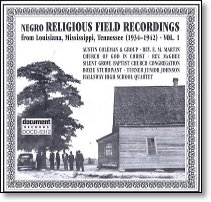
Music: Current count 26050 [26017] rated (+33), 395 [396] unrated (-1). One New Year's resolution that I've been able to keep is that I stop adding records to the previous year's list, so that now that 2015 is gone, I'm officially done with 2014. The final list for 2014 is here. Since the January 31, 2015 freeze date, I added 81 records to the file, bringing the total number of records there to 1248. That was up slightly from 2013 (1222) and 2012 (1190), but still well below the record years of 2011 (1415) and 2010 (1300). The first year I topped 1000 records was 2004, when I started Jazz Consumer Guide -- 1052 that year, which has only dropped below 1000 twice since (982 in 2005, 996 in 2008). The last Voice-published JCG was in 2011, and the freebies thinned out after then, but I had started using Rhapsody in 2007, which took up the slack (and then some). In fact, the share of rated records I've sourced from Rhapsody (and a few other download sources, including links from publicists) has increased every year since 2007 (16.1%), up to 58.1% in 2014. (The series from 2008-13: 21.9% 34.0%, 42.5%, 46.8%, 47.4%, 49.5%.) It is not clear whether that trend will be sustained for 2015: my plan is to "freeze" the file no later than January 31, and to continue to add stragglers until December 31, 2016. The current 2015 file lists 1007 albums, of which 505 (50.1%) are from Rhapsody, etc. Virtually everything I add in that time will be streamed, so if I wind up with 1200 records (a little less than my 2012-14 average) I'll wind up at 58.5%. Odds of that happening are probably 50-50. Last year I added approximately 230 albums to my 2014 list after January 1 (133 in the pre-freeze January 24 Rhapsody Streamnotes, plus about one-third of the 50 more in the February 13 RS, plus 81 post-freeze albums, so another 193 wouldn't be out of ordinary. However, I suspect that I'm beginning to slow down, so I may not add that any. The number of physical albums I received (or in some cases bought -- not easy to separate the two, but the latter is certainly a tiny share for the last 5-6 years) has declined every year since 2011 (753, 623, 617, 523, 502), and significantly since 2004-07 (1017, 941, 1092, 956) -- peak JCG years, but also pre-Rhapsody, so I was also buying more CDs. It would be a lot of work (and probably not worth doing) but I could go back through the metacritic files (and I'd probably need some additional sources) and figure out my share of all (at least fairly well known) jazz releases. If I did so, I have little doubt that it would show that my share has decreased regularly since 2004-07 (with a probable peak year of 2004). I've currently heard 211 of the 426 jazz records in the 2015 EOY Aggegate List, so 49.5% -- better than I would have expected, but I have many fewer jazz lists compiled this year. (Actually, I have a larger sample list, 2015 Music Tracking: Jazz, with 1040 jazz albums listed, of which I've heard 610 -- 58.6%; that list includes everything I have heard, whereas the aggregate only lists records that have appeared on other lists.) That's just one data point -- not a trend -- and while it strikes me as respectable I still sense that I am slipping. I keep expecting my Jazz and Non-Jazz EOY lists to converge in length, but while I added four non-jazz albums this week (Days With Dr. Yen Lo, Halsey, Nozinja, and Skylar Spence -- underground rap, teen pop, Afro-electronica, and disco), Allen Lowe matched that on the jazz side (with a little help from Matthew Shipp), and Steve Swell added an extra, so now the counts are 76-63. Evening out compared to a month ago, but still there are blips. After the JCP ballots were sent off, I received 5-CD packages from both Lowe and Swell. It took a while to sort them out, but I wound up with five A- and 4 B+(***) (one of Swell's is 2-CD). Lowe's are all fairly matched, with a couple regulars and many friends circling around a common approach -- the sort of thing he previously released in single packages (the 3-CD Blues and the Empirical Truth and the 4-CD Mulatto Radio). Three of Swell's sets are the sort of avant-jazz that has little chance of appealing to non-believers -- solo trombone album, a compilation of scattered live sets (including more solo), and a trio with Peter Brötzmann -- but all are exceptionally well done, hence my grades. The fourth, Kende Dreams, is an all-star quintet where everyone excels. Good chance had I gotten it earlier it would have wound up on my ballot, but not feeling like bumping anyone so soon, I left it a notch lower in my file. Terrific album, even for someone with no interest or knowledge of Bartók (like me). Among the old music, I picked out the two Kaiser records because I had them marked as ungraded, and could skip the step of finding them by tuning into Rhapsody. The unrated account is listed weekly. These are records that I have (at least at one point had) but never got around to. New records pile onto the end of that list, but I currently only have two unrated 2015 releases -- a cassette tape I can't play and a Kansas CD I won't (at least not now) -- and most recent years have been handled with similar efficiency. So most of those records are ten or more years old, many bought up when the last decent local record stores went out of business, and some date back to the LP era (in which case I quite possibly don't have them anymore). Still, I always like to knock a few off whenever I get in the neighborhood, as I was with the new Kaiser/Russell album. Negro Religious Field Recordings appeared in an Allen Lowe Facebook post. I clicked on it, then found it on Rhapsody, and figured why not? There's probably a lot more down that rabbit hole, and maybe some day I'll go there, but for me this resonated not just from hearing Lowe's latest records but from checking out a Staples Family reissue that's nowhere near as good. Good chance I'll post a Rhapsody Streamnotes sometime this week. Draft file is currently 125 records deep, more than enough. Probably enough time left in January for a second column too, although I have a couple other ideas kicking around. EOY Aggegate list should be winding down, but I'm still have a bunch of lists I haven't transcribed yet, and a few stragglers are coming in. One thing I did do was to score the Robert Christgau [RC] and Michael Tatum [MT] grades I've been tracking: 5 for A/A+, 4 for A-, 3 for B+/***, 2 for **, 1 for *. I'm not sure I have them all yet, and will add new ones when they appear (until I stop working on the file). I might wind up doing the same thing for my own grades, but that would be a lot more work. Here are some EOY lists by critics you should know by name (and note I especially appreciate long lists, which I regard as realistic for people who listen broadly):
Also: For a list of many more lists, look here. New records rated this week:
Recent reissues, compilations, and vault discoveries rated this week:
Old music rated this week:
Unpacking: Found in the mail last week:
Ask a question, or send a comment. Sunday, January 3, 2016 Saudi KillsI've missed doing this the last couple of weeks. I've had other things to focus on, and figured I'd wind up writing pretty much the same things about the same outrages when I returned as I would have written before. So Saudi Arabia's mass execution of 47 mostly political prisoners came as a bit of a shock. Not a complete shock, mind you. Since King Abdullah's death last year, the Saudi monarchy has been increasingly aggressive about throwing its power around, most obviously in its entry and escalation of Yemen's civil war: one of the most blatant war crimes of the last decade, one that practically every day generates reports of atrocities. But Saudi Arabia has been meddling in the affairs of other countries since 1980 -- partly in response to the twin shocks of the Iranian Revolution and the siege at Mecca's Grand Mosque, both in 1979, but largely because the Reagan administration, following Kissinger's 1970s strategy of promoting regional powers as proxies for American mischief, encouraged the Saudis to help finance the Holy War in Afghanistan against the infidel Russians. The Saudis not only ponied up the money, they understood that to recruit Mujahideen they needed to promote their state-linked Salafist doctrine throughout the Islamic world. In doing so, the Saudis (and their fellow aristocrats among the former British cronies of the Persian Gulf states) built the financial and human infrastructure that promotes reactionary terror throughout the Middle East -- one that has taken on a life and logic of its own, turning on its former masters as surely as the Terror devoured the Jacobins. America's role in all of this can has resulted in one blunder after another, the root cause two beliefs we picked up from the British who got there (and got out) first. One is the conviction that all those who (however temporarily) stand with us are advancing civilization (basically a mental framework we have for admiring ourselves). The second is blind faith that any problem can be solved by force, so long as it is so swift and brutal that no one will dare repeat the offense. The first is little more than a invitation for sycophancy and corruption, one that attracts the worst possible allies, but which wears thin on anyone with integrity or principles. While the latter is so blatantly unjust that that it only breeds resentment and subversion, including those asymmetric acts of sudden violence we dub "terror" -- terminology oblivious to what real machines of war, like B-1 bombers and C-5 gunships, routinely wreak. Of course, the British only made matters worse, except for a few oil company owners, but they trained the Israelis in their methods -- in some cases personally, as with Ronald Wingate and Moshe Dayan; often by example, as with their suppression of the 1937-39 Arab Revolt; and ultimately well enough that the Israelis preserved the whole of British colonial law for selective application to the Palestinians. With such methods, the Israelis have managed to destabilize their dominance and extend their conflict for many generations. America followed in those footsteps not because the approach seemed to work as out of arrogance, figuring that the self-appointed rulers of the free world were destined to succeed. Of course, they haven't. Nearly fifteen years of active US military intervention in the region has cycled tragedy and farce in an ever more irresistible whorl -- among the casualties we find the brains of all current presidential candidates (even Rand Paul; even Bernie Sanders). Isn't one of those textbook definitions of insanity the belief that repeating the same act will produce a different result? The most immediate threat we face comes from the neocons, refreshed by a brief respite from an Iraq fiasco that they're now convinced they had won (until the lily-livered Obama sold them out), anxious to send American troops back into the fray. To accomplish this, they not only peddle flattering self-delucions, they never waste a chance to paint ISIS as the gravest threat to civilization, like, ever. And they've been so successful that hardly any "very serious" political pundit dispute the urgent need to "smash ISIS" (that seems to be the favored phrase, as if several million people living on their land are mere cockroaches). Their propaganda campaign has worked is largely because we seem to have this primordial fear of an Islamic State -- presumably dating to the downfall of Constantinople in 1454 if not the Battle of Tours in 732, although who knows about either? (More likely this is some sort of mirror reflection where we fear that others should do to us as we did to them; e.g., in the Crusades from 1092 and the Inquisition from 1492. Islam was almost never spread by the sword after the 8th century -- the exceptions were converts with a history of raiding, like the Turks and Mughals, and most people under the early Caliphs retained their pre-Islamic religions and legal systems without compulsion.) But while we're geing goaded into war with an "Islamic State" centered in Raqaa, we hear nothing about the more/less equally brutal Islamic State in Riyadh -- Saudi Arabia -- which represses Shi'a, bans all non-Muslims, punishes people they consider criminals with beheadings, which even practices the ancient art of crucifixion. Last week's mass executions, on top of the bombing and invasion of Yemen, should offer us a wake up call. Saudi Arabia gets a free pass from the neocons because they are rich, both selling the West oil and reinvesting their profits in Western banks. The only reason the Raqaa IS seems more brutal is that they are engaged in a life-and-death struggle, whereas the Riyadh IS is sitting high, directing most of its brutality abroad -- but not all, as we should see clearly now. I shouldn't need to say this, but I am not advocating US military intervention to right the wrongs of Saudi Arabia. I don't think the US can or should do that, but we should stop helping the Saudis commit those wrongs -- every bomb they drop in Yemen is, after all, made in America -- and we should realize our limits in Syria and Iraq (among other things, that we can't really distinguish friend from foe, that we don't really have anything to offer the people there other than death and destruction, and that we have no business doing that). Maybe you think I'm one of those awful isolationists? I have two answers to that. One is that if you have to choose between being a serial murderer and a hermit, I'd much prefer that you opt for the latter. The other is that it is possible to interact with the Middle East (or anyplace else) without becoming one or the other. You can, for instance, trade, invest, exchange students and tourists -- all you need for that is stability and security and mutual respect, which pacts, meddling, an arms race, and intervention obliterates. In fact, aside from a tempest over piracy (the Barbary Wars, 1801-05) the US pretty much did just that, all the way up through 1945: after that Israel, the Cold War, and oil greed and fear distorted things, but also the US forgot its founding principles, starting with appreciation of freedom from foreign dominance and entanglements, an aversion to maintaining a standing army, and at least a nominal belief that "all men are created equal, and endowed by their creator with certain inalienable rights" -- you know, life, liberty, the pursuit of happiness. Ironically, the same time Americans were losing their principles the UN was adopting them as basic human rights. One could have built a foreign policy around those ideals, but Truman and Eisenhower didn't, and later presidents -- especially Nixon, Reagan, and the Bushes, but also fatefully the Democrats as well -- only got worse. Here are some links on the Saudi mass executions:
Ran out of time to comment on anything more, but here are some single-line links I had opened up:
Ask a question, or send a comment. Saturday, January 2, 2016 How to FishThought I'd share a recipe I evolved for two since I tried it last night, working mostly from memory and hunch, and it came out marvelous. My original idea was to write it up and mail it to a cousin, but then I thought of a couple more people who might enjoy it. And then it dawned on me that I could just as easily post it here for the masses who read this blog. The basic recipe is "Baked Fish with Capers and Olives" from Nancy Harmon Jenkins, The New Mediterranean Diet Cookbook, which I've transcribed and annotated here. That recipe calls for two pounds of fish to serve 6-8. I picked out three filets from a bag of frozen pacific cod, probably a bit less than 1 lb. I also had two Yukon gold potatoes on hand, so I peeled them (not necessary) and cut them up into a rough 1/2-inch dice. Put them in a bowl, added some extra virgin olive oil (about a tablespoon, a generous amount), salt and pepper. Also coarsely chopped three cloves of garlic, added to the potatoes, then spread them out in a 9x12 baking dish (effectively oiling the dish). I placed the fish in the middle of the pan, moving the potatoes to the side. Heat the oven to 400F. In the same empty bowl (no, I didn't wash), I put one 14 oz. can of diced fire-roasted tomatoes, a teaspoon of lemon juice (not fresh, but do it right if you want), 1/2 teaspoon of sugar, about two tablespoons of capers, and about one-half cup of green olives (from the Dillons olive bar: large, pitted, no stuffing; cut in half lengthwise). Stir this mixture up, then spoon it over the fish. Sprinkle bread crumbs on top. (I used "gluten free" but you can probably find something better.) Finally, drizzle a little more olive oil on top (I used about 2 teaspoons). Bake for 35-40 minutes, by which the potatoes should be done, the sauce bubbly, and the fish flaky. The recipe above also promises browned bread crumbs, but mine stay pretty white (although they do add some texture. And that's it: about 10-12 minutes of prep, plus the wait while it bakes. You could add a green salad -- I'd probably do horiatiki (Greek) [1] or panzanella (Italian) [2] or maybe fattoush (Lebanese) [3] depending on what I had on hand (or some ad hoc mix, since they're all pretty compatible). If the fish is frozen (and not very thick) you don't even need to thaw it out. Fresh tomatoes would be more work, and unless they're home grown aren't worth the trouble (use them in the salad). Use any kind of flaky white fish -- you can probably get away with farm fish like swai or tilapia but it won't be as good as cod. I suppose you could try this with salmon, but I'd rather do something else with it [4]. Bluefish should work. Catfish might -- I've never tried baking it [5]. For salt cod, try this (it's a fair amount of work, and a staple that was once cheap enough to feed to slaves but isn't anymore). Notes: [1] Horiatiki (Greek) salad: toss together romaine lettuce, cucumber (peeled, seeded, chopped), red onion (chopped), tomatoes (cut into wedges or chunks), bell pepper (any color, sliced thin), kalamata olives (pitted), feta cheese, parsley, anchovies, capers (most of these are optional, but it won't be recognized as a Greek salad without the lettuce, tomatoes, olives, and feta; the capers aren't in Jenkins' recipe). For dressing, use 1/3 cup extra virgin olive oil, juice of 1/2 lemon, 1/2 teaspoon dried oregano, salt and pepper to taste: shake it up, pour it on, and toss. [2] Panzanella is an Italian salad with bread -- ciabatta works well, cut the crust off and dice it; mix it with shopped tomatoes so it starts to get mushy (it should blend into the salad, not stand out like croutons -- nothing against croutons). Also use romaine lettuce, red onion, cucumber, and basil (again, more or less -- the bread and tomatoes are key). Not in the recipe, but you can add some grated parmesan. For dressing, use 1/2 cup extra virgin olive oil, 1/4 cup red wine vinegar, 1 tablespoon balsamic, salt and pepper. [3] Fattoush is another bread salad, from Lebanon, but here you want some crunch: traditionally use toasted pita bread, although I'd rather make croutons from French bread than use those pita crisps that show up at most local restaurants. (The best I've made was with Turkish pide bread, which is not the same thing as pita.) Use romaine lettuce, cucumber, radishes (chunked), scallions (chopped), tomatoes (chunked), parsley, mint (again, more or less). Jenkins calls for pickles ("plain brine-pickled cucumbers, not sweetened or heavily flavored with garlic or dill"), which isn't a bad idea but I'd rather add capers, and I'm surprised she didn't include olives (kalamata, pitted, coarsely chopped) and/or feta. For dressing, crush a couple garlic cloves in some kosher salt, then add 1/4 cup extra-virgin olive oil, 1/4 cup lemon juice, and 2 tablespoons of ground sumac. [4] The easiest thing to do with salmon is to marinate it in teriyaki sauce (equal parts, e.g. 1/4 cup each, regular soy sauce, sake [Japanese rice wine], and sugar) for half an hour, then skin-side down broil it 6-10 minutes (or until it browns on top and flakes), brushing it with reserved marinade midway. If no skin, turn it over midway. I usually make rice (sometimes fried with ham and egg) and stir-fried lima beans with it, although there are lots of other options -- unfortunately, they almost all take longer to cook than the salmon. Of course, there is much more you can do with salmon. I've had several guests tell me that Barbara Tropp's Clear-Steamed Salmon with Ginger-Black Bean Vinaigrette was the most delicious meal they had ever had. The ingredient list can be daunting -- my secret is Chef Chow's Szechuan Hot Bean Paste, which as far as I can tell is no longer sold (I've bought two jars in my life, both in NJ, one when I lived there in the early 1980s, the other when I moved back in the late 1990s -- I use it sparely but I'm almost out). But the techniques are pretty straightforward: marinate the salmon, steam it (over onion and spinach), mix up a big bowl of vinaigrette in the food processor, and spoon it over the steamed fish. [5] I don't think I've ever made catfish from a recipe. I grew up on fried catfish, some of which I personally caught (well, not many). So I can do that, but nowadays what I prefer is dredge it in flour, sautee it in olive oil infused with a couple crushed cloves of garlic, and season with salt and pepper. Usually serve that with pasta. In fact, add some preserved lemon peel, chopped garlic, and capers to the oil I cooked the fish in and use it to sauce the pasta. Actually, you dump the pasta into the pan, put the fish on top, spritz it with lemon juice, and garnish with parsley. Jenkins' book has become my go-to standard for Mediterranean, although I also use Claudia Roden, Paula Wolfert, Sarah Woodward, and lately Yotam Ottolenghi -- also Penelope Casas for Spanish, Marcella Hazan for Italian, and Tess Mallos for Greek and Middle Eastern. (Whoa! Just checked those names and discovered that the latter three, all in their 70s, died in 2012-13. Roden and Wolfert are also in their 70s. Don't know about Woodward, whose short but well-illustrated Classic Mediterranean Cuisine is a perfect first book on the subject -- and my still-best sources for a dozen or more recipes I've made many times, from Paella Valenciana to Imam Bayildi). Someone once told me that if you can read a cookbook, you can make anything. I would like to think I've shown that to be true. Ask a question, or send a comment. Monday, December 28, 2015 Music Week
Music: Current count 26017 [25987] rated (+30), 396 [394] unrated (+2). Ratings down a bit due to the holidays -- I cooked traditional family fare for my sister and nephew on Xmas Eve, then next day drove out to a nearby farm for dinner with a cousin and his wife's family -- and also due to the Pazz & Jop ballot deadline. After kicking some things around, I filed the following ballot a day early:
I'm reasonably satisfied with the albums list, although you might note that the Threadgill album is higher (6 vs. 9) on my official 2015-in-progress list than several non-jazz albums on the ballot, and four more jazz albums are on the list ahead of Heems:
I don't like the idea that Pazz & Jop should be the non-jazz (actually, rock/rap-only) forum it effectively is, but I've already touted the jazz records above in the Jazz Critics Poll, but at the moment felt like spreading the action around a bit. (Actually, I doubt that I'll be the only person voting for Schweizer/Bennink or Threadgill in Pazz & Jop, and might not have been the only one for Reed and Lightcap, although I will be surprised if any of the others clear a vote.) I've been keeping separate Jazz and Non-Jazz EOY lists for several years now, but I don't think I've ever skewed the scales before. This may just be a temporary aberration, but it also has something to do with the way I've been working, which keeps me from really falling in love with practically any of the records I've been recommending. At this point, I still only have two full-A records for 2015 (whereas Christgau has 9 plus 1 A+, not counting anything he has in reserve, and Tatum has 7 plus 3 A+, not counting Courtney Barnett [number 4 on his P&J ballot]). I did manage to play six of my ballot picks this week, but didn't move any of them up from A- to A -- most years I move 4-5 up, so I can't say if this is the records or me. (I also rechecked 4 albums I had filed in the B+ range, all records that Christgau had A-listed, and did move three up to A-, which helps even out the Jazz/Non-Jazz lists -- currently 71 to 59. The straggler was Jamie XX's In Colour, certainly a fine album but not enough so to get me to do all the associated paperwork.) I also replayed the consensus record of the year, Kendrick Lamar's To Pimp a Butterfly, but never gave it all the time it seems to demand. And while I flagged it as a very solid A- the first time I streamed it, it's never cohered enough to move on up. No chance it won't win Pazz & Jop -- it's way ahead (577-381-320-285) in my EOY List Aggregate, and no other record has any late momentum like D'Angelo's Black Messiah last year, or any identifiable demographic advantage -- so it felt like it would be a wasted vote. So I nudged Heems above it: not sure it's the better album, but it might be, and is the more interesting choice. Among other things, it makes for two Asian-American rappers on my list. (For what it's worth, Heems will do better in P&J than it has in my EOY List Aggregate: its support is almost exclusively concentrated among Christgau's Expert Witnesses, who amount to a block of 20-30 voters. The effect should be about midway between Wussy and Withered Hand in 2014, where Wussy rose from 66 to 24, and Withered Hand from 100 to 92, but note that I'm working with final metafile tallies for 2014, which already include a lot of individual ballots from the Expert Witness poll. Currently I only have a few of them -- and haven't counted any points for Christgau, Tatum, or myself -- so Heems at 142 is probably a bit better than Withered Hand was at the same stage. I predict it will get 15-20 P&J votes and end up in the 50-70 range. Last year Wussy got 29 and Withered Hand got 8.) On the other hand, I have no confidence in my songs list. I almost didn't bother, but wanted to tout Chris Lightcap's Velvet Underground cover -- especially since I skipped over his album. It then occurred to me that I could pick songs from other albums that missed the cut -- Lamar, of course, plus Furman, Gwenno, Monroe, and especially Tuxedo (the year's most memorable single). I looked a couple friends' lists, and watched 10-15 videos (more than I've done all year), picking out songs that seemed good enough. I wound up with two non-album singles that Dan Weiss likes, and one choice cut from an album that otherwise I don't much care for (Jason Derulo's). Also the standout track from one of the few EPs I graded A-. Certainly a decent list, but one that I'm sure could have been improved had I spent a few more days checking things out, especially if I considered cuts from my top-ten albums ("Free People" would easily have made the list, and very likely "Flag Shopping"). I sort of get the appeal of "best songs" lists on two levels: I grew up in an era when we first heard music on AM radio (KLEO was my station) and bought 45s, so it seems perfectly natural to me to segue "Wild Thing," say, into "Woolly Bully." Until 1965 I didn't even have a record player that could play LPs, and I doubt that I bought twenty of them through the end of the decade. On the other hand, by the early 1970s we came to think of LP sides as integral works of art, meant to be consumed whole, and from 1970 up to about 1977 I doubt I bought a single 45 -- good chance the record that broke that streak was "God Save the Queen." I also approve, at least in principle, of the idea of programming your own playlists, something that home computers made accessible to the masses. However, I've never gotten the hang of the technology, not so much because I find it incomprehensible as because it doesn't suit the way I work. Even streaming, I rarely bother with anything but album-length chunks, because that still makes sense to me as the unit to write about -- and for today, at least, I mostly listen to write. I can imagine at some point turning back inward and starting to reduce my collection to its rare finest moments, but that's mostly to eliminate clutter. (At some point I suspect all collections decay into clutter.) Nor am I sure that constant exposure to brilliance would be such a good thing. I suspect I'd get too used to it. The other thing that bothers me about "best songs" is how much they are tied to videos. I hated MTV when it started to exercise its tyranny over popular music in the 1980s. My initial complaint was how it added an extraneous and expensive obstacle for music to reach the public. Moreover, it worked to select popular music by how photogenic the musicians were. Of course, since then music videos have been democratized (and amateurized) with the usual mixed bag of results. My research this year consisted of nothing more than watching Youtube videos, which were equally divided between nonsensical collages and Bollywood-worthy dance numbers. (Conceiving singles as studio product, I didn't bother with the third great class: live performance documents.) So inadvertently I bought into the notion that it's not a song unless it comes packaged in a video. I've also been invited to participate in El Intruso's 8th Creative Music Critics Poll. I think it's based in Argentina, and the focus is avant-jazz. About half of the 40+ critics are Americans I recognize. Instructions call for no more than three answers in each category. Most of those categories are instruments, which raises all sorts of awkward problems -- it's hard enough to rank albums, but I don't really believe in ranking people, so the names I jotted down below are just ones I thought could use some extra recognition. Also note that the instruments themselves weren't created equal: I could reel off the names of twenty tenor saxophonists (and fifteen altoists) before I could get to a third soprano or baritone. Also, while there are quite a few good acoustic bassists who also play electric, I hardly ever recognize them as such. Final point is I spent less than half an hour doing this, mostly by looking back over last year's notes file. Anyhow, this is what I sent in:
It would, I think, be more interesting if they did more of a record poll, especially if the ballots could extend beyond a top ten. Probably the first week ever where everything in the newly rated list came from streaming. I did play several records in the new jazz queue but didn't get around to writing them up. My first impression is that Allen Lowe's In the Diaspora of the Diaspora would have easily added up to an A- had he packed them into a box, but releasing them individually is making me do more work. Steve Swell's Hommage à Bartok is also certainly an A-, but he begged me to write "more than your usual" and nothing slows me down like that. Also spent a lot of time adding to the EOY List Aggregate files, but have no time left to write about them. Maybe next week, or when Pazz & Jop comes out (January 13). As of this moment I have 318 lists compiled, referencing 3126 albums. Still working on it, but I have a pretty good idea how it all sorts out (Kendrick Lamar, Sufjan Stevens, Courtney Barnett, Jamie XX, Father John Misty, Tame Impala, Grimes, Julia Holter, Bjork, Sleater-Kinney, Vince Staples, Kamasi Washington, Joanna Newsom, Oneohtrix Point Never; 4-5-6 are pretty close but fairly stable; 9-12 are even closer and more volatile; 14 is gaining, but has too much ground to make up to bump 13; the rest of the top-20 are Kurt Vile, Carly Jepsen, Blur, Drake, Alabama Shakes, Viet Cong, and they're still likely to change). New records rated this week:
Recent reissues, compilations, and vault discoveries rated this week:
Grade changes:
Unpacking: Found in the mail last week:
Ask a question, or send a comment. Monday, December 21, 2015 Music Week
Music: Current count 25987 [25944] rated (+43), 394 [381] unrated (+13). The Tenth Annual Jazz Critics Poll, which Francis Davis started at the Village Voice, then after the Voice tanked kept going first at Rhapsody and now at NPR, appeared today. In 2009 Voice Music Editor Rob Harvilla asked me to compile and host all of the critic ballots, and I've continued doing so through all of the subsequent gyrations. Deadline for the ballots was last Sunday, and Davis forwarded them to me on Tuesday or Wednesday, but I putzed around and didn't start on them until Saturday. That wiped out my weekend and, well, today, and I still have work to do. Among other things, I figured out a system for double checking the collated ballots against Francis' tabulations. When I first got all of the data plugged in, my diff-checker spit out 480 lines of discrepancies -- roughly 120 of about 650 albums that received votes. Since then, one of the main things I've been doing has been to whittle down that discrepancy list. As I write this, I have it down to five more records that I have to check. It's fair to say that about half of those have been errors in Francis' original tabulation, and half were problems I introduced during data entry. A second category of changes has to do with a sort of canonic representation of artist/title/label names. Francis doesn't like spurious group names attached to artist names so, say, The Gabriel Alegria Afro-Peruvian Sextet becomes Gabriel Alegria, Steve Coleman and the Council of Balance is Steve Coleman, and Satoko Fujii Tobira is just Satoko Fujii. He also doesn't like slashes for multiple artists -- says they mean either/or -- so two artists use & and three or more use dashes, even when the album itself uses slashes (although more likely they just use space). Part of the reason is no doubt practical: when 147 meticulous critics and supposedly literate writers jot down lists, the sheer quantity of variations they come up with is mind-boggling. Still, several of these canonicalizations are arguable, and some are far from clear. At some point in the ballot collating process I get to comparing the data hacked according to his rules with a similar set of data I've been accumulating (with different rules) all year long. Unfortunately, that point is still in the future -- probably when I get around to feeding a fair amount of ballot data into my own EOY List Aggregate file (which, by the way, has significantly less jazz data now than it has in recent years, mostly because so few jazz critics have been using the JJA website to post their lists/ballots). Still, if I had some magical way to filter out the non-majority-jazz lists, my data would have reasonably well anticipated the JCP results. (Kamasi Washington and Matana Roberts would have lost most, but far from all, of their support, and Colin Stetson would have lost everything -- curiously enough Stetson's is my favorite of those three.) The main blip I see is that Jack DeJohnette ran much better in JCP, while Vijay Iyer (and JD Allen) ran a bit better in my sparser data. (I haven't weighed my own grades into my data yet, so that isn't a factor.) There are two main pages at NPR to look at:
Much more data is available at my site, including complete totals for all five categories (new, reissue/historical, vocal, debut, Latin jazz) and complete ballots for all of the 147 participating critics. This site isn't built on a full-fledged database, but the data is internally tabled up in such a way that one need only write a little more software to organize it like, say, the Village Voice's Pazz & Jop section: one would need a script to list out all of the critics who voted for any given album, and another to fetch the ballot for any single critic -- plus a lot of extra links in each file, and some CSS to present those links. I actually wrote the second script in a couple hours last year, so critics could link to their own ballots (mine is here) without confusing the issue by picking up other critics' ballots. Unfortunately, I only think about writing things like this when I'm up to my ears facing an annual deadline, stuck with more pressing things to do. I don't have time to comment on the results, other than to make the obvious point that I'm not much of a fan of either of the winning records (although it's been quite some time since I played either; I have them at low- and middle-B+ grades). I've liked Mahanthappa's work much more in the past, but don't get (or find interesting) his postbop take on Charlie Parker (my issue is definitely not that I find the record too bebop-y). And while I enjoyed Schneider's new album more than her previous much-hyped work, her ornate expressionism has scant appeal for me. I'm not real disappointed to see these two records doing so well: I figure they're just different strokes for different folks, especially ones grounded in classical but open to the greater vitality of postmodern jazz. (I, on the other hand, have always detested classical music, and look to jazz that builds on the rowdy subversion I first found in rock and roll.) The next two finishers don't do much for me either. For Jack DeJohnette, the problem is (most likely) purely business. Since ECM stopped servicing me with actual product, I've had to make do with time-limited download links I often don't get to in time, and I missed the DeJohnette link -- and didn't get a second chance, despite several requests. So I simply haven't heard a record that looks great on paper and has a terrific reputation. Then there's the matter of Kamasi Washington: again I didn't get a copy -- a real practical problem for something that fills up three CDs -- again despite a further request. However, I was able to hear it on Rhapsody, and recently gave it a second complete spin. I do like him as a saxophonist, and the '70s-throwback-vibe that Davis complains about is one of my favorite jazz era-niches, but I don't get off on the electro-flavored choral goop that fills most of the first two discs. (Complicit in all of this is Steve Ellson, aka Flying Lotus, whose own work leaves me cold.) In the end, I only had two of the top 10 albums on my A-list (with this week's bonanza 71 albums deep -- Threadgill and Lightcap were also on my ballot). Add one more for 11-20 (Ryan Truesdell), a clump of five in 21-30 (Mike Reed, Matthew Shipp, Amir ElSaffar, Liberty Ellman, Nicole Mitchell). Three for 31-40 (Irène Schweizer, MOPDtK, Barry Altschul). Two in 41-50 (Noah Preminger, Tomeka Reid). Four more for 51-60 (Erik Friedlander, James Brandon Lewis, Gary McFarland Legacy Ensemble, Joe Lovano). It thins out further from there, mostly because the number of records I haven't heard grows. For instance, only six more from 61-100 (Ochion Jewell, Milford Graves, Alex von Schlippenbach, William Parker, Satoko Fujii, Michael Blake -- Steve Swell's record just came in the mail). Only seven from 101-200 (Josh Berman, Charles McPherson, Nate Wooley, Ray Anderson, Tomas Fujiwara, Rich Halley, Chico Freeman). No doubt I'll find more good records by sniffing around the ballots -- actually, more so than by looking at the totals. While working on the ballots, I spent my time streaming items I found there, and indeed came up with two A- records this week (Ray Anderson and Tomeka Reid; the Bobby Bradford/John Carter archival release was already in my CD queue, as were voteless discs by François Carrier and and Andrew Jamieson; Daniel Rosenboom also got no votes, but was recommended in another EOY list somewhere; same for Max Richter, which I gather is classical music, but it sure fooled me). New records rated this week:
Recent reissues, compilations, and vault discoveries rated this week:
Old music rated this week:
Unpacking: Found in the mail last week:
Ask a question, or send a comment. Tuesday, December 15, 2015 Rhapsody Streamnotes (December 2015)I actually froze this file and opened a new one back on Sunday, figuring 144 records was enough for any one column (maybe more than enough). So while I've been busy as a bee between then and now, there's nothing here that hasn't been reported in a Music Week post, and I fear a few of the "reviews" are so flimsy they hardly deserve your attention. Still, hopefully some do help, and with one exception the triage is as rigorous as ever. (That one exception is Titus Andronicus' The Most Lamentable Tragedy -- the first record in many years that I didn't make it all the way through. It actually started out sounding promising, but wore down, and I got interrupted midway through. On returning, I found I didn't have the constitution to finish the slog. Can't say as it's a bad record, and you may well have more tolerance for grandiose rock operas than I do, hence the middling grade.) This time of year, I've been busy scouring the EOY lists, not so much to check up on the conventional wisdom -- needless to say it's as boring as ever (or at least as boring as a Tame Impala) -- as to sniff out some interesting outliers. That netted one popular find -- Gwenno (currently 70th on my EOY Aggregate) -- and a few others that remain obscure: John Moreland (462), Sons of Kemet, Alaska Thunderfuck. Still, I have tried checking out most of the top-ranked records (19/20, 28/30, 35/40) becoming pickier as we go down the list (41/50, 68/100, 102/200). In this column you'll find: 10. Grimes [**]; 14. Kurt Vile [B]; 16. Oneohtrix Point Never [***]; 19. Unknown Mortal Orchestra [B-]; 20. Ryley Walker [**]; 28. Chvrches [**]; 30. Floating Points [***]; 51. Torres [*]; 54. Girl Band [**]; 60. Titus Andronicus [B]; 61. Algiers [B]; 70. Gwenno [A-]; 97. JME [***]; 118. Justin Bieber [B]; 119. Gaz Coombes [*]; 130. Föllakzoid [**]; 207. Rabit [**]; 214. Sun Kil Moon [***]; 216. Pat Thomas [***]; 221. Fetty Wap [B-]; 271. Eric Church [**]; 275. Desaparecidos [A-]; 318. Chemical Brothers [**]; 330. The Fall [***]; 331. Flako [**]; 333. Georgia [**]; 377. Richard Thompson [***]; 426. Drake/Future [*]; 438. GLOSS [***]; 462. John Moreland [A-]; 523. Bomba Estéreo [***]; 558. Craig Finn [A-]. My grades vs. the EOY Aggregate ranking tend to be almost evenly distributed among my B+ levels (for the current top 100, my breakdown is 15-15-14), with slightly fewer A- (13) or B and lower grades (12: 10 B, 2 B-). That's similar to -- OK, slightly better than -- my overall grade curve this year: A/A-: 119 (13.9%); B+(***): 177 (20.6%); B+(**): 245 (28.6%); B+(*): 191 (22.3%); B/less: 126 (14.7%; B: 94, B-: 26, C+: 2, C: 3, C-: 1). I suspect the reason my curve is slightly right-shifted is due to the amount of jazz I receive, which conscience forces me to listen to records I would never bother with otherwise. (Since so much non-jazz is available on Rhapsody I'm pickier about what I listen to there.) I'd also conjecture that the more black ink I fill in on the EOY ranking, the lower that grade curve will skew. Next significant date for me will be December 28, when my Pazz & Jop ballot is due (publication date January 13, 2016). I've given very little thought to the ordering of my current Non-Jazz list, let alone how much jazz I want to slip in (Irène Schweizer is the only lock, and I doubt I'll drop below 4th place Mike Reed). But I will be focusing on non-jazz in the next two weeks, expecting to narrow the current 52-67 A-list deficit between the Non-Jazz and Jazz lists. (This month non-jazz has a 10-6 edge, so the two lists have already narrowed a bit.) Most of these are short notes/reviews based on streaming records from Rhapsody (other sources are noted in brackets). They are snap judgments based on one or two plays, accumulated since my last post along these lines, back on November 18. Past reviews and more information are available here (7394 records). Recent Releases
Juhani Aaltonen & Iro Haarla: Kirkastus (2013 [2015], TUM): Duets, mostly tenor sax and piano, although Aaltonen starts on flute -- demonstrating why he's my first pick in polls on that generally disliked instrument; he also plays alto and bass flute -- and Haarla's second instrument is harp. B+(***) [cd] Alaska Thunderfuck: Anus (2015, Sidecar): Alias for drag queen Justin Honard, "best known for appearing on the fifth season of RuPaul's Drag Race. Music is EDM, with he/she talk-singing through many tales of makeup and nails -- not to mention pussy, can't forget that. Not really my thing, but I'm more bemused than anything else. A- Algiers: Algiers (2015, Matador): Rock group formed in Atlanta and fronted by gospel-schooled singer-guitarist Franklin James Fisher, an affect that tends to push what otherwise might have been a decent shoegaze group into excess melodrama. B Harry Allen: Something About Jobim (2015, Stunt): Following in the wake of Allen's superb Flying Over Rio, the tenor saxophonist has a smaller band here -- a piano trio led by a very lively Helio Alves. Three vocals by Joyce didn't blow me away, but she certainly qualifies as a "special guest." B+(***) Stephen Anderson/360° Jazz Initiative: Distracted Society (2015, Summit): Pianist, has at least one previous album, wrote 6 (of 9) pieces here, the others coming from his group (two from tenor saxophonist Dave Finucane, one from trumpeter Jim Ketch). Group is an octet, with a second trumpet, guitar, vibes, bass, and drums. B+(**) [cd] Asleep at the Wheel: Still the King: Celebrating the Music of Bob Wills and His Texas Playboys (2015, Bismeaux): Ray Benson's group has tried this several times before -- most successful was 1999's star-studded Ride With Bob, and the guest list is even longer (and younger) this time -- well, except for Willie, Merle, and missing link Leon Rausch. Some of my favorite music, enough so that everyone sounds great. Wish I had the whole package. A- Asylum Street Spankers: The Last Laugh (2014, Yellow Dog): String band from Austin, formed in the mid-1990s and broke up in 2010, then decided to do the end right with a nine-month 50-city farewell tour. I'm not sure they ever got out of town, but they did several last shows in Austin, raised some money for a documentary, and three years later got around to editing this CD. The impending end has them thinking a lot about religion, not that they find much to like there. Also about an impending work-life, which seems even less to their liking. A- Erykah Badu: But You Caint Use My Phone (2015, Control Freaq): First album in five years, not a huge gap by the standards of this year's great many long-term comebacks, but it rather seems like it -- maybe because styling this as a mixtape eases the re-entry. Repeated riffs on phones keep on coming, leading up to a cover of Todd Rundgren's "Hello, It's Me" featuring Andre 3000. A- Dan Ballou: Solo Trumpet (2015, Clean Feed): Truth in advertising, although the fine print shows he also plays flugelhorn, piccolo trumpet, and employs various mutes. As with most solo albums, variety helps, and so do some exceptionally dramatic spots. Ballou has a dozen-plus albums since 1998, most on more mainstream labels (actually mostly Steeplechase, a label I've never gotten anything from), but he airs it out here. B+(**) [cd] Justin Bieber: Purpose (2015, Def Jam): With new albums every year (except 2014) since he turned 15, he must think of himself as a seasoned star. but this is the first I've heard, as well as his first since turning 21. The kid's got a nice voice, which works well when he gets a bit of upbeat to work with. But his handlers saddle him with a lot of ballads, and he's not grown up enough for that. B Big K.R.I.T.: It's Better This Way (2015, self-released): Rapper from Mississippi, made his mark with mixtapes going back to 2005 but has a major label deal that should take precedence. Maybe it does, since there's not much here. B+(*) [dl] June Bisantz: It's Always You: June Bisantz Sings Chet Baker Vol. 2 (2015, self-released): Standards singer, three albums I've been able to confirm, the previous two as June Bisantz-Evans -- the one called Let's Fall in Love is probably remembered as Sings Chet Baker: Vol. 1. She can't help but sing better than than Baker, especially as she aims for his nonchalance rather than his pathos. B+(*) [cd] Raoul Björkenheim Ecstasy: Out of the Blue (2014 [2015], Cuneiform): Finnish guitarist, second album with this group (we won't humor its typographic conceits, preferring to take our ecstasy straight). Group also Finnish: Pauli Lyytinen (sax), Jori Huhtala (bass), and Markku Ounaskari (drums). Guitar and sax can joust on pretty equal footing, otherwise the sax defers, usually by bowing out. B+(***) [dl] Bomba Estéreo: Amanecer (2015, Sony Music Latin): Colombian group led by Simón Mejia, rooted in Cumbia and Salsa but with a touch of hip-hop, especially singer/rapper Li Saumet. B+(***) Boytoy: Grackle (2015, Papercup Music): Brooklyn rock trio, Saara Untracht-Oakner sings and plays guitar, Glenn Van Dyke plays guitar and sings, and there's a drummer. They cite Black Sabbath and the Ramones as influences, and while they'd probably like to synthesize them, they do what they can. Eleven short tracks, five more than their cassette-only debut, but still just 28:07. B+(***) Geof Bradfield Quintet: Our Roots (2014 [2015], Origin): Tenor saxophonist, fifth album, quintet with trumpet (Marquis Hill) and trombone (Joel Adams), bass and drums. Three originals, the rest from old blues sources -- Huddie Ledbetter (5), Willie Johnson (2), and trad. (2). There's a tendency for the postbop to bury the blues, but this can be very attractive when they swing (e.g., "Take This Hammer"). B+(**) [cd] Breakfast in Fur: Flyaway Garden (2015, Bar/None): Hudson Valley-based alt-rock group, first album, Kaitlin Van Pelt's vocals add a dream pop dimension to Dan Wolfe's shoegaze. Starts promising, but after midway tends to get lost in the ether. B+(*) Peter Brötzmann/Peeter Uuskyla: Red Cloud on Silver (2014 [2015], Omlott, 2LP): Tenor sax and drums duo, with Brötzmann also credited with clarinet, bass clarinet, and tarogato, all of which tone down the harshness of his main axe. B+(**) The Katie Bull Group Project: All Hot Bodies Radiate (2013 [2015], Ashokan Indie): Singer, writes most of her stuff but covers "Ding Dong the Witch Is Dead" here. Band leans avant with Joe Fonda -- a longtime collaborator -- on bass, George Schuller on drums, Landon Knoblock on piano/electronics, and Jeff Lederer on soprano/tenor sax. She's struggled in the past but this all flows together. B+(***) [cd] Ann Hampton Callaway: The Hope of Christmas (2015, MCG Jazz): Subtitle: "Sings the Lyrics of William Schermerhorn." That at least steers this away from the over-familiar. Schermerhorn is so obscure he doesn't have a Wikipedia page, although from the tidbits I can gather I doubt the page would be deleted should you decide to create one. He does possess a Daytime Emmy for Outstanding Original Song (actually two), and directed 82nd Annual Macy's Thanksgiving Day Parade for television. Marty Ashby's production is nice and jazzy. B- Chaise Lounge: A Very Chaise Lounge Christmas (2015, Modern Songbook): A small swing band, led by guitarist-pianist Charlie Barnett, with a bassist who doubles on tuba, and a pleasant-voiced singer named Marilyn Older. Favors secular fare, only a couple of which you're likely to hear elsewhere, and none you're likely to be sick to death of. B+(*) The Chemical Brothers: Born in the Echoes (2015, Virgin EMI): Techno duo, back to 1995 so they've had a long good run. One cut here sounded as good as ever, but the others weren't compelling enough to send me back for another play. B+(**) Childbirth: Women's Rights (2015, Suicide Squeeze): Three women from Seattle in a punk band, as straightforward and proper as can be, as if intelligible words are all it takes to convey rage, or humor can be subversive. Only runs 27:45, but that packs in thirteen songs. B+(***) Eric Church: Mr. Misunderstood (2015, EMI Nashville): Country artist, made an arena rock move last time which backfired, reverts to form here -- maybe even overshoots a bit. B+(**) Chvrches: Every Open Eye (2015, Glassnote): Scottish electropop group, second album, a big improvement. B+(**) Scott Clark 4tet: Bury My Heart (2015, Clean Feed): Drummer, based in Richmond VA, "of native American ancestry," a theme reflected in his song titles -- "Broken Treaties," "Wounded Knee," "Little Crow's War," "Big Horn," "Sand Creek," "Remembrance" -- even the album title, a nod to Dee Brown's brilliant book, Burn My Heart at Wounded Knee. (Clark's website suggests that was the original album title.) With Bob Miller (trumpet), Jason Scott (sax), and Cameron Ralston (bass), plus bass clarinet and trombone on the first piece. Works in some trad drumbeats, and the horns can be mournful as needed, but can also run free. B+(**) [cd] The Claudettes: No Hotel (2015, Yellow Dog): Hype slots this piano-drums duo (Johnny Iguana and Michael Caskey) as Chicago/New Orleans blues but I find the pounding chords mechanical and can't get excited even by the pace: it's like woogie with no boogie. More intriguing is Nigerian-American vocalist Yana, fond as she is of "'60s French Yé-Yé classics." B Tom Collier: Across the Bridge (2015, Origin): Vibraphonist, based in Seattle, cut an album in 1991 and has several more since 2004. Frequent collaborator Dan Dean plays electric bass and guitar on three cuts; drums are split between John Bishop and Ted Poor. The biggest coup was in landing Bill Frisell (3 cuts) and Larry Coryell (4) on guitar. B+(*) [cd] Adegoke Steve Colson: Tones for Harriet Tubman/Sojourner Truth/Frederick Douglass (2015, Silver Sphinx, 2CD): Pianist, b. 1949 in Newark, studied in Chicago where he joined AACM, has a short discography. Solo piano. B+(**) [cd] Gaz Coombes: Matador (2015, Hot Fruit): Brit-pop singer, frontman of Supergrass, second solo album. Fast ones like "The English Ruse" catch my attention, but then the slow ones lose it. B+(*) Bram De Looze: Septych (2014 [2015], Clean Feed): Pianist, from Belgium, probably his first album, a septet with three saxes (Bo Van Der Werf on baritone; Robin Verheyen on tenor and soprano; and Gebhard Ullmann on tenor, bass clarinet and flute), two cellos, and drums. B+(**) [cd] Desaparecidos: Payola (2015, Saddle Creek): Conor Oberst side project, first album appeared in 2002, now this one 13 years later, but lineup seems to be the same, and they come on strong as a band -- in fact, given their political stance and how much they have to critique (or rant about), they come on as the closest any American band has come to the Clash. I'm alternately amused and agitated, which isn't a bad combination. Inspirational song title: "Left Is Right." A- Kristin Diable: Create Your Own Mythology (2015, Speakeasy): Alt-country singer/songwriter from Baton Rouge, has a handful of albums since 2004. B Jorrit Dijkstra: Neither Odd nor Even (2014-15 [2015], Driff): Alto saxophonist, plays this one solo although he works in some lyricon, analog synth, and effects pedals to get some supplementary percussion, which makes a big difference. B+(***) [cd] Jorrit Dijkstra/Pandelis Karayorgis/Nate McBride/Curt Newton: Matchbox (2014 [2015], Driff): Alto sax (plus lyricon and analog synth), piano, bass, drums; the last two were Ken Vandermark's rhythm section before he left Boston for Chicago; the last three are a long-running piano trio called Mi3. The first two run this label and share various projects like the Steve Lacy tribute band, the Whammies. But they sort of cancel each other out here -- interesting work all around, but nothing that really sticks to you. B+(**) [cd] Drake/Future: What a Time to Be Alive (2015, Cash Money): Originally a mixtape, but quickly productized into an instant chart topper. Neither artist makes much of a splash, not that the everyday patter of business planning doesn't have its own homey appeal. B+(*) Kaja Draksler/Susana Santos Silva: This Love (2015, Clean Feed): Piano and trumpet/flugelhorn duets. Trumpet tends to drone, with piano occasionally dropping out. B+(*) [cd] Joe Ely: Panhandle Rambler (2015, Rack 'Em): The bard of Lubbock has rarely sounded so clear and straightforward. Still I played this twice and as good as it sounded it didn't force me to pay enough attention to recall two songs. B+(**) The Fall: Sub-Lingual Tablet (2015, Cherry Red): Mark Smith's 1970s vintage band remains just barely post-punk, his distinctive roar and the band's crunch unabated. Indeed, why should they change? It's not as if there's nothing to get angry about. B+(***) Lorraine Feather: Flirting With Disaster (2013-15 [2015], Jazzed Media): Jazz singer, daughter of writer/impressario Leonard Feather, co-wrote all of these songs, mostly art-ballads with weepy strings. B Brian Fielding: An Appropriate Response: Volume One (2015 [2016], Broken Symmetries Music): Pianist, appears to be his first album (although note gray hair in photo), a quartet with Mike Lee on tenor sax, Andy McKee on bass, and Ali Jackson on drums. First song dedicated to Fred Hersch. Mainstream, flows nice, very listenable. B+(**) [cd] Craig Finn: Faith in the Future (2015, Partisan): The unmistakable singer/songwriter behind two of the better rock groups of the last two decades -- Lifter Puller and Hold Steady -- files his second album under his own name. The music is lighter, a bit less compelling, but that just lets the songs come through clearer. He's good enough to do that. A- The Fireworks: Switch Me On (2015, Shelflife): British noise-pop band, I reckon that means a little more frenzy than shoegaze but the tone and dynamics are similar. B+(**) Flako: Natureboy (2015, Five Easy Pieces): Dario Rojo Guerra, reportedly of German-Chilean heritage, seems to prefer styling his alias as fLako. Second album, topped at least one EOY list, nice mix. B+(**) Floating Points: Elaenia (2015, Luaka Bop): Brit electronica producer Sam Shepherd, has been recording singles as Floating Points since 2009 and has an album with a 16-piece Floating Point Ensemble, but this rates as a first album. Attractive blips that can swell up impressively but usually don't. B+(***) Föllakzoid: III (2015, Sacred Bones): From Santiago, Chile, described as a "psych-pop" group: instrumental rock, throwback to some of the space themes that came out of prog/psychedelia in the 1960s, but tighter, more contained, more modest -- perhaps imagination for space music has been compressed along with the grind of life on earth. B+(**) Food: This Is Not a Miracle (2013 [2015], ECM): Eighth group album since eponymous 1999 debut, although the initial quartet gradually stripped down to constants Iain Ballamy (saxes, electronics) and Thomas Strønen (drums, electronics), joined here by Fennesz on guitar (and more electronics) -- the electronics provide much of the tone and texture over the jazztronica beats. A- [dl] Erik Friedlander: Oscalypso: Tribute to Oscar Pettiford (2015, Skipstone): Pettiford was one of the great bassists of the 1950s, and one of the first to record on cello -- the higher range making it more audible as a lead instrument. Friedlander is one of a half-dozen prominent jazz cellists to emerge since the 1990s, so it makes sense he would look back to his heritage. Quartet with Michael Blake (sax), Trevor Dunn (bass), Michael Sarin (drums). A- [cd] Kinky Friedman: The Loneliest Man I Ever Met (2015, Avenue A): Past retirement age, the "last of the Jewish cowboys" takes it easy by only writing three songs (and only the one he got help with looks to be new). While he still likes a good joke, he also waxes nostalgic -- which turns out to be more dependable than the jokes. B+(**) David Friesen & Glen Moore: Bactrian (2015, Origin): Two veteran mainstream bassists, mostly play duets although on five cuts one or the other switches to piano. Not what you'd call rousing, but surprisingly clear and very engaging and pleasant. Title comes from the two-humped camel. B+(***) [cd] Jacob Garchik: Ye Olde (2014 [2015], Yestereve): Trombonist, has a handful of album which are all over the place, fronts what is effectively a rock band here with three distinctive guitarists -- Brandon Seabrook, Mary Halvorson, and Jonathan Goldberger, also credited with baritone guitar -- and drummer Vinnie Sperrazza. I'm not impressed so much as amused -- reminds me of the Golden Palominos (if that means anything to you). B+(**) [cd] Georgia: Georgia (2015, Domino): Georgia Barnes, daughter of Leftfield founder Neil Barnes, leans towards becoming a pop diva but doesn't neglect the family trade. B+(**) Ghostface Killah/Adrian Younge: Twelve Reasons to Die II (2015, Linear Labs): More gangsta shit. B+(**) Clark Gibson + Orchestra: Bird With Strings: The Lost Arrangements (2015, BluJazz): Alto saxophonist, like many obsessed with Charlie Parker, and unlike me entranced by Parker's more obscure "with strings" recordings. I couldn't wade my way through the notes, but will note that neither soloist nor orchestra are as shrill as in the originals, nor as pretentious. B+(**) [cd] Girl Band: Holding Hands With Jamie (2015, Rough Trade): Irish group, all male, snarling vocals over hardcore grind. A formula, perhaps; a good one. B+(**) GLOSS: Demo (2015, self-released, EP): Acronym stand for Girls Living Outside Society's Shit. Band is from Olympia so I expected some kind of riot grrrl attack, but voices sound male even if lead is named Sadie. Five songs, nothing longer than 1:53 (total 8:04). Noisey ranked this 7th on their EOY list, which is perverse obscurantism, but at first blush this is the best hardcore I've heard since OFF's First Four EPs, maybe better. B+(***) [bc] Cee Lo Green: Heart Blanche (2015, Atlantic): Former Goodie Mob rapper, recast himself as a "soul machine" then cushioned his decline with a tour as a TV celebrity, comes back louder than ever, not the same as better than ever. B+(*) Grimes: Art Angels (2015, 4AD): Canadian singer-songwriter Clare Boucher, music mostly synths with lots of upbeat pop hooks. B+(**) Gwenno: Y Dydd Olaf (2014 [2015], Heavenly): Gwenno Saunders, from Wales, first solo album after the demise of her girl group, the Pipettes. Father was a noted Cornish poet and she grew up speaking Welsh and Cornish, so title and lyrics are probably in one or the other. But the incomprehensible words are enveloped in down right gorgeous synths, and the flow is impeccable. Album was first released on Peski Records, but her new label couldn't resist. A- Brian Harnetty: Rawhead & Bloodybones (2015, Dust-to-Digital): Third volume in a series where Harnetty takes recordings from the Berea College Appalachian Sound Archive -- in this case children talking, telling stories, from the 1940s and 50s -- and dresses them up with some folkishly ambient music. Includes several instrumental tracks as a bonus, although you tend to forget why you're listening when they're on. B+(**) Brian Harnetty: The Star-Faced One: From the Sun Ra/El Saturn Archives (2013, Atavistic): Another example of Harnetty's shtick, which is to craft something novel by adding some live music to samples from some audio archive. Mostly he works off spoken word, and that looms large here -- mostly bits of interview and such. The musicians include Harnetty (keyboards), Jeremy Woodruff and Jeff Kimmel (reeds), Fred Lonberg-Holm (cello), and Aaron Butler (vibes). Although space is the place, they never quite get there. B+(*) Heroes Are Gang Leaders: The Avant Age Garde I AMs of the Gal Luxury (2015, Flat Langton's Arkeyes): A collective of poets and jazz musicians, founded by Thomas Sayers Ellis and James Brandon Lewis shortly after Amiri Baraka's death last year. Lewis has a couple of remarkable left-of-mainstream sax albums, and he's joined here by another saxophonist, Devin Brahja Waldman, bohemians like Thurston Moore and Lydia Lunch, and others I don't recognize. B+(***) [cd] Holychild: The Shape of Brat Pop to Come (2015, Glassnote): LA synthpop duo, singer Liz Nistico working over Louie Diller's instrumental tracks. Rhapsody only has 4 (of 13) tracks, so I have to hedge here, but three are terrific and "Regret You" isn't bad. B+(**) Invisible Astro Healing Rhythm Quartet: Invisible Astro Healing Rhythm Quartet (2012 [2013], Epigraph): Basically a jazz fusion group from Bakersfield, the quartet consisting of organ, electric guitar, electric bass, and drums, with the first three instruments occasionally swapped between two of three musicians. Two side-long improv pieces, cut live with "special guests" Kris Tiner on trumpet and Phillip Greenlief on tenor sax. Nothing very complicated to it, but it hits an attractive groove with jazz riffs -- "Ethiopian funk with the outer realms of cosmic jazz and atonal psychedelia," as they put it. A- [bc] Invisible Astro Healing Rhythm Quartet: 2 (2014 [2015], Trouble in Mind): Second album from the Bakersfield group, this time with even more guests: Kris Tiner (trumpet) and Phillip Greenlief (sax) return, plus producer Chris Schlarb (guitar, synth, percussion), trombone, and extra percussion. Still, the riffing over the Ethio-jazz rhythms is less pronounced, and the extra compositions aren't quite as joyful as the debut's long jams. B+(***) Jazz at Lincoln Center Orchestra with Wynton Marsalis: Big Band Holidays (2012-14 [2015], Blue Engine): A museum-quality big band wasted on utterly conventional Xmas fare -- "Jingle Bells," "Have Yourself a Merry Little Christmas," "White Christmas" are the first three, with similar quality guest singers -- Cecile McLorin Salvant, Gregory Porter, and René Marie -- recorded live over three annual shows so you get shout-outs to the soloists. C- [cd] JME: Integrity (2015, Boy Better Know): Jamie Adenuga, British grime MC (family from Nigeria), third album, a breakthrough in the UK. I like the beats, the rapidfire sass and smarts. B+(***) Per Texas Johansson: De Långa Rulltrapporna I Flemingsberg (2014 [2015], Moserobie): Swedish clarinet player, has six albums since 1996, his middle name often appearing in quotes. Quintet, with Fredrik Ljungkvist on tenor/baritone sax, Johan Lindström on steel guitar, Mattias Ståhl on vibes/marimba, and Konrad Agnas on drums. B+(**) [cd] Kammerflimmer Kollektief: Désarroi (2015, Staubgold): German group founded by Thomas Weber in 1998, personnel have come and gone since then and I'm not sure who did what here: sounds are closer to industrial than to electronica, and much of this could be considered free improv but they also cover a punk anthem from the 1970s, "Zurück zum Beton," with a trip-hop vocal. B+(***) Elle King: Love Stuff (2015, RCA): Singer-songwriter, aka Tanner Elle Schneider, billed as retro-rock but I doubt she's looked back any further than Blondie, and she's got a kink in her voice that elicits comparisons to Amy Winehouse. B+(*) Ernie Krivda: Requiem for a Jazz Lady (2014 [2015], Capri): Tenor saxophonist from Cleveland, has more than two dozen albums since 1977, started on the avant margins but has matured into a mainstream player. Quartet backed by piano-bass-drums. The lady in question is Beverly Jarosz, a high school student murdered back in Cleveland in 1964. Lots of liner notes I couldn't see my way through. B+(***) [cd] Daniel Levin/Mat Maneri: The Transcendent Function (2015, Clean Feed): Cello and viola, respectively, chamber jazz on the cutting edge, even bleeding a bit. B+(**) [cd] Mundell Lowe/Lloyd Wells/Jim Ferguson: Poor Butterfly (2015, Two Helpins' of Collards): Lowe first recorded in 1954, a jazz guitarist with a cool tone that straddled swing and bop. He's still alive, 93 at the moment, and I don't see any indication on the package that this wasn't recorded this year. Wells is another guitarist, grew up in the same Mississippi town as Lowe, and has followed him around for decades. Ferguson plays bass and sings the closer. All rather delicate. B+(*) [cd] Doug MacDonald: Solo Plus (2014 [2015], BluJazz): A jazz guitarist with fifteen or so records since 1990, described by AMG as "bop-based . . . in the tradition of Herb Ellis, Barney Kessel, and Joe Pass." Live solo set, standards like "I Don't Stand a Ghost of a Chance With You" and "Darn That Dream" so not so much bop, not as ornate as Pass either -- just a pleasant evening. B+(*) [cd] Melanie Martinez: Cry Baby (2015, Atlantic): Barely past teenaged pop singer, does a riff on Leslie Gore for "Pity Party" and my, how fast they grow up now, and how strange they get. She teases that "you like me best when I'm crazy," and proves the point a dozen ways. B+(***) Tobias Meinhart: Natural Perception (2015, Enja/Yellowbird): Saxophonist (soprano/tenor), born in Germany (Regensburg) but based in Brooklyn, has a couple previous albums. This one is a hard bop quintet with Ingrid Jensen on trumpet and Yaco Vazquez on piano: strong, flashy, much as you'd expect. B+(**) [cd] Danny Mixon: Pass It On (2015, self-released): Pianist, worked for Betty Carter in the 1970s, was part of the Piano Choir's 1973 Strata-East album, worked with Mingus, but nothing under his own name until 2004. Mostly trio, but adds a sax toward the end and a singer for the last piece, a jingo for Minton's. B+(**) [cd] John Moreland: High on Tulsa Heat (2015, Old Omens): Singer-songwriter based in Tulsa, plays with a band but wouldn't lose much with just his guitar, his songs mostly slow, sober, reflective. Wish he had a sense of humor, but he's not unaware of irony, and he can straddle his right-wing Baptist father's world and reality. American Songwriter picked this as the record of the year. A- Gunnar Mossblad & Cross Currents: R.S.V.P. (2015, Summit): Tenor (/soprano) saxophonist, teaches at University of Toledo, group named after his 2012 album, artwork looks fusion-y but this is a very nice slice of postbop, a quintet with guitar (Jay Weik) and piano (Tad Weed). B+(**) [cd] The Nightingales: Mind Over Matter (2015, Louder Than War): Long-running (since 1981) British band, started as punk and sometimes recall that, but I'm reluctant to slot this. B+(*) Niyaz: Fourth Light (2015, Six Degrees): Los Angeles group formed by a decade ago by Iranian immigrants, most notably singer Azam Ali, offering a beguiling mix of Sufi poetry with electro-beats. B+(***) Arturo O'Farrill & the Afro Latin Jazz Orchestra: Cuba: The Conversation Continues (2014 [2015], Motema Music, 2CD): Son of a famous Cuban arranger who worked with Charlie Parker in the 1950s, probably more bandleader than pianist here (especially given the length of his guest list), his musical choices not far removed from the 1950s as if he's coming full circle, and for once that seems like the right thing to do. B+(***) Eric Olsen ReVision Quartet: Sea Changes (2014 [2015], BluJazz): Pianist, couple albums, plays classical as well as jazz. This one has Don Braden on soprano and tenor sax, plus bass and drums. A little lush especially with the soprano -- perhaps the preponderance of classical composers (Bizet, Messaien, Chopin, Grieg) -- but this provides s reminder of how impressive Braden can be when he gets inspired. B+(*) [cd] Oneohtrix Point Never: Garden of Delete (2015, Warp): Daniel Lopatin, a big name in electronics perhaps because he's aiming beyond, at something like a concept album. Words exist, albeit not that prominently (or understandable). B+(**) William Parker/Raining on the Moon: Great Spirit (2007 [2015], AUM Fidelity): Originally the bassist's great two-horn quartet with Lewis Barnes (trumpet) and Rob Brown (alto sax), to which he added singer Leena Conquest on 2002's Raining on the Moon and pianist Eri Yamamoto for 2007's Corn Meal Dance. These I take to be leftover tracks from the latter, an exceptionally productive year. Parker can get corny when he writes lyrics, but this is a band and singer that can swing anything, and the horns can get much edgier. A- Tess Parks and Anton Newcombe: I Declare Nothing (2015, 'a' Records): Newcombe's group is the Brian Jonestown Massacre, founded in 1990, still going, a group I've never listened to although I did note one of their title in my database (Their Satanic Majesties' Second Request). Parks is a much younger Canadian singer who offers deadpan vocals to this unspectacular but enticing shoegaze. B+(**) Parquet Courts: Monastic Living (2015, Rough Trade, EP): With 9 tracks clocking in at 32:59, one might question the EP designation -- I checked the pricing and they're not cutting you any slack there, either. However, only one track has vocals (only 1:12), the others run long through repetition or are cut short arbitrarily, so you basically get an experimental noise album. I rather enjoyed it, but can't imagine buying a copy, or playing it again. B+(**) Nicki Parrott: Sentimental Journey (2015, Venus): From Australia, started as a retro-swing bassist who occasionally took a sly vocal turn, but now she's completed her transformation to a standards diva who also plays bass. I'm not sure I approve of the singer's newfound professionalism, but the band is up to the songs -- John Di Martino (piano), Adrian Cunningham (reeds), Alvin Atkinson (drums), and especially Frank Vignola (guitar) -- and the songs are luscious as ever. B+(**) Pittsburgh Jazz Orchestra: Joyful Jazz (2015, MCG Jazz): Another big band, directed by sean Jones and Mike Tomaro, Christmas program, usual fare. Freddy Cole is the guest singer, but they only deploy him on slow ones he can't save. C [cd] Powertrio: Di Lontan (2015, Clean Feed): Well, trio anyway: Eduardo Raon (harp), Joana Sá (piano), Luis Martins (classical guitar). Nothing powerful about them, and two plays of their ambient pseudo-tronica failed to engage or beguile me (or maybe I failed it). B [cd] Rabit: Communion (2015, Tri Angle): Houston-based garage/grime producer Eric Burton. Not sure who's singing/rapping here -- I've looked at a half-dozen reviews which barely mention the ubiquitous, rather montonous vocals. Still, produces quite a rush. B+(**) The Ragpicker String Band: The Ragpicker String Band (2015, Yellow Dog): If this was a jazz album, I'd credit it to the three named musicians on the cover: Rich Del Grosso (mandolin), Mary Flower (guitar), and Martin Grosswendt (multi-instrumentalist, which makes him the fiddle player). All sing, one of the guys with credible blues chops, especially when reprising old classics, or bemoaning Google. A- Fred Randolph: Song Without Singing (2015, Creative Spirit): Bassist, originally from Honolulu, seems to be in Bay Area; third album, moves a lot of musicians in and out in a way that I find rather busy, but his fondness of Latin rhythms pays off, and this is mostly pleasant. Not totally without vocals. B+(*) [cd] The Resonance Ensemble: Double Arc (2013 [2015], Not Two): I've seen this group described as Ken Vandermark's Polish big band, but the group is pretty international: Mikolaj Trzaska and Waclaw Zimpel join Vandermark and Dave Rempis in the reeds, the brass is mostly Scandinavian (plus Steve Swell on trombone), both drummers hail from Chicago (Michael Zerang, Tim Daisy), and a couple others I'm not sure about -- Mark Tokar on bass and Christof Kurzmann on electronics. The best of Vandermark's large groups, capable of terrific flights, although this one has some minor chinks: starts quiet, ends ugly, missteps here and there. B+(***) [bc] RMaster: New Anime Nation, Vol. 10 (2015, Anime): Not sure that RMaster really is an artist, much less the one behind these Japanese pop pieces, crafted for anime or game soundtracks. Lucas Fagen flagged this one as exceptional, although to these uncultivated ears it sounds much like I would have expected. Cute for a while, but the charm wears thin. B+(*) Rocket From the Tombs: Black Record (2015, Fire): David Thomas group, was a predecessor of Pere Ubu back in Cleveland in the 1970s, and was revived for a 2004 album following a comp of early material, a second time in 2011, and a third here (all despite continuing Pere Ubu albums). Recovers something of the sound here, but tighter and less inspired -- much like recent Pere Ubu albums. B+(*) Charles Rumback: In the New Year (2015, Ears & Eyes): Chicago drummer, seems to have a lot of side credits going back at least to 2005, and at least one previous album under his own name. Quintet here can slip from postbop to free, the two reeds meshing nicely -- Caroline Davis on alto sax and Jason Stein on bass clarinet -- and Jeff Parker plays some fine guitar. With John Tate on bass. B+(***) [cd] Richard Sears Trio: Skyline (2014 [2015], Fresh Sound New Talent): Pianist, second album, trio with Martin Nevin on bass and Evan Hughes on drums. Not avant but keeps you engaged. B+(***) [cd] Wadada Leo Smith & John Lindberg: Celestial Weather (2012 [2015], TUM): Trumpet and bass duets. Sometimes the bass seems to vanish into the woodwork, but Lindberg is always engaging (when you can hear him), and Smith dances around quite gingerly. B+(***) [cd] Sons of Kemet: Lest We Forget What We Came Here to Do (2015, Naim Jazz): British quartet, with two drummers laying down complex Africa-tinged cross-rhythms, Theon Cross laying down the funk tuba, and Shabaka Hutschings riffing on sax and clarinet. The basic template works at all speeds, but the hotter the better. A- Mike Sopko/Bill Laswell/Thomas Pridgen: Sopko Laswell Pridgen (2015, self-released): Cover only lists surnames, but this way we just have to note guitar/bass/drums here. Sopko hails from Cleveland, now based in Bay Area. Basic fusion groove, plus spot guests on keyboards, sax, and percussion -- by far the best Michael Lewis. B+(**) [cd] Ben Stapp & the Zozimos: Myrrha's Red Book: Act II (2014 [2015], Evolver): Tuba player, returns with more of his opera, Act 1 of which I found some nice things to mention despite my congenital dislike of opera. Less so here, maybe because the music throws itself more into the drama, maybe because I'm not competent enough to follow the story line, maybe because what little I did get was such a downer. B [cd] Nora Jane Struthers & the Party Line: Wake (2015, Blue Pig Music): Nashville singer-songwriter, more into Americana than either neo-trad or neo-pop country, but that shouldn't just mean that she's blander, should it? B Sun Kil Moon: Universal Themes (2015, Caldo Verde): Mark Kozelek's seventh album, sequel to his highly regarded Benji, backs even further into confessional folkie mode although the backing voices add an aura beyond the bare basics. Further play may spoil the effect, but Kozelek is interesting in ordinary ways, so much so I could imagine getting into this. B+(***) Svenska Kaputt: Suomi (2015, Moserobie): Swedish group, far from finished, promises some sort of jazz-rock fusion, but Dungen members Reine Fiske (guitar) and Johan Holmegard (drums) are happy to play jazz, while Torbjörn Zetterberg (bass) gets into the rhythm, and saxophonist Jonas Kullhammar builds up one marvelous solo after another. A- [cd] Curt Sydnor: Materials and Their Destiny (2015, Ears & Eyes): Pianist (credit here is "keyboards"), first album, "music inspired by Louis Sullivan's System of Architectural Ornament (1922)." Group adds guitar (Aaron Dugan), sax (Caroline Davis), and drums (Jordan Perlson), so comes off as fusion, although both tighter and freer than, say, the Yellowjackets. B+(**) [cd] Terakaft: Alone (Ténéré) (2015, Out Here): Another, perhaps the other, Tuareg guitar band, pretty interchangeable with Tinariwen -- less elaborate, but then the music is built on basic patterns, and at their best this group can win out by raising the energy level. But maybe not sustain it. B+(***) Pat Thomas: Pat Thomas & Kwashibu Area Band (2015, Strut): A highlife singer-bandleader from Ghana who made his mark in the 1970s and 1980s. His first internationally released studio album, evidently new arrangements of old songs. B+(***) Richard Thompson: Acoustic Classics (2014, Beeswing): Unplugged, seems to be solo, selections from his deep songbook, the ones I most quickly recognize dating from his 1970s group with wife Linda Thompson, who will forever be missed. Still, a superb guitarist, a seasoned singer, and most of these songs need nothing more. B+(***) Richard Thompson: Still (2015, Fantasy): New work, electric, produced by Jeff Tweedy, runs long (especially since I forgot to chop off the extra "deluxe edition" tracks) but possibly his best sustained performance in decades. (I have 2010's Dream Attic rated higher, but haven't given this one a full chance, and may have been hasty then.) B+(***) Tinariwen: Live in Paris (2015, Anti-): Probably the best known group from the vast expanses of the Sahara Desert, specifically from the Tuaregs of northern Mali, they have a half dozen records since 2002, most highly recommended, and this is one more. Features guest singer/drummer Lalla Badi, the "grand dame of Tamashek culture." A- Tin/Bag: The Stars Would Be Different (2013 [2015], Epigraph, EP): Duo, trumpeter Kris Tiner and guitarist Mike Baggetta, had a couple previous albums together. This, recorded in a church in Bakersfield, is short -- four tracks, 19:05 -- never able to get beyond the level of feeling one another out. B [bc] Tiny People Having a Meeting (2015, Fast Speaking Music): Not sure I'd call this a group, more like an ad hoc meeting good for one rather unique album. The principals are poet/spoken word artist Anne Waldman, Sonic Youth guitarist Thurston Moore, and drummer Clark Coolidge -- the latter two also credited with voice/text. Moore plays some rather avant guitar, which meshes well with the alto sax of Waldman's nephew, Devin Brahja Waldman, and Ambrose Bye's piano. They also picked up some text from beats Peter Orlovsky and William S. Burroughs, including something on evolution for space travel. B+(***) [cd] Titus Andronicus: The Most Lamentable Tragedy (2015, Merge): An impressive rock band, especially when they grit teeth and come straight at you, as they do here. Still, not something I'm all that interested in, especially when the passion expands into melodrama, and I read the words "rock opera." B Torres: Sprinter (2015, Partisan): Singer/songwriter Mackenzie Scott, second album, less striking than her debut although she's gaining musically. B+(*) The Dan Trudell Trio: Dan Trudell Plays the Piano (2015, self-released): Piano trio, with Joe Sanders (bass) and Matt Wilson (drums), the title indirectly acknowledging that Trudell is best known on organ. Two originals, six covers, a mix of show tunes (Arlen, Loewe), jazz standards (Ellington, Silver), and pop tunes (Stevie Wonder, Alicia Keys). B+(*) [cd] Unknown Mortal Orchestra: Multi-Love (2015, Jagjaguwar): Third album for Ruben Neilson (ex-Mint Chicks) group, formed when he left New Zealand for Portland. Most often described as psychedelic, most likely for the disjointed rhythms that underlie the cartoonish vocal effects. Perhaps an acquired taste, not that I have. B- Ken Vandermark/Paal Nilssen-Love: The Lions Have Eaten One of the Guards (2013 [2015], Audiographic): Tenor sax-drums duo, except when Vandermark plays some of the ugliest clarinet I've ever heard. I've lost track of how many records this duo has cut, and there's only so much a duo can do, so expect redundancy, and still marvel that they always think they can kick it another notch. B+(***) [bc] Ramana Vieira: Fado Da Vida (2015, Fate of Life): Born in California to Portuguese immigrants, she has turned into quite the traditional fado diva. I might even say maudlin, not that the voice doesn't string you along for a while. B [cd] Kurt Vile: B'lieve I'm Goin Down . . . (2015, Matador): Singer/songwriter from Philadelphia, fifth album, strikes me as pleasant but insubstantial, even more so given the lightweight acoustic guitar treatment here. B Waco Brothers: Cabaret Showtime (2015, Bloodshot): Chicago-based Americana band led by radical Brit expat Jon Langford, a bar band if ever there was one. Founded in 1995, they've finally decided to pad their discography with this "oft performed, never recorded" covers collection. I expected Cash, Owens, and Parsons, but not really "Interstellar Overdrive" or "20th Century Boy," and that leaves a half-dozen songs I can't even ID. B+(**) Ryley Walker: All Kinds of You (2014, Tompkins Square): Folksinger from Chicago, strong suit is his guitar, in the John Fahey tradition although he's also been known to impress British folk guitarist fans. B+(*) Ryley Walker: Primrose Green (2015, Dead Oceans): A more rock-oriented label, which Walker addresses by hiring some Chicago avant-jazz musicians -- Fred Lonberg-Holm (cello), Jason Adasiewicz (vibes), Frank Rosaly (drums); also lesser knowns like Ben Boye (keybs), Anton Hatwich (bass), and Brian Sulpizio (guitar). The result isn't jazz: more like prog-rock with a minor tendency to stretch out. Title cut suggests the Kinks. B+(**) Fetty Wap: Fetty Wap (2015, RGF 300/Atlantic): New Jersey rapper Willie Maxwell II, had a hit in 2014 called "Trap Queen," parlayed that into a big money album. Part of his name is slang for money. The other part is a tribute to Gucci Mane, which shows you how old he isn't. B- White Out With Nels Cline: Accidental Sky (2015, Northern Spy): The avant-noise improv duo (Lin Culbertson and Tom Surgall) have a half-dozen albums since 1998. Here they meet up with a first-rate jazz guitarist, who delivers more avant-noise. B+(**) Nate Wooley Quintet: (Dance to) The Early Music (2015, Clean Feed): Avant trumpet player, very prolific but he's never been spectacular -- I count 15 records either his or co-headlined or in his group Transit, with only one (led by Joe McPhee) rated high-B+. Still, this one is terrific, possibly because he built this around a more conservative composer -- 6 (of 9) tunes by Wynton Marsalis -- but also because Josh Sinton's bass clarinet does the heavy lifting and provides the right contrast for the leader's sharpest trumpet. Also helps to have Eivind Opsvik on bass, Harris Eisenstadt on drums, and the sparkle of Matt Moran's vibraphone. A- [cd] Wreckless Eric: America (2015, Fire): British pub rocker from the 1970s, moved to America and hooked up with one of our greatest singer-songwriters, is sufficiently inspired to put out his first album under his most marketable alias in more than a decade. Cover actually reads amERICa, the flag has blue stripes, and lines like "the land of milk and money" practically write themselves -- they just need his accent. B+(***) Wussy: Public Domain Volume 1 (2015, Shake It, EP): Five songs, 17:02, all by trad. and none that I recognize, lets them tap into the deep folk vein that's always informed their songwriting. Lisa Walker's voice works best here, with or without the band's pumped up sound. B+(**) [bc] X__X: Albert Ayler's Ghosts Live at the Yellow Ghetto (2014-15 [2015], Smog Veil, EP): Cleveland punk group led by John Morton (ELectric Eels) back in 1978-80 (cf. the X Sticky Fingers X compilation last year), but seems to have sprung back to life for this brief set (8 pieces, 17:40), of which 4:30 is a guitar-bass-drums hash of the avant saxophonist's tune. B+(***) Torbjörn Zetterberg & Den Stora Frågan: Om Liv Död (2015, Moserobie): Bassist-led sextet, the four horns give him more options than he really makes use of -- Susana Santos Silva (trumpet), Mats Åleklint (trombone), Jonas Kullhammar (tenor sax), Alberto Pinton (baritone sax), the two saxophonists also doubling on flute (flöjt). B+(**) [cd] Recent Reissues, Compilations, Vault Discoveries
The Stan Getz Quartet: The Steamer (1956 [2015], Classic Standard): Tenor saxophonist, with Lou Levy (piano), Leroy Vinnegar (bass), and Stan Levey (drums), the west coast group that moved Getz from his early bebop -- cf. 1950-54's The Complete Roost Recordings -- to cool, well before his bossa nova years. Everything he did with this group (1955-57) was exemplary, though this may be a shade too light. B+(***) George Lewis: The George Lewis Solo Trombone Album (1976 [2015], Delmark/Sackville): Relatively early, before the AACM star moved into electronics and obscurantism, you forget just how skilled and fluid he was. Actually, much of this sounds like he's playing two parts -- presumably overdubbed, at least on "Toneburst (Piece for Three Trombones Simultaneously)" -- but even the clearly solo parts are light and entertaining, a far cry from Braxton's earlier For Alto. A- [cd] Youssou N'Dour Et Le Super Etoile De Dakar: Fatteliku: Live in Athens 1987 (1987 [2015], Real World): Actually, a Peter Gabriel concert, with five cuts from his "warm up act" and a 10:43 "In Your Eyes" with N'Dour and the band joining in, the audience (and probably you) elevated by recognition, even though the band from Senegal was far more astonishing. A- Ork Records: New York, New York (1975-79 [2015], Numero Group, 2CD): A short-lived label founded by Terry Ork and Charles Ball which captured a small slice of the CBGB bands that moved from punk to no wave in that post-Velvets moment when New York truly seemed the center of the rock universe. This leads with Television's first single, follows it up with a marvelous Feelies single, and follows Richard Hell as a solo act. Those stars wound up going elsewhere, and later product was much less consistent -- maybe a single disc could have made a case to the label's importance, but originality loses out on the second disc to a long series of (mostly) Stones covers. Does include Alex Chilton's "Bangkok" and Lester Bangs' "Let It Blurt," and let's cut it some slack for history's sake. B+(***) Sonny Sharrock: Ask the Ages (1991 [2015], MOD Technologies): The guitarist was always hard to pin down, perhaps because he was only intermittently recorded and tended to indulge whoever was treating him. In this case, that was producer Bill Laswell, who paired him with a respectable jazz rhythm section -- Elvin Jones and Charnett Moffett -- that could break free when the moment suited them, and saxophonist Pharoah Sanders, sounding as otherworldly as ever. A- [cd] David S. Ware/Apogee: Birth of a Being (1977 [2015], AUM Fidelity, 2CD): The tenor sax giant cut two albums released in 1978-79, then managed to keep a low profile until he emerged in 1988 with his Trio's Passage to Music, a group which then picked up Matthew Shipp to become one of the top quartets in jazz history. This reissues one of those albums, originally on Hat Hut in 1979, and adds a second disc of previously unreleased material from the same session. Apogee was Ware's group through most of the 1970s -- a trio with Gene Ashton (later known as Cooper-Moore) on piano and Marc Edwards on drums, occasionally adding a bassist -- but it never recorded as such -- the Hat album doesn't mention any group name. Ware's sax is raw and reaching, and sometimes I find the intensity wearing, but the piano and drums are exceptional (adding to my sense that Cooper-Moore is the most underappreciated pianist of our time). The second disc is only slightly milder, and it's too much to listen to them end-to-end. Still, a historically important piece of a major legacy, restored after way too long. B+(***) Old Music
The Chemical Brothers: Brotherhood (1995-2008 [2008], Virgin): A best-of compilation going back to their 1995 Exit Planet Dust debut. Christgau reviewed (A-) something he called (Limited Edition) which included a "DJ-only white label vinyl" bonus disc. Discogs actually lists 24 configurations, but Wikipedia only details a 2-CD version where the second disc has ten numbered "Electronic Battle Weapon" pieces, totalling 71:49. Still, this is available as a single CD, sometimes stickered The Definitive Singles Collection. Not a real singles band, but most of these 15 dance floor anthems are crazy effective, although a couple are just crazy odd, suggesting an even better album could be carved from it. A- The Chemical Brothers: Brotherhood + Electronic Battle Weapons (1992-2008 [2008], Virgin, 2CD): Sometimes just Bonus Disc Edition, the first disc as above, the second's ten numbered "Electronic Battle Weapon" titles -- alt-versions or remixes of old album cuts. A narrower bag of tricks than the singles, but also more consistent for that. And cuts like "It Began in Afrika" are among their best. A- Loren Connors & Jim O'Rourke: Are You Going to Stop . . . in Bern? (1997 [2010], Hatology): Guitar duets, two long-term, prolific, and obscure artists. AMG lists 56 Connors records since 1984. O'Rourke is twenty years younger, but his discography starts in 1989 and he's up to 52 albums, and he shows up further down the credits list in scads more. B+(*) Tony Fruscella: Tony Fruscella (1955, Atlantic): A trumpet player who, following the footsteps of Bix Beiderbecke and Bunny Berrigan, drank himself to an early grave. This is one of his few headline albums, an elegant slice of cool jazz, much thanks to tenor saxophonist Allen Eager -- a Lester Young devotee if ever there was one. Bill Triglia plays piano. Two tracks add baritone sax and trombone. Curiously, seven (of nine) tracks were written by Phil Sunkel, another obscure trumpet player who doesn't otherwise appear here. B+(***) Brew Moore: The Brew Moore Quintet (1956, Fantasy): A tenor saxophonist who idolized Lester Young: born in Mississippi, moved to New York in the 1940s, then to the West Coast in 1954. San Francisco group here includes Dick Mills (trumpet), John Marabuto (piano), Max Hartstein (bass), and Gus Gustofson (drums). B+(**) Powerhouse Sound: Overlap (2007-08 [2010], Laurence Family): Ken Vandermark group with fully plugged-in rhythm section: Jeff Parker (guitar/electronics), Nate McBride (bass/more electronics), and John Herndon (drums). Same group made the Chicago side of the 2007 album Oslo/Chicago Breaks, one of the glories of the voluminous Vandermark catalog. This was mostly cut live in Poland and issued on hand-numbered double-vinyl (with a later Chicago radio shot for the fourth side). A- Wreckless Eric & Amy Rigby: Two-Way Family Favourites (2010, Southern Domestic): Eric Goulden was part of the Stiff Records (the object of Nick Love's "I Love My Label") stable that turned pub rock into new wave circa 1977. He's tried various band names since then -- Captains of Industry, The Len Bright Trio, Le Beat Group Electrique, Hitsville House Band -- and even tried his real name. In 2008 he hooked up with Amy Rigby for a duet album (among other things), and this is the follow up. All covers, which is disappointing for a songwriter like Rigby, and not very interesting ones either. B Wreckless Eric & Amy Rigby: A Working Museum (2012, Southern Domestic): Original material, several by each and some by both, with Amy doing the better job of getting the details right, a skill she displays as forthrightly as ever on "Do You Remember That." A- Revised GradesSometimes further listening leads me to change an initial grade, usually either because I move on to a real copy, or because someone else's review or list makes me want to check it again:
Beach House: Depression Cherry (2015, Sub Pop): [was: B+(*)] B Additional Consumer News:Previous grades on artists in the old music section (excludes other groups Wreckless Eric, Amy Rigby, and especially Ken Vandermark were in -- my database has 82 graded records under Vandermark's name, probably a couple dozen more in groups or as a headliner under other names).
NotesEverything streamed from Rhapsody, except as noted in brackets following the grade:
Ask a question, or send a comment. Monday, December 14, 2015 Music Week
Music: Current count 25944 [25911] rated (+33), 381 [383] unrated (-2). Didn't bother with a Weekend Roundup yesterday. I figure there will be plenty of opportunities in the future, and had something better -- at least more constructive -- to do. When we lived in Boston, we used to be regularly invited to Hannukah parties, which aside from anecdotes that were more historical than religious was mostly an excuse to pig out on latkes -- fried potato pancakes. Since then I've learned to fry up my own latkes, and we throw a nice little dinner party every year sometime around the holiday, and last night was this year's occasion. The latkes are pretty straightforward, although my recipe has strayed from the one I reference in Claudia Roden's The Book of Jewish Food. What I did last night was:
I suspect you can get away with four (instead of five) eggs (Roden's recipe calls for one, and makes onions optional). The mix did get to be a little soupy toward the end. I don't use any flour to bindn the latkes together (matzo meal is traditional; potato starch is gluten-free and probably better), but the extra egg works fine. In past dinners I served the latkes hot out of the pan, which is nice for the guests but means the dinner is done before the cook can sit down. Also, I like to make some side dishes, which start out on the table and tend to get eaten while the guests are waiting for latkes. Latkes are traditionally served with sour cream and applesauce. I bought sour cream and served it in several dishes. I made applesauce, improvising on Roden's recipe:
My favorite way to eat latkes is with sour cream and a slice of cured salmon. For the latter, I bought a pound of Scottish salmon cut from the tail. Following Roden's recipe, I packed the salmon with 1.5 tbs. kosher salt in a freezer bag, and stored it in the refrigerator for 12 hours (actually, a little longer). Take it from the bag, rinse it off, and test it for saltiness. If it's too salty, you can soak it in cold water for as long as it takes. Slice and serve. That's all it really takes, but over the years I've added some side dishes. I usually serve some herring -- alas, from the Nathan's jars, as it's been a long time since I've been able to buy matjes or schmaltz herring locally -- and chopped liver (I used to use Roden's recipe, but now prefer Ottolenghi's Jerusalem). For yesterday's menu I got carried away and added some vegetable salads/spreads:
Most of the spreads were made the night before -- the eggplant, etc. were roasted the night before that -- so the actual cooking on Sunday was fairly light, and actually relaxing in that I let it displace everything else I usually do -- Weekend Roundup, a day and a half of rating records. Rated count this week is still quite respectable, and you'll find a very wide range of interesting music listed below. I also reduced the 2015 jazz queue to virtually nothing (just that cassette; even nabbed four Xmas albums below, only one even marginally recommended), although incoming mail has since added a few stragglers -- a critic's work is never done. Most of the non-jazz records below were found on EOY lists, although few of them panned out. However, the best stuff continues to come from trusted critics: two string band obscurities recommended by Robert Christgau (Have Moicy 2 continues to elude me), a drag queen thing Lucas Fagen likes, a mixtape Jason Gubbels praised in Spin. I toyed with picking on Peter Gabriel over the Youssou N'Dour concert, but in the end decided I'd rather be grateful. The Sharrock reissue is an upgrade from my original B+. I can't argue that the new album is any better (although I do prefer the new cover), but I played it many times while cooking, enough to appreciate some of the nuances in the drums and sax. Or maybe I just appreciate getting a physical copy? That doesn't happen often with reissues. I got delayed in posting this as I was trying to bring the EOY aggregate files up to date -- even thinking I'd comment on them a bit. I currently have 162 lists counted (see legend). You can look at the current state of the New Music and Old Music lists. I will briefly note that the top three albums (Kendrick Lamar, Sufjan Stevens, Courtney Barnett) seem secure and unlikely to change. The next three are very close together (Jamie XX, Tame Impala, Father John Misty). After Julia Holter, three albums have nudged their way into the top ten (Björk, Grimes, Vince Staples), displacing Kamasi Washington and Sleater Kinney (I think Björk was previously 10th). In the next ten, the top gainers are Oneohtrix Point Never (16), Blue (17), and Carly Jepsen (18) -- up from 22, 30, and 20 last week. Very few new jazz lists this week, so the top jazz records have dropped relative to everyone else. Francis Davis' Jazz Critics Poll results are due to be published Dec. 21, so I'll be able to add more then. The total number of new albums so far is 1986. The Old Music list is much sparser, only 171 deep at present, with a tie between Legacy's Miles Davis and Bob Dylan Bootleg Series entries. One note I might as well mention here. This was originally written a few days ago as a comment to a Facebook post by a Witness bemoaning that he had looked through three EOY lists (Rolling Stone, Spin, and Paste) and hadn't seen any mention of Ezra Furman, Heems, or Paris. However, for some reason (maybe tardiness) the comment bounced, so I thought I'd make it public here:
One more bit of news is that I've actually frozen the December Rhapsody Streamnotes file. I'll try to get it indexed and posted tomorrow -- the way things have been going, probably late evening. New records rated this week:
Recent reissues, compilations, and vault discoveries rated this week:
Unpacking: Found in the mail last week:
Ask a question, or send a comment. Tuesday, December 8, 2015 Music Week
Music: Current count 25911 [25871] rated (+40), 383 [388] unrated (-5). Running a day late here: internet went down ("for maintenance," says Cox) last night, which not only prevent posting, it also threw a wrench into my writing. But also various distractions kept cropping up, not least the fact that there's always something new to be added to the EOY Aggregate File. Another big week, despite some down time, or perhaps I mean diverted time. The deadline for the Jazz Critics Poll was Sunday, so the most urgent thing I had to do was to straighten out a very unruly list of sixty-plus poorly sorted A- new jazz albums. Almost as badly sorted were my shelves, so while I replayed a few better-remembered candidates. Ultimately I came up with something I'm reasonably pleased with, but I don't have much confidence that the same list would have resulted from extensive A:B comparison rounds. It helped, somewhat perversely, to start toting up some EOY jazz lists, especially those at JJA. The net effect there was to reassure me that I couldn't do worse. This has less to do with the ordinariness of the leaders -- Maria Schneider's The Thompson Fields, Vijay Iyer's Break Stuff, Rudresh Mahanthappa's Bird Calls, Steve Coleman's Synovial Joints, as well as Kamasi Washington's crossover hit The Epic, all more-or-less B+ records -- than with the rather frequent inclusion of more mediocre postbop fare. I've managed to whittle my ungraded 2015 new jazz queue down to 10 titles (plus the non-jazz Kansas album): 4 of those arrived last week, 3 are Xmas titles, 1 is a cassette I no longer have the means to play. Even though the ballot is in, there will be more discoveries, probably sooner rather than later. I just discovered this week that AUM Fidelity -- a label I used to have such good relations with that now I regard their lack of service as proof of my inability to keep going -- has just released old music by David S. Ware (Birth of a Being from 1977) and not-so-old music by William Parker (Great Spirit from 2007). At least I found those two on Rhapsody -- their other Parker set, the 3-CD box of For Those Who Are Still (recorded 2011-13) doesn't seem to be on Rhapsody. I found out about the AUM Fidelity releases from Tim Niland's EOY list. He also voted for new records I haven't heard by Paul Dunmall/Tony Bianco, The Thing, John Zorn, plus a Sonny Rollins oldie. I rated 5 of his 7 other picks A-, so there's a good chance the ones I haven't heard would rate well. In past years it usually takes 1-3 days before I find another A- record, and 1-3 weeks before I find a record that would have bumped the 10th pick on my ballot off the list. That hasn't happened yet, but it's just a matter of time. Anyhow, here's my Jazz Critics Poll ballot:
I didn't have any A-list vocalist albums, but the William Parker album is all songs with vocals, and Leena Conquest is terrific there. The Ernest Dawkins album also has some vocals, and there may be a couple more marginal cases (Rent Romus, Mort Weiss). HM vocal albums are not rare but tend to be eccentric:
I have the Gary McFarland Legacy Ensemble rated slightly above Gard Nilssen, but I figured the latter was more in spirit with "debut album" -- a new performer as opposed to a new ad hoc group of veterans. I don't do a good job of keeping track of debuts, although Introducing Katie Thiroux is at least one more on the A-list. I expect Kamasi Washington to easily win the debut category. I've been impressed by his work elsewhere (Phil Ranelin, Gerald Wilson), but didn't get enough out of streaming The Epic to dig further. (I made a second pass after I wrote the above. No doubt Washington can bust a solo, but I don't enjoy the choral settings, even though not all were annoying. Also, the third disc starts real strong, including an amusing take on "Cherokee." He's clearly capable of more consistently elevated albums, but unless you put a lot of weight on the grand gesture this isn't one.) I almost picked Ivo Perelman's Callas for the "Latin jazz" album, before I recalled Allen's superior album. Band is Brazilian, and he's been working this vein for years. I've come up so lean in this category before that I've picked other Perelman albums -- he is Brazilian but plays avant-jazz. Indeed, I usually have a handful of Spanish and Portuguese players I could fall back on, but always seem to have trouble coming up with conventional clave-base picks. The HM list does have two such picks:
There's a lot of classic Latin jazz that I really like, so I'm always a bit surprised that so few new records measure up. Makes it look like I'm prejudiced against the stuff, but realistically, how much new hard bop or soul jazz measures up either? I'm not an avant purist, but it tends to dominate my list because it still offers surprises even if the bleeding edge doesn't move much. Nine A- records this week, but only releases this year, only five new records, four picked up via Rhapsody. Could be that the agitprop of Desaparecidos or the Bob Wills tribute just hit personal soft spots -- I'm certainly a sucker for the latter. The Chemical Brothers' best-of has been on my search list for some time. It comes in two versions, so I wound up grading it twice, but using only the 2-CD version cover. Part of the George Lewis grade is sheer pleasant surprise: I've only heard a handful of solo trombone records, usually avant but limited by the instrument. The Getz and Ware reissues are every bit as good, but I came up with quibbles. The problem with The Steamer is that every other album by the Getz's coast quartet is better -- 1955's West Coast Jazz especially. As for Ware, I was a bit exhausted by the session's unrelenting fierceness. I was steered toward Sons of Kemet by comments comparing it favorably to Kamasi Washington's The Epic. Needless to say, I agree, but I'd also say the same about the group's 2013 album, Burn. Among the high HMs, the ones that came closest were the Fall and the Resonance Ensemble: in both cases I settled for the lower grade rather than give them an extra spin to see if they'd get better. Overlap was one of three good records I picked up from the Catalytic Sound Bandcamp site. The two others are high HMs and might have been higher had I not compared them against memories of previous similar projects. Still more there I haven't gotten to -- especially several multi-disc projects. Good chance I'll post a Rhapsody Streamnotes column before the coming week is out. Draft currently showing 120 records. New records rated this week:
Recent reissues, compilations, and vault discoveries rated this week:
Old music rated this week:
Unpacking: Found in the mail last week:
Ask a question, or send a comment. Sunday, December 6, 2015 Weekend RoundupVery busy with other stuff today, so these are abbreviated -- mostly links to pieces I happened to have left open, and scattered comments when I had something quick to say.
Also, a few links for further study (even more briefly noted):
Ask a question, or send a comment. Monday, November 30, 2015 Music Week
Music: Current count 25871 [25829] rated (+42), 388 [399] unrated (-11). We've had a very pleasant autumn here in Wichita, but the weatherfolk forecast a turn toward miserable for Thanksgiving through the weekend. Objectively I doubt it ever got that bad, at least here. A cold front went stationary along a diagonal which probably extended from Amarillo to Chicago, but which cut across Kansas just north of Wichita. Along this front, wave after wave of rain/sleet/snow-storms slid northeast. In northwest Kansas this was the fourth blizzard of November, although in Wichita we never saw more than an isolated flurry. North and west of Wichita, the rain froze into a thick coat of ice on everything, and there were reports of power outtages in Hutchinson. In Wichita all I noticed was rain, which froze overnight, making driving and walking treacherous. Our solution for that was to stay hunkered down in a warm house. I like to cook when it's miserable out, so made cacciatore on Friday, and braised some pork ribs with garlic-ginger-scallions and fermented black beans on Sunday. On Thanksgiving we did go out, to a hotel buffet with some friends. Although I've rarely cooked on Thanksgiving, that was the first time we ever took that option. The meal was fairly good as I skipped past the usual fare and found other things more to my taste -- a very moist baked salmon, a nice succotash, some salads, a slice of ham. But the desserts were mediocre: I sampled the pecan pie and carrot cake, and watched others leave half-picked-over slices of cheesecake. I thought I could have done better on each of those, and for that matter on the bread pudding which no one even bothered to taste. Wasn't overfilling, and we weren't stuck with any leftovers, so those are pluses. Should warm up a bit over the next few days, not that there is anything here to melt, but we should be able to get out and around. Experienced another earthquake last night, just before I went to bed. It measured 4.7, located just over the Oklahoma border northwest of Enid. Heard the house groan, then watched various things sway back and forth for 20-30 seconds. I thought I felt a couple of smaller quakes after I went to bed, but I don't seen them in the USGS log: there was a 3.0 near Edmond 2 hours later, and since then a 3.1 and a 2.7 west of Perry and a 3.2 east of Cherokee, all in Oklahoma and unlikely to be felt here. That's quite a bit of seismic activity for one day. Idaho, Wyoming, and Washington had one quake each in that period (2.6, 3.4, and 3.0 respectively). Puerto Rico had two. California none, although they had a 2.6 at Gilroy the day before. Earthquakes in Kansas and Oklahoma were unheard of as recently as five year ago. They are clearly caused by injection wells, which are drilled in declining oil fields to dispose of the large amount of water that is being pumped up along with the last drops of oil. I think the largest earthquake to date in Oklahoma was a 5.7 -- big enough to do some actual damage (where last night's earthquake was merely creepy). Pushed quite a few records through the mill last week. Eleven came from my new jazz queue, but those were the most promising 2015 releases there. I also picked up two Mali groups and Craig Finn from Christgau's Expert Witness, and tried out a few Black Friday Special nominees from correspondents. Most other records popped up in EOY lists: John Moreland was in the top ten at American Songwriter; Flako topped the list at Bleep; Gwenno and Ryley Walker were on several lists (and Kurt Vile and Unknown Mortal Orchestra were on way too many lists). Still too early to say much about EOY lists, but here's the top 20 in my EOY Aggregate File:
Stevens is up from 3rd last week, and Lamar is up from 5th. I still expect Lamar to pull away. I've factored in a couple long lists from user-rating sites (Rate Your Music, Sputnik Music), although I don't think they have had much impact. No jazz lists yet: the British mag Jazzwise has published a list of 20 albums (I think) but all I have seen is the top three, and I decided that's not enough to count. Some lists come out in sections. I should be patient, but in one case I've already counted [21-40], while waiting for the top 20. Would have more, and more comments, but it's gotten late. New records rated this week:
Old music rated this week:
Grade changes:
Unpacking: Found in the mail last week:
|