|
An occasional blog about populist politics and popular music, not necessarily at the same time. LinksLocal Links Social Media My Other Websites Music Politics Others Networking Music DatabaseArtist Search: Website SearchGoogle: Recent Reading
Music DatabaseArtist Search: Website SearchGoogle: |
Blog Entries [1130 - 1139]Wednesday, May 27, 2015 The Bully PulpitEd Kilgore quotes Mike Huckabee on, well, I guess you'd call this defense doctrine, though I'm not sure you can do that with a straight face:
This reminds me of a lot of things, but let's start with Robert Fulghum's slim 1989 bestseller, All I Really Need to Know I Learned in Kindergarten. Fulghum was a minister, so that may explain why he never needed to know anything about geometry or chemistry or, more generally, history and arts and sciences. Even so, I doubt he really meant to deprecate post-kindergarten learning. Rather, he wanted to make a point about the value of certain things that can be learned in kindergarten. A Wikipedia summary:
I never read the book, but got the gist from the blurb, and it always struck me as a clever idea with a kernel of wisdom. I thought of it because Huckabee is also a minister, so that got me wondering whether a kindergarten frame of mind is endemic to the profession. On the other hand, I don't recall Fulghum's list -- as I recall, 21 short items (the shortest: "Flush.") -- including anything on the importance of beating down bullies. Maybe that's a Baptist thing? (Fulghum's ministry was Unitarian Universalist.) Still, there's more wrong with Huckabee's bully analogy than his infantilist mindset. I suppose it's possible that bullies are more of a problem today than they were when I went to grade school -- I knew a couple but I'd characterize them more as thugs than bullies. But while Huckabee is probably right that bullies tend to pick on kids weaker than themselves, what distinguishes them more is their isolation from social norms and their willingness to cross authority. As usual, the best defense was to keep the problem from appearing, which has more to do with good management than stern policing. But one thing I never saw was a "sheepdog" (to use Chris Kyle's term) who would defend the weak (the "sheep") by beating down the bullies (the "wolves"). But then, had one appeared, he would have gotten nabbed by the authorities: bullying is intimidation, so it makes sense that intimidating "bullies" is bullying too. In Kyle's mind what distinguishes the sheepdog from the wolf is the purity of his intentions. One thing that means is that it is hard, perhaps impossible, for an independent observer to tell the difference. For the US Army, pure intentions are a given -- not something any American politician, least of all a simpleton like Huckabee, would dare examine. If the US Army whips your butt, you had it coming. Still, there are at least four problems with this assumption: one is that pure intentions are real hard to come to and maintain (especially in an individualist/capitalist society which puts so much motivational weight on self-interest); second, even if your intentions are pure, the information you act on is often faulty (which is the main reason we keep killing people we didn't intend to); third, power is seductive and addictive, so as you build it you'll be tempted to flaunt it (cf. Madeleine Albright's tease: "What's the point of having this superb military that you're always talking about if we can't use it?" ); fourth, no one else can see (or trust) your intentions, so all they have to go on is your acts. If the last paragraph seems theoretical, remember that what Huckabee is proposing isn't a hypothetical. The US has had the world's most dominant, most expensive, most far-reaching military in the world at least since 1945, so we have seventy years of history we can reflect upon. No one can doubt that the US had the power to destroy any nation that tried to bully it. As a first approximation, you might even think that strategy worked: no other nation has directly attacked US soil, nor the soil of any nation the US has a multilateral defense treaty with. On the other hand, that hasn't meant 70 years of secure peace. In fact, the US has engaged in dozens of overt and/or covert wars throughout the period. I'm not going to run down the list. The point is that being able to "whip butts" isn't a formula for peace. As practiced by the US for seventy years, it's a formula for perpetual war. One reason is that lots of people have come to view the US as the bully. After all, what do bullies do? They use the threat of violence, demonstrated on occasion, to intimidate weaker folks, to take advantage of them, to limit their freedom. Arguably the US has done this many times. Bullying doesn't explain every US war -- US support for the Contras in Nicaragua and the Muhajedin in Afghanistan was more malicious, meant not to impose order but to tear down an order we didn't like -- but it is a pattern, and is more often than not never comes to war, the merest of threats sufficing. On the other hand, the bully pose is most explicit when faced with possible defeat: the Bush response to 9/11 was obsessed with reasserting American global domination, while the Nixon response to impending defeat in Vietnam was to raise the stakes, to show the world how much anyone who challenged us could be made to suffer. On the other hand, the calculus of bullying is more complex, as Todd Snider points out in his song, Is This Thing On?, where he describes a kid who stands up to a bully, not by beating him down but by letting the bully disgrace himself:
You can see this dynamic most clearly with Israel and Palestine, where the former's periodic wars, no matter how overwhelming the result, only generate more sympathy for the latter. But even where the tide of public opinion never turns, overwhelming intimidation may be met not with submission but with greater resolve to find other, more asymmetric, forms of resistance. Guerrilla warfare and terrorism are two such forms, but the range of options is myriad. And while the US has weapons sufficient to kill virtually every living thing on earth, all that power has proven impossible to use with much precision. (The central problem of the "war on terror" is to distinguish friend from foe, but inability to exclusively target the latter has actually led to a multiplication of foes, a trend that portends failure.) One more point: In the early post-WWII (post-New Deal) period, the US enjoyed a full range of options for dealing with the rest of the world, backed by an ideology which for the most part was democratic, progressive, and anti-colonial. In particular, the US supported international organizations, especially the UN, to provide a diplomatic framework for resolving conflicts, based on a broad and universal declaration of human rights, much as law provides a framework for resolving civil conflicts. The US also had the wherewithal to provide extensive economic aid to other countries. The military only became a significant factor with the Berlin Blockade (1948) and the Korean War (1950), and has become increasingly hegemonic in American thinking, with the CIA gaining ground in the 1950s. This shift in approaches was locked into an ideological sea change, as the US came to side with capitalism against labor, and as such with crony dictators against popular movements. This shift not only makes it harder to justify America's "pure intentions" -- it has led Americans to take an increasingly brutal view of the rest of the world, and indeed of ourselves. One tiny example is the hero worship accorded a stone cold killer like Chris Kyle (the SEAL hero of American Sniper), but you find it everywhere, not least in Huckabee's passion for whipping butt. I have a little quote from Linda Robinson's review of Bill Russell Edmonds: God Is Not Here:
Edmonds was stationed in Mosul in 2005-06, and was working as an advisor to Iraqi intelligence officers, so was involved in interrogating Iraqi civilians (the key word in the subtitle is "Torture") He later suffered some sort of mental breakdown, something this book attempts to reckon with. Just one case, but this sheds some light on how the bully army breaks down at the individual level. Many other soldier reports don't show this because most soldiers are more isolated from the people they harrass and kill -- contained within their units, fearing the unknown. Ask a question, or send a comment. Monday, May 25, 2015 Music Week
Music: Current count 25005 [24971] rated (+34), 420 [407] unrated (+13). Rated count creeped over the 25,000 mark yesterday. Much of last week's haul was picked up on Rhapsody as I've been filling in the previously unheard records on Spin's Top 300 1985-2014 list. Thus far I've filled in all but one of the top 75 slots -- Metallica won't allow their precious music (ranked 34 was 1986's Master of Puppets) to be exposed through a cheap streaming service, so fuck them too. I've only found two A-list albums in this exercise so far -- Nas' Illmatic last week and, more marginally, Aphex Twin's I Care Because You Do this week (not actually on Spin's list but I checked it out and gave it a slight edge over two high-B+ albums on the list, Selected Ambient Works 85-92 and Richard D. James Album). (Oh, already forgot about those two Smiths best-ofs, not on the list but picked up in my sweep.) Not sure if I'll stick with this exercise. I was only missing 11 of the top 75 albums (14.6%), but I haven't heard 64 of the remaining 225 (28.4%), and wouldn't be surprised if the law of diminishing expectations kicks in. Indeed, it may alraedy have: I played three Smashing Pumpkins albums yesterday (including Gish, not on the Spin list). All three were better than I expected, but pricked no personal interest whatsoever. Slayer (77) comes next. Then Bikini Kill (80), but not on Rhapsody. Then A Tribe Called Quest (84), Pixies (86), J Dilla (90), Daft Punk (93), Blur (96), TLC (99), Guided by Voices (100) -- a stretch of records I can look forward to. I've been rather slow going through the incoming mail, but this week brought in a new batch of Clean Feeds, two records from François Carrier, three from Ivo Perelman, and a pleasant change-of-pace from Scott Hamilton (I've had to go to Rhapsody to pick up six of his last eight albums). Still, may be a while before I get to them. I'll be out of town most of this coming week. Memorial Day hadn't really sunk into my consciousness yesterday even though I wrote two Weekend Roundup items on the Iraq War and its beleaguered veterans. Thinking back today, one thing I wonder is when did the military come to dominate Memorial Day (or as it used to be called, Decoration Day). Many of my extended family members served in the armed forces during WWII, including my father, but none of them were killed in the war (one uncle war shot and partially disabled; another uncle saw sailors killed on both sides of him, but came out unscathed, only to die in a car accident six years later). Another bunch got caught up in Korea. One second cousin was killed in Vietnam (probably by a soldier under his command, an utter waste). But I don't recall singling out soldiers when as a child we'd go to cemeteries on Decoration Day -- we'd often wind up at the Flutey Cemetery in Arkansas, where several generations of my mother's family were buried. (Or more rarely at the Spearville [KS] Cemetery, where a comparable set of my father's relatives rested.) It used to be a day of remembering where you came from, one more poignant to my parents, who recalled more of the buried, than it ever was to me. Before WWII most Americans had little experience with war or the army, aside from two notable instances. My grandfather (father's side, the only one I knew) was swept up in WWI and sent to Europe. A great-great-grandfather and his sons fought for Ohio in the Civil War and settled afterwards in Arkansas. About 405,000 Americans were killed in WWII, but that was still a small percentage of the population (0.307%), so the odds of a family like mine, with a dozen or more WWII soldiers, finishing with no death aren't bad. (Percentage-wise, the wars fought on US soil were much higher: 2.385% for the Civil War, 0.899% for the Revolutionary War. The shorter WWI was 0.110%. For other recent wars: Vietnam 0.030%, Korea Korea 0.020%, Iraq/Afghanistan ["War on Terror"] 0.002% -- source.) The real difference is that wars up through WWII were exceptions to long periods where the US had virtually no Army. But since 1945 the US has fielded a huge standing Army as well as more clandestine operations like the CIA, and as such the nation has perpetually been on a war footing, more often than not actively engaged. If you look at the table of "United States military casualties of war" cited above, the only post-1945 years without military operations are: well, none. If we exclude the 1947-1991 USSR Cold War and 1950-1972 China Cold War lines, you get: 1954 (Korea ended in 1953, although a state of cold war continues to this day; Vietnam started in 1955, although the US supported France until its defeat in 1954); 1976-1979 (Vietnam ended in 1975, also followed by a cold war; operations in Iran and El Salvador started in 1980), and 1985 (between Beirut 1982-1984 and bombing Libya in 1986). The basic fact is that the United States has been at war all around the world ever since 1945. Of course, those wars produce dead soldiers, and those dead soldiers produce popular sympathy, so it's not surprising that the people who promote those wars should use Memorial Day to reinforce and perpetuate their warmongering. One irony of this is that we no longer have a day of rememberance for the people who actually built this country, the vast majority of our forbears who lived normal and industrious lives, because that day has been turned over to only recognize those Americans who have had their lives snatched away by America's imperial ambitions. That may not be so bad if we took the day to remind ourselves of the folly of those deaths, but officially at least we don't: we fly flags, salute, play taps, sometimes with pride swelling up, more often just self-pity. And we never comment on the deaths and destruction our wars have wrought: the chart above has no column for deaths and injuries we have caused. Indeed, in many cases we have no idea: estimates of Vietnamese dead range from 1.450 to 3.595 million (between 25 and 62 times the number of American dead). Nor could we care less. Let me end this with a quote from Ray McGovern: How to Honor Memorial Day:
Meanwhile, enjoy the week's new music. It will help you get past today's orgy of necrophilia.
Recent reissues, compilations, and vault discoveries rated this week:
Old records rated this week:
Unpacking: Found in the mail last week:
Ask a question, or send a comment. Sunday, May 24, 2015 Weekend RoundupSome scattered links this week:
Ask a question, or send a comment. Monday, May 18, 2015 Music Week
Music: Current count 24971 [24940] rated (+31), 407 [402] unrated (+5). Still closing in on 25,000 records rated -- odds about 50-50 that can be announced next week, although it still seems like a tall order. My "new records" count was way down last week, so the only way I cleared 30 was with "old records" -- more on that below. Rhapsody Streamnotes appeared last week, so some of the following list was scooped there -- although at this point that seems like a long time ago. Dmitry Baevsky appeared there. The Fred Hersch set was well-regarded from last year, but I wasn't serviced on it and couldn't find it on Rhapsody. Turns out that a friendly publicist did handle the record and a download link showed up in a back catalog mailing. Maybe they figured I shouldn't be bothered with a mainstream piano trio, and that's probably a fair rule. However, it's a damn good one, and not the first A- Hersch has scored (OK, it's the second, along with dozens of eminently fine B+ records). Chris Monsen had it on his A-list last year. Zooid (Henry Threadgill) will be a serious top-ten list contender. I was tempted to give it a full A, but felt that grade needs more time, and as a double I didn't feel like giving it that much time now -- I think I played one disc twice and the other three times. The group has historically done better in critics polls than on my lists, so go so far as to rank it the current favorite for EOY polls. (Main competition so far is the Lovano-Douglas Sound Prints album, and maybe the Jack DeJohnette title I haven't heard, Made in Chicago.) My list is still topped by Chris Lightcap's Bigmouth: Epicenter, fewer critics have heard it.) Cracker's Berkeley to Bakersfield was a Christgau pick last week, and I gave it three plays before deciding it fell just short (though had they split it up I would have given the Bakersfield disc an A-). Turns out it was a late 2014 release, getting 1 point in last year's EOY Aggregate. The Willi Williams rasta-reggae disc was also a 2014 release, and didn't make the EOY Aggregate at all. I saw a review in Downbeat and gave it a chance. Spin published a list last week with their picks for the 300 best albums of 1985-2014. I copied their list down here and added my grades, mostly to get a sense of how much I've missed over the years (initially, 81 records, for 27%). A fair number of those are albums I've been credibly warned against, but still I thought I'd make an effort to fill in the cracks. Working my way down, the Smiths' The Queen Is Dead was number 5 on the list, so I started there, followed by Nas (Illmatic was number 23) and Weezer (their first eponymous album was number 31). I skipped Metallica (Master of Puppets at 34, but not on Rhapsody), and I'm working on U2's Achtung Baby (number 37) as I write this. Coming up: Elliott Smith, Neutral Milk Hotel, Flaming Lips, Björk, Aphex Twin, The Cure, Smashing Pumpkins, Slayer, Bikini Kill (number 80). Given that I've already rated 25 B, 13 B-, and 3 C+ records from the list, I don't expect much, but I also have slightly more than a third (103) at A- or above, now including Illmatic. I suppose the thing that most disappointed me about the list was the seemingly inevitable first place finish for Nirvana's Nevermind -- a record (and for that matter a group) I find utterly ordinary, totally uninteresting. (I'm on record, after all, saying that I turned to jazz in the mid-1990s in reaction to my disinterest in grunge and gangsta. Of course, the bigger issue is what's missing, which is quite a lot. Here's a first draft list of 44 omissions (not including jazz or best-ofs or compilations of older music), only one per artist (with some "also" notes). Everything here is A or higher, and I could probably double the list without dipping into A- records.
I went long on the Smiths, partly because I had Michael Tatum's Downloader's Diary Guide. He's more of a fan than I am, and also paid much more attention and writes at much greater depth. I miss his writing since Odyshape closed shop. Bright Eyes placed one record on Spin's list, but I just got to it before the list appeared. I had two of their CDs that I bought used a decade ago and found on the unrated shelf, so I thought I'd do some housekeeping, and wound up checking out the earlier albums for context. The unrated albums are organized better now, and I'll try to do a better job closing them out. (Unlike Bright Eyes, most are freebies I never had any interest in -- lot of soundtracks and gospel albums -- so we'll see.) New records rated this week:
Recent reissues, compilations, and vault discoveries rated this week:
Old records rated this week:
Grade changes:
Unpacking: Found in the mail last week:
Ask a question, or send a comment. Sunday, May 17, 2015 Weekend RoundupNo head start this week, and didn't have much time on Sunday what with going to a Global Learning Center panel on Israel/Palestine (Laura Tillem was one of the panelists). Still came up with the following links and comments:
Ask a question, or send a comment. Saturday, May 16, 2015 Flaming HorseshitGoogling "FLAME" (caps intended) I see the noun first defined as "the visible, gaseous part of a fire . . . caused by a highly exothermic reaction taking place in a thin zone." Next result is a rapper I'm not familiar with, then a piece of computer malware. Before we get to the group whose acronym stands for Facts and Logic About the Middle East, we're offered a steakhouse, a band, an online paint program, another restaurant, and an article about "cancer-linked flame retardants." I was aware of FLAME before, but was still taken aback by their full-page ad in the May 10, 2015 Nation. Title: "Can the U.S. -- Can the World -- Afford a Palestinian State?" Now, The Nation is a famously (some might say "notoriously") left-liberal weekly, and they take great pride in appealing to readers who know more than a little about world affairs, and who have some level of commitment to peace, equality, and broadly shared prosperity. Hence, you can expect that most of those readers are aware of Israel's numerous wars, of the second or third class treatment it accords non-Jews who live on land it occupies. Admittedly, even some Nation writers, like Eric Alterman and Michelle Goldberg, have sizable blind spots re Israel, but wouldn't you expect someone who advertises in The Nation to at least make some effort to build on what readers there know rather than spout "facts" that are plainly false and "logic" that makes no sense? But FLAME's ad is nothing more than the discredited talking points that obsessive hasbarists have been telling one another for years. Whereas hasbarists once sought to explain Israel, increasingly they only speak to themselves, to keep convincing themselves that Israel is in the right even when it plainly isn't. Consider, for instance, this little historical paragraph (my comments in brackets and italics):
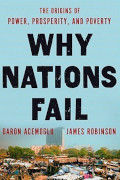
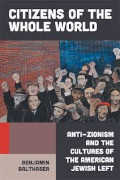
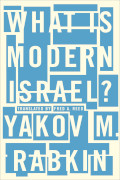
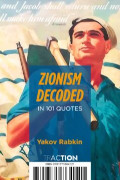
The inescapable conclusion is that Israel never has wanted peace and normal relations, least of all with the people who lived in Palestine before the Zionists came. They won't allow any form of Palestinian state because they fear that might legitimize claims on the land they took, mostly by force. But they also won't allow it because practically speaking it would be the end of settlement building -- the unifying purpose of Zionism from its founding in the 1880s up through the latest hilltop outposts in the West Bank. That sense of mission is reinforced by the deep-seated fear that anti-semitism is so endemic around the world that Jews will always be endangered, and that only strong militarism stands between Jews and doom. Four books together give you a coherent picture:
But the main point of the ad wasn't to explain why the Palestinians didn't have a state. The main point is that we shouldn't entrust them with a state now or any time in the indefinite future. The reason has something to do with the assumption that anywhere Arabs (or Iranians -- still Israel's biggest bugaboo) get the chance they jihadist terrorists, thereby increasing the danger to "Israel, the Middle East's only democracy and bastion of Western freedoms." Their conclusion (originally italics):
As the books cited above show, Israel has never acted "in good faith" to allow the creation of a Palestinian state. (In 1948-50, Israel made sure that the sections of mandatory Palestine not under Israeli military control would be controlled by foreign powers -- Egypt and Transjordan -- and not recognized as Palestinian. In 1967 Aziz Shehadeh advanced a plan for an independent Palestine that would recognize Israel, but Israeli political leaders buried the idea. In Israel's 1979 peace treaty with Egypt, Menachem Begin promised to allow Palestinian "autonomy" but never did anything to implement it. The 1994 Oslo Accords did set up a framework for limited Palestinian self-government, but Israeli leaders -- especially Netanyahu and Sharon -- repeatedly reneged on promises and denied autonomy. Please forgive the Nazi analogy -- variations on occupation governments come from a limited palette -- the present Fatah government in Area A of the West Bank is about as autonomous as the Quisling and Vichy regimes in Norway and France, while Gaza is little more than an open-air prison, not unlike the Warsaw Ghetto.) Most recently, in Netanyahu's latest campaign he made a big point of insisting that if elected he would never allow a Palestinian state to come about. Israeli politicians have rarely come out so explicitly -- indeed, Netanyahu started walking back his statements as soon as the votes were counted -- in large part because American politicians are so attached to the idea that Israel/Palestine can be partitioned into two independent states (the so-called "two state solution"). The good faith of those Americans is harder to judge: they seem to be less cynical but are so gullible to the Israeli's arguments that they not only invariably fail, they sometimes wreck their own professed plans. (See Rashid Khalidi: Brokers of Deceit: How the US Has Undermined Peace in the Middle East for many examples.) Most often this has to do with Israel's "requirements that would assure Israel's security and survival" -- most notably presented as planks in the 2001 and 2009 "offers" that were effectively "poison pills" (items inserted into a bill or proposal that are so unpalatable they lead to rejection of the whole deal). For example, Israel often insists its security depends on keeping control of the Jordan Valley, but that would not only impinge on Palestinian independence, it would isolate Palestine from Jordan and the world, effectively leaving the country under Israel's thumb. If the US were at all an "honest broker" Americans would flag such debilitating planks as unserious, yet you almost never see evidence of that. Likewise, Israel's oft-repeated claim to be "the Middle East's only democracy" is worse than a cliché: nearly half of the people living within Israel's effective borders are not allowed to vote or accorded civil rights -- a minimal definition of a democracy -- and even when some "Palestinian citizens of Israel" are allowed to vote, an informal cartel of Zionist parties makes sure that they will never participate in an Israeli government. Admittedly, evidence from Arab implementations of democracy isn't very inspiring. Lebanon has been democratic for a long time, but the French left a system of "confessionalism" there meant to enforce ethnic power-sharing but often conducive to civil war. The US imposed a less explicit but effectively equivalent system on Iraq, with comparably bad effects. The Palestinian Authority's elections up through 2006 were relatively competitive, but when the wrong side won in 2006 the US and Israel effectively scuttled the system. Similarly, Egypt's democratic experiment was prematurely squashed by a US-backed (Israel-friendly) military coup. On the other hand, the Arab nations that the US counts as its allies are dictatorships -- Saudi Arabia, Jordan, the Gulf emirates, and Egypt (now that dictatorship has been restored): clearly we are more comfortable dealing with oligarchs, even fanatically Islamic ones (like Saudi Arabia) provided they (mostly) control their people and keep them from attacking Americans. FLAME's pitch, like most Israeli hasbara, is aimed at stoking American prejudices although it reveals more about Israeli ones. We are encouraged to take democracy as a common bond between civilized Israel and America, but also as something Arabs can't be trusted with: give them the vote and they'll just vote for someone who doesn't like us (like Hamas, or the Moslem Brotherhood in Egypt, or ISIS in Syria/Iraq). Of course, you've heard that line before: from every colonial power in history, as well as the segregationists in South Africa and Dixie. In other words, the whole pitch reeks of racism. Worse than that, it doesn't allow for any improvement. The old saw is that "democracy is the worst form of government, except for all the rest" -- I recall this attributed to Churchill (who won when he seemed to be most useful, and lost when he proved to be most useless -- but at least democracy saved the British people from having to kill him off, and gave Churchill yet another chance). Democracy can certainly be perverted, but it is a resilient system that allows for non-violent change, adaptation, and evolution. Had democracy been allowed to continue in Egypt, it's likely that Morsi's abuse of power (if that's what it was) would have been curbed by various checks and balances. (Of course, they could have been better designed into the constitution, but virtually no one has gotten it all right out of the box.) Aside from its intrinsic racism, FLAME's argument suffers from two fatal flaws. One is that with few exceptions the most violent strains of jihadism were directly created by war and/or repression. Zawahiri and his pre-Al-Qaeda group, for instance, were forged in Egypt's jails, and the same was true of Zarqawi in Jordan and many others. I figure Osama bin Laden to be an exception: a man of great wealth and standing, what turned him was his sense of the hypocrisy of the Saudi royals. The ability of Al-Qaeda and ISIS to generate independent cells all over the Sunni Muslim world is a result of Saudi-exported salafism on top of political systems that do not allow non-violent reform. Democracy is the antidote here: extremism isn't worth the trouble if a non-violent path to reform is possible. Secondly, democracy is the great moderator of extremism. Israel should have been delighted when Hamas decided to participate in elections -- even if that decision did not coincide with one to forswear violence, the net effect was to move toward positions which would be more reconcilable, not least by gaining more of a stake in the status quo. Same with Hezbollah in Lebanon. Israel and the US have partially undone Hamas' move toward moderation by rejecting Hamas electoral wins and by continuing to demonize Hamas as a terrorist group. But the fact is that the only way to end a "war on terrorism" is to convince the "terrorists" to give up armed struggle and to participate in the political system. Israel has its own reasons -- its own logic and, if you look at FLAME, evidently its own facts -- here. They don't want to end their "war on terrorism," so they'd rather keep Hamas as an enemy than work with them. (A policy which, by the way, may change if Israel can replace Hamas with a more villainous enemy. I read a recent piece where an Israeli general argues that Hamas may be the most effective means to fighting ISIS, which is starting to appear as a problem: the point being that Israel will still have enemies, even if they change -- as happened before when the PLO ceased to be Israel's main enemy and gave way to Hamas.) Militarism has become a way of life in Israel, and they're enjoying it way too much to let a few rockets and an occasional stabbing bother them. Then there's the whole identity question for Israel. David Ben Gurion famously decreed that "only what the Jews do matters." Nearly every nation in the world includes a mix of peoples and has to figure out some way for them to coexist, but Israel is close to unique in how the political, economic, and military dominance of its Jewish population allows it to set up and maintain a closed caste system. Those privileged by this system see and feel no need to dismantle it -- at least unless they realize how out of step it is with the rest of the world, and how counterproductive and dehumanizing it is. As you should be able to see from this ad, Israel has developed a powerful, systematic, and seductive (for some people, mostly white Americans and Europeans) ideology which only serves to perpetuate inequality, injustice, hatred and belligerence in the Middle East. For Israeli Jews such arguments are merely self-serving, like the stock line that "God gave us the land of Israel." American interests aren't so narrow, and Americans don't get sucked through a draft where the "chosen" are indoctrinated in their specialness and the belief that their survival depends on fighting forever. One thing we should have learned by now is that life under war is vastly more difficult than life under peace. Also that peace is achievable through mutual respect, economic fairness, and a willingness to participate in a just order. And that such a society is capable of benefiting far more people than one that lapses into war. Unfortunately, the political people in the United States who are in policy positions seem to be incapable of thinking beyond the old games of factional division of power relationships. (Not coincidentally, many of those people are effectively on Israeli payrolls.) In doing so they've made the Middle East a much more dangerous and destructive place than it needs to be. They are, at present, responsible for a number of civil wars that should be resolved in democratic power sharing agreements. And they are also responsible for a number of dictatorships that are future civil wars in the making. Their wars and their economic inequities have produced millions of refugees and have depressed the entire region for the benefit of a few ridiculously rich individuals and corporations. And they've left millions of people with little or no hope -- including a tiny percent so disaffected they're willing to kill themselves to register an objection. While many of "us" are so insensitive (or desensitized) we'll never even notice, nor understand if really bad luck means we do. Ask a question, or send a comment. Tuesday, May 12, 2015 Rhapsody Streamnotes (May 2015)Two days short of a month since April's column. As I approach the end of each column, I think I should hustle around and round up something special I haven't publicized before, but I've only added six albums since the latest Music Week, and it's just as possible that the most timely adds (Rhett Miller, Best Coast) got rushed. Playing Kamasi Washington as I write this, at least partly to forestall adding anything else late -- it's a 3-CD debut called The Epic which is sure to try my patience, but that can wait for later. I won't bother repeating my comments from the last four Music Week columns, but check them for more info on, e.g., why I bothered with all those old Charles Lloyd albums. I will remind you that reviews with no bracketed source (e.g., "[cd]") are things I found on Rhapsody (hence the column name). As of Jan. 2014 I folded what was previously Jazz Prospecting into here, figuring that my share of jazz promos was declining and would continue to diminish. Still, I have 45 [cd] tags in the following, 4 more [cdr], but no [dl] -- a tag indicating a download link, usually something publicists prepare and send out. There should be more of the latter -- Lord knows I get 5-10 in emails per day, but the extra hassle rarely seems worth the trouble. (Actually, I do have quite a bit of new ECM piled up. But for me at least, the hassle is not just in the downloading but also in the playing. And I still don't have that Jack DeJohnette that everyone likes so much.) These are short notes/reviews based on streaming records from Rhapsody. They are snap judgments based on one or two plays, accumulated since my last post along these lines, back on April 14. Past reviews and more information are available here (6396 records). Recent Releases
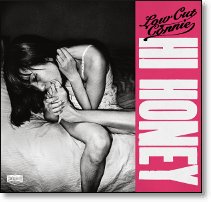
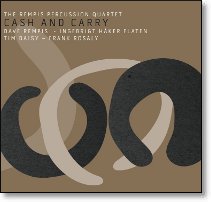
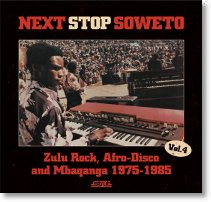
Tony Adamo: Tony Adamo & the New York Crew (2015, Urban Zone): Does something he calls "hipspokenword" -- a fast-paced narration-commentary set against a fast swing rhythm, with trumpet (Tim Ouimette) and alto sax (Donald Harrison) for accents and swirls. You get a capsule history of several decades of jazz, plus some Pablo Picasso stories. Four previous albums, so maybe this isn't sui generis, but it's close. B+(***) [cd] Alabama Shakes: Sound & Color (2015, ATO): Alabama group with a black female singer-guitarist who does a remarkable Otis Redding impression, originally a covers band and not far beyond that on their debut, but this album makes a strong move toward finding their own sound. I'm duly impressed, especially on the title song, but not consistently so, and sometimes they get on my nerves. B+(*) Harry Allen: For George, Cole and Duke (2015, Blue Heron): A batch of Gershwin, Porter, and Ellington standards, played by the tenor saxophonist, backed by Ehud Asherie (piano), Nicki Parrott (bass), and Chuck Redd (drums and vibes), and Little Johnny Rivero (percussion, three cuts), with the seductive Parrott singing three tunes. Lovely, but perhaps a little too easy. B+(***) Dmitry Baevsky: Over and Out (2014 [2015], Jazz Family): Alto saxophonist, mainstream guy, from St. Petersburg in Russia, based in New York, fourth album -- only other one I've heard was his second, Down With It (2010), superb. Three originals, most of the rest shows a jazz pedigree -- a Jobim, a Monk, two Ellingtons. Very facile with a lovely tone, he continues to impress. A- [cd] Juan Pablo Balcazar: Reversible (2013 [2015], Fresh Sound New Talent): Spanish bassist, sets up attractive rhythms for piano trio with Marco Mezquida and Carlos Falanga, then adds tenor saxophonist Miguel "Pintxo" Villar for some added color. B+(**) Perry Beekman: S'Wonderful: Perry Beekman Sings and Plays Gershwin (2015, self-released): Guitarist-singer, based in the old Borscht Belt, third album of standards (pecking order was Cole Porter, then Rodgers & Hart). Great songs. Not so great singer. Accompanied by Peter Tomlinson (piano) and Lou Pappas (bass). B [cd] Thomas Bergeron: Sacred Feast (2015, self-released): Trumpet player, don't know if he's related to big band specialist Wayne Bergeron but after this record I should be able to tell them apart. "Inspired by the music of Olivier Messiaen" -- his previous album did something similar with Debussy -- who like most classical composers is mostly a namecheck to me. Melodies have some promise, and the trumpet is neatly woven in, but Becca Stevens' diva act is a huge turnoff. C+ [cd] David Berkman: Old Friends and New Friends (2014 [2015], Palmetto): Pianist, ten albums since 1995 although he seems to have stalled after 2004. Three saxes here -- Dayna Stephens, Billy Drewes, Adam Kolker -- plus bass (Linda Oh) and drums (Brian Blade). B+(**) Best Coast: California Nights (2015, Harvest): California duo, Bethany Cosentino and Bobb Bruno, third album as they try to update, or just slog behind, LA's pop legacy. Too much wall of sound for me to hear anything clearly or sort any of it out. If they've gotten deeper, tell me. If they've just gotten louder, forget it. B+(*) Pat Bianchi Trio: A Higher Standard (2015, 21-H): Organ, guitar (Craig Ebner), drums (Byron Landham) trio. Standards are mostly jazz fare, but start with "Without a Song" and end with Stevie Wonder, sneaking in two Bianchi originals. B+(*) [cd] Nicki Bluhm & the Gramblers: Loved Wild Lost (2015, Little Sur): When a review suggested a back-to-the-country '70s hippie sound, I flashed on Joy of Cooking which isn't off by much. Real attractive sound, but the songs still need some sorting -- may just be that Joy was lead by two distinctive women whereas the Gramblers are led by the singer's husband. B+(**) Joshua Breakstone: 2nd Avenue (2014 [2015], Capri): Guitarist, has close to twenty albums since 1983, subtitles this one "The Return of the Cello Quartet" -- meaning Mike Richmond on cello, Lisle Atkinson on bass, and Andy Watson on drums. Mostly jazz standards, with one original each from Breakstone and Atkinson -- the former include an "I'm an Old Cowhand" cribbed from Sonny Rollins. B+(*) Chicago Reed Quartet: Western Automatic (2014 [2015], Aerophonic): Saxophone quartet with the occasional clarinet thrown in: Nick Mazzarella (alto), Dave Rempis (alto, tenor, baritone), Mars Williams (sopranino, soprano, alto, tenor), and Ken Vandermark (tenor, baritone, clarinet, bass clarinet). Lot of action especially on the baritone. B+(**) [cd] Christine and the Queens: Saint Claude (2015, Neon Gold, EP): French group, or duo, or maybe just Héloïse Létissier, debut album (Chaleur Humaine) popped up on French EOY lists last year. Five cuts, 18:38. B+(**) Ciara: Jackie (2015, Epic): Soul singer, still under 30 but she's been around more than a decade and this, named after her mother, shows signs of advance and maturity, not to mention tighter songwriting and stiffer resolve. She's not always a "bad motherfucker," but can rise to the occasion. B+(***) Steve Coleman and the Council of Balance: Synovial Joints (2014 [2015], Pi): Alto saxophonist, former M-Base impressario, comes up with a 21-piece orchestra (counting vocalist Jen Shyu, fair because she just blends in) that feels rather smaller, often playing a unison line that rarely shakes the idiosyncratic beat. Remarkable stuff, although I'm not that much of a fan. B+(***) [cd] Marilyn Crispell/Gerry Hemingway: Table of Changes (2013 [2015], Intakt): Piano-drums duo, recorded live at various spots in Europe. Third album by the Duo since 1992, although they go back further to Anthony Braxton's famed 1980s Quartet (with Mark Dresser). The knockabout opener is as remarkable as anything the format gets -- cf. Cecil Taylor and Irène Schweizer with various drummers -- and while they don't sustain that intensity, they serve up plenty of interesting variations. A- [cd] Dead Sara: Pleasure to Meet You (2015, Pocket Kid): Hard rock band from LA, singer is Emily Armstrong (also on rhythm guitar), lead guitarist is Siouxsie Medley, with males filling in on bass and drums. Pretty good tune sense and a no shit attitude, but hard rock remains the opposite of nimble, and I'm not a volume person. B+(*) Death Grips: The Powers That B (2014-15 [2015], Electro Magnetic/Harvest, 2CD): From Sacramento, sort of a trash metal group lead by math rock drummer Zach Hill plus a rapper, Stefan Burnett nudging them into hip-hop or plain old brutality. I've never cared for them, still don't, but their noise attack is not without interest. Album incorporates last year's downloadable, Niggas on the Moon, with its Björk samples, not that I noticed much difference. The second disc is Jenny Death. B+(*) Michael Dees: The Dream I Dreamed (2014 [2015], Jazzed Media): Classic crooner, has been hired to fill in where Frank Sinatra was called for but unavailable (e.g., for HBO's The Rat Pack documentary, and for a Simpsons episide. Past 70, but doesn't seem to have much recorded. Surprise here is that he's doing all originals, while keeping the sound down pat. Mostly backed by Terry Trotter's piano trio, with a little sax from Doug Webb (aka Lisa Simpson). B+(***) [cd] Roberta Donnay & the Prohibition Mob Band: Bathtub Gin (2015, Motéma Music): Former singer for Dan Hicks & His Hot Licks does another batch of 1920s standards. B+(*) Dave Douglas: High Risk (2014 [2015], Greenleaf Music): There was a buzz in jazz circles a decade or so ago over something called jazztronica. The main source was Thirsty Ear's (or should I say Matthew Shipp's) Blue Series, but many others dabbled, especially trumpet players (who could look back to Miles Davis, or forward to Nils Petter Molvaer), including Douglas, who resumes his interest with this quartet: Jonathan Maron (electric and synth basses), Mark Guiliana (acoustic and electric drums), and Shigeto (electronics). Still, I don't think I've ever heard electronics employed with such restraint, so what you get is elegiac trumpet, often quite lovely, over an indecipherable haze. B+(**) [cd] Harris Eisenstadt: Golden State II (2014 [2015], Songlines): Drummer-composer, originally formed this as a sort of chamber jazz group around his wife's bassoon (Sara Schoenbeck), with Nicole Mitchell on flute and Mark Dresser on bass. Second album was recorded live in Vancouver, with clarinet (Michael Moore) instead of the flute. B+(***) [cd] Lorenzo Feliciati: Koi (2015, Rare Noise): Electric bassist, sometimes fretless, also plays guitar, keyboards, and does some programming here. Core group is a bass-keyb-drums trio, but there's also a horn section and various guests. Fusion, but much more going on. B+(***) [cdr] Hugo Fernandez: Cosmogram (2014 [2015], Origin): Guitarist, not sure where he's originally from (more specifically than "the American continent") but studied in New Orleans and at Berklee, moved to Madrid in 2006. Second album, quartet with tenor and soprano sax (Ariel Bringuez), bass (Antonio Miguel), and drums (Antonio Sanchez). Straight postbop, a little grit in the sax. B+(**) [cd] Oleg Frish: Duets With My American Idols (2014 [2015], Time Out Media): Russian singer, entertainer, TV personality, member of the International Brotherhood of Magicians, moved to New York in 1992, reputed to sing in 24 languages. American idols? Connie Francis introduces, followed by Peggy March, Ben E. King, B.J. Thomas, Chris Montez, Lainie Kazan, Tony Orlando, Melissa Manchester, Lou Christie, Bobby Rydell ("Volare") -- it's hard to doubt a foreigner whose taste in Americana runs to such kitsch. B+(***) [cd] Ghost Train Orchestra: Hot Town (2013 [2015], Accurate): Trumpeter Brian Carpenter's third dive into "music from 1920's Chicago and Harlem, with a group more postmodernist than antiquarian: Dennis Lichtman, Andy Laster, and Petr Cancura on reeds, Curtis Hasselbring on trombone, Cynthia Sayer on bajo, Ron Caswell on tuba, and when they want to break out the train sounds Colin Stetson drops in on bass sax. Mazz Swift's two vocals aren't high points, but her violin adds something beyond trad. B+(***) [cd] Ben Goldberg: Orphic Machine (2015, BAG): Clarinetist, has a substantial discography since 1991, describes this as his "most ambitious project" -- seems a fair assessment. The nine-piece band is intricate and precise, more tightly controlled than you'd expect with improvisers like Myra Melford and Nels Cline. Only three horns -- Rob Sudduth's tenor sax adds depth and Ron Miles' trumpet shine -- with violin and vibes in the mix. Violinist Carla Kihlstedt also sings, the lyrics from the late poet/critic Allen Grossman (1932-2014), a mentor of Goldberg's. B+(***) Ayelet Rose Gottlieb: Roadsides (2014, Arogole Music): Canada-based Israeli vocalist offers this "possible peaceful vision of the Middle-East through a wise arrangement of Israeli and Palestinian poetry" (quote from Eyal Hareuveni's review), sung in Hebrew (with English trots in the package I don't have), so much of that I'll have to take on faith. Anat Fort's piano is delicate and precise, Ihab Nimer adds oud and violin, and the band includes guitar-bass-drums. B+(***) Rich Halley 4: Creating Structure (2014 [2015], Pine Eagle): Tenor saxophonist from Portland, has created an impressive body of work since he retired from his day job. Quartet with Michael Vlatkovich on trombone, Clyde Reed on bass, and son Carson Halley on drums. His sax intro is as impressive as ever, and when the trombone enters they bat things around at a furious pace. I wondered whether the ending was too much -- reportedly this is all free improv, by-product from another session -- but after many plays it fit right in. A- [cd] Lauren Henderson: A La Madrugada (2015, self-released): Latin-tinged jazz singer from Massachusetts, has Latin roots and sings several songs in Spanish, wrote more than half the bunch (including the four Spanish titles). Jazz combo includes two trumpets and alto sax, but doesn't have much more than the usual Latin tinge. B+(**) [cd] Hu Vibrational: Presents the Epic Botanical Beat Suite (2014 [2015], MOD Technologies): A group of seven drummers, principally Adam Rudolph, credited with "compositions and organic arrangements" -- the only other name I recognize is Brahim Fribgane, whose favored drum is cajon (none of the seven use a trap set). The rhythm is as pleasant as one could imagine, and "special guests" (most famously Eivind Aarset on guitar and Bill Laswell on electric bass) add some tinsel. B+(***) [cd] José James: Yesterday I Had the Blues: The Music of Billie Holiday (2015, Blue Note): Nine songs well remembered from Holiday's songbook, saving "God Bless the Child" and "Strange Fruit" for last. James is sauve and tasteful, and the band is far more understated than you'd expect from Jason Moran, John Patitucci, and Eric Harland. B+(*) Tyler Kaneshiro & the Highlands: Amber of the Moment (2013 [2015], self-released): Trumpet player, based in New York, first album, intricately (and sometimes lushly) layered postbop, with Chad Lefkowitz-Brown on tenor sax, both guitar and piano, bass and drums. Stefon Harris produced. B+(**) [cd] Kirk Knuffke: Arms & Hands (2015, Royal Potato Family): Cornet player, has been very prolific since 2007, especially in group or supporting roles -- his website lists 11 "upcoming in 2015" albums, three under his own name, and notes four more recorded but not yet scheduled. This is a trio with Mark Helias on bass and Bill Goodwin on drums, with guest spots for Brian Drye (trombone), Daniel Carter (alto sax), and Jeff Lederer (soprano/tenor sax). The Ernest Tubb closer "Thanks a Lot" is a delight. B+(***) Heikki Koskinen/Teppo Hauta-Aho/Mikko Innanen: Kellari Trio (2011 [2015], Edgetone): Finish group, translates as Cellar Trio (founded in Hauta-Aho's cellar), trumpet-bass-alto sax respectively although all play related instruments (trombone-cello-bari sax/flute) and get credits for percussion. Still, short on beat, feel close to chamber jazz but less classical than horror soundtrack. B+(*) [cd] Urs Leimgruber/Jacques Demierre/Barre Phillips: 1 - 3 - 2 - 1 (2012 [2015], Jazzwerkstatt): Avant sax trio, with Demierre on piano and Phillips on bass, the leader playing tenor and soprano. Fifth group album since 2001, the leader having a couple dozen since 1983. Title simplified above -- it actually includes various symbols and arrows. RAther abstract and not particularly gripping. B Charles Lloyd: Wild Man Dance (2013 [2015], Blue Note): Six-part suite commissioned by Jazzlopad Festival in Wroclaw, Poland, where this was recorded live. The saxophonist brought a piano trio for backup -- Gerald Clayton, Joe Sanders, Eric Harland -- and picked up Sokratis Sinopoulos on lyra and Miklos Lukacs on cimbalom, who set up the eerie opening texture. Builds powerfully when the old man gets on his horn, but you get a lot of set up before much happens. B+(**) Joe Locke: Love Is a Pendulum (2014 [2015], Motéma Music): Vibraphonist, prolific since 1990, supplements his piano-bass-drums quartet (Robert Rodriguez, Ricky Rodriguez, co-producer Terreon Gully) with guests -- notably Rosario Giuliani on alto sax and Donny McCaslin on tenor, but also bits of guitar and steel pans and a Theo Bleckmann vocal -- for some sprightly and exceptionally complex postbop, most interesting when the timing gets slippery. B+(***) [cd] LoneLady: Hinterland (2015, Warp): Julie Campbell's second album, her early work described as "art-punk," perhaps moderated by working on an electronica label although her song craft remains sharp and pointed. B+(***) Lord Huron: Strange Trails (2015, Iamsound): Originally from Michigan, now based in LA where their indie folk shtick has picked up resonances from the Byrds to the Eagles. B+(**) Joe Lovano & Dave Douglas: Sound Prints: Live at Monterey Jazz Festival (2013 [2015], Blue Note): This comes down to chops, which is what you'd expect from two of the very top musicians on their instruments, tenor sax and trumpet, respectively. They're backed by Lawrence Fields (piano), Linda Oh (bass), and Joey Baron (drums): your basic hard bop lineup. Six pieces, two each from the leaders, plus two from Wayne Shorter to evoke the heyday of Art Blakey's Jazz Messengers. A- Low Cut Connie: Hi Honey (2015, Ardent Music/Contender): From Philadelphia, third album, AMG classifies them as "retro-rock" but I don't see them as going back so much as plundering the past with postmodernist glee. Basically a guitar band until you notice the Jerry Lee piano -- where most groups are advised to find their own distinct sound, this one revels in all of them. A- Harold Mabern: Afro Blue (2015, Smoke Sessions): Mainstream pianist, will turn 80 next year, backed by John Webber on bass and Joe Farnsworth on drums, with Eric Alexander's tenor sax on ten (of 14) tracks, Jeremy Pelt's trumpet on six, Steve Turre's trombone on four, and Peter Bernstein's guitar on one. So far, so good, but they decided to fill the album up with guest singers -- Gregory Porter, Norah Jones, Jane Monheit, Kurt Elling, Alexis Cole. The only one of those I would have kept was Jones, and maybe just on "Fools Rush In." B The Magic Words: The Day We Ran Away (Magic Words Demos) (2015, self-released): Lisa Walker (of Wussy fame) side project, released a very limited edition album (Junk Train in 2006, recycled as a digital album last year. No info on when these demos were done, but only one song ("Watch Yer Back" in two takes) reappears. Demo-quality sound, rather down in the dumps. B+(*) [bc] Phil Maturano: At Home Everywhere (2015, self-released): Drummer-led piano trio -- actually two, one with Matthew Fries and Phil Palombi, the other with Christian Torkewitz and Michael O'Brien or Irio O'Farril -- four (of nine) pieces by the drummer, one by Fries, others from jazz sources (Shorter, Gillespie, Carrisi). First album. Leader pushes them hard. B+(*) [cd] Donny McCaslin: Fast Future (2014 [2015], Greenleaf Music): Terrific tenor saxophonist, at least when he gets to blast through a solo on someone else's record. His own albums tend toward fancy postbop, but keyboardist Jason Lindner steers this toward dance grooves, which sort of confuses everyone. B+(*) Barney McClure: Show Me! (2014 [2015], OA2): Organ player, has a handful of albums since 1998, this one exceptional in that he's backed by a full big band (Central Western University Jazz Band, conducted by Chris Druya), mostly Phil Kelly arrangements. They breathe some fresh life into the old humdrum. B+(*) [cd] Metallic Taste of Blood: Doctoring the Dead (2015, Rare Noise): Led by Eraldo Bernocchi (guitars, electronics), second group (bass-drums-keybs) album since 2012. Bass-heavy lead riffs, far short of heavy metal in intensity, which is to say more bearable, some kind of fusion form. B+(**) [cdr] Marcus Miller: Afrodeezia (2015, Blue Note): Funk bassist, has a couple dozen albums since 1983, nothing I've paid much attention to but this one has some prestige due to the label and his recent "work as a UNESCO artist for peace." Core group with sax, trumpet, piano, guitar and drums, plus a long list of guests climaxing with Chuck D. Album has its moments: "Papa Was a Rolling Stone" is one tune which holds up to the minimal bass fuzz technique, Ben Hong's Bizet feature is lovely, and Mocean Worker creats a soft cell for D's short rap. B+(*) Rhett Miller: The Traveler (2015, ATO): Leads a pretty decent alt-rock band called Old 97's since 1992 but has a half-dozen solo albums, some pretty good (too), most with titles like this (The Instigator, The Believer, The Dreamer, a covers album The Interpreter). The solos are a bit lighter, more keyb than guitar. This starts off remarkably jaunty, but my one-spin intuition is that the songs won't stick. B+(**) Allison Moorer: Down to Believing (2015, E1): Country singer/songwriter, ninth album since 1998, has a credit in all the songs here except for the John Fogerty cover. Recently divorced from Steve Earle -- never struck me as a match but this one is much stronger than her last few (e.g., "Mama Let the Wolf In"). B+(**) The Mowgli's: Kids in Love (2015, Republic): L.A. pop group, named after a dog named after a Kipling Jungle Book character, with a gratuitous apostrophe noted on Wikipedia as "sic." Seven players, boy and girl lead singers and everyone joining in the crowd choruses. When I was growing up irony provided a refuge for art, but these days you're more likely to hear that irony is dead, so maybe it's time someone made something out of such earnestness. I might have hated them forty years ago -- indeed, I recall groups like them then -- but they're one of the few things that make me feel good about kids today. Wonder if they know Kipling's a notorious racist? I'm sure they'd be appalled. A- Brad Myers: Prime Numbers (2014-15 [2015], Colloquy): Guitarist, second album (at least), in a quintet with tenor sax (Ben Walkenhauer), vibes (Chris Barrick), bass and drums. Has a background playing funk, but this is straight up postbop, with nice little accents. B+(*) [cd] Pascal Niggenkemper: Look With Thine Ears: Solo (2014 [2015], Clean Feed): Bassist, describes himself as German-French, based in New York, has a few records under his own name, more as PNTrio and Baloni. This is solo, bass and "preparations" which set loose a wide range of industrial klang, some quite captivating. B+(**) [cd] Michael Oien: And Now (2014 [2015], Fresh Sound New Talent): Bassist-composer, first album, postbop quintet leads with guitar (Matthew Stevens), layering the piano (Jamie Reynolds) and alto sax (Nick Videen), adding an extra tenor sax (Travis Laplante) on the third song for a high point. Three "Dreamer" parts follow, where the bass comes back into focus. B+(***) [cdr] Opus: Definition (2014 [2015], BluJazz): Jazz quintet from Wisconsin, look like they've been around a while but first album I can find. Electric guitar, bass, and keybs, plus Curt Hanrahan on woodwinds (four saxes and quite a bit of flute). B [cd] Mario Pavone: Blue Dialect (2014 [2015], Clean Feed): Bassist, has a couple dozen albums since 1982. This is a piano trio, with Billy Mitchell and Tyshawn Sorey, and it's lively, inventive, what you'd hope for in a piano trio. Still, after four or five plays, this never did more than impress me. I wondered if maybe it's that "problem" I have with piano trios, but I looked it up and found I gave Pavone's previous piano trio, 2013's Arc Trio, an A-. That one was with Craig Taborn and Gerald Cleaver. B+(***) [cd] Peach Kelli Pop: Peach Kelli Pop III (2015, Burger, EP): Third short album (10 songs, 20:24) for Allie Hanlon's lo-fi punk/pop project, this one assembled as a band. B+(*) Plunge: In for the Out (2014 [2015], Immersion): Third group album I've been filing under trombonist Mark McGrain, who dominates even with two saxophones, aided no doubt by Kirk Joseph on sousaphone. Robert Walter moves things along with a funk groove on organ. B+(*) [cd] Protoje: Ancient Future (2015, Indiggnation Collective/Overstand): A young reggae artist, gets something of the traditional sound with a more contemporary sheen. Interesting how something so basic still sounds so compelling. A- Jure Pukl: The Life Sound Pictures of Jure Pukl (2014, Fresh Sound New Talent): Saxophonist (tenor, soprano) from Slovenia, has a couple albums, this one recorded in New York with Sam Harris (piano), Adam Rogers (guitar), Joe Sanders (bass), and Rudy Royston (drums). Strong driving originals, a solo (tenor) take on "Lush Life," a guest vocal by Sachal Vasandani. B+(**) Billie Rainbird: Deep Blue (2015, Phantom): Canadian singer-songwriter, also does some modeling and acting, figures this her "major album" debut, produced by drummer Simon Phillips who keeps it rocking hard. B+(*) [cd] The Rempis Percussion Quartet: Cash and Carry (2014 [2015], Aerophonic): Dave Rempis, first noticed on alto sax when he replaced Mars Williams in the Vandermark 5, where he was so impressive he started crowding Vandermark out of the tenor sax slot (plays some impressive baritone here too). Fifth album by his two drummer (Tim Daisy and Frank Rosaly) quartet, with Ingebrigt Håker Flaten on bass. Basically a blowing session, recorded live at the Hungry Brain in Chicago -- what more could you ask for? A- [cd] Gloria Reuben: Perchance to Dream (2014 [2015], MCG Jazz): Canadian actress, from Toronto, parents from Jamaica (mother black, father Jewish), had a role on ER for six years. Wikipedia lists 19 films and 14 television series she appeared in, but no records. Standards (but not very), arranged by trombonist Jay Ashby, her voice grows on you. B+(**) [cd] Eve Risser: Des Pas Sur La Neige (2013 [2015], Clean Feed): Solo piano, mostly prepared, but goes for long stretches at a barely audible level -- makes it hard to focus or say anything, although the plucked strings and klang are not without interest. First album, after a half-dozen side credits since 2009. B [cd] Claire Ritter: Soho Solo (2014 [2015], Zoning): Solo piano, mostly original pieces plus one by Ran Blake and one by Harold Arlen. Takes some time to settle in, but I particularly liked her The Stream of Pearls Project (2011), so gave it the extra spins. B+(***) [cd] Harvie S/Sheryl Bailey: Plucky Strum (2014 [2015], Whaling City Sound): Bass-guitar duets, the former, oft-misspelled Mr. Swartz well established even under his adopted name, the latter a guitarist with eight (or so) albums since 1995. Not as amusing, or as light, as the cover suggests. B+(*) [cd] Marta Sánchez Quintet: Partenika (2014 [2015], Fresh Sound New Talent): Pianist from Madrid, Spain, debuts with a "New York Quintet" including two saxes (Jerome Sabbagh and Román Filiú), bass and drums. Postbop, the saxes adding to the pervasive sense of flow. B+(**) [cd] Nisse Sandström Quintet: Live at Crescendo (2014 [2015], Moserobie): Swedish tenor saxophonist, b. 1942, not as well known as Bernt Rosengren but their 1984 album together was titled Summit Meeting. Quintet includes a second tenor, the much younger Jonas Kullhammar, an avant player with respect for his elders -- his superb Gentlemen from last year included a few cuts with Rosengren. Mainstream, a friendly pairing, reminds me of those Al Cohn-Zoot Sims soirées. B+(***) [cd] Elliott Sharp: Octal: Book Three (2013 [2015], Clean Feed): Solo guitar, third in this series but there must be dozens in Sharp's vast catalogue. Manages both to coax unusual sounds from the instrument and to marshall them in unexpected ways, but they feel like sketches, almost as if he were presenting assignments for his I Never Meta Guitar series colleagues to follow up on. B+(***) [cd] Shlohmo: Dark Red (2015, True Panther Sounds): Henry Laufer, LA beatmaker, goes for shrill synths to open but soon finds one of the more compelling rhythm runs of recent times. B+(***) Adam Shulman Sextet: Here/There (2014 [2015], OA2): Pianist, has a few records, Sextet includes trumpet and two saxes, good enough for the usual range of postbop sonorities. B [cd] Skrillex/Diplo: Skrillex and Diplo Present Jack Ü (2015, Mad Decent/OWSLA): I've seen the artists listed both ways, in and out of the title. Skrillex provides his usual outlandish sonic fireworks, but at least they have some content to support -- presumably thanks to Diplo, although all but the intro have feat. credits -- Justin Bieber, Bunji Garlin, 2 Chainz, etc. Tatum says this is a "nonstop pleasure machine." B+(***) Steve Smith and Vital Information NYC Edition: Viewpoint (2011 [2015], BFM Jazz): Fusion/crossover drummer, called his 1983 debut Vital Information and has enjoyed that as a band name ever since -- the qualification suggesting some recent personnel juggling. Indeed, only bassist Baron Browne and guitarist Vinny Valentino return from previous albums; the newcomers are Mark Soskin (keybs) and Andy Fusco (alto sax), with tenor saxophonist Walt Weiskopf joining for a couple cuts. Aims less for pop jazz than for its own classic status, including covers of "Bemsha Swing," "Take Five," and "Oleo." B+(*) [cd] Mavis Staples: Your Good Fortune (2015, Anti, EP): Produced by Jeff Tweedy, four songs, 14:05: a first-rate protest anthem in "Fight," one on luck, one on death, one on God, each brought with the conviction of one of the great gospel singers. B+(***) Sult: Svimmelhed (2014, Humbler/Conrad Sound): Norwegian group, two contrabasses, acoustic guitar, percussion -- third album, more like experimental noise than jazz although I don't doubt an improvisational element. B+(**) [cd] Tal National: Zoy Zoy (2015, Fat Cat): Group from Niger, second album (at least outside of Niger), brings the Sahara's spare desert aesthetic to more sophisticated sources, triangulating between Senegal's ever-shifting Afro-Cuban rhythms and Kinshasa's junkyard percussion -- fancy and crude at once, and overpowering. B+(***) Toro y Moi: What For? (2015, Carpark): Chez Bundick, from South Carolina, cranks up the Beatles-ish harmonies for his fuzzy electropop. B+(*) Boubacar Traoré: Mbalimaou (2014 [2015], Lusafrica): Guitar and vocals from a Malian (and Parisian) singer-songwriter, with a soft touch and reassuring but resonant voice, about as basic as desert blues can get. B+(**) John Tropea: Gotcha Rhythm Right Here (2014 [2015], STP): Guitarist, cut his first album in 1975 after side credits with Deodato and Billy Cobham, may explain the heavy disco vibe to his "gotcha rhythm" here. B- [cd] Tyler, the Creator: Cherry Bomb (2015, Odd Future): After two records where Tyler Okonma seemed intent on establishing his own peculiar twist on juvenilia, he's growing up a bit. Still not ready to emerge clearly from the murk, but now he's wondering if murk isn't its own reward. B+(*) Viet Cong: Viet Cong (2015, Jagjaguwar): Guitar band from Calgary, had an EP last year that got some attention but I thought undistinguished. On their debut album here, however, they have a coherent sound, a fast-paced metallic clang and drone, just one that has yet to generate substantial songs. B+(**) Eli Wallace/Jon Arkin/Karl Evangelista: Cabbages, Captain, & King (2014 [2015], Edgetone): Cover just has title, so a good case can be made for that as the group name, but I cribbed the artist name off the hype sheet and prefer the extra information. Besides, this is very much Wallace's album, all compositions his, his piano much more prominent than Evangelista's guitar or Arkin's drums. Eloquent, too, and develops some edge. B+(***) [cd] Katharina Weber/Fred Frith/Fredy Studer: It Rolls (2014 [2015], Intakt): Piano-guitar-drums trio, although it's less than obvious that Frith's unexpected sounds come from a guitar. Weber is Swiss, from Bern, with a couple previous albums. Her piano provides a solid center here; less sure what to make of Frith. B+(**) [cd] Daniel Weltlinger: Koblenz (2012-13 [2015], Rectify): Violinist, from Australia with "French-Hungarian-Israeli" roots, goes for a gypsy jazz vibe, rotating many guest-collaborators in and out, including a guitarist named Lulo Reinhardt. B+(**) [cd] Ben Williams: Coming of Age (2014 [2015], Concord Jazz): Bassist, second album, won one of those Monk prizes which condemns you to record for Concord. Group includes both guitar and piano aiming at their least common denominator, middleground melodic mush, and he gets surprisingly little out of Marcus Strickland. The guests, including vocalist Goapele, add little, not that I didn't enjoy W. Ellington Felton's "Toy Soldies" rap. B- Dwight Yoakam: Second Hand Heart (2015, Warner Brothers): Strikes not one but two rockabilly poses on the cover, and truth is he rocks this album harder than ever before, while his voice still has enough twang to hold his audience -- and if that doesn't work, he covers "Man of Constant Sorrow." I should be pleased, but mostly I'm just annoyed. B Young Fathers: White Men Are Black Men Too (2015, Big Dada): Not really fair to judge this on one spin, but I don't feel like giving it another, even hearing things that are new and pathbreaking. Nominally a hip-hop trio from Edinburgh, there is little rap here -- murk more like Black Messiah done up by Death Grips. Title song, by the way, is more qualified: "some white men" which strikes me as something else. [OK, gave it a second spin, and nudged it up a little.] B+(**) Young Guv: Ripe 4 Luv (2015, Slumberland): Solo project from Fucked Up guitarist Ben Cook, eschews the group's post-hardcore sound for a sprightly beat and some guitar jangle while kicking the vocals into a much sweeter register. B+(***) Zubatto Syndicate: Zubatto Syndicate 2 (2015, Boscology): Fourteen-piece big band from Seattle led by guitarist Andrew Boscardin, group includes two brass, three saxes, five other reeds including oboe and two bassoons, electric keybs -- instrumental prog rock more than anything else, not that I feel like dissecting it. C+ [cdr] Zun Zun Egui: Shackles' Gift (2015, Bella Union): UK funk-metal-worldbeat-pop group from Bristol, led by Mauritian singer-guitarist Kushal Gaya and Japanese keyboardist Yoshino Shigihara. B+(*) Recent Reissues, Compilations, Vault Discoveries
Art-i-facts: Great Performances From 40 Years of Jazz at NEC (1973-2008 [2010], New England Conservatory): A little scattered, but they must have had tons of material to pick from, so eclecticism is diplomacy. The lineup reads like a hall of fame of jazz education -- George Russell, George Garzone, Gunther Schuller, Bob Brookmeyer, Jimmy Giuffre, Steve Lacy, Rakalam Bob Moses, Ran Blake -- with the fine print filled by students (probably some famous names there too). Highlights include Garzone showing us how to play Coltrane, and Schuller dredging up old ragtime. B+(***) [cd] James Booker: Gonzo: Live 1976 (1976 [2014], Rockbeat, 2CD): The fanciest of New Orleans pianists, dead young at 43 in 1983, his thin catalog mostly recorded live with these sets from Germany adding a couple hours -- redundant in some cases, remarkable in most. A- Wild Bill Davison: The Jazz Giants (1968 [2015], Delmark/Sackville): Cornet player, came up in Eddie Condon's group, his first recordings under his own name in 1943 for Commodore (cf. The Commodore Master Takes, collected in 1997 by GRP and highly recommended). Standard trad fare here, a sextet with Herb Hall on clarinet, Benny Morton on trombone, and Claude Hopkins on piano, his own tone towering and shining. A- [cd] Dion: Recorded Live at the Bitter End August 1971 (1971 [2015], Omnivore): Author of many doo wop hits in the late-1950s, Dion DiMucci had a notable second act as a folksinger -- see Bronx Blues: The Columbia Recordings (1962-1965) -- and a couple not completely unsuccessful comeback years later (2012's Tank Full of Blues is one of the better ones). Tempting to say this is where he hit bottom, but that's the inevitable thinness of solo performance, with just his acoustic guitar for comfort. Only reprises two of his hits far down the set list, but finds something in "Too Much Monkey Business" much weightier than what Chuck Berry had in mind. B The Kingbees: The Kingbees (1980 [2015], Omnivore): Rockabilly revival band led by Canadian-born Jamie James, who went on to release a couple solo albums after two group albums. This is the first, the original ten cuts (two covers, Don Gibson and Ahmet Ertegun) expanded to eighteen cuts -- the last three show them to be a first-rate cover band ("Bo Diddley," "Not Fade Away," and a "Somethin' Else" uncannily echoing the Flaming Groovies version from a decade earlier). B+(**) Bob Marley & the Wailers: Easy Skanking in Boston '78 (1978 [2015], Island/Tuff Gong): Possibly the beginning of a flood of live Marley on top of the two live albums released in his lifetime -- the magnificent Live (1976) and the tedious Babylon by Bus (1978) -- this at least delivers greatest hits with a little extra heat, and reminds me that while they yearned for peace they didn't expect it to come easy. Probably packaged with a DVD, which I haven't seen (and probably never will). A- Next Stop Soweto, Vol. 4: Zulu Rock, Afro-Disco and Mbaqanga 1975-1985 (1975-85 [2015], Strut): This series has generally tried to stay off the beaten path that produced such classic compilations as The Indestructible Beat of Soweto (five volumes), The Kings and Queens of Township Jive, and Soweto Never Sleeps, the result being second-rate trivia. Same here, but the rock and disco here is deliriously derivative, transposing familiar riffs into an alternate universe where they become iconic. Fun, too. A- PC Music Volume 1 (2013-15 [2015], PC Music): Sampler from a UK label, ten short songs (29:46) by seven artists (two each by Hannah Diamond, A.G. Cook, and GFOTY), mostly cartoonish dance-pop with "high-pitched, cutesy female vocals." B+(**) Punk 45: Burn Rubber City, Burn! Akron, Ohio: Punk and the Decline of the Mid West 1975-80 (1975-80 [2015], Soul Jazz): A relatively small scene, but it produced Chris Butler and Ralph Carney and their bands (Tin Huey, the Waitresses), Devo, the Bizarros, Rubber City Rebels, Jane Aire, Chi Pig, a few more -- nice to see them rounded up like this. B+(***) Punk 45: Extermination Nights in the Sixth City: Cleveland, Ohio: Punk and the Decline of the Mid West 1975-82 (1975-82 [2015], Soul Jazz): My recollection was that Cleveland was always a bit less populous than Baltimore, and by 1975 Houston (and possibly others) were larger, but Cleveland's bona fides were such that they built a Rock & Roll Museum there. The obscure punk bands archived here were sharp as tacks, and Pere Ubu was brilliant (for some reason Rhapsody omits two Pere Ubu cuts plus one from the related Rocket From the Tombs -- songs I know so well I can fill them in from memory; beware they're also missing from the MP3 release). A- Leroy Smart: The Don Tells It Like It Is . . . (1972-77 [2013], Kingston Sounds): Prolific reggae musician -- Discogs credits him with 39 albums and 368 singles, and lists this as a compilation, with Bunny Lee as producer, Jackie Mittoo on piano, Sly & Robbie the rhythm. Still, I was only able to track down half the songs, some (like "Pride and Ambition") appearing several times, some with variant titles (e.g., "Man Is Great" vs. "Man Is So Great"), so my dates are little more than a guess -- the main clue being that Smart started producing himself in 1977. B+(***) Old Music
James Booker: Junco Partner (1976, Rounder): First record by the New Orleans "piano wizard," shows his classical pedigree by opening with a Chopin waltz, then moves on to "Goodnight Irene," "On the Sunny Side of the Street," "Make a Better World," and a medley that wraps it all up and throws in the kitchen sink. Sings some, too, which isn't his forte. B+(**) Jaki Byard and the Apollo Stompers: Phantasies II (1988 [1991], Soul Note): A cutting-edge postbop pianist usually heard in small groups, surprisingly comes up with a retro-flavored big band, complete with singers Vincent Lewis ("June Night") and Diane Byard ("Send in the Clowns"). B+(**) King Curtis & Champion Jack Dupree: Blues at Montreux (1971 [2005], Atlantic/Rhino): Basically, the New Orleans piano blues master's standard set, something he started working out in the 1940s -- see New Orleans Barrelhouse Boogie (1940-41 [1993], Columbia/Legacy) -- and aged like fine wine up to 1991's Forever and Ever (Bullseye). But the tenor saxophonist was built to play blues riffs, and he not only answers every line Dupree feeds him, he elicits some spectacular piano. A- Ben Goldberg: Eight Phrases for Jefferson Rubin (1996 [1998], Victo): In memory of Jefferson Darrow Rubin (1959-95), a sculptor and childhood friend of Goldberg's. Clarinet, with Larry Ochs (tenor/soprano sax), John Schott (guitar), bass and drums. A little flighty at first, but Ochs pushes it over to the free side. B+(**) Coleman Hawkins/Henry "Red" Allen: Reunion in Hi-Fi: The Complete Classic Sessions (1957-58 [2009], Lone Hill Jazz, 2CD): Rhapsody has a different cover and subtitle (Complete 1950s Studio Recordings), drops Allen from the credit, and lists the label as Plenty Jazz, but it looks to match this set from the Fresh Sound subsidiary. Hawkins and Allen met in Fletcher Henderson's orchestra and recorded together in 1934, hence the reunion. Hawkins moved on through bebop in the 1940s, so this is one of his few later trad-oriented recordings: indeed, the first disc is a session that was originally released under Allen's name as Ride, Red, Ride (1957) and reissued as World on a String (1991, RCA -- I gave it a full A). The second disc includes three sessions, released on two LPs and collected as Standards and Warhorses (1987, Jass). I gave the latter a B, but no longer hear much drop off. For Allen's classic work, see his 1929-30 New York Orchestra (two volumes on JSP), his 1930s recordings on Collector's Classics (four volumes, especially the first), and his 1933 with Hawkins, but he never sounded better than on the first disc here. Hawkins was always great. A- Charles Lloyd: Discovery! (1964, Columbia): After associations with Chico Hamilton and Cannonball Adderley, the tenor saxophonist's first album, a quartet with Don Friedman on piano, Eddie Kahn or Richard Davis on bass, J.C. Moses or Roy Haynes on drums. Reveals an impressive new "voice" on tenor sax. Also a guy who plays more flute than is warranted. B+(**) Charles Lloyd: Nirvana (1962-65 [1968], Columbia): Skipping past Of Course, Of Course (I have the 2006 Mosaic reissue, a very solid A-), Lloyd's third (and last) Columbia album didn't appear until his Atlantic success. Album is split: Side A is attributed to "Charles Lloyd & His Quintet" but sources credit Gabor Szabo, Ron Carter, and Tony Williams (or Pete LaRoca); Side B is an older 14:38 track from Lloyd's tenure with the Chico Hamilton Quintet (also with Szabo). B+(**) The Charles Lloyd Quartet: Dream Weaver (1966, Atlantic): The saxophonist had already cut three albums for Columbia (including the excellent Of Course, Of Course), but this was the first on Atlantic and his first with these young future all-stars -- Keith Jarrett (21), Cecil McBee (31), and Jack DeJohnette (24). My main quibble is that Lloyd opens and closes on flute. B+(***) Charles Lloyd: Forest Flower: Charles Lloyd at Monterey (1966 [1968], Atlantic): Lloyd's early tenor sax style was often dismissed as "Coltrane light" but he takes that as a badge of courage here, and even shows a nice ballad style. Keith Jarrett and Jack DeJohnette are rarely short of brilliant, and Cecil McBee's bass ties it all together. A- The Charles Lloyd Quartet: The Flowering of the Original Charles Lloyd Quartet (1966 [1971], Atlantic): Drawn from two live dates in France and Norway (the latter also the source for Charles Lloyd in Europe). Seems like a lot of flute here: one plus is that it doesn't overwhelm the very bright rhythm section. B+(**) The Charles Lloyd Quartet: Charles Lloyd in Europe (1966 [1968], Atlantic): Live set, recorded Oct. 29 in Oslo, Norway, again with Jarrett-McBee-DeJohnette. All Lloyd originals this time, starting with two name-checking India ("Tagore" and "Karma"). B+(**) The Charles Lloyd Quartet: Love-In (1967, Atlantic): Recorded live at the Fillmore in San Francisco, the cover wrapped in day-glo, a plunge into the hippie market with pieces like "Tribal Dance" and "Temple Bells," a Beatles cover, two pieces by enfant terrible pianist Keith Jarrett, and a blues jam. Sounds a little thin, but a credible attempt to sell avant-jazz to the masses. Ron McClure replaces Cecil McBee on bass. B+(***) The Charles Lloyd Quartet: Journey Within (1967, Atlantic): More from the Fillmore, and more scattered, with some upbeat boogie/blues, more avant edge, especially on the cut where Jarrett jumps in on soprano sax -- always a scary proposition. B+(*) The Charles Lloyd Quartet: Charles Lloyd in the Soviet Union (1967 [1970], Atlantic): Recorded live in Tallinn in the Estonian SSR, four longish cuts totalling 47:54 -- by all reports a very successful tour by one of the period's most successful jazz groups. All of Lloyd's 1960s albums have leaned avant, but he's rarely come out as aggressively as here. And when he does back off (actually, switch to flute) Jarrett is quick to pick up the slack. B+(***) Charles Lloyd: Soundtrack (1968 [1969], Atlantic): Actually, another live quartet album, this one from Town Hall in New York City. Four pieces, a Latin groove on the 10:26 opener and a rockish one on the 16:51 closer, both busting open by Jarrett and DeJohnette -- soon to leave Lloyd for Miles Davis, then go on to major careers as leaders (although DeJohnette wound up playing in Jarrett's Standards Trio for more than thirty years). B+(***) Paul Motian: The Story of Maryam (1983 [1984], Soul Note): Rhapsody, which has a habit of misfiling records on Black Saint and Soul Note, lists this under Joe Lovano. Motian led a long-term trio with Lovano and Bill Frisell, expanded here to quintet with Jim Pepper on tenor/soprano sax and Ed Shuller on bass. B+(**) Paul Motian Quintet: Jack of Clubs (1984 [1985], Soul Note): Same group, better balance, which is to say Frisell's guitar and Pepper's soprano sax are more evident, amplifying the warped indeterminacy of Motian's zen beat. But wanders more too. B+(**) Manfred Schulze Bläser Quintett: Nummer 12 (1985 [1986], FMP): German baritone saxophonist (1934-2010), only led a handful of records. For this one he assembled a sax choir (two sopranos and a tenor) plus Johannes Bauer on trombone, a wild card as usual. One 40-minute piece, split on the original LP. B+(**) [bc] Leroy Smart: Superstar (1977, Justice): First proper album after a number of singles, produced by Bunny Lee, engineered by King Tubby and Prince Jammy, effectively the confluence of all those sources with due respect to Jah. But for a singles artist he doesn't seem to have a well developed feel for the hook. B+(**) Stooges Brass Band: It's About Time (2003, The Gruve Label): New Orleans brass band, formed by Walter Ramsey in 1996 after seeing Rebirth Brass Band and thinking he could do the same thing only hipper and more raucous. Group's still kicking around, with some recent live albums I've looked for but haven't found. Stumbled on this debut. Horns owe more to Fred Wesley than to Kid Ory, the polyrhythms run amok, the raps fall short of state of the art. B+(**) Cecil Taylor Workshop Ensemble: Legba Crossing (1988 [1989], FMP): One of eleven CDs released from the avant-jazz pianist's big month in Berlin, a ten piece orchestra with flute, oboe, three saxes, trombone, violin, piano (Paul Plimley, not Taylor), bass, and drums, plus Trudy Morse's voice, with Taylor directing the controled chaos. B+(***) [bc] Additional Consumer News:I went with the original LP lineups for Charles Lloyd's Atlantics above. They have been much reissued on CD, often in "twofer" (2-on-1) formats. I have one combining Journey Within with In Europe (1966-67 [1998], Collectables), and a 2-CD combination of Dream Weaver and Love-In released as Just Before Sunrise (1966-67 [1999], 32 Jazz, 2CD). Collectables also released twofers of Soundtrack/Charles Lloyd in the Soviet Union (1999), and The Flowering of the Original Charles Lloyd Quartet/Warne Marsh (1999), the latter having nothing to do with Lloyd. A better deal is Forest Flower/Soundtrack ([1994], Rhino/Atlantic) -- currently the easiest way to find the former, and the latter drops off very little. Ask a question, or send a comment. Monday, May 11, 2015 Music Week
Music: Current count 24940 [24909] rated (+31), 402 [407] unrated (-5). Did a count check late last night and was at 29 -- tempting to cut off there since that seems to be my number, but I filed two more discs before getting around to reshuffling the bits this afternoon. I made some progress sorting through the CDs in my work area, finding a lot of things I haven't seen in years -- even some CDs that I never managed to list in the database. Still have five baskets on the floor for sorting, but that should reduce to one for the incoming queue, or I might even manage to slip them into a mostly empty shelf right in front of me. Next step after that will be to clear off the desktop clutter. When I was working, I used to regard anyone with a clear desk as unproductive (to say the least), but it is nice to periodically get to the bottom of it all and clear out the most useless crud. This week's new jazz mostly confirms old favorites, although I should note that five former A-list artists fell a bit short (David Berkman, Steve Coleman, Dave Douglas, Claire Ritter, Elliott Sharp; I haven't heard anything previous by Nisse Sandström, but Jonas Kullhammar is on the record). The Coleman and Douglas records will certainly have their fans, and will fare better in year-end polls than Crispell/Hemingway or Rempis. As for old jazz, Red Allen's World on a String (RCA) is an old favorite, and accounts for the first half of the Hawkins/Allen compilation. Turns out I had heard, and almost certainly underrated, nearly all of the rest. I've often shied away from playing Fresh Sound's reissues -- often things like 4 LPs on 2 CDs -- on Rhapsody because it's hard to focus over such length. (At least with real CDs it's normal to absorb box sets piecemeal, but the extra work that demands when streaming usually defeats me.) Otherwise, they have a lot of recent releases that would tempt me (that I might even buy if the dollar was stronger and I was in an acquisitive mood): especially the 4-CD Lars Gullin: Portrait of the Legendary Baritone Saxophonist: Complete 1956-1960 Studio Recordings -- based on what I've heard, quite possibly a solid A. They also have two collections of George Russell's early work: the 2-CD Complete 1956-1960 Smalltet & Orchestra Recordings and the 4-CD Sextet & Septet: The Complete 1960-1962 Decca & Riverside Album Collection. You can find grades for most of the constituent LPs in my database, starting with the solid A (and long out-of-print) 1956 Jazz Workshop. Most of the non-jazz below was suggested by Spin's Overlooked Albums Report. I didn't A-list anything there, but Ciara and LoneLady came real close, followed by Shlohmo and Young Guv. Nothing bad on Spin's list. I've started to include some limited grade info in the 2015 Music Tracking file, although there's little chance that I'll keep it up to date. Does help to give me hints as to what to look for. Expect a Rhapsody Streamnotes tomorrow (or something like that). Draft file currently has 118 records, so if anything it's overdue. Note that I'm probably two (maybe three) weeks away from crossing the 25,000 rated albums mark. New records rated this week:
Recent reissues, compilations, and vault discoveries rated this week:
Old records rated this week:
Grade changes:
Unpacking: Found in the mail last week:
Ask a question, or send a comment. Sunday, May 10, 2015 Weekend RoundupWe had four or five straight days this week of "elevated" severe weather threats. Most of the real damage took place in Oklahoma and north Texas, but we did have one EF-3 tornado on the ground for 15 miles near Rose Hill, about ten miles west of here. Rain itself has been spotty, and most likely we're still below average year-to-date. More surprising to me is Tropical Storm Ana appearing a month ahead of the Atlantic hurricane season -- the earliest such storm since 2003. Wikipedia says the forecast for hurricanes this year is about 20% below the 1950-2014 average, but such an early storm strikes me as ominous. This week's scattered links:
Also, a few links for further study:
Ask a question, or send a comment. Monday, May 4, 2015 Music Week
Music: Current count 24909 [24889] rated (+20), 407 [404] unrated (+3). Rated count fell significantly this week. I'd like to blame it on Rhapsody, which did one of those redesign things "to give you a better experience" and got rid of the "Browse" option. My modus operandi of late has been to play a new CD when I'm not at the computer -- the stereo is set up to play in the kitchen/dining room and basement as well as in my office space -- then look on Rhapsody when I know I'm going to be on the computer for a while. Sometimes I have something I've searched for there, but often I just browse to see what pops up. Except I can't do that any more. I've written two angry letters. Maybe it's time to drop them and pick up Spotify? My experiments with the latter were far from satisfactory, but that was with their "free" account. I've never found much difference in what's available, so it's mostly a choice between one sucky/piggy UI and another. But there's another reason for the rated count drop. I've spent several days on a woodworking project: building a wheeled cabinet on which I'll mount my cheapo Ryobi router table (basically designed as a table-top unit, although it's really too high on top of a full workbench). Got it assembled and a first coat of paint on it. Should take another coat plus some touch-up and a handle, so a couple days (depending on weather). I've never done much with it (or any of my routers), although it should be a sweet setup. Does at least get it off my floor, and adds a storage drawer which should be more than enough to hold all my router bits. Organization of the tools areas is if anything a more pressing need than clean up of books or CDs. Probably a week away from May's Rhapsody Streamnotes (tempted to drop the brand name there). Currently have 75 records in the draft file. Four (of six) A-list records this week come from scrounging through the Expert Witness notices -- Booker from Christgau, Protoje from Gubbels, Marley and King Curtis/Champion Jack Dupree from Phil Overeem. I got hep to Rich Halley many years ago. I don't think the new one is his best, but it may be the hardest, and after six or seven plays I gave up my reservations. As for Davison, I still hold that the old jazz is the real jazz. A cornet player, he's a name I'm familiar with but haven't listened to much -- shows up mostly on Eddie Condon records -- but he sounds brilliant here, even way past his prime. Someone to look into deeper. No time for Weekend Roundup yesterday. No telling when the tweet reviews will resume. New records rated this week:
Recent reissues, compilations, and vault discoveries rated this week:
Old records rated this week:
Unpacking: Found in the mail last week:
|