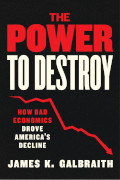
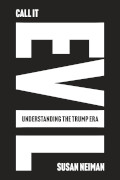
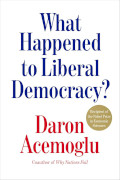
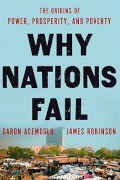
|
An occasional blog about populist politics and popular music, not necessarily at the same time. LinksLocal Links Social Media My Other Websites Music Politics Others Networking Music DatabaseArtist Search: Website SearchGoogle: Recent Reading
Music DatabaseArtist Search: Website SearchGoogle: |
Blog Entries [810 - 819]Monday, January 22, 2018 Music Week
Music: Current count 29219 [29181] rated (+38), 373 [367] unrated (+6). Before we get to music, I want to point out Leonard Pitts' column trying to sum up what Donald Trump, his enablers and fellow travelers have wrought in just one year. This would have fit neatly as a coda to yesterday's Weekend Roundup:
Almost fifty years ago I read an essay, "The Obvious," by R.D. Laing, which pointed out that different people have very different notions of what's obvious. This resonated with a word I had recently learned from John N. Bleibtreu's book about cognitive differences between different species, The Parable of the Beast (1968). The word was Umwelt, from the German, the world around oneself. Everyone sees a limited slice of the world, at best tenuously connected to other people's slices, and that's been a limitation since time immemorial. Epistemologists like Kant struggled to find interlinked forms beneath the appearances, but there's a more empirical way to show how external changes affect and limit our understanding of the world. Given that our comprehension of the world is achieved and articulated through a prism of language, we generally find ourselves trapped in a world spun by mass media. Hence, overexposure to Trump normalizes him, and changes us. I'm not at all sure this is deliberate -- ineptness seems more plausible -- but it is strangely effective. But I am sure that there are many forces which seem to subtly shape our environment in ways that serve their purposes and preclude chances for alternatives -- in business, politics, religion, etc. For instance, I have a book on the shelf in front of me by Philip Mirowski called Never Let a Serious Crisis Go to Waste, about the 2008 financial meltdown and recession, and more specifically how the crisis, which should have totally discredited neoliberal economic theory, resulted in virtually no real change -- mostly because no one in a position of power could see their way around those beliefs. Obama's election in 2008 represented a desire for change, but it wasn't accompanied by any real change in the way Democrats thought about such basic issues as economics and war. Listened to quite a few records last week, informed by numerous EOY lists (notably including one from Jason Gross), yet I didn't find much to recommend. I did dig into a bunch of Soul Jazz compilations, which might have fared better if I had the booklets (usually pretty good) to go along with the music. The two A-list records I did come up with turned out to be 2016 releases. The Village Voice has published a list of the top 100 albums and top 50 singles from its Pazz & Jop Critics Poll, plus two essays: one by Robert Christgau, Personal, Political, and Otherwise: King Kendrick Rules Pazz & Jop; the other by Sasha Frere-Jones, Cardi B: In Control of Pazz & Jop Singles. I don't see complete totals, individual ballots, or critic comments, as in previous years, and I don't see any statistical analysis over at Glenn MacDonald's Furia site, which has been an invaluable resource in recent years (2008-2016). We don't even have such basic information as who voted. I'll hold off on commenting on Pazz & Jop and my own EOY Aggregate until next week, by which point I should have stopped fiddling with the latter. I've been working on bringing Robert Christgau's website up to date. In my private copy, I now have all of the Expert Witness monthlies up to last week, and I have all of those stuffed into the database. I'm still a day or two away from updating the website, but have squirreled away two files of EW entries in the hopes that someone with better eyes might take a look at them and spot errors. See January 2017-June 2017 and July 2017-January 2018. Email me directly or webmaster (which comes to me). Please excuse the broken style sheet and other links. The update will also include a 2017 Dean's List (not published at Village Voice). One of the tasks I have left to do is to format that and hook in the links. New records rated this week:
Recent reissues, compilations, and vault discoveries rated this week:
Old music rated this week:
Unpacking: Found in the mail last week:
Ask a question, or send a comment. Sunday, January 21, 2018 Weekend RoundupThis week marks the first anniversary of Trump's inauguration as president, or as we're more inclined to note: one year down, three more to go. Supporters like to tout the economy, especially the record high stock market -- something which affects few Americans, but at least partially reflects things Trump has actually done, like turning a blind eye to corruption, and slashing corporate tax rates. Supporters also point to low unemployment and marginal wage growth, two trends that started before Trump but at least he hasn't wrecked yet. Also, Trump's approval ratings have seen a slight uptick over the last month, but he is still way under water, with by far the worst ratings of any first-year president since they've been measuring. I'm not sure where Herbert Hoover ranks: by the end of his first year the stock market had crashed and the Great Depression started, but even three years later, with conditions worsening, Hoover's vote share was higher than Trump's approval ratings. Perhaps economic indicators are overrated? Or maybe it's just that most people aren't feeling part of the much touted growth? What little wage growth there has been most likely gets sucked up by higher prices -- oil, for instance, is up sharply, while help like food stamps is being cut back. But most likely most of us have yet to be hit with the full impact of Trump's regulatory and tax shifts. Moreover, much of what Trump's minions have done over the last year simply increase risk -- something you may not notice and won't have to pay for until it's too late. The most obvious risk is war with North Korea, which hasn't happened but could break out with shocking speed. Other risks, like withdrawal from the Paris Accords on global warming, will necessarily play out slower, but could be even harder to reverse. In between, it's a pretty sure bet that increasing inequality and deregulation will create financial bubbles which will burst and turn into recession. Other instances of risk increase include EPA changes which will increase pollution, changes to Obamacare which will reduce the number of people insured, and continued reduction of educational opportunities -- as the future becomes ever more dependent on people with technical skills, those skills will become rarer (well, except for immigrants, but Trump's working on curtailing them too). Some scattered links this week:
Ask a question, or send a comment. Monday, January 15, 2018 Music Week
Music: Current count 29181 [29150] rated (+31), 367 [368] unrated (-1). Initial calculation came out at 24 new ratings, surprisingly low. Still, the list below only comes to 26. I looked through the unrated list and found the discrepancies, plus a few others, nudging me over the thirty mark. That should have been easy given the weather and the availability of EOY lists suggesting things to check out. Still, main reason I didn't get more done was the Danny Fox Trio album, which I must have listened to 7-8 times. Came out pretty much as I surmised from the first play, but I couldn't come up with anything to write -- indeed, I don't seem to have any vocabulary to describe what I was hearing. Very frustrating. Also must have played Gregory Lewis at least five times -- a surprise, but I noticed several critics jumped the gun and listed this 2018 release on their 2017 Jazz Critics Poll ballots. One record with some upside potential that only got two plays was Big K.R.I.T.'s double: I concluded, as far as I got, that first disc is A-, but second falls a bit short. One thing I could use some help on is proofreading updates to Robert Christgau's CG database. All of the reviews from January through June 2017 are here (please excuse the style sheet confusion). I'll add a second batch when I get it entered. Christgau is writing a Pazz & Jop piece for the Village Voice this year. Not sure when that's going to be posted, but he expressed a desire that I get his reviews up by then. (Probably won't happen this week, but odds are much better for next.) Main things to look out for are missing italics and elided words -- for technical reasons the things I'm most likely to screw up. I'm still fiddling with my EOY Aggregate file. It should correlate somewhat well with the Pazz & Jop results, but retains a relative (but not very significant) UK bias, and has a distortion that raised three Expert Witness favorites into the top twenty (Jason Isbell, Jens Lekman, Waxahatchee). I went back and spent more time on several Christgau favorites, resulting in two upgrades (Isbell, Princess Nokia), though I couldn't quite see adding them to my still short non-jazz A-list. New records rated this week:
Recent reissues, compilations, and vault discoveries rated this week:
Grade (or other) changes:
Unpacking: Found in the mail last week:
Ask a question, or send a comment. Sunday, January 14, 2018 Weekend RoundupAfter Trump made his "shit-hole countries" comment, Matt Taibbi asked on Twitter whether any president had previously said anything comparable. Not sure what he found out. My own first thought was that Thomas Jefferson probably said something less succinct but roughly equivalent about Haiti, and such views were probably very common among American politicians -- certainly as long as slaveholders remained in power, and probably much later. Indeed, GW Bush's critique of "nation building" was pointedly directed at Haiti, and the Clinton operation Bush so disparaged was primarily instigated to stem the influx of refugees from Haiti's dictatorship. (Indeed, it was Clinton who converted Guantanamo from a navy base into a prison "holding tank" for Haitian refugees.) But I do want to share one example I picked up from a tweet (by Remi Brulin). This is evidently from a transcript of a conversation between Nixon and Kissinger, from May 4, 1972:
Some scattered links this week:
Ask a question, or send a comment. Monday, January 8, 2018 Music Week
Music: Current count 29150 [29119] rated (+31), 368 [364] unrated (+4). Expected rated count would be a bit higher, given that I've mostly been working off EOY lists, but it checks out fairly well. Some quick numbers: rated count for 2017 releases: 1048; length of Jazz A-List: 80; length of Non-Jazz A-List: 55; number of new albums in EOY Aggregate: 1936; number of total albums in Music Tracking List: 2895. The ratio of Jazz/Non-Jazz A-list always starts out high, but usually balances out around by the end of January. Last year it wound up 75/67 (52.8% jazz, up to 59.2% jazz this year). If I recall correctly, in previous years it was closer to even, sometimes even favoring non-jazz. Most likely explanation is that my ratio of jazz/non-jazz grades is higher than usual: currently 673/296 (69.4% jazz), vs. 689/358 (65.8% -- closer than I expected, but still likely to explain part of the greater split). Someone pointed out on Facebook that I hadn't given a single A grade to a new release in 2017. I think it's safe to say that's never happened before, although the numbers have been declining, especially the last few years: from 2010 on { 15, 6, 7, 6, 12, 2, 3, 0 }. Several reasons occur to me: the number of physical CDs I've received has been dropping, and I've almost completely stopped buying CDs; I only listen to streamed or downloaded material while working on the computer, and when I do so it's almost something I haven't rated yet. For instance, back in 2010 I rated 133 A/A- records, of which 36 (27.0%) were streamed. This year I have 136 A/A- records, 79 streamed (58.0%). The increase in the top 30 is even more extreme, going from 2 (6.7%) in 2010 to 14 (46.7%) in 2017. Also note that the jazz split in the top 30 increased from 12 (40.0%) to 19 (63.3%). I've always thought that part of the definition of an A (vs. A-) record was that it held up over many plays over time. Indeed, in past years I routinely promoted 4-6 albums from A- to A at EOY time. This year I got crushed at deadline time and hardly replayed anything, leaving little but memory and notes to help me compile my ballots. It's probably also true that my listening time has declined a bit -- although the number of records processed this year is similar to 2010 (1009 new + 73 old music, vs. 968 new + 81 old in 2017), so maybe I'm rushing more? Of course, there are other possibilities. While it seems unlikely that there is less good music being released these days, it may well be harder to find. More likely is that my own interest is flagging, whether due to age and creeping infirmity or to general depression. Back in my twenties I discovered music to be a psychic refuge from all sorts of everyday ordeals, and that's a big part of the reason I got so deep into it. While I don't think my taste or erudition or even my memory have declined much, it does seem that music has lost a bit of its magic for me. I wouldn't be surprised if I listen to less and less in the future. But I do note an uptick in unpacking this week, so that may keep me going. I meant to write more about the EOY Aggregate files (link above), which I've kept adding to. Major adds in the last week include close to forty top-ten lists from the Facebook Expert Witness group, which has produced major spurts for Jens Lekman, Jason Isbell, Waxahatchee, and Alex Fahey (the only one without a Christgau A grade). I've also added Christgau's grades next to mine, so a mutual A- gets an 8 point boost regardless of how obscure (e.g., Matt North, Conor Oberst, Robt Sarazin Blake, Swet Shop Boys, Starlito & Don Trip, Chuck Berry). Neither of these tweaks, nor anything else, has had much impact on the top of the list, which remains: Kendrick Lamar, Lorde, SZA, LCD Soundsystem, St. Vincent, Vince Staples, The National, then a tight knot of (105-100 points): Jay-Z, Sampha, War on Drugs, Slowdive, and Perfume Genius. New records rated this week:
Recent reissues, compilations, and vault discoveries rated this week:
Old music rated this week:
Unpacking: Found in the mail last week:
Ask a question, or send a comment. Sunday, January 7, 2018 Weekend RoundupStarted collecting the Yglesias links and Taibbi on Wolff last night, and this is as far as I got today. Of Yglesias' big four stories, I left oil drilling, anti-pot enforcement, and the Pakistan aid cut on the floor: mostly didn't run across anything very good on those subjects, although that's partly because it seems like my source trawling has taken a big hit (especially since Paul Woodward's WarInContext went on hiatus). That leaves a bunch on the Wolff book, the unseemly end of the Kobach Commission, and some Iran links. Oh, and dumb Trump tricks, but that's a gimme. Of the missing stories (and, of course, there are many more than the "known unknowns"), the break with Pakistan seems likely to be most fateful. Americans have bitched since 2002 that they're not getting their money's worth in Pakistan, but Pervez Musharraf's turn against the Taliban was never popular there, especially with the ISI, and only a combination of sticks and carrots made the move at all palatable. It remains to be seen whether Trump removing the carrots will tip the balance, but renewed Pakistani support for the Taliban could make the US stake in Afghanistan much more precarious -- at worst it might provoke a major US escalation there, with pressure to attack Pakistan's border territories ("sanctuaries"), with a real risk of igniting a much larger conflagration. Probably won't come to that, but Pakistan is a country with more than 200 million people, with a large diaspora (especially in the UK), with nuclear weapons, with a military which has fought three major wars with India and remains more than a little paranoid on that front. The reasonable solution for Arghanistan is to try to negotiate some sort of loose federation which allows the Taliban to share power, especially in the Pashtun provinces where it remains popular, while the US military exits gracefully. This is unlikely to happen because the Trump administration has no clue how diplomacy works and no desire to find out. Pakistan could be a useful intermediary, so cutting them out seems like a short-sighted move. But it is a trademark Trump move: rash, unconsidered, prone to violence with no regard for consequences; cf. Syria, Libya, Somalia, Palestine, North Korea. It's only a matter of time before one of those bites back hard. Same is basically true of the offshore oil leases, but probably on a slower time schedule. It will take several years before anyone starts drilling, and there will be a lot of litigation along the way. But eventually some of those offshore rigs will blow up and spread oil all over tourist beaches in Florida and/or California. Some people will make money, at least short-term, and some will be hit with losses in the longer term, but at least it will mostly be money. That matters a lot to Trump, but less so to you and me. Less clear what the marijuana prosecution impact will be. In theory Sessions just kicked the ball down to local US attorneys, who can choose to prosecute cases or not. But a year ago Sessions initiated a purge and replaced all of Obama's prosecutors with his own, so it's likely that at least some of them will take the bait and try to make names for themselves. Meanwhile, politicization of the Department of Justice keeps ratcheting up. Trump and Congressional Republicans have renewed attacks on Sessions for failing to protect Trump from the Mueller investigation, and they've gone further to question the political loyalties of the FBI. Meanwhile the courts are increasingly being filled up with Republican hacks. The net result of all this is that people on all sides are coming to view "justice" in America as a vehicle of partisan patronage. It's going to be hard to restore trust in law once it's been abused so severely by goons like Trump and Sessions. I haven't written much about the whole Russia situation. A big part early on was the fear that neocons were just using it to whip up a new cold war, which is something they were very keen on at least as early as 2001, when Bush took office and Yeltsin gave way to Putin. With his KGB background, it's always been easy to paint Putin as bearing Cold War grudges, even more so as a master of underhanded tactics -- most egregiously, I think, in his reopening of the Chechen War. The Cold War was very good for the defense industry, and generally bad for the American people (as well as many others around the world), so I regard any effort to reignite it as dastardly. The neocons had modest success doing so during the Obama years, especially with recent sanctions in response to the Russia annexing Crimea and, allegedly, supporting separatists in eastern Ukraine. Hillary Clinton was especially vociferous at Russia-baiting, so it was no surprise that Putin favored her opponent. Trump himself had pitched numerous business ventures to Russian oligarchs, so he must have seemed to Putin like someone to deal with. Indeed, there seems to have been mutual attraction between many Republicans and Putin, possibly based on the former's admiration of strong men and contempt for democracy. It's worth noting that Russia is the only country where the ultra-rich have profited more inequally since 2000 than the United States. The second major reason for resisting the post-election claims of Russian interference has been how it was used by Clinton dead-enders as an excuse for losing the 2016 election. Their desperation to blame anyone but the candidate has blinded them to the real lessons of the campaign's failure. (Presumably I don't need to reiterate them here.) A third reason, I reckon, is the hypocrisy of blaming Russia while ignoring Israel's much more pervasive involvement in US elections: I've seen numerous liberals describe Trump as "Putin's bitch" (most recently in Dawn Oberg's song, "Nothing Rhymes With Orange"), but if Trump's anyone's bitch, it's Netanyahu's (or more directly, Sheldon Adelson's -- who, as Philip Weiss notes in the link below put more money into the campaign than Trump himself did). On the other hand, the "Russiagate" story is sticking, and lately the focus has shifted to culprits one feels no sympathy whatsoever for. The problem isn't really collusion: Trump's people were very sloppy about their meetings with Russians, but they were sloppy and inept in pretty much everything they did. On the other hand, it sure looks like they would have colluded had they figured out how, and they were aware enough that they were overstepping bounds to lie about it afterwards -- greatly increasing their culpability. It's also clear that Flynn and Manafort had their own Russian deals, which wound up looking worse than they initially were after they joined the campaign. What Russia actually did to tilt the election toward Trump wasn't much -- certainly cost-wise it's a small drop in the ocean of money agents working for Adelson and the Kochs spent to get Trump elected. It would be a mistake to play up Russia's hacking genius, just as one shouldn't underestimate the effect of AFP's grassroots organizing. Elections are run in a crooked world -- even more so since the Citizens United ruling unlocked all that "dark money" -- but one thing that Clinton really can't complain about is not having enough money to compete. On the other hand, what "Russiagate" is making increasingly clear is the utter contempt that Donald Trump and (increasingly) the whole Republican Party have for law, justice, truth, and fairness. I don't hold any fondness for James Comey, whose own handling of the Clinton email server case was shameless political hackery, and I've actively disliked Robert Mueller for decades -- ever since he prosecuted that ridiculous Ohio 7 sedition case (which my dear friend, the late Elizabeth Fink, was a successful defense counsel on). But Trump's interference in their jobs has been blatantly self-serving -- if not technically obstruction of justice easily conveying that intent. We seem to only be a short matter of time until Trump's contempt becomes too blatant to ignore, and while I doubt that will phase his Republican enablers or his most fervently blinkered base, it should at least help bury his awful political agenda. Meanwhile, here are some other ways Trump has stunk up last week:
Ask a question, or send a comment. Tuesday, January 2, 2018 Music Week
Music: Current count 29119 [29058] rated (+61), 364 [388] unrated (-24). Initial calculation on rated count was +41, which seemed plausible enough, but when I moved the albums list from the scratch file to the notebook I counted 44, so clearly something was amiss. I went back and searched for unrated albums and found 20 I had failed to update -- obviously going back before last week, in some cases more than a year. I don't have a lot of unrated physical 2017 CDs -- maybe a dozen, including some inconvenient but still playable vinyl -- so I've been doing a lot of streaming, especially items from interesting EOY lists, and a fair number of them have been short: the Dawn Oberg is just three songs, more are legitimately EPs, and with the refocusing on vinyl a lot of regular albums clock in close to 30 minutes. I try to work faster streaming, avoiding replays unless I really feel the need to confirm a good record, and short goes faster still. December's Streamnotes went up on the last possible day, which has in turn pushed Weekend Roundup and this post a day later than normal -- three-day weekends and all that. I got a last minute Pazz & Jop invite, thanks to some strings Bob Christgau pulled. I finally did a quick sort on my Best Non-Jazz list without actually resampling anything, then slipped William Parker's Meditation/Resurrection into the top ten to maintain a little jazz cred. (Also bumps Kendrick Lamar's Damn, which I have little doubt will win without me.) I have no confidence that these are the ten best (mostly non-jazz) albums of 2017, but they are good ones, interesting ones, ones worth noting:
I don't keep track of singles, so I'm hopeless there. One idea that did occur to me was to look up anti-Trump songs. I found lists from Guardian, Mic, Pitchfork, and Rolling Stone. In the end, I picked (only seven, but I expected zero):
Obviously, could have done better had I spent more time, but top four would probably have hung on. I did manage to sample another half-dozen songs, including Fiona Apple's "Tiny Hands" and YG's "FDT" (but didn't get to Brujeria's "Viva Presidente Trump!" -- on virtually all the lists -- until too late). New records rated this week:
Recent reissues, compilations, and vault discoveries rated this week:
Ask a question, or send a comment. Monday, January 1, 2018 Weekend RoundupAs 2017 ends, I'm reminded of how sick to my stomach I was election night 2016 -- I normally stay up past 4AM, so pretty much the whole weight of the catastrophe was clear before I tried to sleep. At that point I could predict a whole series of unfortunate future events. In that regard, I haven't been especially surprised by what Trump and the Republicans have done in 2017. They've pretty much lived up to the threat they clearly posed -- the main surprises coming in the form of comic excess, like cabinet secretaries Betsy DeVos, Rick Perry, and Ben Carson. Trump himself has proven to be even more of a bloviating buffoon than he was during the campaign. And his scatterbrained reign is succeeding in one important respect where Hillary Clinton's campaign failed: through his own ineptness, he's making it clear that the real threat to most Americans these days comes from regular Republicans. One shouldn't get overoptimistic that Democrats will capitalize on that point with a resounding electoral win in 2018, but that's not as much of a fantasy as it was a year ago when Clinton et al. snatched defeat from what should have been a clearcut victory. Some scattered links this week:
Ask a question, or send a comment. Sunday, December 31, 2017 Streamnotes (December 2017)Not really ready, but had to push this out before the month and year ended. The 161 records are the most all year, topping 156 in January, even more so 144 last December. This late spurt brings the Year 2017 list to 1023 (including 11 still pending) -- nowhere near a record but a respectable quantity, I'd think. It's been a struggle as promo copies have become scarcer, but the whole year has been a struggle. I fully expected to listen to less this year, but fell back into old habits not knowing what else to do. Still accumulating EOY lists for my EOY Aggregate, which has been pretty stable almost since the beginning, but as the database grows I become aware of more things I had no awareness of previously. January, as usual, will pick up more of these stragglers. I'll freeze the Year 2017 list in late January -- probably a bit more than 2016's 1075 records, though again nowhere near record levels. As the last hours of 2017 tick away, I've failed to accomplish two fairly mechanical tasks I expected to complete: the compilation of my Jazz Guides, and an update to Robert Christgau's website. The latter is probably still a week away. No idea about the Jazz Guides -- end of January might be possible if I knuckle down, but that would require a big change from recent practice. Most of these are short notes/reviews based on streaming records from Napster (formerly Rhapsody; other sources are noted in brackets). They are snap judgments, usually based on one or two plays, accumulated since my last post along these lines, back on November 28. Past reviews and more information are available here (10531 records). Recent Releases
Espen Aalberg/Jonas Kullhammar/Torbjörn Zetterberg/Susana Santos Silva: Basement Sessions Vol. 4 (The Bali Tapes) (2016 [2017], Clean Feed): Three previous volumes listed saxophonist Kullhammar first, with bassist Aalberg and drummer Zetterberg -- perhaps because Aalberg wrote all the pieces (except for a "Javanese traditional"). Last one was recorded in Ljubljana with Jørgen Mathisen. This one in Bali with Santos Silva on trumpet, and everyone dabbling in gamelan. The Indonesian touches are hard to discern, but Kullhammar remains one of the most distinctive saxophonists working. B+(***) Aesop Rock & Homeboy Sandman: Triple Fat Lice (2017, Stones Throw, EP): Third EP collaboration, five songs, 17:41, the former's word density a plus, especially as the beats (notably piano for the opener) rise to the occasion. B+(***) [bc] Yazz Ahmed: La Saboteuse (2017, Naim): Plays trumpet and flugelhorn, describes herself as "British-Bahraini" but doesn't elaborate. Second album, has a side-credit with Radiohead and covers one of theirs here, writing all but one of the rest, more often than not with vibraphonist Lewis Wright. Some enticing Arabic rhythmic wrinkles, strong guest spots from Shabaka Hutchings on bass clarinet. B+(**) Fabian Almazan: Alcanza (2017, Biophilia): Pianist, born in Cuba, raised in Miami, also credited with electronics here, backed by bass (Linda Oh), drums (Henry Cole), and string quartet, with Camila Meza singing and playing guitar. Eleven parts to the title suite, interludes to spotlight the trio instruments, vocals arch and arty. B- Alvvays: Antisocialites (2017, Polyvinyl): Canadian indie-pop group, second album, Kerri MacLellan the key vocalist, also plays Farfisa adding an organ-like effect to the guitar-bass-drums. B+(**) Denys Baptiste: The Late Trane (2017, Edition): British saxophonist, tenor and soprano, fifth album since 1999, picks pieces from Coltrane's 1963-67 records backed by a quartet schooled in The Quartet plus "special guests" Gary Crosby (bass) and Steve Williamson (tenor sax). They get the basic idea right, revel in the deep sax search, but in their enjoyment they lose track of Coltrane's own fear and dread. B+(**) Bargou 08: Targ (2017, Glitterbeat): Named for an isolated valley where the Atlas Mountains of Algeria lap into Tunisia, "a forgotten place." A little rustic for Arabic pop, almost Saharan dry. B+(*) Courtney Barnett/Kurt Vile: Lotta Sea Lice (2017, Matador): Singer-songwriters, one from Australia, the other from Philadelphia. Last time out she released one of the best records of the 2015 -- not just my opinion there, as it finished 2nd in the Pazz & Jop poll -- while Vile (real name) is well-regarded (27th in same poll), although not much by me. No doubt she brightens up his drab songs, a pretty comfy album until it sours a bit toward the end. B+(*) John Beasley: Presents MONK'estra Vol. 2 (2017, Mack Avenue): Monk pieces done up big band style -- credits I see look like they could use more trombones, although they weigh in heavily enough, so much so that the Monkishness can get lost. Guests include Dianne Reeves singing "Dear Ruby." Beasley plays keyboards and conducts. B Ernaldo Bernocchi: Rosebud (2017, RareNoise): All joint credits, so intent is probably eponymous. Leader plays baritone guitar and electronics, joined by FM Einheit ("metals, sand, stones, tools and electronics") and Jo Quail (cello), for a gloomy, nostalgic post-industrial soundscape. B+(*) [cdr] Blushh + Maddie Ross: Split (2017, self-released, EP): Los Angeles-based DIY rockers, four songs, 11:04, two each: Blushh a guitar-bass-drums quartet with singer Shab Ferdowsi, Ross a single with a similar (same?) band, less catalogue, but more punch. B+(**) [bc] Sam Braysher With Michael Kanan: Golden Earrings (2016 [2017], Fresh Sound New Talent): Alto sax and piano duo, seems to be the former's first album, while Kanan has a single album from 2002. One Braysher original, the rest a mix of standards and early bop favorites (Parker, Dameron), ending with a brief "Way Down Yonder in New Orleans." Nothing flashy, just easy and intimate, cozy even. B+(***) Phoebe Bridgers: Stranger in the Alps (2017, Dead Oceans): Singer-songwriter from Los Angeles, first album, starts pretty slow, too wrapped in strings for folk rock, picks up enough speed to disqualify as slowcore either, but sad -- it is that, just not pathetic. B+(*) Alan Broadbent With the London Metropolitan Orchestra: Developing Story (2017, Eden River): Pianist, perhaps best known as the guy who added lushness (including string arrangements) to Charlie Haden's Quartet West. Goes whole orchestra here, dubbing his piano trio -- with Harvie S (bass) and Peter Erskine (drums) -- in separately. Five pieces by Broadbent, four by others (Tadd Dameron, John Coltrane, Miles Davis twice). Lush and gorgeous, a bit overblown. B+(*) Brockhampton: Saturation (2017, Question Everything/Empire): Music collective, hip-hop group, "the Internet's first boy band," formed in Texas, based in California, the one member I've heard of before Kevin Abstract. First of three 2017 albums, all but one of the titles four-letter words ("Heat," "Gold," "Star," etc.). B+(*) Brockhampton: Saturation II (2017, Question Everything/Empire): Growth and development, means using five-letter song titles this time -- "Gummy," "Queer," "Jello," etc., even replacing "Skit" with "Scene." B+(**) Brockhampton: Saturation III (2017, Question Everything/Empire): And on to the six-letter titles: "Boogie," "Zipper," "Johnny," with the former skits now "Cinema 1-2-3." B+(**) Peter Brötzmann/Heather Leigh: Sex Tape (2016 [2017], Trost): Second duo album together, Leigh playing pedal steel guitar, trying to make it even uglier than Brötzmann's reeds, often succeeding. Can't say that the instrument has ever been played like this before, but while she reminds me of bagpipes, that just goes to show it could be worse. B- John Butcher/Damon Smith/Weasel Walter: Catastrophe of Minimalism (2008 [2017], Ballace Point Acoustics): Live tape, on the shelf for nearly a decade -- Butcher (soprano/tenor sax), Smith (bass, samples, lloopp), Walter (percussion). Can get rough, and sometimes better for it. B+(**) Call Super: Arpo (2017, Houndstooth): British electronica producer, Joseph Richmond-Seaton, second album plus a bunch of shorter releases since 2011. The little stutter beats don't seem like much at first, but gradually they grow radiant, and even the electronic washes shimmer. A- Tyler Childers: Purgatory (2017, Hickman Holler): Country singer-songwriter, Saving Country Music's favorite record of 2017, but while he's got the traditional sound down pat -- it really does sound terrific -- the songs don't manage to stick. B+(**) Billy Childs: Rebirth (2017, Mack Avenue): Pianist, from Los Angeles, played with J.J. Johnson and Nat Adderley in the late 1970s, eleventh album since 1988. He wrote the first six tracks (one, the title track, co-written by singer Claudia Acuña), covering "The Windmills of Your Mind" and "Peace." He can be a dazzling pianist, but the productions are overkill, especially on the two vocal tracks. Saxophonist Steve Wilson has a nice run on the closer. B- Collectif Spatule: Le Vanneau Huppé (2017, Aloya): French group, "jazz acoustique," with Chloe Calleston vocals, flutes and saxophones, chromatic harp, cello, bass, two drummers -- precluding any chance this might get pigeonholed as chamber jazz. B+(**) Eva Cortés: Crossing Borders (2016 [2017], Origin): Singer from Honduras, half-dozen previous albums since 2007, wrote four (of eleven) songs, one in English. B+(*) [cd] CupcakKe: S.T.D (Shelters to Deltas) (2016, self-released): Chicago rapper, Elizabeth Eden Harris, second mixtape, not yet 20 but, as they say, "barely legal" -- leads off with rap porn like "Best Dick Sucker" and "Cool Fuck," but also raps about growing up rough and throws it all in your face. B+(**) CupcakKe: Audacious (2016, self-released): Despite the cheesecake on the cover, she dials the porn back a bit -- well, you still get titles like "Spider Man Dick" and "Cock a Doodle Doo," but also "Picking Cotton" on the evolution of slavery and "Birth Mark" like how you carry your scars, the thrills of "running with the LGBT," and how she discovered "Jesus." B+(***) CupcakKe: Queen Elizabitch (2017, self-released): Artist name Elizabeth Eden Harris, from Chicago, fourth self-released album -- Wikipedia splits calls two of them mixtapes, two "studio albums," but I doubt you can figure out which is which. Order is a bit easier, not so much because she's maturing -- still just 20 -- but over time she draws less on porn (not that "Cumshot" doesn't count here). Also her beats get louder and more cluttered. But her closing freestyle is as sharply political as anything this year. B+(**) Pan Daijing: Lack (2017, Pan): Born in Guiyang, Southwest China; based since 2016 in Berlin, first album after a couple EPs. Starts with soprano voice against presumably Chinese strings, before moving into her real calling: noise. Relatively choice cut: "The Nerve Meter." B- Kris Davis & Craig Taborn: Octopus (2016 [2018], Pyroclastic): Piano duets, two of the most accomplished pianists of their generation(s) -- Davis b. 1980, Taborn b. 1970 -- selected from three concerts. Not normally my thing, but remarkable all the way through. A- [cd] Dev: I Only See You When I'm Dreamin' (2017, Devishot): Devin Tailes, pop singer from California, second album, not all that splashy but knows when to flirt and when to break it off -- title song is about an ex, and she prefers it that way. A- Dial & Oatts/Rich DeRosa/The WDR Big Band: Rediscovered Ellington: New Takes on Duke's Rare and Unheard Music (2017, Zoho): Pianist Garry Dial and saxophonist Dick Oatts met in Red Rodney's late-1980s quintet and recorded three albums together 1989-93 as Dial & Oatts, hence the attribution. DeRosa, a longtime UNT professor, is an arranger, although Dial has a co-credit in most of the arrangements, and Oatts the rest. The Germans provide the muscle, although Dial and, especially, Oatts claims most of the solos. Delivers on the rare/unheard promise, not least by not sounding very Ellingtonian. B+(*) Angelo Divino: Love A to Z (2017, self-released): Crooner, unclear on bio but he's worked in New York and Los Angeles, wrote and sang in a piece called "Let Me Be Frank," which hardly needs to be spelled out further. Goes for sappy love songs here, with pianist Rich Eames helping out. B- [cd] Fabiano Do Nascimento: Tempo Dos Mestres (2017, Now-Again): Guitarist-singer from Rio de Janeiro, second album (in US anyhow), straddles folk and psychedelia, or maybe Brazilian folk just starts out bent like that? B+(**) FCT = Francesco Cusa Trio Meets Carlo Atti: From Sun Ra to Donald Trump (2016 [2017], Clean Feed): Recorded Nov. 23, a few weeks after the apocalyptic American election. Cusa is a drummer from Italy, discography back to 1997, someone I don't know but most likely should. Trio adds Gabriele Evangelista on bass and Simone Graziano on piano, while Atti plays sax. Titles mostly show interest in economics from Smith to Keynes, but for good measure they toss in a "wrestling bout, refereed by Roland Barthes." Still, no words, just well structured tunes with the sax sharpening the edges. A- Agustí Fernández/Rafal Mazur: Ziran (2016, Not Two): Piano and acoustic bass guitar duo, the latter producing most of the odd sounds that dominate early, before the pianist really kicks in. B+(*) Fever Ray: Plunge (2017, Rabid/Mute): Singer-songwriter Karin Dreijer, from Sweden, second solo album after her eponymous 2009 debut, although she's recorded in a number of other projects, notably the Knife (a duo with her brother). Darker and drearier than I expect in a pop record. B+(*) Nick Fraser: Is Life Long? (2016 [2017], Clean Feed): Toronto drummer, several previous albums, the best showcases for tenor saxophonist Tony Malaby, again featured here along with Andrew Downing (cello) and Rob Clutton (bass). Malaby gets in some monster runs here, too, but the cello gets a lot of space, and when the saxophonist picks the soprano to duet things can get squeaky. B+(**) Dori Freeman: Letters Never Read (2017, MRI): Folk singer, eponymous debut album last year was very striking. Remarkable voice, nothing affected but everything she does with it is completely stressless -- even a cappella. Short (28:17), but ten songs, none rushed, all satisfying. A- David Friesen: Structures (2017, Origin, 2CD): Bassist, probably deserves to be noted as a composer too, with a substantial discography from the mid-1970s on. Two sets of duets: one with Joe Manis on tenor/soprano saxophones, with Friesen also playing some piano; the other with Larry Koonse on guitar, a quiet and intimate encounter. B+(*) [cd] Champian Fulton & Scott Hamilton: The Things We Did Last Summer (2017, Blau): Piano-playing standards singer from Oklahoma, eighth album since 2007. Backed by bass and drums, gives a good showing for her piano and for Hamilton's tenor sax but feels a bit off. B+(*) Charles Gayle Trio: Solar System (2016 [2017], ForTune): Free jazz saxophonist, in his 40s before he got a chance to record in 1992, his ability to channel raw power perhaps unmatched, although for a while he seemed in danger of wearing out his welcome. Pushing 80, he's playing typically vigorous alto live in Warsaw with local bassist (Kaswery Wojcinski) and drummer (Max Andrzejewski). He also plays quite a bit of piano, here as impressive as his sax. A- [bc] Paul Giallorenzo Trio: Flow (2017, Delmark): Pianist from Chicago, leads a bright and bouncy trio with Joshua Abrams (bass) and Mikel Patrick Avery (drums). B+(**) [cd] Ben Goldberg School: Vol. 1: The Humanities (2017, BAG): Clarinet player, discography starts in 1992, sextet -- alto sax (Kasey Knudsen), trombone (Jeff Cressman), accordion/piano (Rob Reich), bass (David Ewell), drums (Hamir Atwal) -- plays six originals "and a Merle Travis hit" ("Nine Pound Hammer"). B+(**) Frank Gratkowski/Simon Nabatov: Mirthful Myths (2015 [2017], Leo): Duets, alto sax/clarinet/bass clarinet and piano, both musicians in their 50s with many free jazz albums. Good match. B+(**) Mark Guiliana Jazz Quartet: Jersey (2017, Motéma): Drummer from New Jersey, was in the group Heernt, did a duo album with Brad Mehldau. Quartet with Jason Rigby (sax), Fabian Almazan (piano), and Chris Morrissey (electric bass). Some impressive bits, but I don't care for the closing vocals. B+(*) Charlie Halloran: Ce Biguine! (2017, self-released): Trombonist, originally from St. Louis, based in New Orleans, looks beyond trad jazz, aiming "to capture the dance music of the French Caribbean circa 1950," his old-timey sound underscored by the "pops and scratches" of recording straight to 78 rpm acetate discs. B+(**) [bc] Aldous Harding: Party (2017, 4AD): "Gothic-folk" singer-songwriter from New Zealand, second album. Voice and guitar, slow and dark (probably the goth part). B Keyon Harrold: The Mugician (2017, Legacy): Trumpet player, mainstream in 2009 when Criss Cross released Introducing Keyon Harrold, but second album is something else, with funky riddims, guest vocalists, rappers, and occasional clouds of strings. Beware "Ethereal Souls," a good time to jump to "Bubba Rides Again." B+(*) Emily Herring: Gliding (2017, Eight 30): Austin singer-songwriter with an air of western swing and a few vocal quirks. B Lilly Hiatt: Trinity Lane (2017, New West): John Hiatt's daughter, based in Nashville, third album. Rocks hard for Nashville, but loses something when she doesn't. B+(**) Homeboy Sandman: Veins (2017, Stones Throw, EP): Short album, ten cuts, 24:13, seems to be the preferred length for the rapper, typically smart and low-key. B+(**) Jazzmeia Horn: A Social Call (2017, Prestige): Jazz singer from Dallas, studied at New School, won a Monk Prize in 2015, first album. mostly standards, band seems first rate but it took many clicks to come up with some names: Victor Gould (piano), Ben Williams (bass), Jerome Jennings (drums), plus horns on half of the tracks: Stacy Dillard (tenor sax), Josh Evans (trumpet), Frank Lacy (trombone). Likes to scat, and is pretty good at it. B+(**) Hvalfugl: By (2017, self-released): Danish trio: bass (Anders Juel Bomholt), guitar (Jeppe Lavsen), piano (Jonathan Fjord Bredholt). Chamber jazz, probably has some folk roots as it seems to have more in common with pre-classical than with jazz. Pretty. B+(**) Sherman Irby & Momentum: Cerulean Canvas (2017, Black Warrior): Alto saxophonist, made a splash in the late 1990s -- I recommend Big Mama's Biscuits -- half-dozen or so albums since then, some side credits including Jazz at Lincoln Center Orchestra. Leads quintet with Vincent Gardner (trombone), Eric Reed (piano), bass, and drums, plus Wyonton Marsalis and Elliot Mason drop in as guests. Still a remarkable player, enough so that I kinda wish he omitted the other horns and stretched out. B+(*) Irreversible Entanglements: Irreversible Entanglements (2015 [2017] International Anthem/Don Giovanni): "Liberation-oriented free jazz collective: Camae Ayewa (poet, also dba Moor Mother), Keir Neuringer (alto sax), Aquiles Navarro (trumpet), Luke Stewart (bass), Tcheser Holmes (drums). Group started playing at Musicians Against Police Brutality protests, and have just gotten angrier -- with good reason. A- The Jazz Passengers: Still Life With Trouble (2017, Thirsty Ear): Roy Nathanson-Curtis Fowlkes group dating back to 1987, broke up after two 1998 albums with Debbie Harry (recommended) but issued Re-United in 2010. Current edition includes vibes (Bill Ware), violin (Sam Bardfield), bass (Brad Jones, drums (Ben Perowsky and E.J. Rodriguez), plus the leaders' alto sax and trombone. No real singers but many voice credits, mixed up eclectic as ever. B+(**) Ingrid and Christine Jensen: Infinitude (2016, Whirlwind): Trumpet and alto/soprano sax, sisters, from British Columbia, with guitarist Ben Monder also getting cover credit, plus Fraser Hollins (bass) and Jon Wikan (drums). Postbop, flittering on the horizon with mirage-like shimmer. B+(**) Ryan Keberle/Frank Woeste: Reverso: Suite Pavel (2017 [2018], Phonoart): Trombone and piano, backed by cello (Vincent Curtois) and drums (Jeff Ballard). Original pieces by the leaders plus some joint improv, looking back and drawing inspiration from French composer Maurice Ravel, especially a series of piano pieces from 1914-17. The piano has some nice flourishes, but I like it better when the trombone weighs in. B+(**) [cd] King Krule: The OOZ (2017, True Panther Sounds): Archy Marshall, from London, mixes styles from punk to rap but, this time at least, slows them down and gives them a darker, more abstract cast. B Lee Konitz: Frescalalto (2015 [2017], Impulse): Alto saxophonist, probably the first major one after Charlie Parker to go off and do something remarkably different, his tone fairly described as cool but his logic markedly more complex. Still in remarkable form at 88 (when this was recorded), backed by a very capable trio -- Kenny Barron, Peter Washington, and Kenny Washington -- although they may be a bit too mainstream for him. One anomaly: a couple of Konitz vocals -- not much voice, but still musical. B+(***) Alex Lahey: I Love You Like a Brother (2017, Dead Oceans): Singer-songwriter from Melbourne, Australia, first album, what we used to call power pop, sounds great most of the time but can thicken up and stall when she slows down for melodrama. Not funny enough to catch you quick, but smart enough to keep trying. B+(***) LEF: Hypersomniac (2017, RareNoise): Initials stand for singer-songwriter Lorenzo Esposito Fornasari. Band includes some fusion/jazztronica notables -- Eivind Aarset (guitar), Nils Petter Molvaer (trumpet), Bill Laswell (bass) -- but net effect is somewhere betweel prog and the softer metals. B- [cdr] João Lencastre's Communion 3: Movements in Freedom (2017, Clean Feed): Portuguese drummer, leads a piano trio with Jacob Sacks and Eivind Opsvik. B+(**) Liebman/Murley Quartet: Live at U of T (2017, U of T Jazz): Two saxophonists, both play soprano and tenor, Dave Liebman and Mike Morley, the latter teaches at University of Toronto where the former is a visiting professor. Backed by bass and drums, also faculty. Often terrific. B+(***) [cd] Nick Maclean Quartet: Rites of Ascension (2017, Browntasaurus): Piano/synthesizer player from Toronto, quartet adds trumpet (Brownman Ali), bass, and drums. Mostly originals (one by Ali), plus four "Herbie Hancock classics" -- fairly generic fusion pieces, although the spoken word bits are pretty smart. B+(*) [cd] Christian McBride Big Band: Bringin' It (2017, Mack Avenue): Bassist, landed a major label deal for his debut in 1994 and remains a perennial poll winner fourteen albums later. Second big band effort, sixteen pieces plus a couple guests, with Melissa Walker singing two songs. Three originals, trombonist Steve Davis guests on his own song, seven covers, plenty of volume atop phat bass lines, yet it doesn't jell into anything interesting. B- Makaya McCraven: Highly Rare (2016 [2017], International Anthem): Second generation drummer, has a remix of his last album, and this one is frenetic enough I wouldn't be surprised if another remix is in the works. Nick Mazzarella adds an avant touch on alto sax, as does Ben Lamar Gay on cornet and diddley bow, with bass guitar and turntables punching up the beat. B+(***) Zara McFarlane: Arise (2017, Brownswood): British jazz singer-songwriter, "born to parents of Jamaican heritage," laps into r&b, credits stress her role as arranger, although drummer Moses Boyd shares most writing credits. Nicely crafted, but pretty close to nicheless. B+(*) Joe McPhee/Pascal Niggenkemper/Ståle Liavik Solberg: Imaginary Numbers (2015 [2017], Clean Feed): McPhee opens on pocket trumpet before switching to tenor sax. picking up strength as he works through three improv pieces, backed by bass and drums, visiting Brooklyn from Europe. B+(***) Gary Meek: Originals (2017, self-released): Tenor saxophonist, sixth album since 1991, surprised not to find him in my database, although the side-credits listed on his Wikipedia page aren't major interests of mine: Flora Purim, Airto Moreira, Jeff Lorber, Brian Bromberg, Dave Weckl, Green Day. A couple of those are on hand here (Bromberg, Moreira), as well as Randy Brecker, Mitchel Forman, Bruce Forman, and Terri Lyne Carrington. They keep this centered in the mainstream, letting the saxophone shine. B+(**) Ron Miles: I Am a Man (2016 [2017], Yellowbird): Cornet player, born in Indiana, based in Denver, tenor so albums since 1990. This one sometimes co-attributed to his notable band: Bill Frisell (guitar), Jason Moran (piano), Thomas Morgan (bass), and Brian Blade (drums). Cool and eloquent, tied into a film but I'm not sure which led to what. B+(***) [yt] Jason Moran and the Bandwagon: Thanksgiving at the Vanguard (2016 [2017], Yes): Piano trio, group name comes from their 2003 album, with Tarus Mateen on bass and Nasheet Waits on drums, a long running group. Couldn't follow the patter, and didn't get the vocals or some of the electronics, but clearly still a major talent -- just harder to follow since he departed from Blue Note. B+(*) [dl] Van Morrison: Versatile (2017, Legacy): Thirty-eighth studio album, another quickie, the covers leaning more toward jazz than the blues on Roll With the Punches. Terrific singer, of course, but there's still something rote about the treatments, although "They Can't Take That Away From Me" is pretty convincing. B+(*) Kjetil Møster/Jeff Parker/Joshua Abrams/John Herndon: Ran Do (2015 [2017], Clean Feed): Norwegian avant-saxophonist with a Chicago-based guitar-bass-drums rhythm section, two members of which also play in the post-rock band Tortoise. They might conjure up memories of the leader's own rock encounters (e.g., Motorpsycho), but nothing really sparks. B+(*) Zaid Nasser: The Stroller (2016 [2017], SteepleChase): Alto saxophonist, father was bassist Jamil Nasser, not sure how old he is but he's played with Jo Jones, Bill Doggett, and Panama Francis. He recorded two terrific bebop albums for Smalls 2007-09 and that seems to be it. Backed by guitar-bass-drums, two originals, covers include two tunes by Lou Donaldson, right up Nasser's alley. B+(**) NERD: No One Ever Really Dies (2017, I Am Other/Columbia): Pharell Williams/Chad Hugo group, name an acronym for "No-one Ever Really Dies" so their fifth album's (since 2002; last was 2010) title just reiterates their core idea. Their beats are also recycled, sparer and a tad less catchy than before. Opening line has a point: The truth will set you free/but first it will piss you off." B+(**) New Order: NOMC15 (2015 [2017], Pledge Music, 2CD): Like Elvis, opens with a bit of Wagner before ploughing into their back catalog. The live ambiance/audience doesn't quite do justice to their greatest songs, which were perfect as minted in the studio, but I'm still amazed that a band of four can play them at all. So maybe the value added here is the human dimension. B+(***) New York Electric Piano: State of the Art (2017, Fervor): Pat Daugherty's piano trio, Aaron Comess on bass and Richard Hammond on drums -- a group name Daugherty's used since 2002 although he plays quite a bit of acoustic here, as well as some organ. B+(*) [cd] Sam Newsome/Jean-Michel Pilc: Magic Circle (2017, Some New Music): Duets, soprano sax and piano, the latter filling in and supporting rather than racing ahead (as Pilc is quite able to do). Two improv pieces, seven standards including Ellington, Monk, and Coltrane. B+(**) Jeb Loy Nichols: Country Hustle (2017, Inkind): Singer-songwriter, born in Wyoming, moved to Wales in the 1980s and formed a group called the Fellow Travellers, which released three albums 1990-93. Tenth album since he went solo in 1997 (a Christgau A- I didn't care for). This one strikes me as too slick and slinky, as he just glides through one throwaway after another. B- Gard Nilssen's Acoustic Unity: Livei n Europe (2017, Clean Feed, 3CD): Norwegian drummer, plays in Cortex and runs this trio with André Roligheten on sax and Petter Eish on double bass -- their 2015 debut Firehouse is recommended. Three full sets here: the first just the trio at the North Sea Jazz Festival, plus guest tenor saxophonists on the other two: Fredrik Ljungkvist in Ljubljana and Jørgen Mathisen in Oslo. The guests acquit themselves well enough, but I rather prefer the trio. B+(***) Dick Oatts: Use Your Imagination (2016 [2017], SteepleChase): Alto saxophonist, moved from Iowa to New York in the 1970s, joining the Thad Jones/Mel Lewis Orchestra. All Oatts originals except for the title piece from Cole Porter. Hard bop lineup, with Joe Magnarelli at trumpet, Anthony Wonsey on piano, all very fluid. B+(**) Dawn Oberg: Nothing Rhymes With Orange (2017, self-released, EP): Piano-playing singer-songwriter, has a couple of highly literate and slightly jazzy albums, knocked out three short topical songs (8:29), including the title tirade on a president she refuses to name ("rhymes with bump, and dump") and a coda that goes "I'd love to be wrong," all wrapped up in an orange mushroom cloud. A lyric sheet would be helpful, but she lost me with the line about "Putin's bitch" -- shows she misses the real basis of the mutual attraction society. B+(*) [bc] Uwe Oberg/Rudi Mahall/Michael Griener: Lacy Pool 2 (2017, Leo): Another Steve Lacy tribute band, this one led by German pianist Oberg, plus clarinet (replacing trombone on the first Lacy Pool) and drums. The clarinet is faster and shriller, closer to Lacy although they also remind me of Lacy's affinity for Monk. B+(***) One O'Clock Lab Band: Lab 2017 (2017, UNT): Home of one of the largest jazz programs in the country, this is UNT's working big band, full of youthful vigor and emerging chops, but still students. Admittedly, if I was teaching I'd grade their efforts higher. B [cd] Orchestre Les Mangelepa: Last Band Standing (2017, Strut): Kenyan band, formed in Nairobi in 1976, mostly Congolese musicians, contributed two songs to the justly famous Earthworks compilation Guitar Paradise of East Africa. Never toured outside of Africa until 2016, belatedly landing a record on this UK label. This remakes some of their early hits, probably not helped by the mellowing of age, yet remains remarkable. Better late, I suppose, than never. A- Kelly Lee Owens: Kelly Lee Owens (2017, Smalltown Supersound): Electronica from London, formerly played bass in the History of Apple Pie. First album, muted beats and melancholy moods. B Emile Parisien/Vincent Peirani/Andreas Schaerer/Michael Wollny: Out of Land (2016 [2017], ACT): Alphabetic order: soprano sax, accordion, voice/percussion, and piano. Of these Parisien is the least important: the others wrote songs (Peirani and Schaerer two each, Wollny one), the accordion is the focal center of the music, and whether or not you like the music depends on how you respond to Schaerer singing, which ranges from operatic to Theo Bleckmann. B Phil Parisot: Creekside (2017, OA2): Drummer, based in Seattle, second album, was in the earlier group Big Neighborhood. Basically a hard bop quintet -- Tatum Greenblatt on trumpet, Steve Treseler on tenor sax, Dan Kramlich on piano -- all original material, strong up the middle. B+(**) [cd] Nicholas Payton: Afro-Caribbean Mixtape (2017, Paytone/Ropeadope, 2CD): Trumpet player from New Orleans, started out in the Marsalis-Blanchard mainstream, looked trad for a duo with Doc Cheatham (by far his best album), then got interested in electronics without ever really finding his niche. Still a fine trumpet player. B+(*) Gary Peacock Trio: Tangents (2016 [2017], ECM): Bassist-led piano trio, with Marc Copland (piano) and Joey Baron (drums). Copland dials it back a notch to give the bassist more space, and that works out nicely. B+(***) Penguin Cafe: The Imperfect Sea (2017, Erased Tapes): Not to be confused with Simon Jeffes' Penguin Cafe Orchestra, which recorded five studio and two live albums 1976-95, but not unrelated either as the new group -- three albums since 2011 -- is led by son Arthur Jeffes, and plays a similar pop-tinged minimalism, sometimes with all the strings venturing to the lush side, sometimes for the better. B+(**) Ivo Perelman/Matthew Shipp/William Parker/Bobby Kapp: Heptagon (2017, Leo): Tenor sax backed by piano-bass-drums: Shipp has been a nearly constant companion of late, with the pair releasing seven volumes of The Art of Perelman-Shipp back in March. The best one then was a quartet with Shipp's everyday trio (Michael Bisio and Whit Dickey), but Shipp's played even more with Parker and brought Kapp back from obscurity for a superb duo in 2016 (Cactus; Kapp first made his mark with the other great avant-garde saxophonist from South America, the late Gato Barbieri). Superb all around. A- [cd] Ivo Perelman/Matthew Shipp/Nate Wooley: Philosopher's Stone (2017, Leo): Wooley's trumpet adds a shrill note, which eventually takes over the album, drawing the saxophonist in. B+(*) [cd] Ivo Perelman/Nate Wooley/Brandon Lopez/Gerald Cleaver: Octagon (2017, Leo): A rare "pianoless quartet" album, the two horns (tenor sax and trumpet) freewheeling against bass and drums, which help steady the rhythm and fill out harmonically -- chemistry that works admirably. A- [cd] Ivo Perelman/Matthew Shipp/Joe Hertenstein: Scalene (2017, Leo): Tenor sax with piano and drums. Not sure if the drummer, a German in New York with Jörg his given first name, has ever played in this company before, but he keeps up as the leaders knock out some of their fastest and most furious runs. A- [cd] Ivo Perelman/Matthew Shipp/Jeff Cosgrove: Live in Baltimore (2017, Leo): Tenor sax, piano, and drums, a live set (the night's second, as it were) cut within weeks of his latest binge of studio albums. No covers, no songs, just a straight 51:00 improv, roughly equivalent to most of this year's extensive series of Perelman-Shipp collaborations. Of course, always nice to have a drummer on hand. B+(***) [cd] Margo Price: All American Made (2017, Third Man): Country singer-songwriter, born in Illinois, based in Nashville, first album enjoyed a lot of crossover acclaim, and this one is roughly comparable -- although it tails off a bit after three snappy openers and a 6:19 Willie Nelson duet. B+(**) Princess Nokia: 1992 Deluxe (2017, Rough Trade): Rapper from New York, "of Afro-Puerto Rican descent," first album after several singles, most famously "Bitch I'm Posh." Beats fold back on themselves, and I lost track of how many times she says "suck my dick," so not a great wordsmith. "Deluxe" expands the EP 1992 to CD (2LP) length. B Rapsody: Laila's Wisdom (2017, Def Jam): Rapper Marianna Evans, second studio album. Underground beats mostly from 9th Wonder, featured guests on at least half the tracks, probably too many cooks but many of the writing credits trace back to samples. B+(**) Ada Rave Trio: The Sea, the Storm and the Full Moon (2015 [2017], Clean Feed): Tenor saxophonist from Argentina, also plays clarinet and flute. Trio with Wilbert De Joode on bass and Nicola L. Hein on prepared guitar, which manages to throw everything off kilter. B+(*) Red Planet/Bill Carrothers: Red Planet With Bill Carrothers (2017, Shifting Paradigm): Minneapolis-based guitar-bass-drums trio (Dean Magraw, Chris Bates, Jay Epstein -- Magraw was in Boiled in Lead and has seven solo albums) backs off their fusion instincts as the postbop pianist runs away with the album. B+(**) Nadia Reid: Preservation (2017, Basin Rock): Singer-songwriter from New Zealand, second album, sources peg her as folk but other than remaining credible when she drops down to just voice over guitar I don't hear it -- indeed, when the band chimes in she can rock a little. B+(*) Riddlore: Afro Mutations (2017, Nyege Nyege Tapes): LA-based MC/beatmaker Henry Lee Owens, has ten or more aliases in his discography including many variations on Riddler -- this one, with a question mark, dates from 2003. Discogs styles this "limited edition of 80" cassette, cut in Kampala, Uganda, as "bass music," although there are hard-to-pin-down wind instruments over the bass riffs and beats. The blues sample on "Whose Gonna Be 2" is a nice change up. B+(**) [bc] Cécile McLorin Salvant: Dreams and Daggers (2017, Mack Avenue, 2CD): Jazz singer, born in Miami to Haitian father and French mother, moved to France to study voice and law, quickly jumped to the top of the polls. Fourth album is a live double (3-LP), backed by piano trio (Aaron Diehl) and string quartet. I'm not taken with the band, and find the songs scattershot (although I like the French chanson). She does have a knack for working in idiosyncratic bits, probably a big part of her appeal. B+(*) Rina Sawayama: Rina (2017, self-released, EP): Japanese-born pop singer, grew up and based in London. Eight tracks (including two interludes), 24:51, splashy tricks, rarely connects. B- Christian Scott aTunde Adjuah: The Emancipation Procrastination (2017, Stretch Music/Ropeadope): Third album this year, completing a trilogy known as The Centennial Trilogy. Mostly plays trumpet, but other instrument credits include "sonic architecture" -- seems to be a canned fusion beat, but not a bad one. Strong sax (mostly Braxton Cook), too much flute, doesn't really support its clever title but as solidly enjoyable as its two predecessors. B+(**) Shotgun Jazz Band: Steppin' on the Gas (2016 [2017], self-released): New Orleans trad jazz band, principally Marla Dixon, who plays trumpet and sings, mostly a sextet with James Evans on C-melody sax and clarinet, plus trampagne, piano, bass, and drums, with extra trumpet and alto sax/clarinet on 5/18 tracks. With a couple Randy Newman songs, perhaps less trad, more Louisiana. B+(**) Sirius: Acoustic Main Suite Plus the Inner One (2017, Clean Feed): Duo, based in Portugal, the Swazi-born trumpeter Yaw Tembe and French percussionist Monsieur Trinité (Francisco Trindade). Has a "weird folk" vibe, both deeply rooted and abstract. B+(*) Kaitlyn Aurelia Smith: The Kid (2017, Western Vinyl): American electronic composer, based in Los Angeles, sixth album since 2012, sings, using her voice as fodder for her electronics. Latter is not without interest, but album is cluttered and often annoying. B Omar Sosa & Seckou Keita: Transparent Water (2017, World Village): Cuban pianist, left his homeland in 1993 (age 28) and after stops in Ecuador and San Francisco wound up in Barcelona. Keita, born in Senegal, based in England, plays kora, talking drum, and djembe. Several tracks add guests playing bata, sheng, and/or koto, some with vocals (both artists credited, but more Keita's thing). B+(*) Chris Stapleton: From a Room: Volume 2 (2017, Mercury Nashville): The room is RCA Studio A in Nashville, a short (9 cut, 32:19) sequel to the short (9 cut, 32:49) Volume 1 released seven months earlier, with the same artwork colored differently. B+(**) John Stowell/Ulf Bandgren Quartet: Night Visitor (2016 [2017], Origin): Two guitarists, backed by bass and drums. Stowell dates back to the late 1970s, when he was closely associated with David Friesen, and he's been a consistently interesting picker. Bandgren is Swedish, has a previous album from 2001. Bassist Bruno Raberg wrote four (of ten) songs, leaving three each for the leaders. B+(*) [cd] Moses Sumney: Aromanticism (2017, Jagjaguwar): Singer-songwriter from San Bernardino, CA, parents from Ghana, lived for a while in Ghana but "was too Americanized," not that he fits any pigeonhole: vocals draw on a cappella gospel with a bit of folk, music ambient rather than rhythmic. Might grow on you, not that I gave it much of a chance. B+(*) Taylor Swift: Reputation (2017, Big Machine): Sixth album, first sold five million, second eleven million, fifth ten million, this one (so far, even these days) over two million. Her lyrics are stuffed with clichés and the beats are mechanical, but they're pretty catchy, and the fact that the one I've heard before is the one I found more memorable is likely to change if I found time to play this obsessively. B+(**) Takaaki: New Kid in Town (2016 [2017], Albany): Pianist Takaaki Otomo, from Kobe, Japan, moved to New York in 2014, leads this trio with Noriko Ueda (also from Japan) on bass and Jared Shonig (from LA) on drums. Two originals, one from Ueda, with producer Bernard Hoffer conspicuous in the credits -- two compositions and five arrangements, including two Gustav Holst pieces. Other covers include John Lewis and Dave Brubeck. B+(**) [cd] Tune Recreation Committee: Voices of Our Vision (2017, self-released): Cape Town, South African group, led by Mandla Mlangeni (trumpet), with "special guest" Mark Fransman (saxes/flute/accordion) and "legendary" Madala Kunene (guitar). Four pieces, bent rhythms based loosely on local models, often with voices (not wild about these). [NB: Length 34:35, but CDBaby has a 9-cut version.] B+(*) [bc] Turnpike Troubadours: A Long Way From Your Heart (2017, Bossier City): Country band from Oklahoma, John Fulbright a former member, current crew (five albums in) pretty anonymous, although the slow one, "Pay No Rent," sounds like a long lost Joe Ely tune until it gets condescending. B Jeremy Udden/John McNeil/Akyer Kobrinsky/Anthony Pinciotti: Hush Point III (2017, Sunnyside): Website insists "it's a band," but the cover lists the members in the order given. Group has two previous albums, Hush Point and Blues and Reds, which both list senior trumpet player McNeil ahead of the saxophonist (alto/soprano), the second clearly attributed to the group. B+(*) The War on Drugs: A Deeper Understanding (2017, Atlantic): Third album, 2014's Lost in the Dream, was a critical breakthrough, a very good sounding alt/indie band. Since then they've got a bigger label, a bigger sound with more keyboard layers, and a lot longer -- nothing there I count as an improvement. B Jane Weaver: Modern Kosmology (2017, Fire): British singer-songwriter, played guitar and sang in groups Kill Laura and Misty Dixon before going solo in 2002. Electropop, but not bright and not bouncy, which gives it a veneer of depth I haven't penetrated. B+(*) Wolf Alice: Visions of a Life (2017, Dirty Hit): British alt/noise group, second album, Ellie Rowsell sings (also plays guitar and keyboards, as does Jeff Oddie). Strong presence and depth -- I can see why people are impressed. B+(*) Charli XCX: Pop 2 (2017, Asylum): British pop star, Charlotte Aitchison, officially this is a mixtape, her second this year after two studio albums and two early 2012 mixtapes. Beaucoup guests, thirteen on eight (of ten) songs, mostly other sings who don't sound all that different, the effect catchy enough but rather slapdash. B+(***) Yaeji: Yaeji (2017, Godmode, EP): Based in New York and Seoul, Kathy Yaeji Lee, the first of two EPs (5 tracks, 19:13) that topped Gorilla vs. Bear's EOY list. Disarmingly talkie vocals over deep house beats that sneak up on you. B+(**) Yaeji: EP 2 (2017, Godmode, EP): Five more cuts, 18:05. Again, vocals barely above a whisper, beats don't grab you much, but you sort of lose track of time and feel satisfied. B+(***) Dave Young/Terry Promane Octet: Vol. 2 (2017, Modica Music): Toronto group, the leaders play bass and trombone and do the arrangements, all standards and jazz pieces like Gillespie's "Bebop," Mingus' "Duke Ellington's Sound of Love," and pieces by Duke Pearson and Cedar Walton. B+(*) [cd] Neil Young + Promise of the Real: The Visitor (2017, Reprise): New (39th studio) album from a Canadian singer-songwriter who's spent most of his life immersed in deep Americana, backed by Lucas Nelson's bland band. As is often the case with immigrants, he appreciates things about America that natives take for granted, and in some ways he's overly generous ("Already Great"), in others he gets overly defensive. None of this brings out his best songwriting, although there's a nice one early on. B Waclaw Zimpel/Kuba Ziolek: Zimpel/Ziolek (2017, Instant Classic): Two Poles, Zimpel I'm familiar with as an avant (bass) clarinet player; Ziolek seems (I haven't found any credits) to be on guitar and electronics. Four tracks, enough vocals early on to move this out of jazz and into something like Gong-ish prog, but the post-minimalism takes over on the remarkable closer. B+(**) Recent Reissues, Compilations, Vault Discoveries
Andina: The Sound of the Peruvian Andes 1968-1978 (1968-78 [2017], Tiger's Milk/Strut): Cover notes "Huayno, Carnaval & Cumbia" -- the latter a style associated with Colombia, something I would have thought more common in coastal Lima than the isolated backbone of the country. But the Incan civilization was centered in the Andes, so what do I know? Starts off remarkably upbeat and plays off that in various ways, some corny, which just adds to the fun. A- The Bill Evans Trio: On a Monday Evening (1976 [2017], Fantasy): Piano trio with Eddie Gomez on bass and Eliot Zigmund on drums, recorded live in Madison, Wisconsin. I don't know much from this period in Evans' discography but I've heard a couple of terrific records from 1978-80, just a couple years before Evans' death. This is close to their order -- I clearly need to take a deep dive to sort them out. B+(***) Vinny Golia Wind Quartet: Live at the Century City Playhouse: Los Angeles, 1979 (1979 [2017], Dark Tree): Four horns, nothing more, an experiment at the time when sax quartets were just emerging, but half brass (Bobby Bradford on cornet, Glenn Ferris on trombone), the other half reeds (John Carter on clarinet, Golia just credited with "woodwinds"). B+(***) [cd] Hamad Kalkaba: Hamad Kalkaba and the Golden Sounds 1974-1975 (1974-75 [2017], Analog Africa): From northern Cameroon, both sides of all three singles Kalkaba released. Starts super bouncy, a kind of roughed up take on highlife called gandjal. Barely slows down after that, ending too soon at 27:33. A- [bc] Los Camaroes: Resurrection Los Vol. 1 (1976 [2017], Analog Africa): Group from Cameroon, described as their last album -- I can't find any others, just a bunch of singles 1973-77. Dance pop, similar to the Pop Makossa compilation but more consistent. Six cuts, 32:03. B+(**) [bc] Thelonious Monk: Les Liaisons Dangereuses 1960 (1959 [2017], Sam, 2CD): Previously unreleased Monk session, mostly versions of well-known Monk tunes recorded by his quartet -- Sam Jones (bass), Art Taylor (drums), and Charlie Rouse (tenor sax) -- plus Barney Wilen (tenor sax) for Roger Vadim's film, but evidently unused and thought lost. The official soundtrack was recorded by Art Blakey (with Wilen), and Duke Jordan later re-recorded his pieces (again, with Wilen). This doesn't strike me as a huge discovery -- sounds pretty familiar -- but at this stage most critics are thrilled to find any unheard Monk. B+(***) Nice! Jay Saunders' Best of the TWO (2009-14 [2017], UNT, 2CD): Saunders is a trumpet player, has taught at UNT 25 years and directed various UNT Lab Bands -- this selection is from the Two O'Clock Lab Band, scattered over several years. Conventional big band, occasionally with an extra horn or two, bashing about. Ends with two pieces, superb in different ways: a striking Marion Powers vocal of "Detour Ahead," and a rousing "Green Onions." B+(*) [cd] Now That's What I Call 90s Pop (1990-99 [2017], UMG/Sony): Part of a vast sampler series, the label a joint venture between the two megacorps dominating an industry where creativity has always flowed in from the margins. I've never bothered with their annuals, but having a whole decade to work with here, they make a case for "trickle up." The 1990s were the decade when I finally turned from pop music to new jazz and a systematic dive into old country-blues-pop, so I doubt if I actually own more than a handful of these 18 hits -- "Whatta Man," "Poison," "Gonna Make You Sweat" -- although there are other famous earworms like "MMMBop" and "Livin' La Vida Loca." Cover touts this as "The Ultimate 90s Pop Hits Collection" but that just shows the limits of corporate grasp. It wouldn't be hard to pick out a superior '90s pop mixtape, but this winds up being useful -- the now obscure exceptions that prove the rule. A- Now That's What I Call Tailgate Anthems (1975-2016 [2017], Sony Music Entertainment): Tag line: "18 Crowd Shakin' Sports Anthems." Cover specifically features football helmets. Actually, none of these songs so much as mentions sports, although four have "party" in the title, so that's a bit closer. Starts with six rock anthems from 1975-86 (Queen, Kiss, Journey, Bon Jovi), then eight generic but upbeat hip-hop pieces (including Pitbull and Black Eyed Peas), Pink's "Get the Party Started," and finally three volleys from Nashville (Sam Hunt, Luke Bryan, Jason Aldean). So could have been expanded into four (count 'em) more generically satisfactory party albums, but it's upbeat (anthemic) enough you don't dwell on the transitions. What you notice instead is the common denominator: testosterone. B+(*) Oté Maloya: The Birth of Electric Maloya on Réunion Island 1975-1986 (1975-86 [2017], Strut): Réunion is a volcanic island of 970 sq. mi. and 850,000 people in the Indian Ocean, east of Madagascar, southwest of Mauritius. It is still controlled by France, which claimed and settled the uninhabited island in the 17th century, bringing slaves from Africa and later indentured workers from India. This comp picks up from the introduction of western instruments, effectively the emergence of pop as opposed to folk. Still, it's hard to place, with few obvious ties to any source of the island's melting pot. B+(*) Art Pepper: Presents "West Coast Sessions!" Volume 1: Sonny Stitt (1980 [2017], Omnivore, 2CD): The series collects a series of albums Pepper did for the Japanese label Atlas, where he picked a duet partner whose name appeared on the cover -- Pepper had an exclusive deal with Galaxy at the time. This combines two 1980 albums plus three unreleased cuts, with Stitt on tenor, Lou Levy or Russ Freeman on piano, Carl Burnett on drums, mostly racing through vintage bebop material. A- Art Pepper: Presents "West Coast Sessions!" Volume 2: Pete Jolly (1980 [2017], Omnivore): Pianist, original name Ceragioli, played in Woody Herman's Third Herd and a great many west coast groups, headlining a few records starting with 1955's Jolly Jumps In. One album, with Bob Magnusson on bass, Roy McCurdy on drums, and Pepper resplendent on alto sax. B+(***) Art Pepper: Presents "West Coast Sessions!" Volume 3: Lee Konitz (1982 [2017], Omnivore): Released in Japan in 1982, probably recorded a year or two earlier. Whereas Stitt and Pepper tended to melt together, the two altos here remain distinct (more so, of course, when Pepper switches to clarinet) -- Konitz adding a wry edge to Pepper's fluidity. With Michael Lang (piano), Bob Magnuson (bass), and John Dentz (drums). A- Art Pepper: Presents "West Coast Sessions!" Volume 4 With Bill Watrous (1980 [2017], Omnivore): Trombonist, sitting in with Pepper's working quartet: Russ Freeman (piano), Bob Magnusson (bass), and Carl Burnett (drums). Not the most consistent entry in the series, but terrific more often than not: the rhythm section swings hard, the trombone is a delight, and Pepper if often superb. A- Art Pepper: Presents "West Coast Sessions!" Volume 5: Jack Sheldon (1980 [2017], Omnivore): Trumpet player, takes a vocal on one of the bonus cuts, came up in big bands including Benny Goodman and Stan Kenton and appears on a couple of Pepper's best records. This is another. A- Art Pepper: Presents "West Coast Sessions!" Volume 6: Shelly Manne (1981 [2017], Omnivore): Originally released in Japan (only) as Hollywood Jam: Shelly Manne and His West Coast Friends, the drummer joined by Pepper (alto sax), Bob Cooper (tenor sax), Bill Watrous (trombone), Pete Jolly (piano), and Monty Budwig (bass). Seems like Pepper could do no wrong in his last year. Trombone is a nice touch. A- Perseverance: The Music of Rick DeRosa at North Texas (2011-15 [2017], UNT): Student bands, mostly the One O'Clock Lab Band at UNT, one cut by the UNT Orchestra, playing pieces by DeRosa plus his arrangement of a Billy Strayhorn piece. Lush and overblown, but I suppose that's part of the teaching experience. B- [cd] Oscar Pettiford Nonet/Big Band/Sextet: New York City 1955-1958 (1955-58 [2017], Uptown, 2CD): Live shots from Birdland by various groups led by the legendary bassist. Group size or composition doesn't make much difference to the boppish sound, although the orchestral instruments the leader is so fond of -- flute, French horn, cello, harp -- are evident. Also, Gigi Gryce and Art Farmer loom large, with Gryce credited -- lots of spoken intros here -- for many compositions. B+(***) Pop Makossa: The Invasive Dance Beat of Cameroon 1976-1984 (1976-84 [2017], Analog Africa): Pop hits from Cameroon, never a major source of Afropop but wedged just east of Nigeria, "makossa" is the Douala word for dance. A dozen songs by as many artists, a couple of them perked my ears, the others passing by amiably enough. B+(*) [bc] The Rolling Stones: On Air (1963-65 [2017], Interscope): BBC radio shots from their earliest years, mostly covers including a number of things I don't recall from their albums -- their first three UK albums were mostly covers, with just { 3, 3, 4 } originals. Pretty good sound, most unremarkable although I noticed some quirky they only returned to on Some Girls, their reboot after they got a bit too slick. B+(**) The Rolling Stones: Live 1965: Music From Charlie Is My Darling (1965 [2014], ABKCO): Peter Whitehead filmed a documentary of the Stones touring Ireland and released it in 1966 as Charlie Is My Darling, capturing band and crowds as they lurched toward stardom. The film was expanded in 2012, with this soundtrack eventually spun off. B+(**) The Rolling Stones: Ladies & Gentlemen: The Rolling Stones (1972 [2017], Eagle Rock): Key line (from Wikipedia): "The film was sold by The Rolling Stones as a tax-incentive based venture capital investment." Film cut from four 1972 concerts, no songs older than 1968, the concept was that by setting theaters up with a new-fangled quadraphonic sound system viewers would feel like they're in the middle of a 10,000 seat arena. In 2010 it was remastered in HD digital and "shown in select theaters." Of course, nowadays it's just streamable product, probably consumed alone on a phone or tablet. Still, this was when they started referring to themselves as "the world's greatest" and at the time the boast seemed credible. A- The Rolling Stones: Sticky Fingers Live at the Fonda Theater 2015 (2015 [2017], Eagle Rock): All ten songs from the 1971 album are featured here, the order shuffled, following three non-album openers and three more songs to close -- a concept for a great band that's been living in its back catalogue for decades. B+(*) The Rough Guide to the Music of West Africa ([2017], World Music Network): A large and varied landscape, stretching from Cameroon to Senegal or maybe Mauritania -- it's always hell trying to figure out where Rough Guides find their picks, even more so when you don't have their booklets (not that they were ever much help in the past). Offhand, Victor Uwaifo dates back to the early 1970s, but most of the other names I recognize passed through the corporation's more contemporary Riverboat label, so they've moved on from searching the world to recycling their own back catalog. A little scattered, but some gems, and ends strong. B+(***) Sweet as Broken Dates: Lost Somali Tapes From the Horn of Africa (1969-20002 [2017], Ostinato): The notes, so far as I can tell, place most of these songs in the 1980s, most recorded in Mogadishu before Somalia turned into a war-torn failed state, some in Djibouti on the other side of Ethiopia. Lots of keyboard vamps, remarkably consistent for the range of dates and locales. B+(***) Bro. Valentino: Stay Up Zimbabwe (1979-80 [2017], Analog Africa, EP): Calypso singer Anthony Emrold Phillip, probably from Trinidad but with an eye toward revolution elsewhere, with two long singles (total 17:31), one bemoaning white Rhodesia and South Africa, the other celebrating black power in Grenada. B+(***) [bc] Old Music
Allen Lowe/Roswell Rudd: Woyzeck's Death (1994 [1995], Enja): The second collaboration, with Lowe (tenor sax) composing up to the title piece and the trombonist contributing the last two pieces. With Randy Sandke (trumpet) and Ben Goldberg (clarinets) backed by piano-bass-drums. A meditation on Georg Buchner's famous play (left unfinished at the playwright's death), a bit awkward and dramatic, but great to hear Rudd. B+(*) [sp] Uwe Oberg/Christof Thewes/Michael Griener: Lacy Pool (2006 [2009], Hatology): German pianist, plus trombone and drums, playing eight Steve Lacy tunes plus two joint improvs. Nicely twisted, disjointed even. B+(***) The Rolling Stones: Singles 1968-1971 (1968-71 [2005], Abkco, 9CD): The third such box, with a CD for each single, A and B sides in order -- in one case a 4-song EP, another adding three remixes to "Sympathy for the Devil." I was gifted the first two by the publicist but fell off the list for this one. I found that Singles 1963-1965 was short enough I could consolidate the whole box onto a single (quite extraordinary) CD, but this runs a bit long for that. Useless, I think, but some great songs, and some surprises in the obscurities -- I was thrown by "Out of Time" -- sounds pre-1968, only appearing as a single from 1975's "odds and sods" Metamorphosis, yet one of the best things here. B+(***) Roswell Rudd: Everywhere (1966 [1967], Impulse): The trombonist's only name album for a major label in the 1960s, a session -- four cuts, 47:15 -- that has only been reissued as part of Mixed, co-headlined by Cecil Taylor (prepends three Taylor cuts, one with Rudd). With Giuseppi Logan (flute/bass clarinet), Robin Kenyatta (alto sax), Lewis Worrell/Charlie Haden (bass), and Beaver Harris (drums). B+(***) Sex Mob: Dime Grind Palace (2003, Ropeadope): Group formed in 1998 -- Steven Bernstein (trumpet), Briggan Krauss (sax), Tony Scherr (bass), and Kenny Wollesen (drums -- with nine albums through 2016, this their fifth, joined here and there by various guests, notably Peter Apfelbaum, John Kruth, Scott Robinson, Marcus Rojas, and Roswell Rudd (the latter brings the grind to 10 of 16 cuts). B+(***) Taylor Swift: 1989 (2014, Big Machine): Not on Rhapsody when this came out so I just noticed it after playing the new one. Looking at reviews, I'm struck by complaints about her sounding robotic in her country-to-pop transformation, but she's a lot more limber and sensitive vocally here than she'd become a mere three years later. B+(***) Waclaw Zimpel: Lines (2015 [2016], Instant Classic): Polish clarinet player (including alto and bass), also plays organ, Fender Rhodes, and kheen here, overdubbing like John Surman but less obvious -- favoring the keyboards for post-minimalist rhythm, using the organ for a churchy air, shading with the clarinets. B+(**) Revised GradesSometimes further listening leads me to change an initial grade, usually either because I move on to a real copy, or because someone else's review or list makes me want to check it again: Angles 9: Disappeared Behind the Sun (2016 [2017], Clean Feed): A powerhouse nonet, with three brass (notably Magnus Broo), two saxes (including leader Martin Küchen on alto/tenor), piano-bass-drums plus Mattias Ståhl on vibes. Four pieces start with hard rhythmic figures and branch out chaotically, although the foundation keeps them in some kind of order. The fifth starts slow and tries to sneak up on you. [Was: B+(**)] A- [cd] NotesEverything streamed from Napster (ex Rhapsody), except as noted in brackets following the grade:
Ask a question, or send a comment. Monday, December 26, 2016 Music Week
Music: Current count 29058 [29021] rated (+37), 388 [389] unrated (-1). Extended the week a day, which helped make up for not playing any unrated music on Christmas Eve -- was busy cooking paella for what's left of the family here. Was pleased to see that Cam Patterson finally posted a picture of his legendary crawfish étouffée -- he contacted me many years ago, mentioning his ritual and urging me to write more about my cooking. You can find a picture of my paella here -- had to drag out the big pot for it. Finally got into the latest batch of Ivo Perelman CDs, and while I choked on Philosopher's Stone (too shrill), the rest proved remarkable. Missing below is Live in Brussels, which I had previously graded B+(**) based on Napster, before I got the CDs. I will give it another shot later on, but seemed unnecessary at the moment. Since I closed off the week, I've discovered Art Pepper's West Coast Sessions on Omnivore. I need to replay to first two volumes, but there's a good chance that all six will wind up at A- -- as did the 5-CD box The Hollywood All-Star Sessions, where I first heard most of this marvelous music. I got into the Rolling Stones boots after Laura wanted to hear Beggars Banquet. I reconsidered Angles 9 after it showed up number two on Chris Monsen's list. Spent several days last week cleaning up the album credits for the Jazz Critics Poll listings. I noted all the new records that got votes in my 2017 EOY List Aggregate, but the process was so slow and tedious I postponed work on reissues and the vocal-debut-Latin side-polls. I got far fewer complaints about errors this year than ever before, although I've found so many since the pages went up that I suspect fatigue or indifference as much as anything else. I saw a tweet from poll winner Vijay Iyer bemoaning the shortage of women critics, but that's only one of many identity groups that got shortchanged -- one I've complained about in the past was lack of European critics. I also got a letter from someone complaining about a shortage of jazz radio dj's (we got more of them than women or Europeans). He included a top-100 chart from Jazz Week, which I'll factor into my EOY Aggregate. He stressed that the JW list wasn't a "smooth jazz" list, which is true, but it isn't very adventurous or even interesting: for instance, I only count four records also on my 79 deep Jazz A-List (Jack DeJohnette's Hudson, Katie Thiroux's Off Beat, Yoko Miwa's Pathways, and Jimmy Greene's Flowers). Part of the problem is that it doesn't include a single album from the two labels Francis Davis singled out as "gatekeepers" to the polls (ECM and Pi) -- labels which scored 9 of the top 30 new jazz albums (6 and 3 respectively; note that Pi only released 5 albums last year, placing 60% of them in the top 17, the others landing at 60 and 94). I could just as well complain about the lack of avant-oriented (or even -curious) voters. For instance, Free Jazz Collective just released their Free Jazz Blog's 2017 Top 10 Lists, collecting 21 writers, only three of whom submitted ballots to JCP. I've never been consulted on who gets invited, and especially have no idea who got invited but didn't vote. I do know that JCP typically gets about twice as many voters as JazzTimes for their annual poll, yet relatively speaking remains more open-minded. I was thinking I'd write something about my EOY Aggregate this week, but I'm running out of time, and it's still in flux even if not changing very fast. But I will list out the current top 20 (my grades in brackets):
All in all, a better bunch of records than I'm used to in EOY lists, although I always find at least one record I can't imagine why anyone would vote for -- this year it's Perfume Genius: I can't hear any reason why anyone would find it attractive, even though on balance it's not so much worse than Father John Misty or War on Drugs. I probably won't spend much more time on this, at least beyond next week. I clearly still have some things that need to be factored in, even if just for my own curiosity. I've currently collected 94 lists, which is a far cry from last year's 557 lists. Those lists have identified 1481 records so far this year, compared to 4978 in 2016. Pazz & Jop typically comes up with about 1500 records. By the way, I didn't get an invite from the Village Voice to vote in Pazz & Jop this year. No idea why, other than that they've changed management in the last year, supposedly to a group less inclined to let things run on autopilot. My Year 2017 list is up to 1001 lines (16 pending, so rated count is 985), which doesn't strike me as bad for a critic. Granted, probably two-thirds of that is jazz -- the Non-Jazz A-List is currently a relatively anemic 51 titles long (compared to 79 jazz), so maybe it's just anti-jazz prejudice taking hold there. Still, feels like a nudge out the door. I published a "quick and dirty" consumer guide to the recordings of the late trombonist Roswell Rudd: The Incredible Honk (one of his album titles). I was so short of time and uncertain of consciousness that I almost let it go, but it finally cleaned up easily enough. I became a Rudd fan in the late 1970s, when Arista reissued a series of album that originally came out in Paris on Freedom Records. They included two Rudd titles: one chunk of avant-squawk I hated, the other (a jaded swing quartet with Sheila Jordan singing) I absolutely loved. I then tracked down his JCOA album (another good one, also with Jordan), and a few years later I grabbed Regeneration, his Herbie Nichols/Thelonious Monk tribute. That was pretty much his last album for more than a decade, until Francis Davis wrote his 1993 profile (see link below). Rudd returned to the spotlight after that, especially after he hooked up with Verna Gillis -- evidently some kind of world music impressario, hence his albums with musicians from Mali to Mongolia to Puerto Rico. It's been a delight to follow him since I started writing JCG. Some Rudd links:
I've been toying with the idea of writing an essay on political strategy, tentatively titled A Letter to the Democrats. It would start with a survey of American political eras: one thing I'm struck by is that for 1800-1856 the Democrats only lost two elections (both to short-lived Whig generals); from 1860-1928 the Republicans were dominant with only two Democrats were elected president (two terms each for Cleveland and Wilson); from 1932-1976 only two Republicans won (two terms each for Eisenhower and Nixon); and from 1980-2016 only two Democrats (again two terms each for Clinton and Obama). Mark Lilla talks about "two dispensations" for the last two eras, but that seems like a quaint term. There are plenty of reasons to think that the poles may switch in 2020 -- not least that each era shift was preceded by an exceptionally unpopular one-term president (Buchanan, Hoover, and Carter), and it's hard to imagine that Trump is any different (indeed, he's probably the weakest of the four). On the other hand, the current Republican phase is anomalous in many respects: especially that it represents a shift to the right, whereas all previous era shifts moved toward more democratic/liberal foundations. But there's a lot more interesting stuff that flows from this framework. The main question is how should candidates position themselves to realize the transformation that is possible. From a practical standpoint, I figure I'd have to knock this essay out in 4-6 weeks, hoping to get it published in March/April so that it might have some immediate effect on the 2018 elections. So it will have to be short, quick, and pointed. I won't be able to do a lot of research, but I thought I'd at least start to make a survey of books I should be aware of. One of the things I did today was to search Amazon for "democrats" -- which turned up nothing of interest. I then tried to refine the search and tried "democratic party prospects" and got what has to be the most useless Amazon results page ever:
I was expecting to find some more recent/less dated strategizing along the lines of E.J. Dionne: They Only Look Dead: Why Progressives Will Dominate the Next Political Era (1996) and John Judis/Ruy Teixeira: The Emerging Democratic Majority (2004), but I'm finding very little of that. Sure, Dionne does have a new book, One Nation After Trump: A Guide for the Perplexed, the Disillusioned, the Desperate, and the Not-Yet-Deported, as does Teixeira, The Optimistic Leftist: Why the 21st Century Will Be Better Than You Think -- but I don't find their cheery optimism at all convincing. I did read Mark Lilla's The Once and Future Liberal, which got me thinking along these lines, but mostly because of its defects. There must be something else worthwhile. Or maybe I've discovered a market gap? Regardless, I've procrastinated so long already that if I do decide to do something, I need to move fast. New records rated this week:
Recent reissues, compilations, and vault discoveries rated this week:
Old music rated this week:
Grade (or other) changes:
Unpacking: Found in the mail last week:
|